Home renovation often involves metal elements that need refreshing, updating, or completely transforming. Railings that have rusted and peeled, gates that look tired, light fixtures in outdated colors, furniture that needs new life, and hardware that does not match your updated design scheme — all of these can be powder coated to look brand new at a fraction of the cost of replacement.
Consumer
Powder Coating for Home Renovation: Railings, Gates, Fixtures, Furniture, and More
Sundial Powder Coating·April 22, 2026·12 min
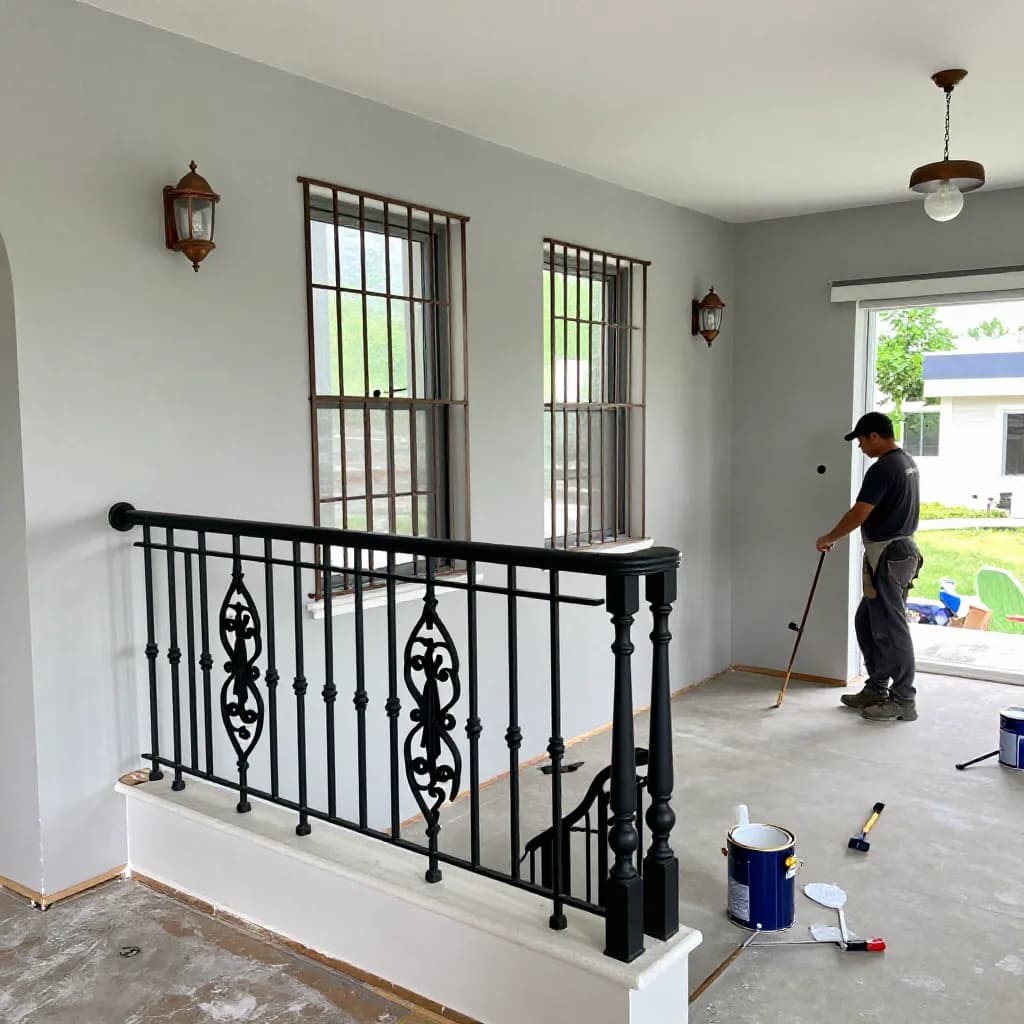
Powder coating is one of the most underutilized tools in the home renovator's toolkit. Many homeowners default to spray painting metal items or simply replacing them, unaware that professional powder coating can deliver a factory-quality finish that will last 15-20 years. The durability difference between spray paint and powder coating is dramatic — spray paint on a metal railing might last 2-3 years before chipping and fading, while powder coating on the same railing will maintain its appearance for a decade or more.
Ready to Start Your Project?
From one-off customs to 15,000-part production runs — get precise pricing in 24 hours.
On This Page
Powder Coating: A Home Renovator's Secret Weapon
The versatility of powder coating for home renovation is remarkable. Almost any metal item in your home can be powder coated: interior and exterior railings, gates and fences, light fixtures and chandeliers, metal furniture, radiators and heating covers, door handles and hinges, kitchen racks and shelving, fireplace screens and tools, mailboxes, house numbers, and decorative metalwork. If it is metal and it can be removed and transported to a coating shop, it can be powder coated.
This article walks through the most common home renovation applications for powder coating, explaining what to expect, how to prepare, and how to get the best results for each type of project.
Railings and Balustrades: Interior and Exterior
Railings are one of the most popular home renovation items for powder coating, and for good reason. Metal railings — whether wrought iron, steel, or aluminum — are prominent visual elements in a home, and their condition significantly affects the overall appearance of staircases, balconies, decks, and porches.
Exterior railings take the worst beating from weather exposure. Rain, snow, UV radiation, and temperature cycling cause paint to crack, peel, and allow rust to develop on steel railings. Powder coating provides a much more durable barrier, with the thick film resisting moisture penetration and the cross-linked polymer structure resisting UV degradation. A properly powder-coated exterior steel railing with appropriate pretreatment will resist corrosion for 15-20 years, compared to 3-5 years for brush or spray-painted railings.
Interior railings and balustrades benefit from powder coating's aesthetic quality as much as its durability. The smooth, uniform finish of powder coating gives interior metalwork a professional, factory-finished appearance that is difficult to achieve with brush or spray painting. For open-plan homes where the staircase railing is a design feature, powder coating in a carefully chosen color and finish — matte black, satin bronze, or custom color-matched to the interior scheme — can transform the space.
The process for railing renovation typically involves removing the railing from the home, transporting it to the coating shop, stripping any existing paint or coating, blasting to bare metal, pretreating, powder coating, and reinstalling. For railings that cannot be removed — those welded to structural elements or embedded in concrete — on-site liquid painting is the alternative, though it will not match the durability of shop-applied powder coating.
When planning railing powder coating, measure and photograph the railings before removal, label all components and fasteners, and discuss reinstallation with your contractor. The coating adds 50-100 microns of thickness to all surfaces, which may affect the fit of bolted connections. Your coating shop can mask bolt holes and mating surfaces to maintain original dimensions where needed.
Gates and Fences: Curb Appeal and Protection
Metal gates and fences are the first thing visitors see, and their condition sets the tone for the entire property. A rusted, peeling gate makes even a well-maintained home look neglected, while a freshly powder-coated gate in a complementary color instantly elevates curb appeal.
Wrought iron and steel gates are ideal candidates for powder coating. These items are exposed to the harshest outdoor conditions and benefit most from the superior weather resistance of powder coating. The thick powder coating film provides excellent protection against rain, humidity, and salt exposure, while the UV-resistant polyester formulation maintains color and gloss for years without the fading and chalking that plague painted gates.
Aluminum gates and fences can also be powder coated, though aluminum does not rust, so the motivation is primarily aesthetic — changing the color or refreshing a faded finish. Aluminum requires different pretreatment than steel (chromate or zirconium conversion coating rather than iron phosphate), so inform the coating shop of the material when requesting a quote.
For large gates and fence sections, transportation logistics are an important consideration. Measure the gate and confirm that it will fit in your vehicle or arrange for pickup and delivery with the coating shop. Some shops offer pickup and delivery services for large items, which simplifies the process considerably.
Color selection for gates and fences should consider the home's exterior color scheme, the surrounding landscape, and the neighborhood aesthetic. Black remains the most popular choice for its classic, versatile appearance. Dark green, dark grey, and bronze are also popular for residential gates. For a more contemporary look, matte finishes in charcoal or anthracite grey create a sophisticated, modern aesthetic.
If your gate has decorative elements — scrollwork, finials, rosettes — powder coating handles these complex shapes well. The electrostatic application process wraps powder around curves and into recesses, providing more uniform coverage on ornamental metalwork than brush or spray painting.
Light Fixtures and Chandeliers
Updating light fixtures is one of the most impactful and cost-effective home renovation changes, and powder coating makes it possible to transform existing fixtures rather than replacing them. A dated brass chandelier can become a contemporary matte black statement piece. A set of mismatched fixtures can be unified in a single color. Outdoor sconces can be refreshed to match a new exterior color scheme.
Metal light fixtures — chandeliers, pendant lights, wall sconces, ceiling mounts, and outdoor fixtures — are excellent candidates for powder coating. The process involves disassembling the fixture, removing all electrical components, glass shades, and non-metal parts, coating the metal components, and reassembling. A qualified coating shop will handle the disassembly and reassembly, or you can do it yourself to reduce cost.
The transformation can be dramatic. Polished brass fixtures that look dated in a modern interior can be powder coated in matte black, satin white, or brushed bronze to match contemporary design trends. The solid brass construction — which is why these fixtures were expensive originally — is preserved, and the new finish gives them a completely updated appearance.
For chandeliers and complex fixtures with many small components, the coating shop will need to track and organize all parts carefully. Photographing the fixture from multiple angles before disassembly creates a reference for reassembly. Labeling parts with heat-resistant tags ensures nothing is lost or misplaced during the coating process.
Heat considerations apply to light fixtures, particularly those using incandescent or halogen bulbs that generate significant heat. Standard powder coatings handle the moderate heat from light bulbs without issue — surface temperatures around bulb sockets rarely exceed 80-100 degrees Celsius, well within the capability of standard polyester powder coating. LED bulbs generate even less heat, making thermal concerns minimal for modern lighting.
Outdoor light fixtures benefit particularly from powder coating's weather resistance. A powder-coated outdoor sconce will maintain its appearance through years of rain, sun, and temperature cycling, while a painted fixture would need repainting every few years.
Metal Furniture: Indoor and Outdoor
Metal furniture — chairs, tables, bed frames, shelving units, bar stools, and garden furniture — is one of the most satisfying items to powder coat because the transformation is immediate and dramatic. A rusty, chipped patio set becomes a showpiece. A vintage metal bed frame gets a new lease on life. Industrial shelving units are updated to match a modern interior.
Outdoor metal furniture is the most common furniture powder coating project. Patio tables, chairs, loungers, and dining sets made from steel, aluminum, or wrought iron are constantly exposed to weather and benefit enormously from the superior durability of powder coating. A powder-coated patio set will maintain its appearance through multiple seasons of outdoor use, while spray-painted furniture typically needs repainting annually.
Indoor metal furniture — bed frames, dining chairs, side tables, shelving, and decorative pieces — benefits from powder coating's smooth, professional finish quality. The uniform coverage and consistent sheen of powder coating give furniture a factory-finished appearance that is difficult to achieve with DIY painting methods. For vintage and mid-century modern furniture restoration, powder coating can replicate the original factory finish quality.
Preparation for furniture powder coating involves disassembling the piece as much as practical, removing any non-metal components (wood seats, fabric cushions, plastic feet, glass tops), and cleaning off loose paint and surface contamination. The coating shop will handle stripping, blasting, and pretreatment, but delivering the furniture disassembled and free of non-metal parts saves time and cost.
Color and finish selection for furniture should consider the intended environment. For outdoor furniture, choose UV-resistant polyester formulations in colors that complement your outdoor space. For indoor furniture, the full range of colors and finishes is available. Textured finishes like wrinkle and sand texture are popular for furniture because they hide fingerprints and minor wear marks, while smooth gloss and satin finishes provide a more refined appearance.
For consumers with multiple furniture pieces to coat, batching them together in a single order is more economical than coating pieces individually. The shop can process all pieces in the same color in one batch, reducing setup time and potentially qualifying for volume discounts.
Radiators, Heating Covers, and Fireplace Accessories
Heating-related items in the home present specific considerations for powder coating due to their exposure to elevated temperatures, but they are excellent candidates for the process when the right coating is selected.
Cast iron and steel radiators are frequently powder coated during home renovations, particularly in older homes where original radiators are being retained for their character and heating performance. Powder coating a radiator provides a smooth, durable finish that is far superior to the multiple layers of brush-applied paint that typically accumulate on old radiators. The smooth powder-coated surface is also easier to clean and does not trap dust in brush marks and drips.
Radiator temperatures typically reach 60-80 degrees Celsius during normal operation, well within the capability of standard powder coatings. However, some radiator systems can reach higher temperatures, so verify the maximum operating temperature of your system and communicate it to the coating shop. Standard polyester powder coating is suitable for most residential radiator applications.
Radiator covers and heating grilles are simpler to powder coat than radiators themselves because they are lighter, easier to transport, and do not require disconnection from plumbing. These items can be powder coated in any color to match or contrast with the room's design scheme, transforming a utilitarian element into a design feature.
Fireplace screens, tool sets, grates, and surrounds are popular powder coating projects. These items operate at varying temperatures depending on their proximity to the fire. Fireplace screens and tool sets that are near but not in direct contact with flames can typically be coated with standard or silicone-polyester high-temperature powder coatings. Grates and items that contact flames directly require high-temperature ceramic or silicone coatings rated for 400 degrees Celsius or higher.
For radiator powder coating, the radiator must be disconnected from the heating system, drained, and transported to the coating shop. This requires a plumber for disconnection and reconnection, adding to the project cost and complexity. Plan this work during warm months when the heating system is not needed, allowing time for the radiator to be away for coating without affecting home comfort.
The aesthetic payoff is significant. A freshly powder-coated radiator in a carefully chosen color — whether matching the wall color for a seamless look or contrasting in a bold accent color — transforms what is often an eyesore into an attractive element of the room's design.
Door Hardware, Cabinet Pulls, and Kitchen Items
Small metal items throughout the home — door handles, hinges, cabinet knobs and pulls, towel bars, toilet paper holders, switch plates, and kitchen accessories — can be powder coated to create a unified, updated look without the expense of replacing everything.
Door hardware updates are one of the most cost-effective ways to refresh a home's interior. Replacing all the door handles, hinges, and lock sets in a home with new hardware in a trendy finish can be expensive, particularly for quality solid brass or steel hardware. Powder coating the existing hardware in the desired finish — matte black, satin nickel effect, brushed bronze — achieves the same visual update while preserving the original hardware quality.
Cabinet hardware in kitchens and bathrooms can be transformed with powder coating. Dated brass or chrome cabinet pulls can be powder coated to match current trends — matte black and brushed gold are currently the most requested finishes for cabinet hardware. For a kitchen renovation where the cabinets are being repainted but the hardware is structurally sound, powder coating the pulls and knobs is a smart, economical choice.
Kitchen items including pot racks, spice racks, wine racks, and metal shelving can be powder coated to match the kitchen's color scheme. These items are typically easy to remove and transport, making them straightforward powder coating projects. For items that will be near cooking heat, standard powder coatings are adequate — the temperatures near a stove are well within standard coating limits for items that are not directly on the burner.
Batching small items is the key to making hardware powder coating economical. Coating a single door handle is not cost-effective because the setup time and minimum charges at most shops make small jobs disproportionately expensive. Instead, collect all the hardware items you want to update — every door handle, hinge, cabinet pull, towel bar, and switch plate — and submit them as a single batch order. This spreads the setup cost across many items and often qualifies for better per-piece rates.
When removing hardware for powder coating, label every piece with its location using heat-resistant tags or a numbering system with a corresponding map. This ensures that each piece returns to its correct location during reinstallation, which is particularly important for doors where hinge alignment matters.
Planning Your Home Renovation Powder Coating Project
A successful home renovation powder coating project requires planning that coordinates the coating work with the broader renovation timeline. Here are the key steps to ensure a smooth process.
Inventory all metal items that could benefit from powder coating. Walk through your home and identify every metal element that is dated, damaged, or does not match your renovation vision. Group items by location and priority. You may be surprised by how many items can be transformed — most homes have dozens of metal elements that are candidates for powder coating.
Get quotes from multiple coating shops. Provide a detailed list of items with approximate sizes and current condition. Some shops offer pickup and delivery for large items, which simplifies logistics. Ask about turnaround time, as this affects your renovation schedule. Request references or examples of similar residential work.
Schedule the coating work to align with your renovation timeline. Items need to be removed before coating and reinstalled after, so coordinate with your contractor, plumber (for radiators), and electrician (for light fixtures) to minimize disruption. Allow adequate time for the coating shop's turnaround plus a buffer for any delays.
Prepare items properly before delivery. Remove all non-metal components, clean off loose debris, and label everything. The more preparation you do, the less the shop charges for prep work and the faster the turnaround. Take photographs of assembled items before disassembly for reference during reinstallation.
Choose colors and finishes thoughtfully. Request physical color samples from the coating shop and evaluate them in the actual rooms where the items will be installed, under the lighting conditions that will be present. A color that looks perfect in the shop may appear different in your home's lighting. Consider how the powder coating color will coordinate with paint colors, flooring, countertops, and other finishes in your renovation.
Order touch-up kits for each color used. Installation inevitably causes minor chips and scratches, and having color-matched touch-up paint on hand allows immediate repair. This is particularly important for items that will be handled frequently, like door hardware and railings.
Budget realistically. Powder coating is more expensive than DIY spray painting but far less expensive than replacing quality metal items with new ones. For a typical home renovation, powder coating all the metal elements — railings, gates, fixtures, hardware, and furniture — represents a small fraction of the total renovation budget while delivering a disproportionately large visual impact.
Frequently Asked Questions
What home items can be powder coated?
Almost any removable metal item can be powder coated, including railings, gates, fences, light fixtures, chandeliers, metal furniture, radiators, fireplace accessories, door handles, hinges, cabinet pulls, towel bars, switch plates, mailboxes, house numbers, kitchen racks, and decorative metalwork. If it is metal and can be transported to a coating shop, it is a candidate.
Is powder coating worth it for home renovation?
Yes. Powder coating delivers a factory-quality finish that lasts 15-20 years, compared to 2-5 years for spray paint. It is significantly less expensive than replacing quality metal items with new ones, and the visual transformation is dramatic. For items like railings, gates, and light fixtures, powder coating is one of the most cost-effective renovation upgrades available.
Can I powder coat door handles and cabinet hardware?
Yes. Door handles, cabinet pulls, hinges, and other hardware are excellent candidates for powder coating. Batch all hardware items together in a single order for the best value. Popular finishes include matte black, satin bronze, and brushed gold. Label every piece with its location before removal to ensure correct reinstallation.
How do I prepare items for powder coating?
Remove all non-metal components like glass, wood, fabric, and plastic. Clean off loose debris and label all parts. Photograph assembled items before disassembly for reinstallation reference. The coating shop handles stripping, blasting, and pretreatment, but delivering items disassembled and free of non-metal parts saves time and reduces cost.
Can radiators be powder coated?
Yes. Cast iron and steel radiators can be powder coated with standard polyester powder, which handles typical radiator operating temperatures of 60-80 degrees Celsius. The radiator must be disconnected, drained, and transported to the coating shop. Plan this work during warm months when heating is not needed. The result is a smooth, durable finish far superior to brush-applied paint.
Ready to Start Your Project?
From one-off customs to 15,000-part production runs — get precise pricing in 24 hours.