Golf carts have evolved far beyond their original purpose on the fairway. Today, they serve as primary transportation in retirement communities, beach towns, resort properties, and gated neighborhoods. They are customized for hunting, farming, and property maintenance. And they have become a canvas for personal expression, with custom builds rivaling the creativity and investment of full-size vehicle projects. Powder coating is at the center of this customization movement, providing the durable, colorful finishes that transform a basic utility cart into a personalized vehicle.
Consumer
Powder Coating Golf Cart Parts: Custom Builds, UV Protection, and Community Vehicle Finishing
Sundial Powder Coating·April 23, 2026·9 min
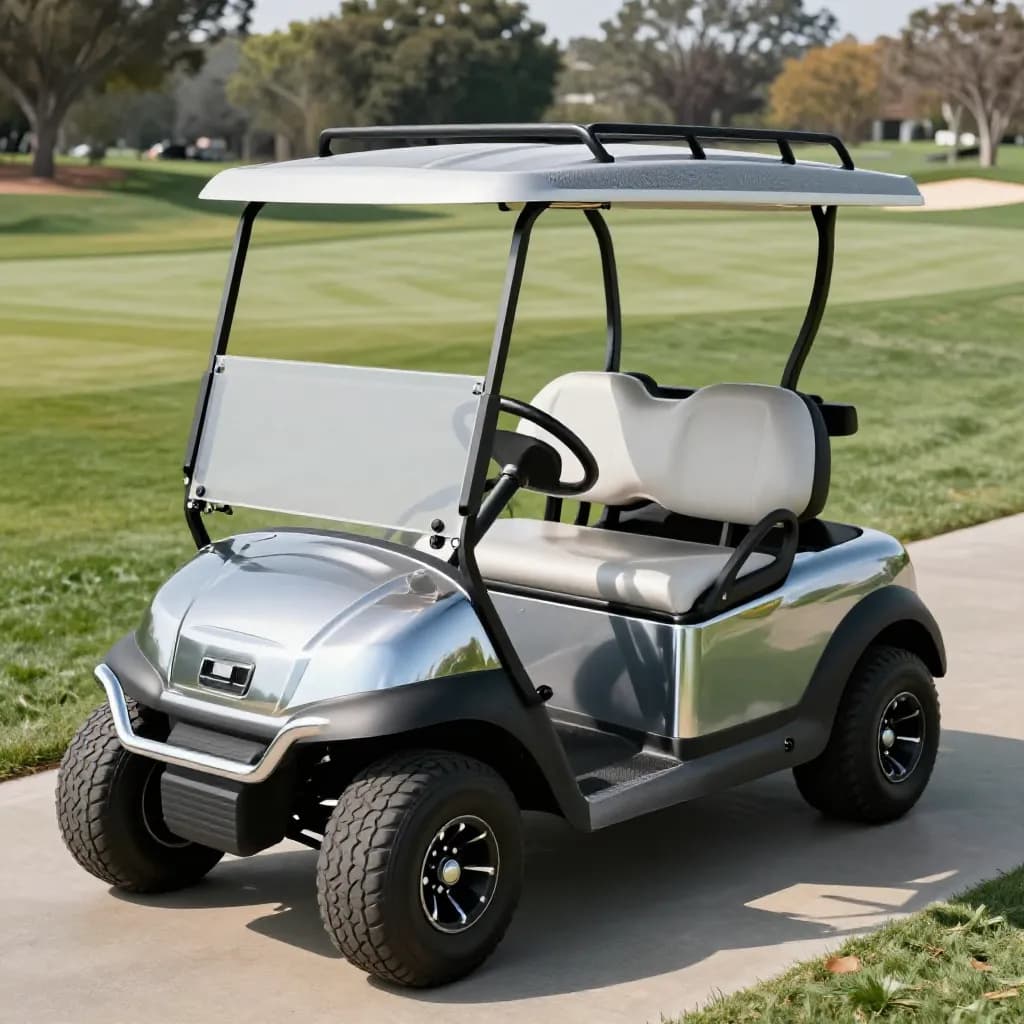
The golf cart aftermarket has exploded with lift kits, custom wheels, audio systems, lighting packages, and body modifications. But the foundation of any custom build is the finish on the metal components: the frame, roof supports, bumpers, brush guards, and various brackets and accessories. These components define the cart's visual character and must withstand years of outdoor exposure in often harsh UV environments.
Ready to Start Your Project?
From one-off customs to 15,000-part production runs — get precise pricing in 24 hours.
On This Page
The Golf Cart Customization Boom
Powder coating is the ideal finish for golf cart components because it provides the UV resistance needed for vehicles that spend their entire lives outdoors, the durability to withstand the bumps and scrapes of daily use, and the color range to achieve any custom look imaginable. From subtle factory-matching refinishes to wild show-quality custom builds, powder coating delivers results that paint cannot match in terms of longevity and finish quality.
Frame and Chassis Coating
The frame is the structural backbone of a golf cart and the largest single component to powder coat. Golf cart frames are typically fabricated from welded steel tubing and stamped steel brackets, providing a straightforward substrate for powder coating. A properly coated frame provides the foundation for the entire build's appearance and protects the structural steel from corrosion for the life of the cart.
Preparation begins with complete disassembly. Remove the body panels, seats, roof, windshield, electrical components, suspension, and drivetrain from the frame. This exposes all surfaces for preparation and ensures complete coating coverage. Attempting to coat a partially assembled frame will leave uncoated areas that become corrosion sites.
Blast the frame to bare metal with aluminum oxide or steel grit, removing all factory paint, rust, and mill scale. Pay particular attention to weld areas, tube joints, and the inside surfaces of frame rails where moisture and debris accumulate. A pre-bake at cure temperature drives out trapped gases from weld areas and prevents pinholes in the finished coating.
Apply an iron phosphate or zinc phosphate conversion coating after blasting. For carts used in coastal or high-humidity environments, zinc phosphate provides superior corrosion resistance. Follow with a polyester powder coat at 60-100 microns. A two-coat system with epoxy primer and polyester topcoat is recommended for carts in harsh environments.
The frame's complex geometry with numerous tubes, brackets, and gussets creates Faraday cage effects that can result in thin coverage in recessed areas. Reduce electrostatic voltage and spray from multiple angles to ensure complete coverage. After curing, inspect all recessed areas and touch up any thin spots.
Roof, Supports, and Canopy Components
The roof and its support structure are the most UV-exposed components on a golf cart. The roof receives direct sunlight for every hour the cart is outdoors, and the support posts and brackets are visible from all angles. The coating on these components must provide exceptional UV resistance to maintain its appearance over years of continuous outdoor exposure.
Steel roof supports and brackets are straightforward to prepare and coat. Blast, pretreat, and coat with a super-durable polyester powder for maximum UV resistance. The support posts are typically round or square tubing that accepts powder uniformly, producing a consistent finish.
Aluminum roofs, common on many golf cart models, require the aluminum-specific preparation protocol: gentle blasting with fine media, chromate-free conversion coating, and prompt powder application. Aluminum roofs are thin and can warp under aggressive blasting, so controlled media pressure is essential.
Steel roofs can be powder coated with excellent results. The large, flat surface of a roof showcases the finish quality and makes any imperfection visible. Ensure the roof surface is smooth and free of dents before coating, as the powder will faithfully reproduce any surface irregularity.
Color selection for the roof should consider both aesthetics and thermal performance. Dark-colored roofs absorb significantly more solar heat than light-colored roofs, which can make the cart uncomfortable for passengers in hot climates. White, silver, and light-colored roofs reflect solar energy and keep the cart cooler. If a dark roof color is desired for aesthetic reasons, consider a heat-reflective powder formulation that contains infrared-reflecting pigments to reduce heat absorption.
The roof-to-support joint is a common area for coating damage during assembly. Use rubber or nylon isolators at these joints to prevent metal-to-metal contact and protect the coating from compression damage.
Bumpers, Brush Guards, and Accessories
Golf cart bumpers, brush guards, nerf bars, and accessory brackets are the components that define the cart's personality and are the most popular items for custom powder coating. These parts are relatively small, easy to remove and reinstall, and offer immediate visual impact when finished in a custom color.
Front and rear bumpers are typically steel tube or stamped steel construction. They are exposed to minor impacts from parking, trail obstacles, and general use, so the coating must provide good impact resistance. A standard polyester powder coat at 60-80 microns provides adequate protection for the moderate impacts golf cart bumpers encounter.
Brush guards and grille guards add a rugged, customized appearance and protect the front of the cart from brush and debris. These are usually steel tube construction and respond well to standard preparation and coating. Textured finishes are popular for brush guards on hunting and utility carts, while smooth gloss or satin finishes suit show and community carts.
Nerf bars and side steps provide both protection and a stepping surface. Textured or non-slip finishes are recommended for the stepping surface to provide traction in wet conditions. The same non-slip additives used for truck running boards can be applied to golf cart steps.
Accessory brackets for lights, mirrors, coolers, gun racks, and other add-ons can be batch-coated alongside the main components for a unified appearance. Coating all accessories in the same batch ensures perfect color matching across the entire build.
Custom fabricated accessories like speaker pods, cup holder brackets, and dash panels can also be powder coated. These one-off pieces benefit from the professional finish that powder coating provides, elevating the entire build's quality perception.
UV Resistance for All-Day Outdoor Exposure
Golf carts spend their entire operational life outdoors, often without the benefit of garage storage. In Sun Belt states, retirement communities, and tropical resort locations, the UV exposure is intense and relentless. The coating on every visible component must withstand this continuous UV bombardment without fading, chalking, or losing gloss.
Super-durable polyester powder is the minimum specification for golf cart components. Standard polyester will begin showing visible UV degradation within 1-2 years of continuous outdoor exposure in high-UV environments like Florida, Arizona, or the Caribbean. Super-durable formulations extend this to 5-10 years, which is a meaningful difference for a vehicle that may be in service for a decade or more.
For the ultimate in UV resistance, fluoropolymer-based powders such as PVDF blends offer performance comparable to architectural coatings rated to AAMA 2605 standards. These coatings are designed for 20-plus years of outdoor exposure and are justified for premium builds in extreme UV environments. The higher material cost is offset by the extended service life and reduced need for recoating.
Color selection affects UV longevity. Light colors like white, silver, beige, and light blue maintain their appearance longer than dark colors under UV exposure. Dark colors absorb more UV energy, which accelerates the photodegradation process. If dark colors are desired, insist on the highest-grade UV-stable formulation available.
A clear coat over the color coat adds a sacrificial UV-absorbing layer that extends the color coat's life. The clear coat takes the initial UV damage, and when it eventually shows wear, it can be stripped and reapplied without disturbing the color underneath. This approach is common in architectural applications and is equally effective for golf cart components.
Community Standards and Fleet Applications
Many golf cart communities, resorts, and commercial operations have standards for vehicle appearance that affect coating choices. Understanding these requirements before selecting colors and finishes ensures the finished cart meets community expectations and any applicable regulations.
Retirement communities and homeowner associations may have guidelines regarding golf cart colors, lighting, and overall appearance. Some communities require carts to maintain a neat, well-maintained appearance, which powder coating easily achieves. Others may restrict certain colors or modifications. Check community guidelines before committing to a custom color scheme.
Resort and commercial fleet operations prioritize uniformity and durability. All carts in a fleet should have identical color and finish for a professional, branded appearance. Powder coating is ideal for fleet applications because the finish is consistent, durable, and can be specified by RAL code for exact repeatability across multiple carts and coating sessions. Fleet managers can maintain a stock of touch-up paint matched to the RAL code for field repairs.
Golf course operations require carts that look presentable to members and guests. A periodic recoating program keeps the fleet looking fresh without replacing carts. Powder coating a golf cart frame and components is significantly less expensive than purchasing a new cart, making recoating an economical fleet maintenance strategy.
For commercial operations like rental fleets, tour companies, and security patrols, the coating must withstand heavy use by multiple operators who may not treat the equipment gently. A thick, textured powder coat on bumpers and high-contact areas provides the durability needed for commercial service. Smooth, easy-to-clean finishes on body-visible components maintain a professional appearance with minimal maintenance effort.
Reassembly and Build Completion
Reassembling a golf cart after powder coating is the final step in the build process and requires care to protect the fresh finish while ensuring proper mechanical function. The reassembly sequence should be planned to minimize handling of coated components and reduce the risk of scratches and chips during assembly.
Start with the frame and work outward. Install the suspension, axles, and drivetrain components first, as these require the most mechanical work and are most likely to cause incidental contact with the frame. Use rubber or nylon isolators at all metal-to-metal contact points to protect the coating.
Electrical components require clean grounding points. Powder coating is an electrical insulator, so grounding locations must be scraped clean or masked during coating. Verify all electrical grounds with a continuity test after assembly. Poor grounding causes lighting malfunctions, charging issues, and erratic controller behavior.
Install body panels, seats, and trim components with care. Use the correct fasteners and torque values to avoid cracking the coating around mounting holes. Rubber grommets and trim clips help protect the coating at panel attachment points.
After complete reassembly, perform a thorough functional test. Verify steering, braking, acceleration, lighting, and all electrical systems. Check for any unusual noises that might indicate a component is contacting the coated frame or body.
Ongoing maintenance is minimal. Wash the cart regularly with mild soap and water. Inspect the coating periodically for chips and scratches, particularly at high-contact areas like entry points and bumper corners. Touch up any damage promptly. For carts stored outdoors, a periodic application of automotive wax or ceramic coating enhances the finish and provides additional UV protection.
With proper care, a powder-coated golf cart will maintain its custom appearance for many years, providing reliable service and turning heads in the community, on the course, or wherever the cart is used.
Frequently Asked Questions
What golf cart parts can be powder coated?
Steel and aluminum components including frames, roof supports, bumpers, brush guards, nerf bars, brackets, and custom fabricated accessories can all be powder coated. Plastic body panels, seats, windshields, and electrical components cannot withstand the cure temperature and must be removed before coating.
What powder type is best for golf carts in Florida or Arizona?
Super-durable polyester is the minimum recommendation for high-UV environments. For premium builds, fluoropolymer-based powders offer 20-plus years of UV resistance. Light colors maintain their appearance longer than dark colors. A clear coat over the color adds additional UV protection.
Can I powder coat a golf cart frame without full disassembly?
Full disassembly is strongly recommended. Coating a partially assembled frame leaves uncoated areas that become corrosion sites and results in an inconsistent finish. Removing all components exposes every surface for proper preparation and ensures complete, uniform coating coverage.
How do I maintain a powder-coated golf cart?
Wash regularly with mild soap and water. Inspect the coating periodically for chips and touch up damage promptly. Apply automotive wax or ceramic coating periodically for additional UV protection. For carts stored outdoors, a fitted cover reduces UV exposure and extends the finish life.
Is powder coating suitable for golf cart fleet operations?
Yes. Powder coating is ideal for fleets because the finish is consistent, durable, and can be specified by RAL code for exact repeatability across multiple carts. Periodic recoating is more economical than cart replacement. Touch-up paint matched to the RAL code enables field repairs.
Ready to Start Your Project?
From one-off customs to 15,000-part production runs — get precise pricing in 24 hours.