Garden sculptures transform outdoor spaces from simple landscapes into curated environments that reflect the owner's taste and personality. Whether it is an abstract steel form rising from a flower bed, a figurative bronze in a courtyard, or a kinetic wind sculpture spinning on a hilltop, outdoor art adds a dimension to gardens that plants alone cannot provide. And unlike indoor art, garden sculptures must survive everything nature throws at them.
Consumer
Powder Coating for Garden Sculptures: Outdoor Art That Weathers Beautifully
Sundial Powder Coating·April 23, 2026·8 min
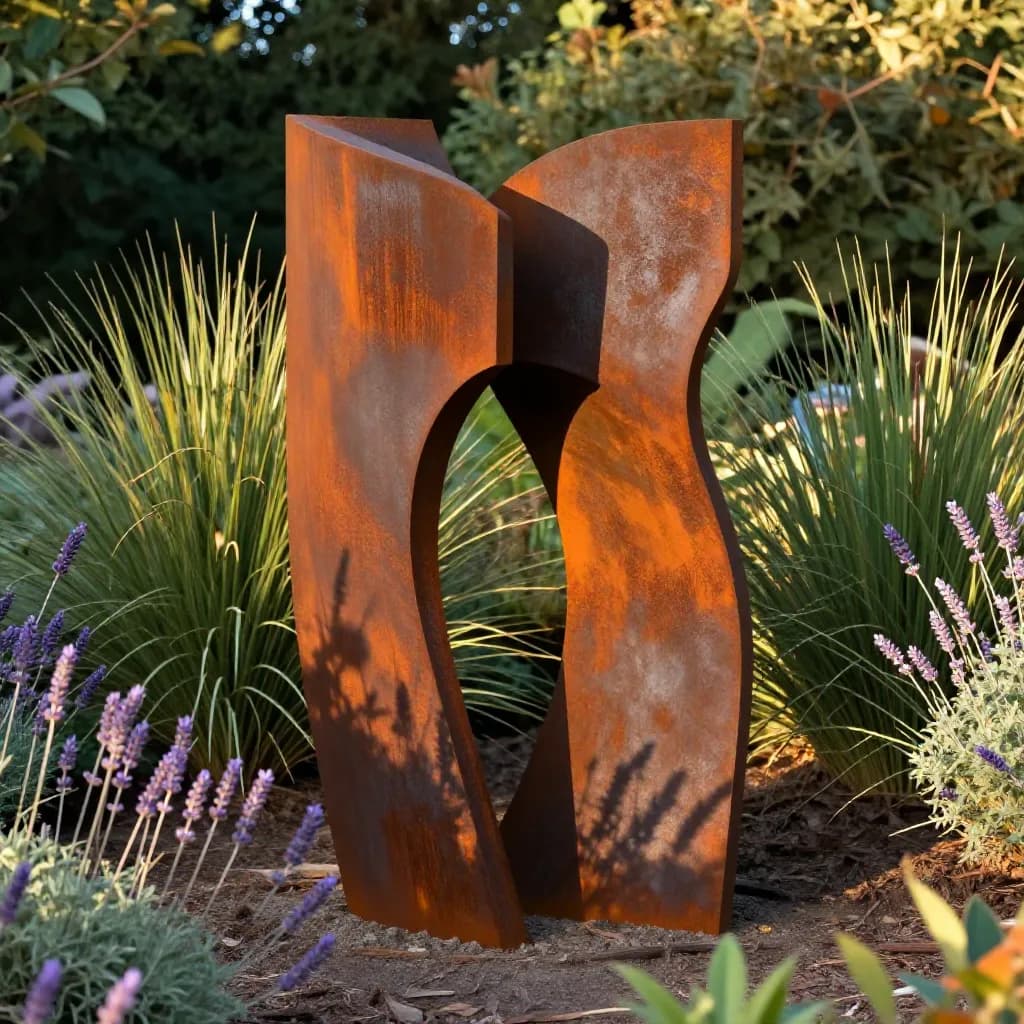
The finish on a garden sculpture is not just decorative — it is the primary defense against an environment that actively works to destroy metal. UV radiation breaks down organic coatings. Rain delivers moisture that initiates corrosion. Frost cycles drive water into coating defects and pry them open. Soil contact wicks moisture upward. Bird droppings deposit acidic compounds. The finish must resist all of these simultaneously, year after year, with no shelter and no maintenance breaks.
Ready to Start Your Project?
From one-off customs to 15,000-part production runs — get precise pricing in 24 hours.
On This Page
Garden Sculpture as Permanent Outdoor Art
Powder coating has become the preferred finishing method for contemporary garden sculpture because it meets these demands while offering the color and finish variety that artists and collectors require. The combination of UV stability, corrosion resistance, mechanical durability, and aesthetic range makes powder coating the most practical and versatile finish for permanent outdoor metalwork.
Collaborating with Artists on Finish Selection
The finish on a sculpture is an artistic decision as much as a technical one. Color, texture, sheen, and surface quality all contribute to the sculpture's visual impact and emotional resonance. A skilled powder coater working with a sculptor can achieve finishes that enhance the artistic intent while providing the protection the piece needs.
The collaboration should begin early in the creative process. Artists who understand powder coating's capabilities and limitations can design with the finish in mind, making choices about surface texture, edge treatment, and form that work with the coating process rather than against it. A sculptor who knows that sharp edges will be thin-coated can design with slightly rounded edges that accept powder more evenly.
Color selection for sculpture is deeply personal and context-dependent. Some artists prefer finishes that complement the natural garden setting — earth tones, greens, and weathered metal effects that blend with the landscape. Others choose bold, contrasting colors that make the sculpture stand out as a deliberate intervention in the natural environment. Both approaches are valid, and powder coating supports both with equal capability.
Finish samples are essential for sculpture projects. A small test panel coated in the proposed color and finish allows the artist to evaluate the result in the intended outdoor setting, under natural light, and against the surrounding landscape before committing to the full piece. This sample step prevents costly surprises and ensures the finished sculpture matches the artistic vision.
Protecting Against UV, Rain, and Frost
The three primary environmental threats to garden sculptures — UV radiation, moisture, and freeze-thaw cycling — each attack the coating in different ways. A comprehensive coating strategy must address all three simultaneously.
UV radiation is the most persistent threat. Garden sculptures receive hours of direct sunlight daily during the growing season, and even indirect UV exposure during cloudy periods contributes to cumulative degradation. Super-durable polyester powder coatings with enhanced UV stabilizers are the standard specification for garden sculpture. These formulations resist fading and chalking for ten to fifteen years, maintaining the artist's intended color throughout the sculpture's outdoor life.
Rain and ground moisture attack from multiple directions. Rain falls on upper surfaces and runs down the sculpture, pooling in recesses and joints. Ground moisture wicks upward through the base. Humidity condenses on cool metal surfaces during temperature drops. The coating must be continuous and defect-free on every surface — top, bottom, sides, interior cavities, and base — to prevent moisture from finding a path to the metal.
Freeze-thaw cycling is the most mechanically destructive threat. Water that penetrates a coating defect freezes and expands, lifting the coating away from the metal and creating a larger defect. The next thaw-freeze cycle drives more water into the enlarged defect, and the progressive damage accelerates. In climates with frequent freeze-thaw cycles, coating quality at the initial application is critical — there is no room for thin spots, pinholes, or missed areas that could become freeze-thaw entry points.
For sculptures in particularly harsh climates, a two-coat system — an epoxy primer for maximum adhesion and corrosion resistance, topped with a UV-stable polyester topcoat — provides the highest level of protection. This dual-layer approach combines the strengths of both chemistries for maximum outdoor durability.
Large-Scale Sculpture: Coating Logistics
Garden sculptures range from small tabletop pieces to monumental installations several meters tall. Large-scale sculptures present logistical challenges for powder coating that require planning and coordination between the artist, fabricator, and coater.
The primary constraint is oven size. Powder coating requires the piece to be heated to curing temperature — typically 180 to 200 degrees Celsius — in an oven. Small and medium sculptures fit in standard batch ovens, but large pieces may exceed the capacity of most coating shops. Finding a coater with a large walk-in oven, or one willing to construct a temporary curing enclosure, may be necessary for monumental work.
Alternatively, large sculptures can be designed and fabricated in sections that are individually coated and then assembled on site. This modular approach allows each section to be coated in a standard oven while the assembled sculpture exceeds any single oven's capacity. The joints between sections need careful treatment — either concealed by the design, sealed with matching touch-up coating, or designed as visible design elements.
Transportation of large coated sculptures requires protective packaging to prevent finish damage during transit. Blankets, foam padding, and custom crating protect the coated surfaces from scratches, chips, and abrasion during loading, transport, and unloading. The investment in proper packaging is small compared to the cost of recoating a damaged sculpture.
On-site installation of large sculptures often involves cranes, forklifts, or other heavy equipment. Rigging points should be designed into the sculpture and coated along with the rest of the piece. Protective padding at rigging contact points prevents the equipment from damaging the finish during lifting and placement.
Base and Ground Contact Considerations
The base of a garden sculpture — where it contacts the ground, a pedestal, or a foundation — is the most vulnerable area for coating degradation. Moisture wicks upward from soil, concrete, and stone surfaces, creating a persistently damp zone at the base that challenges any coating over time.
Complete coating coverage on the base is essential but not sufficient. The base should be designed to minimize ground contact and maximize drainage. Legs or feet that elevate the sculpture above the ground surface allow air circulation underneath, reducing moisture accumulation. If the sculpture sits directly on a surface, a moisture barrier — a layer of rubber, plastic, or marine-grade sealant — between the coated base and the mounting surface prevents moisture wicking.
For sculptures installed directly in soil or garden beds, the below-grade portion faces the most aggressive moisture exposure. Soil contact creates a constantly damp environment that will eventually compromise any powder coating. The below-grade portion should receive additional protection — a heavy-duty epoxy coating, a bituminous wrap, or a stainless steel sleeve — to supplement the powder coat in this extreme zone.
Pedestal mounting elevates the sculpture above ground contact entirely, eliminating the moisture-wicking concern. A concrete, stone, or metal pedestal provides a stable, dry platform for the sculpture. The pedestal itself can be powder coated to match or complement the sculpture, creating a unified installation. The connection between the sculpture and pedestal should be designed to prevent water from pooling at the joint.
For sculptures near water features — ponds, fountains, or streams — splash zone exposure adds another moisture source. The coating on surfaces within the splash zone should be specified for maximum moisture resistance, and drainage should be designed to prevent water from pooling on or inside the sculpture.
Kinetic and Interactive Garden Sculptures
Kinetic sculptures — wind spinners, mobiles, pivoting forms, and mechanically driven pieces — add movement to the garden and present unique coating challenges. Moving parts create friction points where the coating experiences mechanical wear, and the constant motion means these wear points are active whenever the sculpture is in motion.
Bearing surfaces and pivot points on kinetic sculptures should be masked during coating to maintain smooth, low-friction operation. Powder coating on bearing surfaces increases friction and can cause binding that prevents the sculpture from moving freely. These mechanical interfaces should use appropriate bearing materials — bronze bushings, sealed ball bearings, or PTFE washers — rather than relying on the coating for a bearing surface.
Balancing is critical for kinetic sculptures, and the coating weight must be accounted for in the balance calculation. Powder coating adds a small but measurable weight to each component, and if the coating is not uniform across all elements, it can shift the balance point. For precisely balanced mobiles and wind-driven pieces, coating all elements in the same color and thickness ensures the balance established during fabrication is maintained after finishing.
Interactive sculptures that visitors touch, climb on, or manipulate face accelerated wear at contact points. Handrails, seating surfaces, and touchable elements should be coated with extra attention to film thickness and adhesion, as these areas will experience the most mechanical stress. Textured finishes on interactive surfaces provide grip and hide the inevitable wear marks from frequent contact.
Long-Term Care and Recoating
Garden sculptures are long-term investments, and their powder-coated finishes will eventually need attention. Understanding the expected lifecycle and planning for maintenance helps protect the investment and keep the sculpture looking its best.
Annual inspection is good practice for garden sculptures. Walk around the piece and look for any signs of coating degradation — color fading, chalking, chips, rust spots, or areas where the coating appears to be lifting. Pay special attention to the base, joints, and any areas where water might pool. Early detection of coating issues allows for targeted touch-up before problems spread.
Minor chips and scratches can be touched up with matching spray paint or brush-on touch-up coating. While these repairs will not match the durability of the original powder coat, they seal the exposed metal and prevent corrosion from starting. For sculptures in visible locations, touch-up work should be done carefully to minimize the visual difference between the original coating and the repair.
When the overall coating has degraded to the point where touch-ups are no longer sufficient — typically after ten to fifteen years for quality applications — the sculpture can be stripped and fully recoated. This renewal process restores the piece to like-new condition and provides an opportunity to change the color if desired. For valuable or significant sculptures, professional recoating is a worthwhile investment that extends the sculpture's outdoor life indefinitely.
Seasonal cleaning helps maintain the coating's appearance and longevity. A gentle rinse with a garden hose removes accumulated dirt, pollen, bird droppings, and organic debris. For stubborn deposits, a soft brush and mild soap solution provide effective cleaning without damaging the finish. Avoid pressure washers, which can drive water into coating defects and accelerate degradation.
Frequently Asked Questions
How long does powder coating last on a garden sculpture?
With super-durable polyester powder coating, garden sculptures maintain their appearance for ten to fifteen years in most climates. Harsh environments with intense UV, coastal salt air, or frequent freeze-thaw cycling may reduce this lifespan. A two-coat epoxy-plus-polyester system provides maximum durability.
Can large garden sculptures be powder coated?
Yes, though oven size is the main constraint. Large sculptures may require a coater with a walk-in oven, or the sculpture can be designed in sections that are individually coated and assembled on site. Both approaches produce excellent results with proper planning.
How should the base of a garden sculpture be protected?
Complete coating coverage on the base is essential. Elevate the sculpture above ground contact with legs or a pedestal to reduce moisture wicking. For sculptures installed in soil, the below-grade portion needs additional protection beyond powder coating, such as epoxy coating or a bituminous wrap.
Can kinetic garden sculptures be powder coated?
Yes, but bearing surfaces and pivot points must be masked to maintain smooth operation. The coating weight should be accounted for in balance calculations, and all moving elements should be coated uniformly to maintain the designed balance.
Can a garden sculpture be recoated if the finish degrades?
Yes. The sculpture can be stripped of its old coating and recoated with fresh powder, restoring it to like-new condition. This process also provides an opportunity to change the color. For valuable sculptures, professional recoating extends the outdoor life indefinitely.
What is the best powder coating color for garden sculptures?
There is no single best color — it depends on the artistic intent and garden setting. Earth tones and weathered metal effects blend with natural landscapes, while bold colors create deliberate contrast. Matte black is versatile and UV-resistant. Finish samples evaluated in the actual garden setting help confirm the right choice.
Ready to Start Your Project?
From one-off customs to 15,000-part production runs — get precise pricing in 24 hours.