Fishing equipment operates in one of the most corrosive environments any consumer product encounters. Salt water, fresh water, UV radiation, sand, and the general rough handling of fishing all conspire to degrade metal components. Rod holders, tackle boxes, reel housings, gaffs, pliers, and boat-mounted hardware are all subjected to conditions that destroy unprotected metal in short order. Powder coating provides the robust, long-lasting protection these items need to survive the marine environment.
Consumer
Powder Coating for Fishing Equipment: Reels, Rod Holders, Tackle Boxes, Salt Water, and UV Protection
Sundial Powder Coating·April 22, 2026·9 min
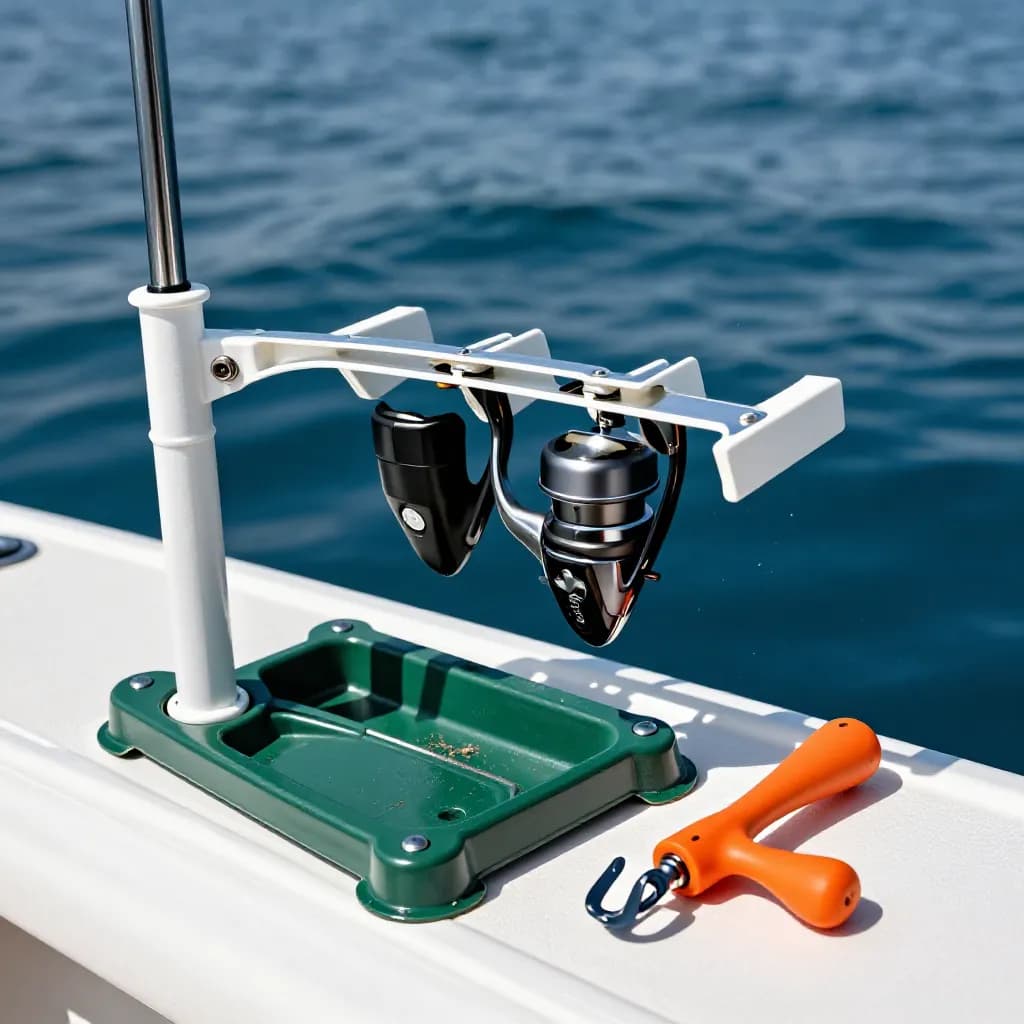
The fishing industry has increasingly adopted powder coating for metal components because it outperforms traditional marine finishes in several key areas. Compared to marine paint, powder coating provides a thicker, more uniform film with better adhesion and chemical resistance. Compared to chrome plating, powder coating offers a wider range of colors and textures without the environmental concerns associated with hexavalent chromium plating processes. Compared to anodizing, powder coating provides better corrosion protection on steel components and offers more color options on aluminum.
Ready to Start Your Project?
From one-off customs to 15,000-part production runs — get precise pricing in 24 hours.
On This Page
Powder Coating Protects Fishing Gear
For anglers who invest in quality equipment, powder coating protects that investment against the harsh conditions of the fishing environment. A well-coated rod holder or tackle box maintains its appearance and function through seasons of use that would leave unprotected or poorly finished equipment corroded and degraded. The combination of corrosion resistance, UV stability, and mechanical durability makes powder coating the ideal finish for fishing gear.
Salt Water: The Ultimate Corrosion Challenge
Salt water is among the most aggressive corrosion environments for metal equipment. The combination of sodium chloride, dissolved oxygen, and the electrochemical activity of salt water creates conditions that can corrode unprotected steel at rates of 0.1 to 0.5 millimeters per year. Even stainless steel and aluminum, which resist corrosion in fresh water, can suffer pitting and crevice corrosion in salt water environments. Powder coating provides a critical barrier between the metal and this aggressive medium.
For fishing equipment used in salt water, the coating system must be specified for marine-grade performance. A two-coat system with an epoxy primer and a super-durable polyester topcoat provides the best protection. The epoxy primer bonds tenaciously to the metal substrate and provides excellent barrier protection against chloride ion penetration. The polyester topcoat provides UV resistance, color, and additional moisture barrier protection.
Edge protection is particularly critical for salt water equipment. Powder coating naturally thins at sharp edges during curing, and these thin spots are the first points where salt water penetrates to the metal substrate. Radiusing all edges before coating and applying extra powder to edge areas during application minimizes this vulnerability. For the most demanding marine applications, a liquid epoxy edge seal applied after powder curing provides an additional barrier at the most vulnerable points.
Rod Holders and Boat-Mounted Hardware
Rod holders are among the most commonly powder-coated fishing accessories. Whether flush-mounted in the gunwale, clamp-mounted on a rail, or integrated into a T-top or rocket launcher array, rod holders are constantly exposed to salt spray, UV radiation, and the mechanical stress of holding rods under load. Powder coating provides durable protection and allows these visible accessories to be finished in colors that complement the boat's design.
Stainless steel rod holders are the premium choice for salt water boats, and while stainless steel resists corrosion naturally, powder coating adds color customization and additional protection. Coating stainless steel requires proper surface preparation — the passive oxide layer must be abraded through blasting to provide mechanical adhesion for the powder. A bonding primer designed for stainless steel improves adhesion and ensures the coating remains firmly attached under the constant vibration and stress of boat operation.
Aluminum rod holders and mounting hardware are lighter and less expensive than stainless steel, but they require coating for corrosion protection in salt water. Bare aluminum develops a protective oxide layer in fresh water, but salt water attacks this oxide and causes pitting corrosion. Powder coating with proper aluminum pretreatment provides reliable protection that keeps aluminum hardware functional and attractive in the marine environment. The interior of rod holder tubes should be coated or treated with a corrosion inhibitor, as salt water inevitably enters the tube from rod drip and spray.
Tackle Boxes and Storage Equipment
Metal tackle boxes, utility boxes, and storage containers are classic fishing accessories that benefit enormously from powder coating. Vintage steel tackle boxes are popular restoration projects, and modern aluminum and steel storage solutions rely on quality coatings for corrosion protection and appearance. The coating must resist the unique combination of exposures these items face — salt water, fish slime, bait residue, hook scratches, and the rough handling of fishing trips.
For tackle box restoration, the process begins with complete disassembly — removing trays, hinges, latches, and handles. Old paint and corrosion are stripped through abrasive blasting, revealing the condition of the underlying metal. Vintage steel tackle boxes often have significant surface rust that must be completely removed before coating. After blasting and conversion coating, the box and all hardware are powder coated and reassembled with new or restored hardware.
The interior of tackle boxes deserves coating attention because it contacts wet lures, hooks, and bait. A smooth polyester coating on interior surfaces resists water absorption and makes cleanup easy — fish slime, bait residue, and salt deposits wipe off the smooth, non-porous surface without staining. For boxes that will hold loose hooks and lures, a harder coating formulation resists the scratching from sharp hook points better than softer formulations.
UV Exposure and Color Retention
Fishing equipment spends extended periods in direct sunlight, and UV radiation is the primary cause of coating degradation on outdoor equipment. The intense UV exposure on open water — amplified by reflection from the water surface — accelerates fading, chalking, and gloss loss on coatings that are not formulated for UV resistance. Selecting the right powder chemistry is essential for maintaining the appearance of fishing equipment.
Super-durable polyester powder coatings are the minimum recommendation for fishing equipment. These formulations contain enhanced UV stabilizers that resist degradation for seven to ten years in direct sun exposure. For equipment that will spend its life on a boat in tropical or subtropical waters, where UV intensity is highest, super-durable formulations provide the best long-term color retention.
Color choice affects the visibility of UV degradation. Light colors — white, light gray, and pastels — show the least visible change over time because minor chalking is less apparent against a light background. Dark colors maintain their depth well but may show chalking as a hazy surface film. Bright colors like red, yellow, and blue are the most susceptible to visible fading, though super-durable formulations significantly slow this process. For anglers who want vibrant colors that last, combining a super-durable formulation with periodic application of UV-protective wax or polish extends the coating's visual life.
Reel Components and Precision Equipment
Fishing reels contain precision-machined components that require careful consideration before powder coating. The reel housing, side plates, and spool are the primary candidates for coating, but the internal mechanisms — gears, bearings, drag washers, and springs — must be completely removed before any coating process. The curing temperature would damage lubricants, seals, and heat-sensitive components inside the reel.
Reel housings are typically cast or machined from aluminum alloy, and they require the standard aluminum preparation process — degreasing, blasting with non-ferrous media, and chromate-free conversion coating. The tight tolerances of reel components mean that coating thickness must be carefully controlled. Bearing seats, shaft bores, and mating surfaces between reel components must be masked to maintain proper fit and function. Even a few extra microns of coating in a bearing seat can cause binding or premature bearing wear.
Custom reel coating is popular among anglers who want their equipment to reflect their personal style or match their boat's color scheme. Matching a set of reels to the boat's hull color or accent color creates a coordinated appearance that shows attention to detail. For tournament anglers, team colors on reels and rod hardware create a professional, branded appearance. The relatively small size of reel components makes them efficient to coat, and a set of reels can typically be processed in a single batch.
Maintenance of Powder-Coated Fishing Gear
Maintaining powder-coated fishing equipment is straightforward but essential, particularly for salt water gear. The single most important maintenance step is rinsing all equipment with fresh water after every salt water use. Salt deposits left on coated surfaces attract moisture from the air and create concentrated salt solutions that accelerate corrosion at any coating defect. A thorough fresh water rinse removes these deposits and dramatically extends the coating's effective life.
After rinsing, allow the equipment to dry completely before storage. Storing wet equipment in enclosed spaces — tackle bags, rod lockers, and storage compartments — creates a humid microenvironment that promotes corrosion. If equipment cannot be dried immediately, leave storage compartments open to allow air circulation until everything is dry.
Periodic inspection of the coating identifies damage before it becomes a corrosion problem. Check rod holders at the mounting points where stress and vibration can crack the coating. Inspect tackle box edges and corners where impacts are most likely. Look for any areas where the coating has been scratched through to bare metal by hooks, lures, or handling. Touch up any damage promptly with a marine-grade touch-up paint or epoxy. For salt water equipment, even small areas of exposed metal can develop significant corrosion within days if left untreated, so prompt repair is essential.
Frequently Asked Questions
Can you powder coat a fishing reel?
The reel housing, side plates, and spool can be powder coated after complete disassembly of all internal components. Gears, bearings, drag washers, and springs must be removed before coating. Bearing seats and shaft bores must be masked to maintain proper tolerances. The reel is reassembled with fresh lubricant after coating.
How long does powder coating last in salt water environments?
A two-coat system with epoxy primer and super-durable polyester topcoat typically provides five to eight years of protection in salt water environments with proper maintenance. Regular fresh water rinsing after salt water exposure and prompt touch-up of any coating damage are essential for maximizing coating life in marine conditions.
Is powder coating better than anodizing for fishing equipment?
Both finishes have advantages. Powder coating offers more color options, better corrosion protection on steel components, and a thicker protective film. Anodizing provides a thinner, harder surface on aluminum that resists abrasion well. For salt water equipment, powder coating generally provides superior corrosion protection, especially with a two-coat system.
What color powder coating is best for fishing equipment?
White and light colors show the least visible UV degradation over time. Dark colors maintain depth well but may show chalking. For visibility and safety, bright colors like orange and yellow make dropped equipment easier to spot. For aesthetics, matching equipment to the boat's color scheme creates a coordinated appearance.
Can I powder coat a vintage steel tackle box?
Yes. Vintage steel tackle boxes are excellent restoration candidates for powder coating. The box must be completely disassembled, stripped of old paint and rust through blasting, and then coated. The result is a tackle box that looks better than new with corrosion protection that far exceeds the original factory finish.
Ready to Start Your Project?
From one-off customs to 15,000-part production runs — get precise pricing in 24 hours.