PC modding has evolved from a niche hobby into a mainstream pursuit, with builders investing significant time and money into creating custom computers that are as visually striking as they are powerful. Powder coating has become one of the most impactful modifications a builder can make, transforming a generic steel or aluminum case into a unique, show-quality centerpiece. The finish quality achievable through powder coating far exceeds what spray paint, vinyl wrap, or plasti-dip can deliver, and the durability ensures the finish looks as good years later as it did on day one.
Consumer
Powder Coating for Computer Cases and PC Mods: Custom Colors, EMI, and Heat Dissipation
Sundial Powder Coating·April 22, 2026·9 min
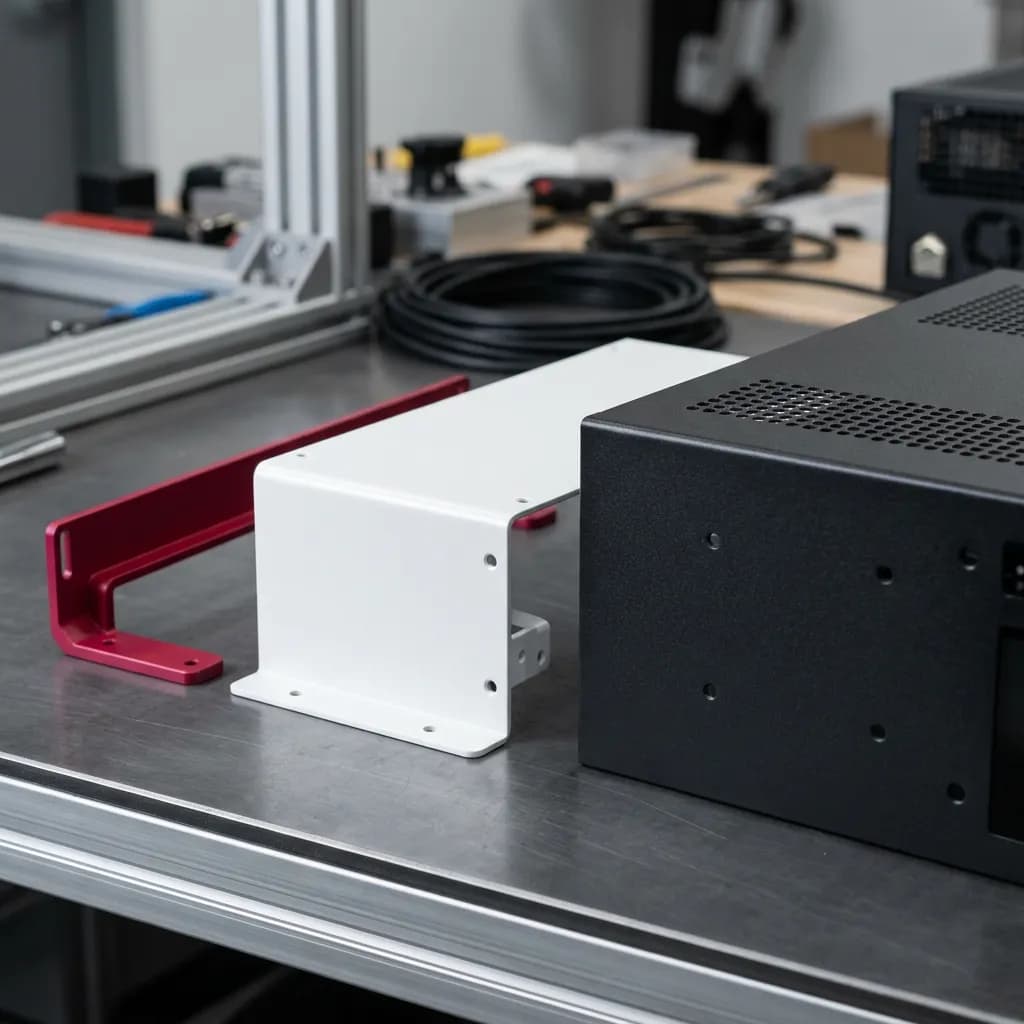
The PC modding community has embraced powder coating because it aligns perfectly with the ethos of the hobby — taking something mass-produced and making it personal. A powder-coated case in a custom color, matched to the build's color theme, creates a cohesive aesthetic that ties together the components, lighting, and cable management into a unified visual statement. The ability to coat not just the case but also brackets, fan shrouds, radiator housings, and other metal components in matching colors takes the build to a level of polish that distinguishes serious modders.
Ready to Start Your Project?
From one-off customs to 15,000-part production runs — get precise pricing in 24 hours.
On This Page
Powder Coating Takes PC Modding to the Next Level
For competitive case modding — where builds are judged at events and showcased online — powder coating has become almost mandatory for top-tier entries. The smooth, uniform, professional finish that powder coating provides is the baseline expectation for competition-level builds. Judges and viewers immediately notice the difference between a powder-coated case and one finished with lesser methods.
Case Materials and Coating Compatibility
Computer cases are manufactured from steel, aluminum, or a combination of both, and each material has specific considerations for powder coating. Steel cases — including cold-rolled steel and galvanized steel — are the most common and the easiest to coat. Steel accepts electrostatic powder application uniformly and provides excellent adhesion with standard preparation methods.
Aluminum cases, popular in the enthusiast market for their light weight and premium feel, require different preparation than steel. The aluminum must be treated with a chromate-free conversion coating designed for aluminum alloys to ensure proper powder adhesion. Aluminum's higher thermal conductivity means it heats up faster in the curing oven, so temperature profiles may need adjustment to prevent the powder from flowing too quickly and creating orange peel texture.
Many cases use a combination of steel and aluminum panels, which presents a challenge for coating. Each material requires its own preparation chemistry, so mixed-material cases may need to be disassembled and the different materials prepared and coated separately. Alternatively, a universal conversion coating that works on both steel and aluminum can be used, though these may not provide optimal adhesion on either material compared to substrate-specific treatments. Plastic components — front panels, drive bay covers, and cable management features — must be removed before coating, as they cannot withstand the curing temperature.
EMI Shielding: Maintaining Electrical Safety
Computer cases serve as electromagnetic interference shields, containing the radio frequency emissions generated by the processor, graphics card, memory, and other high-speed digital components. This shielding is required by FCC regulations in the United States and similar regulations worldwide. Powder coating, as an electrical insulator, can potentially compromise this shielding if not properly managed.
The key to maintaining EMI shielding effectiveness on a powder-coated case is ensuring electrical continuity at all panel joints and grounding points. The motherboard tray standoff mounting points must make bare metal contact with the motherboard's grounding points. The power supply mounting area must maintain electrical contact with the power supply chassis. Panel edges where side panels, top panels, and front panels meet the main chassis must have sufficient bare metal contact to maintain the shielding enclosure.
In practice, maintaining EMI compliance on a powder-coated case is straightforward. Mask the motherboard standoff mounting holes, the power supply mounting area, the I/O shield opening, and the panel contact edges along the case perimeter. These masked areas provide the electrical continuity needed for effective shielding. The interior surfaces of the case can be fully coated without concern, as the shielding is maintained by the panel-to-panel contact at the edges. For builders who want to verify their coated case meets EMI requirements, an AM radio placed near the running computer provides a rough check — excessive interference indicates a shielding problem.
Heat Dissipation and Thermal Performance
Thermal management is a critical concern in PC building, and modders rightfully wonder whether powder coating affects the case's ability to dissipate heat. The short answer is that the effect is minimal and generally not a concern for properly ventilated builds, but understanding the thermal dynamics helps builders make informed decisions.
Powder coating adds a thin insulating layer to the metal case panels. Metal is an excellent thermal conductor, and the coating reduces the rate at which heat transfers through the case panels to the surrounding air. However, in a well-ventilated case with adequate fan airflow, the vast majority of heat removal occurs through convective airflow — air moving through the case and carrying heat away — rather than through conductive transfer through the panels. The coating's effect on convective cooling is negligible.
For builds with passive cooling elements that rely on case panel conduction — such as fanless cases or cases with heat pipe connections to the exterior panels — the insulating effect of powder coating is more relevant. In these specialized applications, leaving the thermal contact surfaces uncoated ensures optimal heat transfer. For standard air-cooled and liquid-cooled builds with active fan ventilation, powder coating the case has no measurable impact on component temperatures. Builders can coat their cases with confidence that thermal performance will not be compromised.
Custom Colors and Show-Quality Finishes
The color and finish of a powder-coated PC case is where the modder's creative vision comes to life. The full spectrum of powder coating colors is available, from subtle neutrals to vibrant primaries to exotic metallics and color-shifting formulations. The color choice typically anchors the entire build's aesthetic, with component selection, cable colors, and RGB lighting coordinated to complement the case finish.
Popular color themes in PC modding include monochromatic builds where the case, components, and lighting all share a single color family. White builds with white powder-coated cases, white components, and white LED lighting create a clean, futuristic aesthetic. All-black stealth builds use matte black powder coating as the foundation for a murdered-out look. Bold single-color themes — red, blue, purple, or green — make a strong visual statement and photograph well for online showcases.
For competition and showcase builds, specialty powder coatings push the visual boundaries. Candy colors over metallic bases create deep, rich tones with visible depth. Chameleon and color-shifting powders change hue depending on the viewing angle, creating a dynamic appearance that is impossible to capture in a single photograph. Metallic flake powders sparkle under the LED lighting that is standard in modern builds. For the ultimate show finish, the cured coating can be wet-sanded and polished to a mirror-like smoothness that rivals automotive show car paint.
Preparation and Disassembly for Case Coating
Preparing a computer case for powder coating requires complete disassembly — every panel, bracket, drive cage, fan mount, and removable component must be separated. This disassembly serves two purposes: it allows each piece to be individually coated for complete coverage, and it removes all non-metal components that cannot survive the curing oven.
Document the disassembly process with photographs and labeled bags for hardware. Computer cases contain dozens of small screws, rivets, clips, and fasteners that must be reinstalled correctly during reassembly. Some case features — such as riveted drive cages and spot-welded brackets — may not be easily removable. These can be coated in place, but the areas behind them will not receive coating. For a thorough job, drilling out rivets and removing spot-welded components allows complete coating of all surfaces, with the components reattached after coating using new rivets or fasteners.
After disassembly, each metal panel is degreased and blasted to remove the factory finish and create a clean surface for powder adhesion. Factory case finishes are typically thin e-coat or powder coat that blasts off easily. Any dents, scratches, or imperfections in the panels should be addressed before coating — filling dents with body filler, sanding smooth, and re-blasting the repaired areas. The effort invested in preparation directly determines the quality of the finished result.
Coating Internal Components and Accessories
Beyond the case itself, many internal metal components can be powder coated to complete the build's color theme. GPU support brackets, fan brackets, hard drive cages, cable management bars, and custom fabricated components all benefit from powder coating. Coating these internal components in matching or complementary colors creates a cohesive interior that looks intentional and polished.
Radiator housings and fan shrouds for liquid cooling systems are popular items for powder coating. These components are highly visible through case windows and side panels, and a custom color transforms them from generic black hardware into design features. The coating must be applied carefully to avoid blocking airflow through radiator fins — masking the fin area or coating only the frame and end tanks ensures thermal performance is maintained.
Custom fabricated components — reservoir mounts, pump brackets, cable combs, and decorative panels — are often made specifically for a build and powder coated as part of the fabrication process. These one-off pieces allow builders to create truly unique elements that cannot be purchased off the shelf. The ability to coat custom fabrications in the exact same color and finish as the case ensures visual consistency across all metal elements in the build.
Frequently Asked Questions
Will powder coating my PC case affect cooling performance?
For standard air-cooled and liquid-cooled builds with active fan ventilation, powder coating has no measurable impact on cooling performance. The vast majority of heat removal occurs through convective airflow, not conductive transfer through case panels. Only passive or fanless cooling designs might be affected, and even then the impact is minimal.
Does powder coating a PC case affect EMI shielding?
Powder coating can reduce EMI shielding if grounding points are coated over. Mask the motherboard standoff holes, power supply mounting area, I/O shield opening, and panel contact edges to maintain electrical continuity. These bare metal areas preserve the shielding effectiveness required by FCC regulations.
Can I powder coat aluminum PC case panels?
Yes. Aluminum panels require a chromate-free conversion coating for proper powder adhesion and careful temperature management during curing due to aluminum's higher thermal conductivity. The results are excellent, with the same color and finish options available as for steel panels.
How do I handle plastic parts on my PC case?
All plastic components must be removed before powder coating. The curing temperature of 180 to 200 degrees Celsius will melt or deform plastic parts. Remove plastic front panels, drive bay covers, dust filters, and cable management features before sending the metal components for coating. Reinstall plastic parts after coating.
Can I powder coat my GPU backplate or other components?
Metal GPU backplates, fan shrouds, and brackets can be powder coated. However, components with integrated electronics, thermal pads, or plastic elements cannot go through the curing oven. Only bare metal components that have been completely stripped of non-metal parts should be coated. Verify that coating thickness will not interfere with component fitment.
Ready to Start Your Project?
From one-off customs to 15,000-part production runs — get precise pricing in 24 hours.