The entryway sets the tone for every home, office, and commercial space. Coat hooks and racks are among the first functional elements visitors interact with, and their appearance communicates something about the space and the people who designed it. A row of flimsy, tarnished hooks sends a very different message than a set of custom-finished, solidly mounted coat hardware.
Consumer
Powder Coating for Coat Hooks and Racks: Durable, Stylish Entryway Hardware
Sundial Powder Coating·April 23, 2026·7 min
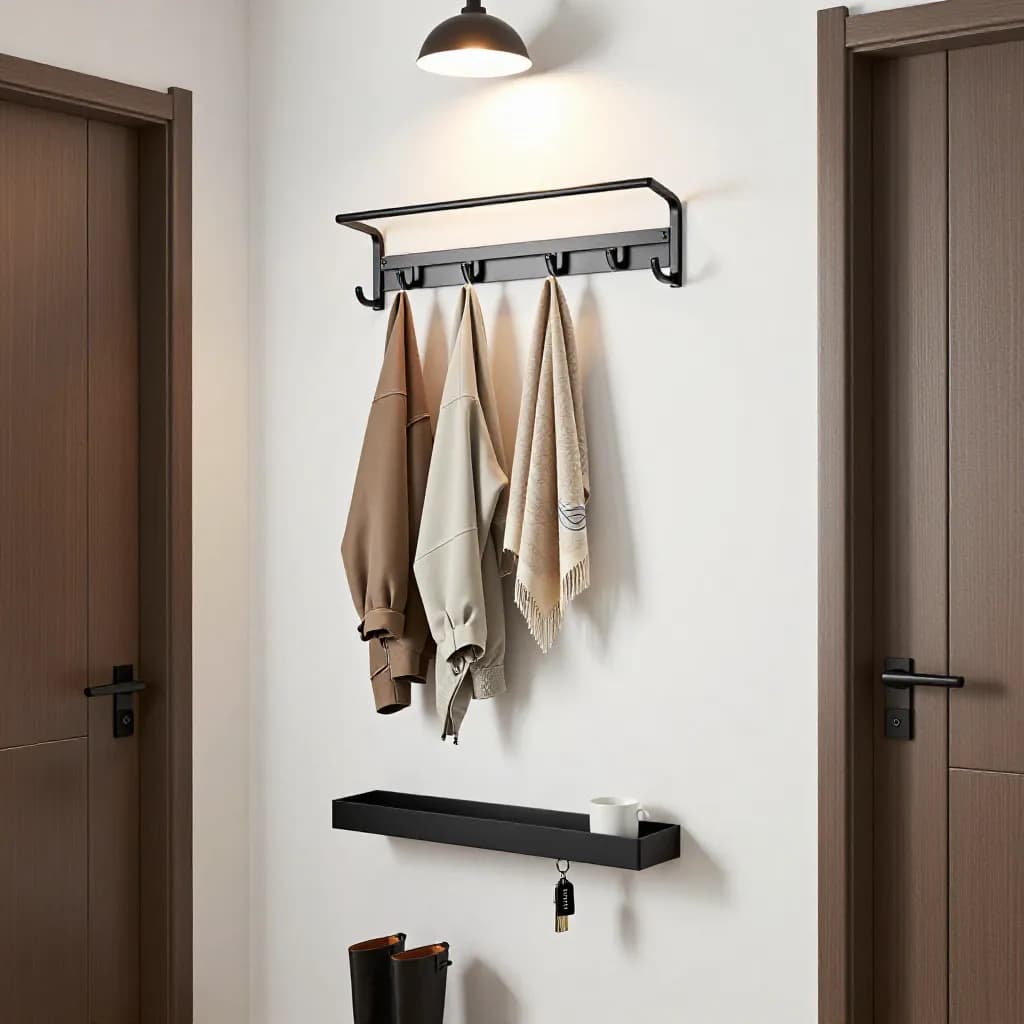
Powder coating transforms basic coat hooks and racks into design elements that contribute to the entryway's aesthetic rather than detracting from it. The process delivers a smooth, consistent finish in any color or texture, turning simple steel or aluminum hooks into hardware that looks intentional and considered. Whether the design calls for industrial minimalism, rustic warmth, or colorful playfulness, powder coating provides the finish to match.
Ready to Start Your Project?
From one-off customs to 15,000-part production runs — get precise pricing in 24 hours.
On This Page
First Impressions Start at the Entryway
The functional benefits are equally important. Entryway hardware bears weight — heavy winter coats, loaded backpacks, wet umbrellas — and endures constant handling. Powder coating's chip resistance and durability ensure the hardware maintains its appearance through years of daily use, even in high-traffic commercial settings where dozens of people use the same hooks every day.
Hook Styles and Coating Considerations
Coat hooks come in an enormous variety of styles, from simple J-hooks and double prongs to decorative cast designs and modern minimalist pegs. Each style presents slightly different coating considerations, though all benefit from powder coating's durability and color range.
Simple wire and rod hooks — bent from steel rod or tube — are the easiest to coat. Their smooth, continuous surfaces accept powder evenly, and their open geometry avoids the Faraday cage issues that can affect more complex shapes. These hooks are popular in modern and industrial design schemes, where clean lines and simple forms are valued.
Cast hooks with decorative details — scrollwork, animal shapes, vintage reproductions — present more coating challenges. The intricate surface details can trap powder in recesses and leave thin spots on raised areas. Skilled coaters adjust their technique for cast parts, using lower gun settings and multiple angles to achieve even coverage across the varied surface topography.
Wooden peg-style hooks with metal mounting plates combine materials that require different finishing approaches. The metal plate is powder coated, while the wooden peg is finished separately with stain, paint, or clear coat. The two components are assembled after their respective finishes are complete, creating a mixed-material hook that combines the warmth of wood with the durability of powder-coated metal.
For wall-mounted coat racks — horizontal bars or boards with multiple hooks — the entire assembly can be powder coated as a unit if it is all metal. This creates a seamless, unified appearance with no visible joints or color variations between the rack body and the individual hooks.
Commercial and High-Traffic Applications
Commercial coat hook installations face demands that far exceed residential use. Schools, offices, restaurants, gyms, and public buildings see hundreds of interactions daily with their coat hardware. The finish must withstand not just the weight of garments but the rough handling, accidental impacts, and cleaning regimens that come with public use.
Powder coating is the standard finish for commercial coat hardware for good reason. Its hardness resists the scratches and scuffs from zippers, buckles, and bag hardware that constantly contact the hooks. Its adhesion prevents the peeling and flaking that would create an unkempt appearance in a professional setting. And its chemical resistance withstands the cleaning products used in commercial maintenance without dulling or discoloring.
In school environments, coat hooks need to be particularly robust. Children are not gentle with hardware, and hooks in school cloakrooms endure pulling, swinging, and impact from heavy backpacks. Powder-coated steel hooks provide the strength and finish durability needed for this demanding application. Color-coded hooks — each student assigned a specific color — add an organizational element that powder coating makes easy to implement.
Healthcare and food service environments add hygiene requirements to the durability demands. Powder coating's smooth, non-porous surface does not harbor bacteria and can be cleaned with standard disinfectants without finish degradation. This makes powder-coated hooks suitable for environments where cleanliness standards are strictly enforced.
Custom Designs and Artistic Hooks
The maker movement has brought a wave of creative coat hook designs to market. Blacksmiths, metal artists, and fabricators produce hooks in shapes ranging from geometric abstractions to animal silhouettes to industrial pipe fittings. Powder coating is the finishing step that turns these creative metalwork pieces into polished, retail-ready products.
For makers selling custom hooks at craft fairs, online marketplaces, or through boutique retailers, the powder coat finish is a significant value differentiator. A hand-forged hook with a professional powder coat finish commands a higher perceived value than the same hook with a spray paint finish. The investment in professional coating pays for itself through higher selling prices and stronger customer satisfaction.
Custom color options allow makers to offer variety within a single hook design. The same hook shape can be offered in matte black, oil-rubbed bronze, bright red, and forest green, multiplying the product line without additional fabrication work. Seasonal color releases — pastels for spring, warm tones for autumn — keep the product line fresh and give repeat customers reasons to buy again.
Collaborations between metal artists and interior designers produce bespoke hook designs for specific projects. A designer might commission hooks in a custom shape and color for a restaurant renovation or a residential project, with powder coating ensuring the finish matches the design specification exactly. These one-off or small-batch custom pieces represent the high end of the coat hook market, where powder coating's precision and versatility are essential.
Installation and Weight Capacity
Proper installation is critical for coat hooks and racks, and the powder coating process should be planned with installation in mind. Mounting holes should be drilled before coating, and the holes should be masked during the coating process to ensure clean screw engagement. Attempting to drill through cured powder coat can cause chipping around the hole edges, creating an unsightly and potentially corrosion-prone defect.
Weight capacity depends on the hook design, material, and mounting method — not on the coating. Powder coating adds negligible weight and does not affect the structural strength of the hook or its mounting hardware. A properly mounted powder-coated hook supports the same load as an uncoated one. The critical factor is the wall anchor or fastener, which must be appropriate for the wall material and the expected load.
For heavy-duty applications — supporting multiple heavy coats, loaded backpacks, or equipment — use hooks rated for the expected load and mount them into wall studs or use appropriate heavy-duty anchors. The powder coating at the mounting point should not be the weak link; if the fastener is properly sized and the wall anchor is adequate, the coated hook will perform reliably.
Spacing between hooks affects both functionality and appearance. Hooks spaced too closely make it difficult to hang and retrieve items without disturbing adjacent garments. A spacing of 15 to 20 centimeters between hooks provides adequate room for coats and bags while maintaining a clean, organized appearance. For children's installations, lower mounting heights and slightly wider spacing accommodate smaller users and bulkier items like backpacks.
Maintaining Coat Hooks and Racks
Powder-coated coat hooks require minimal maintenance to maintain their appearance. Regular dusting with a soft cloth keeps the finish clean, and occasional wiping with a damp cloth removes fingerprints and smudges. In commercial settings, hooks can be cleaned with standard cleaning products as part of routine maintenance without concern for finish damage.
The most common wear point on coat hooks is the tip or curve where garments hang. The constant friction of fabric, zippers, and hangers against this contact point gradually polishes the coating, creating a subtle sheen difference between the contact area and the rest of the hook. This wear is cosmetic and does not compromise the coating's protective function.
For hooks in wet environments — pool areas, locker rooms, covered outdoor entries — periodic inspection for coating damage is worthwhile. Any chips or scratches that expose bare metal should be touched up promptly to prevent corrosion from starting. A small bottle of matching touch-up paint provides adequate protection for minor damage between professional recoating cycles.
If a set of hooks has become significantly worn or the color no longer suits the space, the hooks can be removed, stripped, and recoated in a new color. This refresh capability is one of powder coating's practical advantages — rather than replacing functional hardware because the finish is tired, you simply refinish it. The hooks get a second life in a new color, and the environmental impact of manufacturing replacement hardware is avoided.
Frequently Asked Questions
How much weight can powder-coated coat hooks support?
Weight capacity depends on the hook design, material, and mounting method, not the coating. Powder coating adds negligible weight and does not reduce structural strength. A properly mounted powder-coated hook supports the same load as an uncoated one. The wall anchor and fastener are the critical factors.
What powder coating finish is best for entryway coat hooks?
Matte black and satin finishes are the most popular for their versatility and ability to hide fingerprints. Textured finishes add visual interest and are practical for high-traffic areas. The best choice depends on the entryway's design style and the level of daily use the hooks will see.
Can powder-coated hooks be used in commercial settings?
Yes. Powder coating is the standard finish for commercial coat hardware due to its hardness, chip resistance, and ability to withstand cleaning chemicals. It performs well in schools, offices, restaurants, healthcare facilities, and other high-traffic environments.
Can existing coat hooks be recoated in a new color?
Yes. Metal coat hooks can be removed, stripped of their existing finish, and recoated in any new color or texture. This is an economical and sustainable alternative to replacing functional hardware when the finish is worn or the design scheme has changed.
Should mounting holes be drilled before or after powder coating?
Always before. Drilling through cured powder coat can cause chipping around the hole edges. Drill all mounting holes before coating, mask them during the coating process, and install fasteners after the finish is cured.
Ready to Start Your Project?
From one-off customs to 15,000-part production runs — get precise pricing in 24 hours.