Camping stoves live a hard life. They are packed into vehicles, bounced down trails in backpacks, set up on uneven ground, exposed to wind and rain, subjected to intense heat during cooking, and then packed away again — often while still warm and covered in food residue. The finish on these stoves needs to survive all of this while adding minimal weight and maintaining a clean appearance.
Consumer
Powder Coating for Camping Stove Parts: Lightweight, Heat-Resistant Outdoor Finishes
Sundial Powder Coating·April 23, 2026·8 min
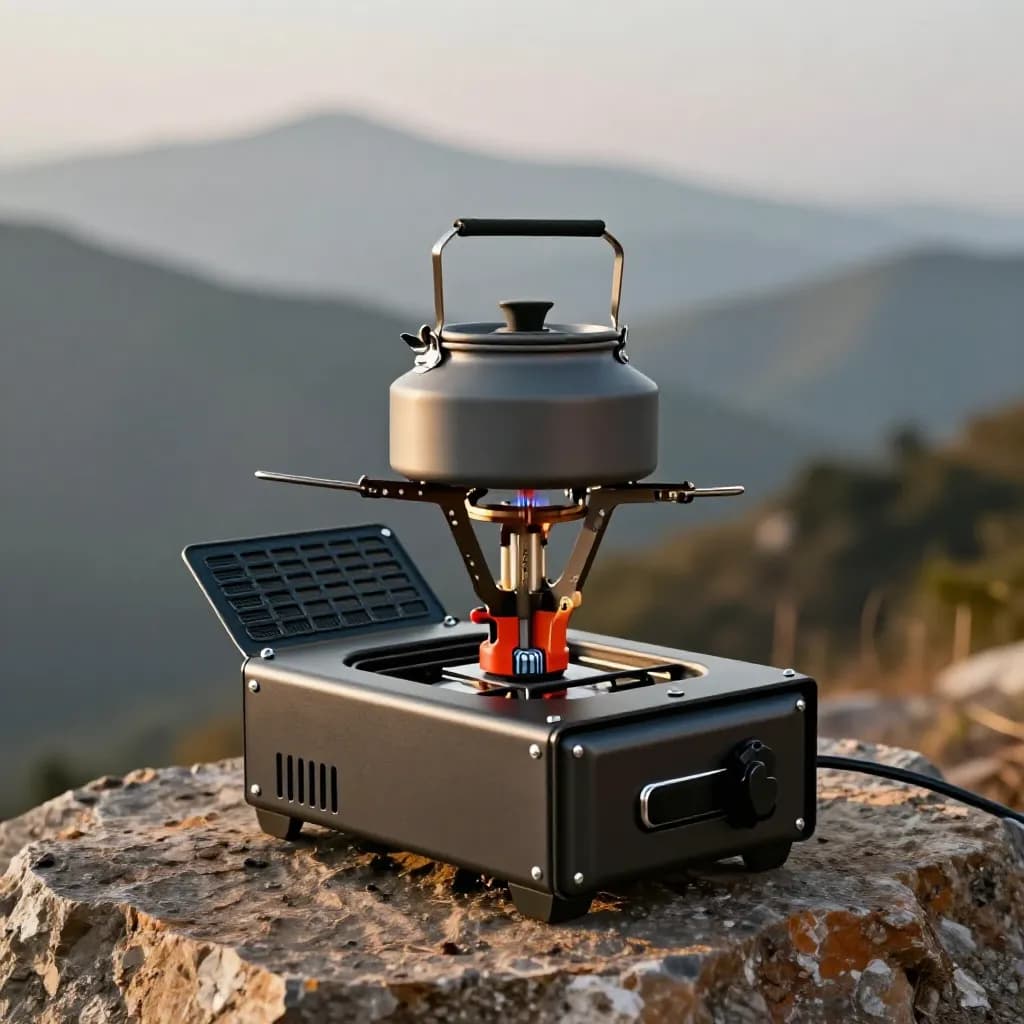
Most factory camping stoves come with some form of painted or coated finish, but these coatings often degrade quickly with regular use. Heat discoloration around burners, chipping from transport and handling, and rust formation in humid storage conditions are common complaints among frequent campers. Powder coating offers a significant upgrade in durability for stove components that see regular abuse.
Ready to Start Your Project?
From one-off customs to 15,000-part production runs — get precise pricing in 24 hours.
On This Page
Why Camping Stove Parts Benefit from Powder Coating
For custom stove builders and those who restore vintage camping stoves, powder coating provides a professional-grade finish that matches or exceeds factory quality. The process is particularly well suited to the steel and aluminum components that make up most camping stove construction, delivering consistent coverage on complex shapes with excellent adhesion and heat resistance.
Heat Zones and Coating Selection
A camping stove has distinct thermal zones that require different coating approaches. The burner area and immediate surroundings experience the highest temperatures — often 300 degrees Celsius or more on the surface during cooking. The body panels, legs, and structural frame see moderate heat from conduction and radiation. Wind screens, carrying cases, and accessories may experience only ambient temperatures.
For the high-heat zone around burners, high-temperature powder coatings rated for 400 to 600 degrees Celsius are necessary. These silicone-based formulations withstand direct flame proximity and repeated thermal cycling without degradation. The color options are limited — primarily black, silver, and dark grey — but these colors are practical for the areas that accumulate the most soot and cooking residue.
The stove body and structural components can often use standard high-temperature powders rated for 200 to 300 degrees Celsius, which offer a wider color selection while still handling the moderate heat these areas experience. For components that never see significant heat — like carrying handles, latches, and storage cases — standard outdoor-grade polyester powders provide the best combination of color options, UV resistance, and durability.
Mapping these thermal zones before sending parts to a coater ensures each component gets the right coating for its operating conditions. Over-specifying high-temp coatings on parts that do not need them limits your color options unnecessarily, while under-specifying leads to premature coating failure.
Lightweight Considerations for Backpacking Gear
Weight matters in camping gear, especially for backpackers who count every gram. Powder coating adds a thin film — typically 50 to 80 microns — that translates to a modest weight increase on small stove components. For a compact backpacking stove, the total weight addition from powder coating all metal parts might be 10 to 20 grams, which is negligible even for ultralight enthusiasts.
Compared to alternative finishing methods, powder coating is competitive on weight. Multiple coats of spray paint can add similar or greater weight with far less durability. Anodizing is lighter but limited to aluminum and offers less color variety. Ceramic coatings can be thinner but are significantly more complex to apply and repair.
For weight-conscious builders, thinner powder applications in the 30 to 50 micron range can reduce the weight addition while still providing adequate coverage and protection. This thinner application requires a skilled coater who can maintain uniform coverage at reduced film thickness, but the results are excellent for small, precision components like stove parts.
Aluminum stove components are particularly well suited to powder coating when weight is a concern. Aluminum is already chosen for its light weight, and powder coating adds corrosion protection and color without the weight penalty of heavier finishing methods. The combination of aluminum substrate and thin powder coat produces some of the lightest durable finished components possible.
Durability for Transport and Field Use
The mechanical durability of powder coating is one of its strongest advantages for camping gear. Stove parts are constantly being assembled, disassembled, packed, and unpacked. They rub against other gear in a pack, get set down on rocks and gravel, and endure the general rough handling that comes with outdoor use. A finish that chips or scratches easily will look terrible after just a few trips.
Powder coating's thermoset film is significantly harder and more chip-resistant than spray paint or brush-on enamel. It resists the abrasion of being packed alongside other metal objects and withstands the impact of being set down on hard surfaces. For stove legs and base plates that contact rough ground, this durability prevents the bare-metal exposure that leads to rust.
The flexibility of powder coating also helps with transport durability. Unlike brittle coatings that crack when the substrate flexes slightly, powder coating can accommodate minor deformation without losing adhesion. This is relevant for thin-gauge stove panels and wind screens that may flex during packing or when subjected to wind loads during use.
For stoves that nest or fold for compact storage, the coating on mating surfaces needs to withstand repeated sliding contact. Textured powder finishes perform well in this application because the raised texture reduces the contact area between sliding surfaces, minimizing wear. A smooth gloss finish on nesting parts would show wear marks quickly, while a textured finish maintains its appearance through many packing cycles.
Restoring Vintage Camping Stoves
Vintage camping stoves — Coleman two-burners, Optimus backpacking stoves, Primus classics, and similar collectible models — have a dedicated following among outdoor enthusiasts and collectors. Many of these stoves are decades old with original finishes that have deteriorated through years of use and storage. Powder coating offers a way to restore these pieces to like-new condition while preserving their functionality.
The restoration process begins with complete disassembly. Every valve, fitting, burner assembly, and hardware piece is removed, leaving only the bare metal shell and structural components for coating. This disassembly also provides an opportunity to inspect and replace worn gaskets, seals, and O-rings that may have degraded over the years.
Color matching is important for collectors who want an authentic restoration. Many vintage stoves were finished in specific shades of green, red, or silver that defined their era and brand identity. Powder coaters can match these original colors from reference samples or color codes, producing a finish that looks factory-fresh while providing modern durability. For collectors who prefer a period-correct appearance, matte or satin finishes replicate the look of original factory paint better than high-gloss alternatives.
Functional restoration goes hand in hand with cosmetic restoration. While the stove is disassembled for coating, fuel lines can be cleaned, valves rebuilt, and burner assemblies serviced. The result is a stove that not only looks new but performs like new — a fully functional piece of outdoor heritage that can be used and enjoyed rather than just displayed.
Food Contact and Safety Considerations
Camping stoves support cooking surfaces and are in close proximity to food preparation. While the stove body itself typically does not contact food directly, pot supports, grill grates, and griddle plates that sit on the stove may need food-safe coatings if they are to be powder coated.
For pot supports and trivets that contact the bottom of cookware but not food itself, standard high-temperature coatings are generally appropriate. These parts support pots and pans rather than contacting food directly, so food-safe certification of the coating is not strictly necessary. However, using food-safe formulations on these parts provides an extra margin of safety and is good practice.
Griddle plates and grill grates that contact food directly require food-safe high-temperature coatings if they are to be powder coated at all. Many stove builders and restorers choose to leave these surfaces uncoated, relying instead on seasoning with cooking oil — the same approach used for cast iron cookware. This avoids any food safety questions and provides a natural non-stick surface that improves with use.
Wind screens, fuel canisters, and external stove components have no food contact concerns and can be coated with any appropriate powder formulation. These parts benefit most from standard outdoor-grade coatings that offer the widest color selection and best UV resistance for the non-heat-exposed surfaces of the stove assembly.
Working with a Coater on Stove Projects
Camping stove parts are small, numerous, and often have complex geometries — characteristics that require a coater comfortable with detailed, precision work. Look for shops experienced with small custom jobs, firearms, or similar small-component work. These shops have the fixturing, technique, and patience needed for stove-sized parts.
When delivering parts, organize them by thermal zone and desired finish. Group high-heat parts together with a note specifying the temperature rating needed. Group moderate-heat and ambient-temperature parts separately with their respective color and finish specifications. This organization helps the coater plan their work efficiently and reduces the risk of applying the wrong coating to a part.
Provide clear masking instructions for any surfaces that must remain uncoated. Threaded fittings, valve seats, gasket surfaces, and mating surfaces where parts assemble together should be masked to maintain proper fit and function. If possible, mark these areas on the parts themselves with tape and include a written list for reference.
For vintage stove restorations, bring reference photos or the original parts as color samples. The more information you provide about the desired final appearance, the better the coater can match your expectations. If you are restoring a stove to original specifications, research the factory color and finish before approaching the coater so you can provide a clear target.
Frequently Asked Questions
Does powder coating add significant weight to camping stove parts?
No. The total weight addition for a complete compact stove is typically 10 to 20 grams, which is negligible even for weight-conscious backpackers. Thinner applications can reduce this further while still providing adequate protection.
Can powder coating handle the heat from a camping stove burner?
Yes, with the right formulation. High-temperature powder coatings rated for 400 to 600 degrees Celsius are designed for direct flame proximity. Standard powders are not suitable for burner areas but work well on stove body panels and accessories that see lower temperatures.
Is it worth powder coating a vintage camping stove?
For collectors and enthusiasts, absolutely. Powder coating restores the appearance to like-new condition while providing modern durability. Colors can be matched to original factory specifications for an authentic restoration that is both functional and visually accurate.
Can camping stove pot supports be powder coated?
Yes. Pot supports benefit from high-temperature powder coating that resists heat and protects against rust. Since they contact cookware rather than food directly, standard high-temp formulations are appropriate, though food-safe options are available for extra assurance.
How should I prepare camping stove parts for powder coating?
Fully disassemble the stove and remove all non-metal components. Clean parts thoroughly to remove grease, carbon, and old coatings. Organize parts by thermal zone and label any areas that need masking, such as threaded fittings and gasket surfaces.
Ready to Start Your Project?
From one-off customs to 15,000-part production runs — get precise pricing in 24 hours.