The bicycle frame is the canvas of the bike — it defines the machine's visual identity and protects the structural material beneath from corrosion and damage. For steel, aluminum, and titanium frames, the choice of finish affects not only appearance but also long-term durability, weight, and the ability to personalize the bike to the rider's taste. Powder coating has become the preferred finishing method for custom frame builders, restoration specialists, and riders seeking a unique look that factory paint cannot provide.
Consumer
Powder Coating for Bicycle Frames: Preparation, Decals, Clear Coat, Weight, and Custom Builds
Sundial Powder Coating·April 22, 2026·13 min
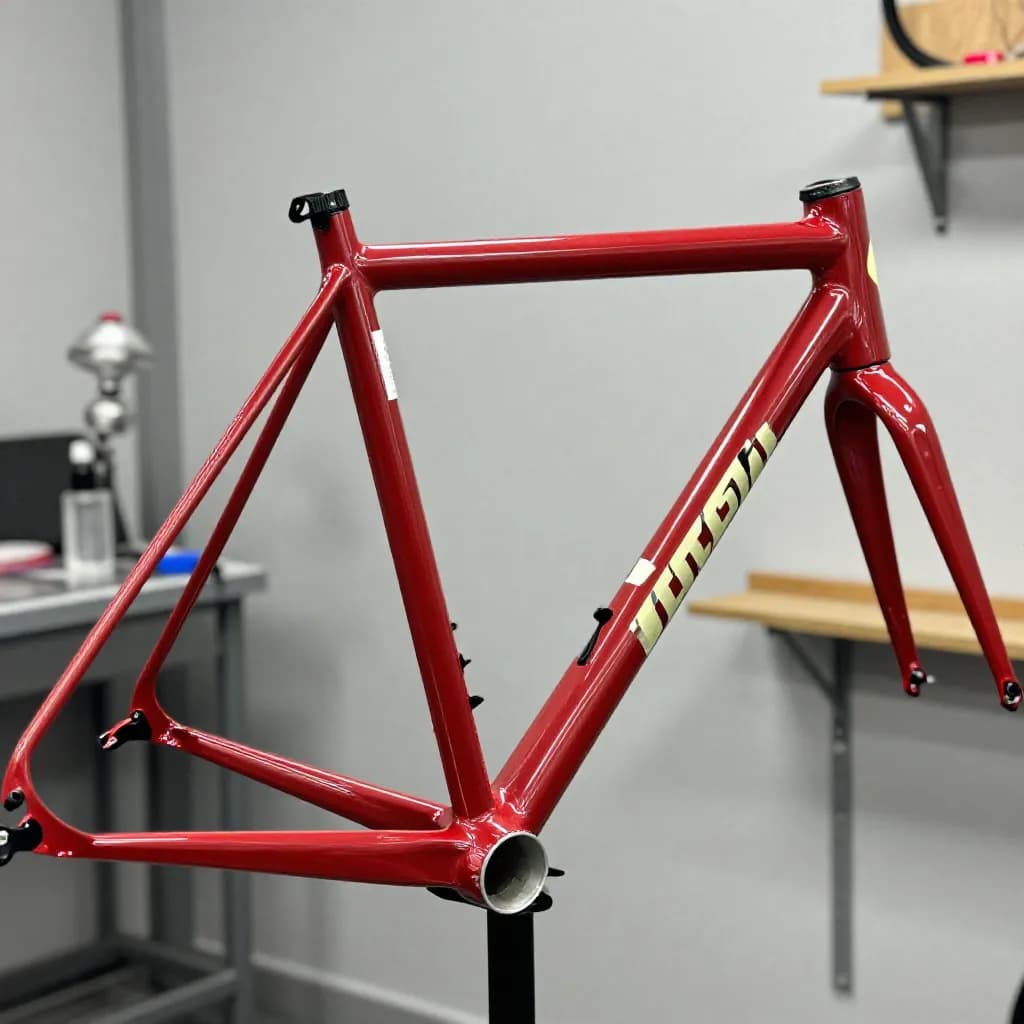
The bicycle industry's relationship with powder coating is nuanced. Major manufacturers typically use liquid paint or electrophoretic coating (e-coat) on their production frames because these processes integrate more easily into high-volume assembly lines and allow for complex multi-color graphics. But in the custom, boutique, and restoration segments of the market — where individual frames are finished one at a time and personalization is the point — powder coating dominates because of its durability, color range, and the quality of finish achievable on individual pieces.
Ready to Start Your Project?
From one-off customs to 15,000-part production runs — get precise pricing in 24 hours.
On This Page
Powder Coating and the Bicycle World
For riders, the appeal of powder coating a bicycle frame is both practical and emotional. Practically, a powder coated frame resists chips, scratches, and corrosion better than most factory paint jobs, extending the frame's useful life. Emotionally, choosing a custom color — from a subtle vintage cream to a bold metallic blue to a wild candy coat — transforms a generic frame into a personal statement. The process of selecting colors, specifying finishes, and receiving the freshly coated frame is part of the custom bike building experience that riders value deeply.
Frame Preparation: Steel, Aluminum, and Titanium
Proper frame preparation is essential for a durable, attractive powder coat finish, and the preparation requirements differ by frame material.
Steel frames — the most common material for custom and vintage bicycles — require thorough rust removal and surface preparation. Old paint is stripped by chemical immersion, media blasting, or a combination. After stripping, the bare steel is inspected for rust pitting, tube damage, and braze joint integrity. Any rust must be completely removed — blasting with fine aluminum oxide or glass bead media is effective. After blasting, the frame should be pretreated with iron phosphate or zinc phosphate conversion coating for maximum adhesion and corrosion protection. Steel frames are the most straightforward to powder coat because steel is magnetically conductive, providing excellent electrostatic attraction for the powder.
Aluminum frames require different handling. Aluminum does not rust, but it does corrode (white oxidation), and it is softer than steel, making it more susceptible to surface damage during preparation. Blasting should use gentler media — glass bead or plastic media — to avoid excessive surface roughening. Chemical pretreatment with a chrome-free conversion coating (zirconium or titanium-based) provides excellent adhesion on aluminum. Cast or hydroformed aluminum frames may require a degassing bake to prevent outgassing pinholes, similar to aluminum wheels.
Titanium frames present unique challenges. Titanium is chemically inert and forms a tenacious oxide layer that resists adhesion of coatings. Successful powder coating of titanium requires aggressive surface preparation — typically grit blasting with aluminum oxide to create mechanical tooth — followed by a specialized primer designed for titanium adhesion. Some titanium frame owners choose to leave the frame uncoated, allowing the natural titanium surface to show, with powder coating applied only to selected areas for color accents.
Decal and Graphics Integration
Decals and graphics are an integral part of bicycle frame identity — the brand logo, model name, and decorative elements that distinguish one frame from another. Integrating decals into a powder coated finish requires planning and the right technique to achieve a professional result that is both visually seamless and durable.
The most common approach is the decal-under-clear method. The base color coat is applied and cured first. Decals — typically vinyl or waterslide transfer decals — are then applied to the cured base coat surface. Finally, a clear powder topcoat is applied over the decals and cured, encapsulating the decals within the coating system. This produces a smooth, flush finish where the decals are protected beneath the clear coat and cannot be peeled, scratched, or faded by UV exposure.
The critical consideration with this method is the cure temperature of the clear coat relative to the heat tolerance of the decals. Standard powder coating cure temperatures (180 to 200°C) will destroy most vinyl decals. The solution is to use either heat-resistant decals specifically designed for powder coating applications (available from specialty decal suppliers) or to use a low-temperature cure clear coat that cures at 140 to 160°C — below the degradation temperature of standard vinyl decals.
An alternative approach is to apply decals over the finished clear coat. This is simpler — no temperature compatibility concerns — but the decals sit on top of the coating surface rather than being encapsulated within it. They are more vulnerable to peeling, scratching, and UV fading. High-quality vinyl decals with UV-resistant laminate can last several years in this configuration, but they will not match the longevity of under-clear decals.
For the highest quality results, some custom builders use a masking-and-paint technique where the decal areas are masked on the base coat, a second color is applied for the graphics, and the clear coat covers everything. This produces true painted graphics rather than applied decals, with perfect integration into the coating system.
Clear Coat Protection and Finish Options
A clear topcoat is strongly recommended for bicycle frames, regardless of the base coat color or finish. The clear coat serves as a sacrificial protective layer that absorbs the daily wear and tear of riding — cable rub, lock scratches, rack contact, transport damage — before the color coat is affected. It also provides UV protection for the base coat pigments and adds depth and gloss to the finish.
Clear coat options for bicycle frames include standard polyester clear (good all-around protection and UV resistance), acrylic clear (superior optical clarity and depth, popular for metallic and candy finishes), and polyester-urethane clear (enhanced scratch resistance and chemical resistance for demanding use). The clear coat is typically applied at 40 to 60 microns over the cured base coat, adding minimal weight while significantly extending the life of the finish.
Finish options for bicycle frames span the full range of powder coating possibilities. Gloss finishes are the traditional choice, providing a deep, reflective surface that showcases the frame's lines and color. Satin finishes offer a modern, understated look that is increasingly popular with custom builders and gravel/adventure bike riders. Matte finishes create a stealthy, contemporary aesthetic but show fingerprints and scuffs more readily than gloss or satin. Textured finishes — fine sand or leather texture — add a unique tactile quality and hide minor surface imperfections.
Metallic finishes are popular for custom builds, adding sparkle and depth that solid colors cannot match. Candy coat finishes over metallic bases produce stunning, jewel-like frames that are true show pieces. For riders who want maximum visual impact, color-shift or chameleon finishes create frames that change color with viewing angle — guaranteed conversation starters at any group ride.
Weight Considerations for Performance Riders
Weight is a sensitive topic in the cycling world, and some riders worry that powder coating adds unacceptable weight to their frame. The reality is more nuanced than the weight-obsessed cycling forums might suggest.
A standard powder coating at 60 to 80 microns thickness adds approximately 80 to 150 grams to a typical bicycle frame, depending on the frame size and tube surface area. A two-coat system (base plus clear) at a combined thickness of 100 to 140 microns adds approximately 120 to 220 grams. For context, this is roughly the weight of a water bottle cage, a pair of handlebar end plugs, or the difference between two tire models. For the vast majority of riders — including serious recreational riders and amateur racers — this weight is insignificant relative to the total system weight of rider plus bike plus equipment.
For professional racers and weight-obsessed enthusiasts, the weight of the coating is a legitimate consideration, but it should be evaluated in context. A powder coated frame is typically 50 to 100 grams heavier than the same frame with a thin liquid paint job, but the powder coating is significantly more durable and chip-resistant. The weight penalty buys real-world protection that keeps the frame looking good and structurally sound for years longer than a thin paint job that chips at the first cable rub.
For riders who want to minimize coating weight, several strategies help. Specify the minimum film thickness that provides adequate protection — 50 to 60 microns for the base coat rather than the standard 60 to 80 microns. Use a single-coat system (color only, no clear) for frames that will be used in controlled environments. Choose a coater who can apply thin, uniform films consistently — this requires skill and good equipment. And remember that the weight saved by skimping on coating thickness is meaningless if the frame corrodes or the finish deteriorates prematurely.
Custom Builds: Working with Frame Builders and Coaters
The custom bicycle frame building community has a well-established workflow for integrating powder coating into the frame building process. Understanding this workflow helps riders navigate the custom build experience and communicate effectively with both their frame builder and their coater.
The typical sequence is: frame builder completes the frame in bare metal, rider selects the color and finish specification, frame is sent to the powder coater, coater prepares and coats the frame, coated frame is returned to the frame builder (or directly to the rider) for assembly. Some frame builders have in-house coating capability, simplifying the process. Others work with preferred coating partners who understand the specific requirements of bicycle frames.
Color selection is one of the most enjoyable parts of the custom build process. Most coaters offer the full RAL color range as a starting point, plus custom color matching to any reference sample. Bring physical samples — a paint chip, a fabric swatch, a photo printed on paper — rather than relying on digital images, which vary dramatically between screens. Request sprayed sample panels in your chosen color and finish before committing to the frame coating. Evaluate the samples in natural daylight, as artificial lighting can make colors look different.
Communicate clearly about masking requirements. The frame builder should provide the coater with specific instructions about which areas must remain uncoated — bottom bracket shell threads, head tube bearing races, seat tube interior, dropout faces, cable stop interiors, and any other mating surfaces. A detailed masking specification prevents the frustrating situation of receiving a beautifully coated frame that cannot be assembled because critical surfaces are covered in powder.
Discuss the decal plan with both the frame builder and the coater. If decals will be applied under the clear coat, the coater needs the decals in hand before the clear coat application. If the frame builder provides the decals, coordinate the timing so the decals arrive at the coater when the base coat is ready. Allow adequate lead time — custom powder coating for bicycle frames typically takes 2 to 4 weeks, and rushing the process compromises quality.
Maintenance and Long-Term Care
A powder coated bicycle frame is a low-maintenance finish, but a few simple practices keep it looking its best for years of riding.
Regular cleaning is the foundation of frame care. After wet or muddy rides, rinse the frame with clean water to remove road grime, salt, and debris. For thorough cleaning, use a mild bike wash or dish soap with a soft sponge, rinse, and dry with a clean cloth. Avoid pressure washers aimed directly at the frame — the high-pressure stream can force water into bearing seals and cable housings, and at close range it can damage the coating surface.
Protect high-wear areas proactively. Apply clear frame protection tape (available from cycling accessory brands) to areas prone to cable rub, chain slap, and lock contact. These adhesive-backed films are nearly invisible and provide a sacrificial barrier that absorbs wear before the coating is affected. Replace the tape when it shows significant wear.
Address chips and scratches promptly. Small chips that expose bare metal — particularly on steel frames — should be touched up with color-matched touch-up paint or clear nail polish to seal the exposed metal and prevent rust from starting. Left untreated, a small chip on a steel frame can develop into a rust spot that spreads under the coating, causing much larger damage over time.
For long-term storage, store the bike in a dry environment away from direct sunlight. UV exposure during storage accelerates coating degradation without the benefit of actually riding the bike. If the bike will be stored for an extended period, a light coat of frame polish or wax provides additional UV protection.
If the coating eventually shows significant wear — widespread fading, chalking, or numerous chips — the frame can be stripped and recoated, restoring it to like-new condition. This is one of the great advantages of metal bicycle frames over carbon fiber — a steel, aluminum, or titanium frame can be refinished indefinitely, giving it a potentially unlimited cosmetic lifespan.
Frequently Asked Questions
How much weight does powder coating add to a bicycle frame?
A standard single-coat powder coating adds approximately 80-150 grams to a typical bicycle frame. A two-coat system (base plus clear) adds 120-220 grams. This is roughly equivalent to the weight of a water bottle cage and is insignificant for most riders. The durability benefit far outweighs the minimal weight penalty.
Can decals be applied under powder coating?
Yes, using the decal-under-clear method. The base color is applied and cured, decals are placed on the cured surface, then a clear topcoat is applied over the decals. Use heat-resistant decals designed for powder coating or a low-temperature cure clear coat (140-160°C) to prevent decal damage during curing.
Should I get a clear coat on my powder coated bike frame?
Yes, a clear topcoat is strongly recommended. It provides a sacrificial protective layer against cable rub, scratches, and UV damage, significantly extending the life of the color coat. The clear coat adds only 40-60 microns and minimal weight while providing substantial protection.
Can a carbon fiber bicycle frame be powder coated?
No. Carbon fiber frames cannot withstand the 180-200°C cure temperatures required for standard powder coating. The epoxy resin in carbon fiber would be damaged or destroyed at these temperatures. Carbon fiber frames are finished with liquid paint or UV-cure coatings that do not require high-temperature curing.
How long does it take to get a bicycle frame powder coated?
Typical turnaround for custom bicycle frame powder coating is 2-4 weeks, including stripping, preparation, coating, and any decal work. Rush services may be available at additional cost. Allow extra time for custom color matching, complex multi-color designs, or decal-under-clear applications.
Ready to Start Your Project?
From one-off customs to 15,000-part production runs — get precise pricing in 24 hours.