Metal furniture has experienced a major resurgence in interior design, and powder coating is the finish that makes it practical, beautiful, and long-lasting. From minimalist steel bed frames and industrial-style shelving to sleek dining tables and accent pieces, metal furniture relies on its finish for both protection and aesthetic appeal. Powder coating delivers on both fronts with a hard, smooth, uniform coating that resists the daily wear and tear of household use.
Consumer
Powder Coating for Bed Frames and Metal Furniture: Durability, Colors, and Indoor Finishing
Sundial Powder Coating·April 22, 2026·8 min
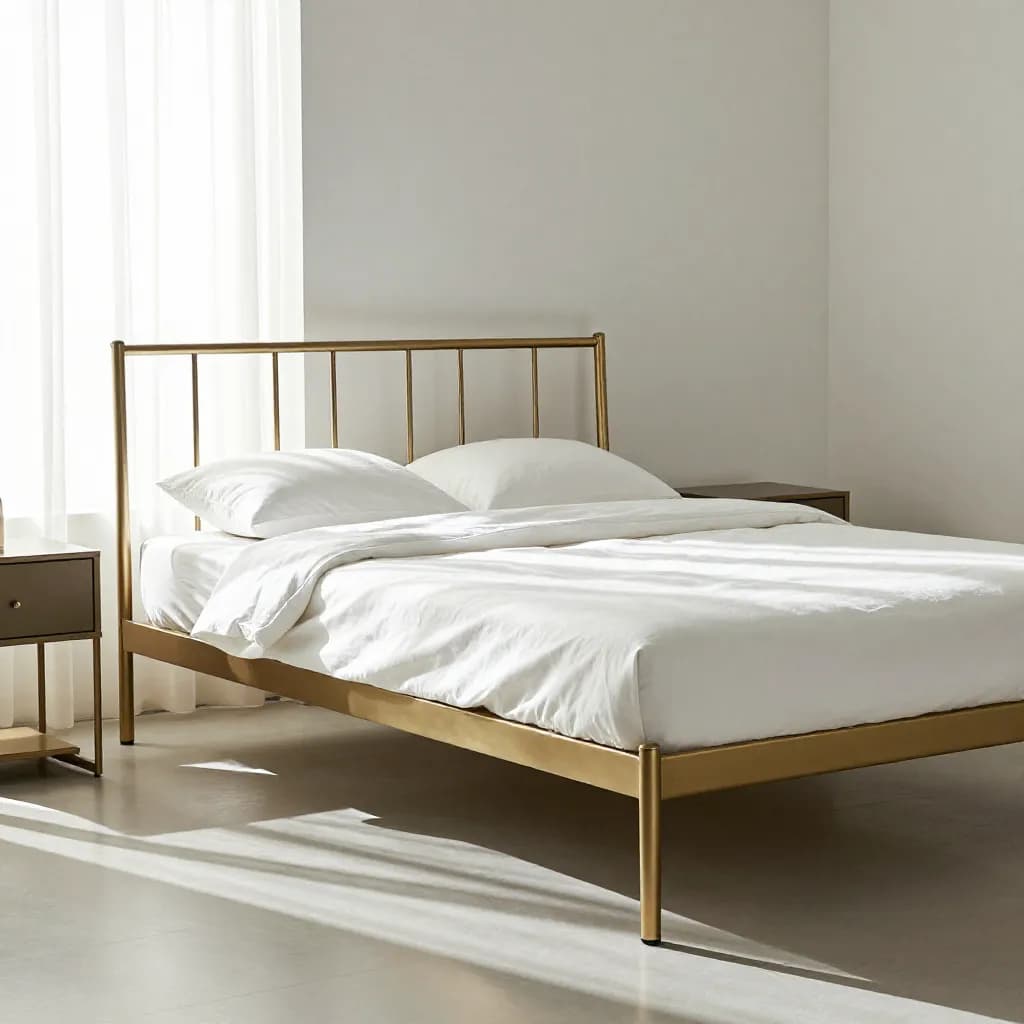
The advantages of powder coating over liquid paint for furniture are substantial. The finish is harder and more scratch-resistant, which matters for pieces that are touched, bumped, and cleaned regularly. There are no drips, runs, or brush marks — the electrostatic application and oven curing produce a flawless surface that looks factory-professional. And because powder coating contains no solvents, there are no lingering chemical odors, making it safe for bedroom and living space furniture from the moment it is installed.
Ready to Start Your Project?
From one-off customs to 15,000-part production runs — get precise pricing in 24 hours.
On This Page
Why Powder Coating Is Perfect for Metal Furniture
For furniture makers and restorers, powder coating streamlines the finishing process. A single coat achieves the color, gloss, and protection that might require multiple coats of liquid paint with sanding between each layer. The cured finish is ready for use immediately after cooling — there is no extended drying time or off-gassing period. This efficiency, combined with the superior durability of the finished product, has made powder coating the standard finish for quality metal furniture.
Metal Bed Frames: From Industrial to Elegant
Metal bed frames are one of the most common furniture items that benefit from powder coating. Steel and iron bed frames range from simple platform designs to ornate headboards with scrollwork and decorative elements, and powder coating handles all of these styles beautifully. The coating follows the contours of the metalwork, providing uniform coverage on flat surfaces, curves, and detailed ornamental features.
For modern platform bed frames with clean lines and minimal ornamentation, a smooth matte or satin finish in black, white, or gray creates the contemporary aesthetic that dominates current bedroom design. The matte finish eliminates glare and fingerprint visibility, maintaining a clean appearance with minimal maintenance. For more traditional or industrial-style frames, textured finishes like fine wrinkle or hammered metal add character and visual depth that complement the design.
Ornate iron bed frames with scrollwork, finials, and decorative castings present more complex coating challenges. The intricate geometry creates areas where electrostatic shielding can cause thin coverage — inside tight curves, at the junction of multiple elements, and in deep recesses. Skilled coaters address this by adjusting gun settings, using manual touch-up passes, and sometimes applying the powder with the electrostatic charge reduced or turned off in difficult areas. The result is complete, uniform coverage that highlights the craftsmanship of the metalwork.
Shelving, Tables, and Storage Furniture
Metal shelving units, tables, desks, and storage furniture are workhorses of the home that need finishes capable of handling daily use. Bookshelves bear the weight of heavy books and decorative objects. Dining tables endure spills, cleaning products, and the friction of plates and utensils. Desks face the constant contact of keyboards, monitors, and office supplies. Powder coating provides the hardness and chemical resistance these applications demand.
For shelving and storage units, the coating must resist scratching from objects being placed on and removed from shelves. A hardness of 2H to 3H on the pencil hardness scale — typical for polyester powder coatings — provides excellent scratch resistance for these applications. The coating also needs to resist the cleaning products used in homes, including multi-surface sprays, glass cleaners, and disinfectants. Polyester and polyester-epoxy hybrid powders resist these common household chemicals without softening, staining, or losing gloss.
Metal dining tables and coffee tables face a unique combination of challenges: heat from hot dishes, moisture from condensation and spills, and chemical exposure from food, beverages, and cleaning products. A quality polyester powder coating handles all of these exposures without damage. For tables that will regularly hold hot items, a thicker coating application provides additional thermal insulation between the hot object and the metal substrate, reducing the risk of heat marks. Using trivets and coasters is still recommended, but the powder coating provides a forgiving safety margin.
Color Trends for Indoor Metal Furniture
Color trends in metal furniture reflect broader interior design movements, and powder coating makes it easy to stay current with the latest palettes. Matte black continues to dominate as the most popular finish for metal furniture, offering a versatile, timeless look that works with virtually any interior style. Its popularity shows no signs of fading, and it remains the safe choice for anyone unsure about color selection.
Warm metallics have emerged as a major trend, with brass-tone, copper, and rose gold powder coatings bringing warmth and sophistication to metal furniture. These metallic finishes pair beautifully with natural materials like wood, leather, and stone, creating the mixed-material aesthetic that defines contemporary interior design. Antique bronze and aged brass effects — achieved through specialty powder formulations or multi-step coating processes — add a vintage character that works in both traditional and eclectic interiors.
Earthy and natural tones are gaining ground as the design world moves toward organic, nature-inspired palettes. Olive green, terracotta, warm gray, and deep navy powder coatings bring color to metal furniture without the boldness of primary colors. These muted, sophisticated tones create a calm, grounded atmosphere and coordinate well with the neutral wall colors and natural textiles that dominate current home design. For those who want a bolder statement, deep jewel tones like emerald, sapphire, and burgundy in matte or satin finishes add drama without overwhelming a room.
Surface Preparation for Furniture Pieces
The preparation process for metal furniture depends on whether the piece is new fabrication or an existing item being refinished. New steel furniture from a fabrication shop typically needs only degreasing and light abrasive blasting to create a clean surface with proper profile for powder adhesion. New welded furniture should have all weld spatter ground off and weld seams smoothed to the desired appearance before coating.
Refinishing existing furniture requires more extensive preparation. Old paint, lacquer, or powder coating must be completely removed, which is typically accomplished through abrasive blasting or chemical stripping. Rust and corrosion must be eliminated down to clean, bright metal. For antique or vintage iron furniture, careful blasting preserves the original casting details and decorative elements while removing decades of accumulated paint layers.
Cast iron furniture — including vintage garden benches, ornate table bases, and decorative stands — requires the same outgassing pre-bake used for other cast components. The porous casting structure traps gases that release during curing and create pinholes in the finish. A pre-bake at curing temperature for 20 to 30 minutes, followed by cooling and re-blasting, eliminates this issue. This extra step is essential for achieving the smooth, defect-free finish that furniture applications demand, where every surface is visible and subject to close inspection.
Indoor Durability and Everyday Performance
Indoor furniture operates in a relatively benign environment compared to outdoor or automotive applications, but the coating still needs to perform well under daily household conditions. The primary threats to indoor furniture finishes are mechanical wear from contact and handling, chemical exposure from cleaning products and spills, and UV exposure from sunlight through windows.
For furniture that sits near windows or in sunlit rooms, UV resistance matters even indoors. Polyester powder coatings provide good UV stability and resist the fading and chalking that can occur with prolonged sun exposure. Epoxy powders, while excellent for adhesion and chemical resistance, will chalk and yellow when exposed to UV light and should be avoided for furniture in sunlit locations. A polyester or polyester-TGIC formulation provides the best all-around performance for indoor furniture.
The hardness and adhesion of powder coating make it exceptionally resistant to the everyday wear that furniture endures. Unlike liquid paint that can chip and peel when bumped or scratched, powder coating's thick, well-bonded film absorbs minor impacts without damage. The coating also resists the softening and staining that can occur when liquid paint contacts alcohol, vinegar, citrus, and other common household substances. This chemical resistance is particularly valuable for dining furniture and kitchen storage where food and beverage contact is frequent.
Care and Maintenance of Powder-Coated Furniture
Maintaining powder-coated furniture is remarkably simple, which is one of the reasons it has become the preferred finish for metal furniture in homes, offices, and hospitality settings. Regular dusting with a soft cloth or duster keeps surfaces clean, and periodic wiping with a damp cloth and mild soap removes fingerprints, smudges, and light soiling. No special cleaners or polishes are required.
For more thorough cleaning, a solution of mild dish soap and warm water applied with a soft cloth or sponge effectively removes accumulated grime. Rinse with clean water and dry with a soft cloth to prevent water spots, particularly on dark or glossy finishes. Avoid abrasive scrubbing pads, steel wool, and harsh chemical cleaners, as these can scratch or dull the coating surface.
Spills should be wiped up promptly, not because the coating is vulnerable to most household liquids, but because prolonged contact with acidic substances like wine, vinegar, or citrus juice can potentially affect the gloss or color of the coating over time. For furniture in high-use areas like dining rooms and kitchens, applying a thin coat of furniture wax once or twice a year adds an extra layer of protection and makes the surface even easier to clean. With this minimal level of care, powder-coated furniture maintains its appearance for decades of daily use.
Frequently Asked Questions
Is powder coating safe for bedroom furniture?
Yes. Powder coating contains no solvents and produces no volatile organic compound emissions. Once cured, the coating is completely inert and odorless, making it safe for bedroom furniture including bed frames, nightstands, and dressers. There is no off-gassing period required before use.
Can powder coating handle hot dishes on a table?
Powder coating resists temperatures up to about 150 degrees Celsius without damage, which handles most hot dishes and cookware. However, extremely hot items like cast iron pans directly from the stove could potentially mark the finish. Using trivets and hot pads is recommended to protect any table finish, including powder coating.
What finish is most popular for metal bed frames?
Matte black is the most popular finish for metal bed frames, offering a versatile, contemporary look that works with most interior styles. Satin black, white, and warm metallics like brass-tone and bronze are also popular choices that reflect current interior design trends.
How does powder coating compare to spray paint for furniture?
Powder coating is significantly more durable than spray paint, with better scratch resistance, chemical resistance, and adhesion. The finish is thicker, more uniform, and free of drips and brush marks. Spray paint may be adequate for decorative pieces with light use, but powder coating is the better choice for furniture that sees daily handling.
Can antique iron furniture be powder coated?
Yes. Antique cast iron furniture can be powder coated after careful stripping of old finishes and a pre-bake to prevent outgassing. The process preserves original casting details while providing durable, long-lasting protection. Choose colors and finishes that complement the piece's vintage character.
Ready to Start Your Project?
From one-off customs to 15,000-part production runs — get precise pricing in 24 hours.