Archery equipment combines precision engineering with personal expression, and powder coating serves both aspects beautifully. Bow risers, stabilizers, arrow rests, sight housings, and various accessories are all metal components that can be powder coated to create a custom, coordinated setup that reflects the archer's personality while providing durable protection against the elements and the rigors of regular use.
Consumer
Powder Coating for Archery Equipment: Bow Risers, Stabilizers, Arrow Rests, and Competition Gear
Sundial Powder Coating·April 22, 2026·8 min
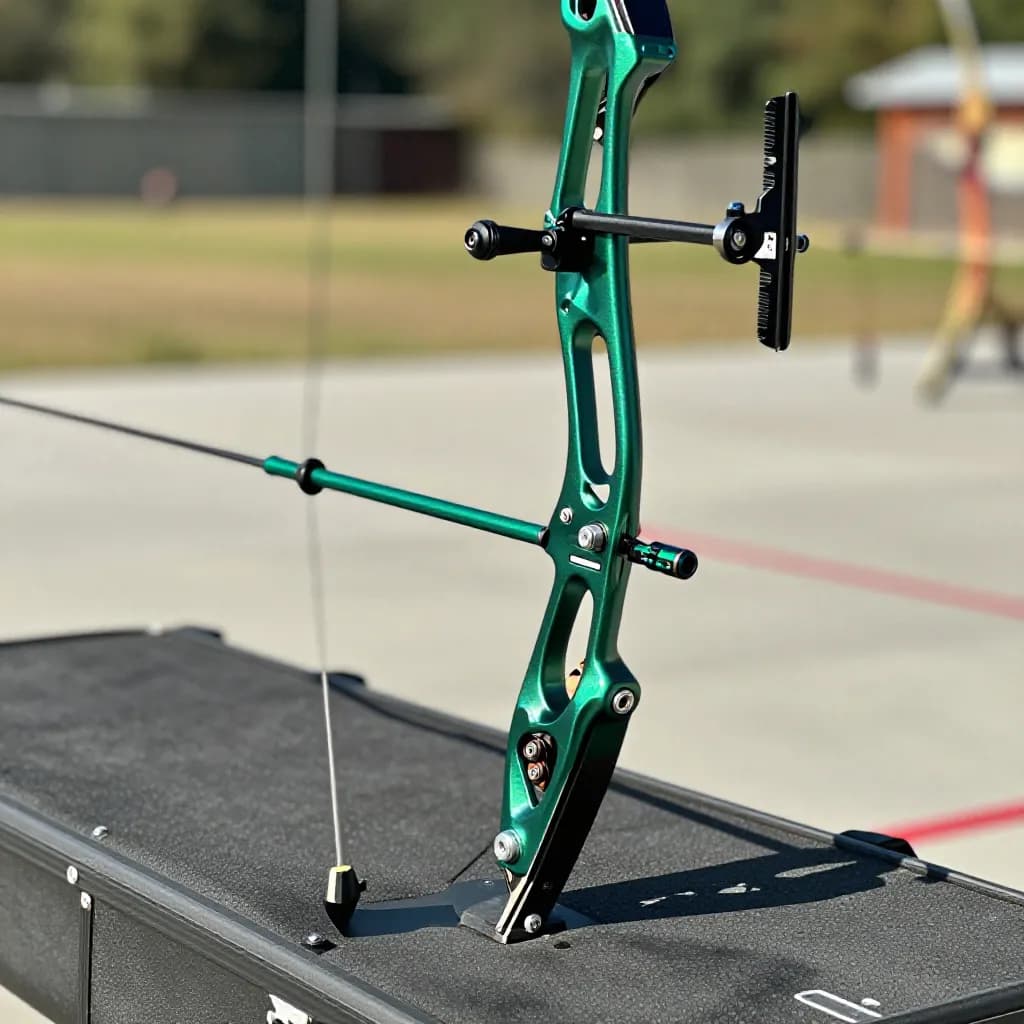
The archery community has embraced powder coating as a way to personalize equipment that is often available only in limited factory color options. A compound bow riser that comes from the manufacturer in black, silver, or camo can be transformed into any color imaginable through powder coating. This customization allows archers to create setups that match their personal style, team colors, or hunting environment.
Ready to Start Your Project?
From one-off customs to 15,000-part production runs — get precise pricing in 24 hours.
On This Page
Powder Coating Meets Precision Archery
Beyond aesthetics, powder coating provides practical benefits for archery equipment. The coating protects aluminum and steel components from corrosion, which is particularly valuable for hunters who use their equipment in rain, snow, and humid conditions. The textured surface options improve grip on risers and stabilizers. And the durable finish resists the scratches and dings that accumulate during transport, practice, and competition.
Bow Risers: The Centerpiece of Custom Archery
The riser is the central component of a bow and the most visible element of the setup. Compound bow risers are typically machined from aluminum alloy — most commonly 6061-T6 — and they are the most popular archery component for powder coating. The riser's large surface area and prominent position make it the natural starting point for a custom color scheme.
Powder coating a bow riser requires meticulous masking to protect the numerous precision surfaces that affect bow performance. The limb pocket surfaces where the limbs seat must maintain their exact dimensions for proper limb alignment and consistent performance. The sight mounting holes, arrow rest mounting hole, stabilizer bushing, and cable guard mounting points must all be masked to maintain proper thread engagement and component fit. The grip area may be coated or left bare depending on whether the archer uses an aftermarket grip or prefers the feel of the coated surface.
The riser's machined surfaces and tight tolerances mean that coating thickness must be carefully controlled. Standard powder coating thickness of 60 to 80 microns is appropriate for the riser body, but areas near mounting points should have thinner coverage to avoid interfering with component fitment. After coating, all threaded holes should be chased with the appropriate tap to ensure accessories thread in smoothly. A test assembly of all components before heading to the range confirms that everything fits and functions correctly.
Stabilizers and Balance Components
Stabilizers are the long rods that extend from the front and sides of a competition bow, and they play a critical role in aiming stability and shot consistency. These components are typically aluminum or carbon fiber tubes with aluminum end caps and weights. The aluminum components are excellent candidates for powder coating, while carbon fiber elements should not be coated due to the curing temperature exceeding the material's heat tolerance.
For stabilizer bars, the coating adds a small but measurable amount of weight that can affect the balance characteristics of the setup. Competitive archers who have carefully tuned their stabilizer weights may need to adjust their weight configuration after coating to maintain the same balance point. The weight addition from powder coating is typically 5 to 15 grams per stabilizer, depending on the bar length and diameter — a small amount that is easily compensated with weight adjustments.
Stabilizer end weights and dampeners are popular items for powder coating because they are highly visible and easy to coat. These small components can be batch-coated efficiently, and matching them to the riser color creates a coordinated appearance. Quick-disconnect fittings and V-bar brackets can also be coated, though the mating surfaces where components connect must be masked to maintain proper fit and the ability to assemble and disassemble the stabilizer system.
Arrow Rests, Sights, and Small Accessories
Arrow rests, bow sights, peep sight housings, D-loops, and various small accessories can all be powder coated to complete a custom color scheme. These small components are efficient to coat and make a significant visual impact when they all match the riser and stabilizer colors.
Arrow rests require the most careful masking of any archery accessory. The launcher arm or containment fork that contacts the arrow must remain uncoated — any coating on these surfaces would affect arrow flight by changing the contact dynamics between the rest and the arrow shaft. The mounting bolt hole and adjustment mechanisms must also be masked to maintain proper function. Only the body of the rest and non-contact decorative surfaces should be coated.
Bow sights present similar masking challenges. The sight housing can be coated for color customization, but the pin guard, fiber optic channels, and any adjustment mechanisms must be protected. Scope housings for target archery can be coated on the exterior, but the interior lens mounting surfaces and any threaded adjustment rings must remain bare for proper optical alignment. The small size and complex geometry of these components require patience and precision during masking, but the result is a fully coordinated setup that looks professional and intentional.
Competition Archery: Rules and Considerations
Competitive archers considering powder coating should be aware of any equipment regulations that might affect their choice. Most archery governing bodies — including World Archery, USA Archery, and the Archery Shooters Association — do not restrict the color or finish of equipment, so powder coating is generally permitted in competition. However, some hunting regulations restrict equipment colors in certain jurisdictions, so hunters should verify local rules before coating their hunting bows in non-traditional colors.
In target archery, where equipment appearance is part of the competitive culture, custom powder-coated setups are increasingly common at national and international events. A well-coordinated color scheme demonstrates attention to detail and pride in equipment that resonates with the archery community. Team uniforms and equipment color coordination are common at team events, and powder coating enables precise color matching across multiple bows and accessories.
For 3D archery and field archery competitions held outdoors, the coating must withstand weather exposure during multi-day events. Rain, humidity, and temperature changes during outdoor competitions can affect equipment with poor finishes, but powder coating handles these conditions without issue. The UV resistance of polyester powder coatings also prevents fading during the extended outdoor exposure that field and 3D archers experience throughout the competition season.
Hunting Applications: Camo and Matte Finishes
For bowhunters, powder coating offers practical benefits beyond customization. Matte and flat finishes eliminate the glare that can alert game animals to the hunter's presence. Factory bow finishes often have a slight sheen that catches light in the woods, and replacing this with a true matte powder coating reduces the bow's visual signature. Flat dark earth, olive drab, and matte black are popular hunting finishes that blend with natural environments.
Custom camouflage patterns are achievable through multi-step masking and coating processes. A base color is applied first, then sections are masked and additional colors are applied to create a pattern. While this process is more labor-intensive than a single-color application, the result is a unique camouflage pattern tailored to the specific hunting environment. Alternatively, a solid matte color in an earth tone provides effective concealment without the complexity of a multi-color pattern.
The durability of powder coating is particularly valuable for hunting equipment that is used in harsh conditions. Rain, snow, brush contact, and the general rough handling of hunting in the field all take a toll on equipment finishes. Powder coating resists these conditions far better than the thin factory finishes on most bows, maintaining both its protective function and its matte, non-reflective appearance through multiple hunting seasons.
Process and Reassembly Tips
The powder coating process for archery equipment follows the standard sequence of disassembly, preparation, masking, coating, and reassembly, with archery-specific considerations at each step. Complete disassembly of the bow is required — removing limbs, cams, strings, cables, and all accessories from the riser before it goes to the coater.
After coating, reassembly should be done carefully to avoid damaging the new finish. Use a torque wrench for all fasteners to ensure proper tightening without over-torquing, which can crack the coating around bolt heads. Apply a thin layer of thread locker to accessory mounting bolts to prevent vibration loosening — the smooth coated surface may have slightly less friction than bare metal, which can affect bolt retention under the vibration of repeated shots.
Once reassembled, the bow should be paper-tuned and sighted in as if it were a new setup. While powder coating does not change the bow's mechanical properties, the reassembly process involves removing and reinstalling every component, and small variations in component positioning can affect tune and sight settings. A thorough tuning session after reassembly ensures the bow performs to its full potential with its new finish.
Store coated equipment in padded cases to protect the finish during transport. While powder coating is durable, repeated contact with hard case interiors, other equipment, and vehicle surfaces will eventually cause wear marks. A padded bow case and individual sleeves for stabilizers protect the investment in the custom finish.
Frequently Asked Questions
Will powder coating affect my bow's performance?
Powder coating does not affect the mechanical properties of the riser or the bow's performance characteristics. The coating adds a small amount of weight to the riser, typically 15 to 30 grams, which may require minor stabilizer weight adjustments. Proper masking of all precision surfaces ensures components fit and function correctly after coating.
Can you powder coat carbon fiber stabilizers?
Carbon fiber components cannot be powder coated because the curing temperature of 180 to 200 degrees Celsius exceeds the heat tolerance of carbon fiber epoxy. Only the aluminum end caps, weights, and fittings on carbon stabilizers can be coated. The carbon tube itself should be finished with liquid paint or vinyl wrap if a color change is desired.
Is powder coating allowed in archery competitions?
Most archery governing bodies do not restrict equipment color or finish, so powder coating is generally permitted in competition. Some hunting regulations may restrict equipment colors in certain jurisdictions. Check the specific rules of your competition organization and local hunting regulations before coating.
How much weight does powder coating add to a bow riser?
Powder coating typically adds 15 to 30 grams to a compound bow riser, depending on the riser size and coating thickness. This is a small fraction of the total bow weight and can be compensated with stabilizer weight adjustments if needed. The weight addition is consistent and predictable.
Can I powder coat my bow riser without removing the limbs?
No. The bow must be completely disassembled before powder coating. Limbs, cams, strings, cables, and all accessories must be removed. The curing oven temperature of 180 to 200 degrees Celsius would damage limbs, strings, and other non-metal components. The riser is coated as a bare component and reassembled afterward.
Ready to Start Your Project?
From one-off customs to 15,000-part production runs — get precise pricing in 24 hours.