Chips are one of the most common forms of damage to powder coated surfaces, occurring when a hard object strikes the coating with enough force to break away a piece of the finish. Unlike scratches that create a line of damage, chips create a crater-like defect where a section of coating has been completely removed, exposing the substrate beneath.
Consumer
Powder Coating Chip Repair: Stone Chips, Impact Damage, Touch-Up Process, and Corrosion Prevention
Sundial Powder Coating·April 23, 2026·10 min
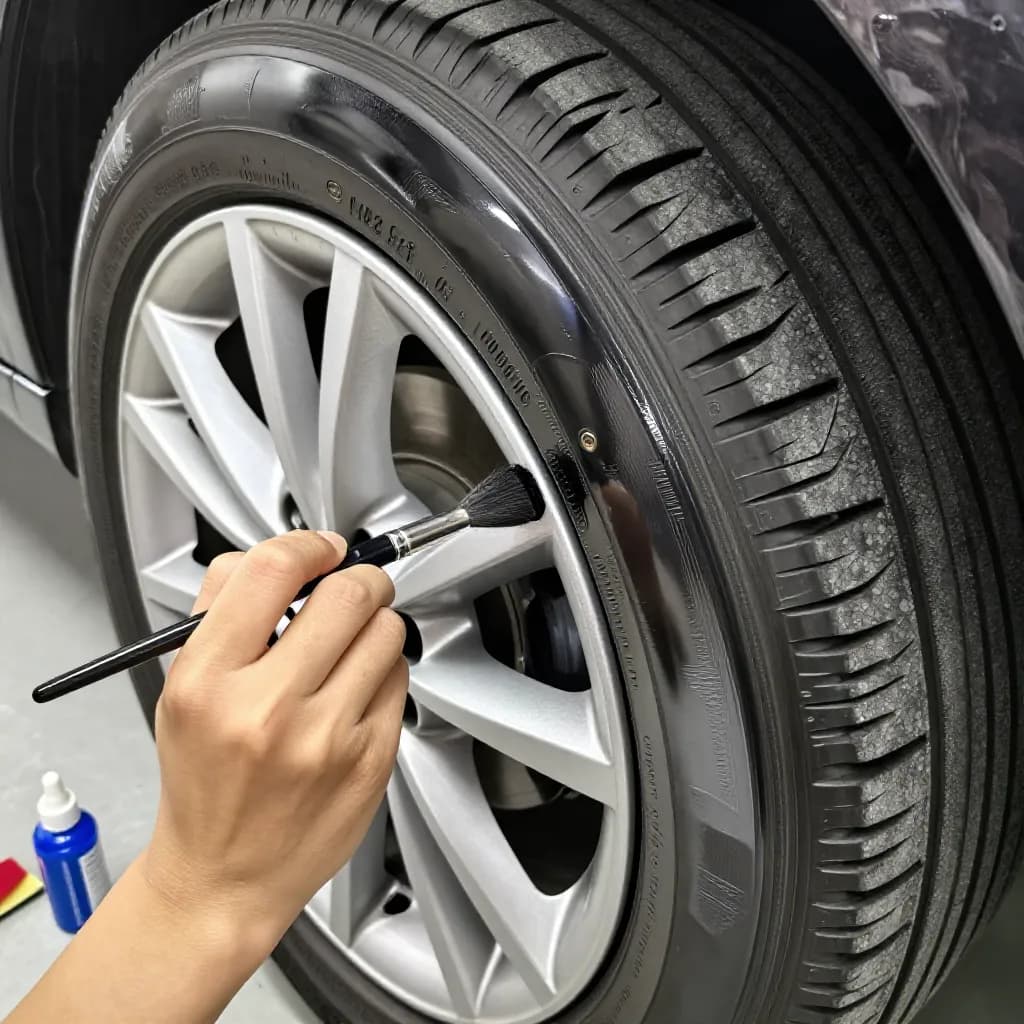
Stone chips are the most frequent cause on automotive and roadside applications. Gravel, road debris, and small stones thrown up by vehicle tires strike powder coated bumpers, wheels, running boards, and lower body panels at high velocity. Each impact can remove a small disc of coating, typically 1 to 5 millimeters in diameter, leaving the bare metal exposed.
Ready to Start Your Project?
From one-off customs to 15,000-part production runs — get precise pricing in 24 hours.
On This Page
Understanding Chip Damage on Powder Coated Surfaces
Handling and installation damage causes chips on architectural and industrial components. Tools striking coated surfaces, parts bumping against each other during transport, and hardware installation can all chip the coating at contact points. These chips are often found at edges, corners, and around fastener locations where the coating is most vulnerable to impact.
Environmental impacts including hail, wind-blown debris, and falling objects cause chips on any exposed powder coated surface. Hail damage can create dozens or hundreds of small chips across a large area, while a single falling branch or tool can create one large chip.
The urgency of chip repair depends on the substrate material. On steel and iron substrates, exposed metal begins corroding almost immediately when exposed to moisture and oxygen. A chip that is merely cosmetic on day one becomes a corrosion site within days or weeks, and the corrosion can spread beneath the surrounding intact coating. On aluminum, stainless steel, and other corrosion-resistant substrates, the urgency is lower because the substrate does not corrode as aggressively, but repair is still recommended to maintain the coating's integrity and appearance.
Assessing Chip Damage: What Needs Repair and What Can Wait
Not every chip requires immediate attention, and prioritizing repairs based on risk helps allocate maintenance effort effectively. A systematic assessment of chip damage guides the repair schedule and method selection.
Chips on ferrous metal substrates including carbon steel, cast iron, and mild steel are the highest priority. These metals corrode rapidly when exposed, and corrosion can undercut the surrounding coating, causing the damage to spread far beyond the original chip. Any chip that exposes ferrous metal should be repaired as soon as practical, ideally within days of discovery.
Chips on aluminum substrates are lower priority because aluminum forms a protective oxide layer that slows further corrosion. However, in coastal or industrial environments where the oxide layer is attacked by salt or chemicals, aluminum chips should still be repaired promptly. In mild environments, aluminum chips can be scheduled for the next regular maintenance cycle.
Chips that have already developed visible corrosion require immediate attention regardless of substrate type. Rust staining around a chip on steel, or white powdery deposits around a chip on aluminum, indicates active corrosion that will continue to spread until the exposed metal is treated and sealed.
The size and location of chips influence the repair approach. Small chips under 3 millimeters can be effectively repaired with a touch-up pen or fine brush. Larger chips may require multiple layers of touch-up paint or aerosol application. Chips at edges and corners are more critical because these areas typically have thinner coating coverage, and edge corrosion can progress rapidly.
The number of chips on a surface determines whether individual touch-up or broader repair is more appropriate. A few scattered chips are best addressed individually. Dozens of chips across a panel, as might occur from hail damage, may be more efficiently addressed with aerosol touch-up over the entire affected area, or the panel may warrant professional recoating.
Step-by-Step Chip Touch-Up Process
A methodical touch-up process produces the best results and ensures that the repair provides effective corrosion protection. Follow these steps for each chip being repaired.
Step one is cleaning. Use a cotton swab or small cloth dampened with isopropyl alcohol to clean inside the chip and the surrounding area. Remove all dirt, oil, road grime, and loose coating material. The touch-up paint will not adhere properly to a contaminated surface. Allow the alcohol to evaporate completely before proceeding.
Step two is corrosion treatment. If any rust is visible inside the chip on a steel substrate, it must be addressed before applying touch-up paint. For light surface rust, a rust converter product chemically transforms the rust into a stable compound that can be painted over. Apply the converter with a fine brush or cotton swab, following the product instructions for dwell time. For heavier rust, carefully remove the loose rust with a small piece of fine sandpaper before applying the converter.
Step three is priming. For chips on ferrous metal substrates, apply a thin coat of rust-inhibiting primer inside the chip using a fine brush or toothpick. The primer provides an additional layer of corrosion protection beneath the touch-up paint. Allow the primer to dry completely, typically one to two hours, before applying the topcoat.
Step four is applying the touch-up paint. Using a fine brush, toothpick, or pen-style applicator, apply a thin layer of color-matched touch-up paint inside the chip. Do not try to fill the chip completely in one application. A thin first coat that covers the bottom and sides of the chip provides the best foundation for subsequent layers.
Step five is building up layers. After the first coat has dried, apply a second thin layer. Continue building up layers, allowing each to dry between applications, until the touch-up paint is level with or slightly above the surrounding coating surface. Typically three to five thin layers are needed for a chip of average depth.
Step six is finishing. After the final layer has cured for at least 24 hours, the repair can be refined if desired. Lightly wet-sand with 2000 grit sandpaper to level the touch-up with the surrounding surface, then polish with finishing compound to blend the repair into the surrounding coating.
Preventing Corrosion at Chip Sites
The primary purpose of chip repair is corrosion prevention, not cosmetics. A chip that is repaired with imperfect color match but good corrosion protection is far more valuable than a chip left unrepaired because the perfect touch-up paint was not available.
Time is the critical factor. On steel substrates in humid or coastal environments, visible rust can develop at a chip site within 24 to 48 hours of the coating being breached. Once corrosion begins, it does not stop on its own. It continues to spread, both at the exposed surface and beneath the surrounding intact coating through a process called undercutting.
If color-matched touch-up paint is not immediately available, apply a temporary protective coating to prevent corrosion while waiting for the correct paint. Clear nail polish, a dab of automotive clear coat, or even a thin layer of wax provides temporary protection that keeps moisture away from the exposed metal. Replace this temporary protection with proper touch-up paint as soon as it becomes available.
For vehicles and equipment that operate in corrosive environments, carrying a small touch-up kit allows immediate repair of new chips before corrosion can begin. The kit should include the correct color touch-up paint, a rust converter, a fine brush, isopropyl alcohol, and cotton swabs. Repairing chips the same day they occur is the most effective corrosion prevention strategy.
Inspect chip repairs periodically to verify they are holding up. Touch-up paint can crack, peel, or wear away over time, re-exposing the substrate. A quick visual check during routine cleaning catches failed repairs before corrosion re-establishes itself. Re-touch any repairs that show signs of deterioration.
For areas that are particularly prone to chipping, such as vehicle lower panels and wheel arches, consider applying a clear protective film or a thicker sacrificial coating that absorbs impacts before they reach the powder coating. Prevention is always more effective than repair for high-exposure areas.
Dealing with Multiple Chips and Widespread Damage
When a powder coated surface has sustained numerous chips from hail, gravel spray, or other widespread impact events, the repair approach shifts from individual touch-up to area-wide treatment. Individual touch-up of dozens or hundreds of chips is impractical and produces a surface covered in visible repair spots.
For moderate chip density where the chips are scattered but the majority of the surface is intact, aerosol touch-up paint provides faster and more uniform coverage than brush application. Mask off the surrounding area, prepare all chip sites by cleaning and priming as described earlier, then apply the aerosol in light, even coats over the entire affected zone. This approach blends the repairs together and produces a more uniform appearance than individual brush touch-ups.
For heavy chip density where the surface resembles a shotgun pattern of exposed substrate, professional recoating of the affected panel or component is usually the most practical solution. The cumulative area of exposed substrate creates a significant corrosion risk that touch-up methods cannot adequately address, and the appearance of a heavily touched-up surface is generally unacceptable.
Hail damage presents a particular challenge because it often combines chipping with denting. The dents may need to be addressed before the coating can be repaired, particularly if the dents have cracked or fractured the coating around their perimeter. Paintless dent repair techniques can sometimes address the dents without further damaging the coating, but this depends on the severity of the dents and the flexibility of the specific powder coating.
Insurance claims may be appropriate for widespread chip damage from hail or other insurable events. Document the damage thoroughly with photographs before beginning any repairs. Note the number, size, and distribution of chips, and obtain a professional assessment of the repair or recoating needed. This documentation supports the insurance claim and helps ensure adequate coverage for the necessary repairs.
When recoating after widespread chip damage, consider whether the original coating specification provided adequate chip resistance for the application. If chipping is a recurring problem, upgrading to a thicker film build, a more flexible coating formulation, or adding a chip-resistant primer layer may reduce future damage.
Chip Repair on Different Powder Coating Finishes
The type of powder coating finish affects both the difficulty of chip repair and the visibility of the completed repair. Different finishes require slightly different approaches for the best results.
Gloss finishes show chip repairs most clearly because the smooth, reflective surface highlights any difference in texture or sheen between the touch-up paint and the original coating. However, gloss finishes also respond best to the wet-sanding and polishing refinement steps, which can significantly reduce the visibility of the repair. Take the time to sand and polish chip repairs on gloss finishes for the best cosmetic result.
Matte and satin finishes are more forgiving of touch-up repairs because the low-reflectivity surface does not highlight texture differences as prominently. However, touch-up paint that dries to a different gloss level than the surrounding matte coating will still be visible. Use touch-up paint specifically matched to the matte or satin gloss level, not just the color.
Textured finishes including wrinkle, hammer-tone, and sand textures are the most challenging for chip repair because the texture pattern cannot be replicated with brush-applied touch-up paint. The repair will always appear as a smooth spot within the textured surface. For small chips, this may be acceptable. For larger chips or high-visibility locations, professional repair or recoating may be the only way to achieve an acceptable result.
Metallic finishes present color-matching challenges because the metallic flake orientation in the original powder coating creates a directional color effect that liquid touch-up paint cannot replicate. The touch-up may appear darker or lighter than the surrounding coating depending on the viewing angle. Metallic chip repairs are best viewed as functional corrosion protection rather than invisible cosmetic repairs.
For any finish type, the most important aspect of chip repair is corrosion protection. A visible repair that prevents corrosion is always preferable to leaving a chip unrepaired for cosmetic reasons. The substrate does not care whether the repair is invisible; it only needs to be sealed from moisture and oxygen.
Frequently Asked Questions
How do I fix a chip in powder coating?
Clean the chip with isopropyl alcohol, treat any rust with a converter, apply rust-inhibiting primer on steel substrates, then build up color-matched touch-up paint in thin layers until level with the surrounding coating. Allow each layer to dry before applying the next. Optionally wet-sand and polish the cured repair for a smoother finish.
How quickly should I repair chips in powder coating?
On steel substrates, repair chips as soon as possible, ideally within days. Exposed steel begins corroding within 24 to 48 hours in humid conditions, and corrosion can spread beneath the surrounding coating. On aluminum, the urgency is lower but prompt repair is still recommended, especially in coastal or industrial environments.
Can I use nail polish to temporarily protect a chip in powder coating?
Yes. Clear nail polish provides effective temporary corrosion protection when color-matched touch-up paint is not immediately available. Apply a thin coat over the exposed metal to seal it from moisture. Replace the nail polish with proper touch-up paint as soon as possible for long-term protection.
Why do chips in powder coating lead to rust?
Chips expose the bare metal substrate to moisture and oxygen, which are the two ingredients needed for corrosion. On steel and iron, this produces rust that can spread beneath the surrounding intact coating through undercutting. The powder coating barrier is broken at the chip site, and corrosion exploits this breach to attack the substrate.
Should I recoat or touch up a powder coated surface with many chips?
For a few scattered chips, individual touch-up is practical and effective. For dozens of chips across a surface, aerosol touch-up over the affected area is more efficient. For heavy chip damage covering a large area, professional recoating is usually the best option for both appearance and corrosion protection.
Ready to Start Your Project?
From one-off customs to 15,000-part production runs — get precise pricing in 24 hours.