Few finishing processes deliver as dramatic a visual transformation as powder coating. A part that arrives at the shop covered in rust, flaking paint, and years of grime leaves looking like it just rolled off a factory production line. The transformation is so complete that it is often difficult to believe the before and after images show the same part. This is not a surface-level cover-up — the process strips everything back to bare metal and builds a brand-new finish from scratch.
Consumer
Powder Coating Before and After: What Transformations Look Like
Sundial Powder Coating·April 20, 2026·9 min
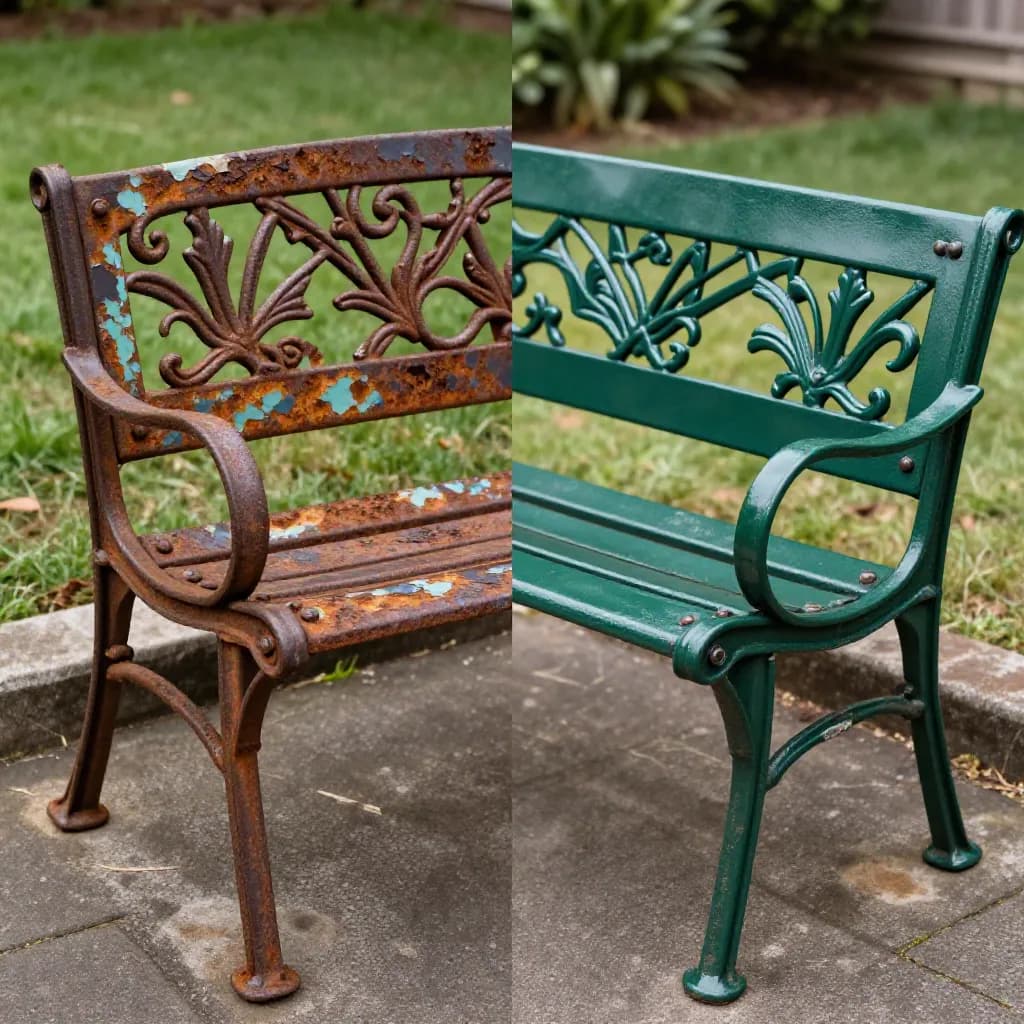
The secret to these dramatic results is the preparation process. Before any powder touches the part, all old coatings, rust, and contamination are completely removed through chemical stripping, abrasive blasting, or both. This reveals the bare metal substrate and creates a clean, profiled surface for the new coating. Any repairs — welding cracks, filling pits, smoothing dents — are done at this stage so the final finish is flawless.
Ready to Start Your Project?
From one-off customs to 15,000-part production runs — get precise pricing in 24 hours.
On This Page
The Dramatic Difference Powder Coating Makes
Once the powder is applied and cured, the result is a uniform, consistent finish with a depth and quality that spray paint simply cannot achieve. The electrostatic application ensures even coverage across the entire part, and the oven cure produces a smooth, cross-linked film with no brush marks, drips, or runs. The transformation from neglected to new is complete in every detail.
Automotive Transformations
Automotive parts are among the most popular items for powder coating restoration, and the results are consistently stunning. Alloy wheels that have spent years accumulating brake dust, curb rash, and corrosion emerge from the process looking better than new. The thick powder coat fills minor surface imperfections and provides a uniform finish that factory paint rarely matches. A set of tired, corroded wheels can completely change the appearance of a vehicle.
Engine bay components offer some of the most satisfying transformations. Valve covers, intake manifolds, brackets, and accessories that have spent decades coated in oil, grease, and heat discoloration are stripped back to bare metal and coated in any color the owner chooses. A freshly powder-coated engine bay transforms a tired-looking vehicle into a show-quality build, and the durable finish withstands the heat and chemical exposure of the engine environment.
Suspension components, subframes, and chassis parts undergo equally impressive transformations. These parts are typically the most neglected on any vehicle, accumulating layers of road grime, surface rust, and flaking undercoat over the years. After blasting and powder coating, they look factory-fresh and gain genuine corrosion protection that extends their service life. Restoration builders often powder coat every bolt-on chassis component to achieve a concours-level underbody presentation.
Furniture and Home Transformations
Outdoor furniture is one of the most common household items brought in for powder coating, and the transformations are remarkable. Wrought iron patio sets that have spent years in the weather, with rust blooming through cracked paint and joints seizing with corrosion, are restored to a condition that looks brand new. The owner gets to choose any color they want, often updating a dated piece to match current décor while giving it another decade or more of outdoor life.
Gates, fences, and railings undergo some of the most visually striking transformations. A rusted, peeling garden gate that has become an eyesore is stripped, repaired if needed, and coated in a fresh finish that transforms the entire entrance to a property. Stair railings and balustrades that have accumulated years of chipped paint and surface rust are restored to a smooth, uniform finish that elevates the appearance of the whole space.
Indoor metal furniture and fixtures also benefit from powder coating restoration. Vintage metal chairs, table bases, lamp stands, and shelving units from mid-century and industrial designs are highly sought after, but they often arrive in poor cosmetic condition. Powder coating allows these pieces to be refinished in period-appropriate colors or updated with contemporary finishes, preserving the original form while giving the surface a fresh, durable new life.
Industrial and Workshop Transformations
Workshop equipment and industrial tools are workhorses that rarely receive cosmetic attention, which makes their powder coating transformations all the more impressive. A battered tool box with decades of scratches, dents, and surface rust emerges from the process looking like a premium new unit. The tough powder coat finish is actually more durable than the original factory paint, so the restored piece will hold up better to workshop abuse going forward.
Industrial shelving, storage racks, and workbenches accumulate years of grime, paint overspray, and surface corrosion in busy workshops and factories. Stripping and powder coating these items not only restores their appearance but also makes them easier to clean and maintain. A freshly coated workshop looks more professional, and the improved visibility from clean, bright-colored equipment contributes to a safer working environment.
Specialty equipment like compressors, welding carts, engine stands, and hydraulic presses all respond well to powder coating restoration. These items are often structurally sound but cosmetically neglected, making them perfect candidates for a finish refresh. The restoration process also provides an opportunity to inspect the equipment for structural issues, repair any damage, and apply a protective finish that extends the useful life of the equipment significantly.
What Makes the Difference: Preparation Is Everything
The quality of a powder coating transformation is determined almost entirely by the preparation work done before any powder is applied. A shop that invests time in thorough stripping, careful blasting, proper pretreatment, and meticulous masking will produce results that look factory-new. A shop that cuts corners on preparation will produce results that look good initially but fail prematurely as adhesion problems and corrosion emerge.
Abrasive blasting is the foundation of every great transformation. It removes all traces of old coatings, rust, and contamination while creating a surface profile that the powder can mechanically grip. The blast profile should be appropriate for the substrate — too aggressive and it can warp thin panels, too light and the coating will not adhere properly. Experienced shops adjust their blasting media and pressure for each part to achieve the optimal result.
The lesson for anyone considering a powder coating transformation is clear: choose a shop based on their preparation process, not just their coating capabilities. Ask how they strip and blast parts, what pretreatment they use, and how they handle repairs and masking. The coating itself is the easy part — it is the hours of preparation work that separate a mediocre result from a transformation that makes you do a double take.
Frequently Asked Questions
Can powder coating hide dents and damage in the metal?
Powder coating can fill very minor surface imperfections like light pitting and fine scratches, but it will not hide dents, deep gouges, or significant damage. These must be repaired by welding, filling, or grinding before coating. The powder coat will faithfully reproduce whatever surface is beneath it, so the metal must be smooth and sound before application.
Is it worth powder coating old rusty parts or should I buy new?
If the part is structurally sound beneath the rust, powder coating restoration is almost always worthwhile. Surface rust is completely removed during preparation, and the new coating provides better protection than most factory finishes. For parts that are rusted through or structurally compromised, replacement is the better option.
How do I prepare parts before taking them to a powder coating shop?
Remove all non-metal components such as rubber bushings, plastic caps, bearings, and fasteners that you want to reuse. The shop will handle stripping, blasting, and pretreatment. Disassembling parts as much as possible ensures complete coverage and avoids masking complications. Communicate any areas that should not be coated, such as threads or mating surfaces.
Can powder coating match the original factory color of my parts?
In most cases, yes. Powder coating suppliers offer thousands of standard colors, and many can custom-match specific shades from a physical sample or color code. Exact matches to aged or faded original finishes may require some trial and adjustment, but a skilled shop can get very close to any target color.
Ready to Start Your Project?
From one-off customs to 15,000-part production runs — get precise pricing in 24 hours.