Yes, you can powder coat a BBQ or smoker, but with an important caveat: you need to use the right type of coating for the right parts. Standard polyester powder coatings cure at around 200 degrees Celsius and can handle continuous service temperatures up to about 150-200 degrees Celsius. That is perfectly fine for exterior surfaces, lids, side tables, legs, and handles that do not get extremely hot during cooking.
Consumer
Can You Powder Coat a BBQ or Smoker? Heat-Resistant Coating Guide
Sundial Powder Coating·April 20, 2026·7 min
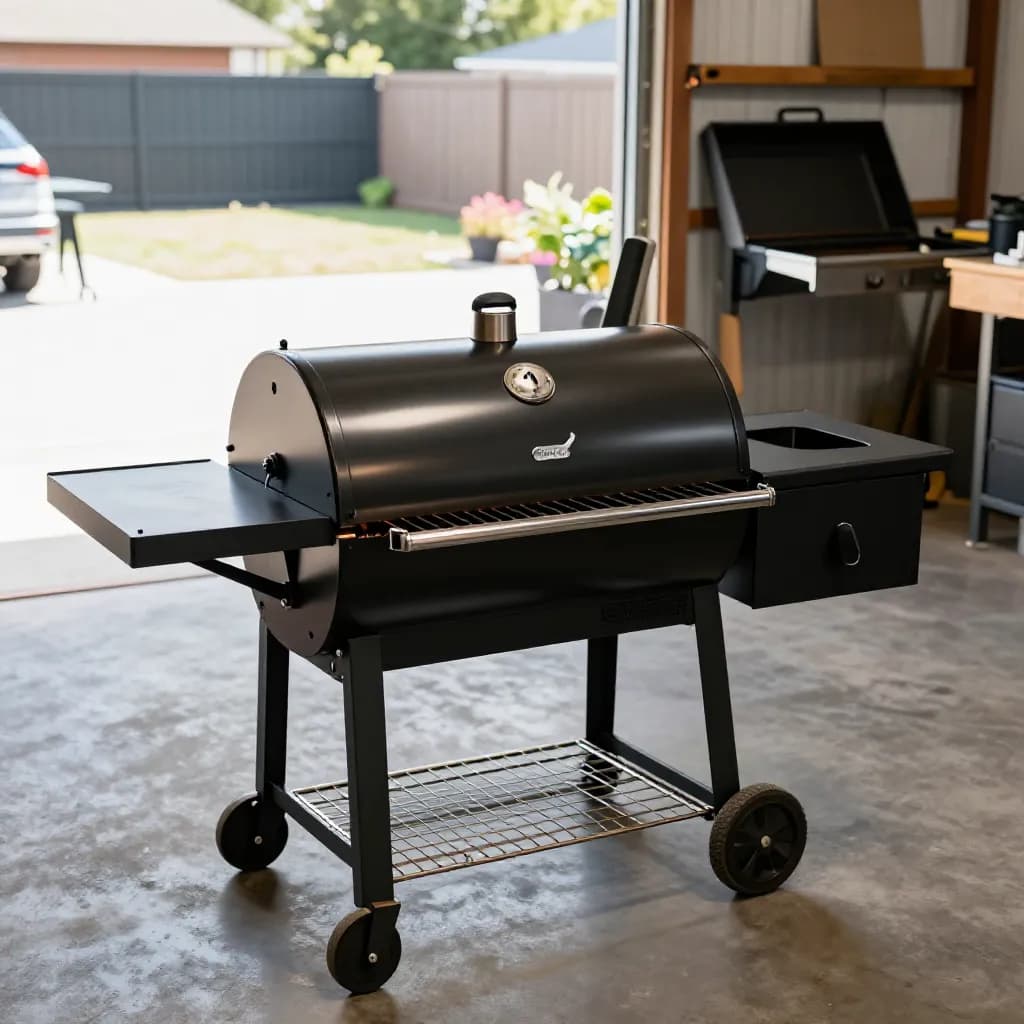
For parts that experience higher temperatures, such as the exterior of a firebox or the outside of a smoker barrel, standard powder will eventually discolor, soften, or fail. This is where high-temperature coatings come in. Specialized heat-resistant powders and ceramic-based coatings are designed to withstand much higher temperatures without breaking down.
Ready to Start Your Project?
From one-off customs to 15,000-part production runs — get precise pricing in 24 hours.
On This Page
Can You Powder Coat a BBQ?
The key is understanding which parts of your BBQ reach which temperatures and choosing the appropriate coating for each zone. A knowledgeable coater will help you map out the hot and cool zones on your specific grill or smoker and recommend the right product for each area.
Which Parts to Coat and Which to Skip
The exterior shell, legs, side shelves, tool hooks, ash cleanout doors, and handles are all excellent candidates for standard powder coating. These parts stay relatively cool during normal use and benefit enormously from the chip resistance, corrosion protection, and clean appearance that powder coating provides.
Parts you should not powder coat include cooking grates, internal heat deflectors, firebox interiors, and any surface that comes into direct contact with food or open flame. Cooking grates are better served by seasoning with oil or using stainless steel or cast iron that develops its own protective patina. Firebox interiors reach temperatures that will destroy any organic coating.
For the exterior of fireboxes and smoker barrels that get hot but are not in direct flame contact, high-temperature coatings are the right choice. These areas can reach 300-500 degrees Celsius on the outside surface, which exceeds the capability of standard powder but falls within the range of specialized high-temp products.
High-Temperature Powder Coatings Explained
High-temperature powder coatings are formulated with silicone-based resins instead of the standard polyester or epoxy resins used in conventional powder. These silicone-based coatings can withstand continuous temperatures of 500-600 degrees Celsius, making them suitable for exhaust systems, engine components, fireplace inserts, and the hot zones of BBQs and smokers.
The application process is similar to standard powder coating: the part is cleaned, blasted, and the powder is applied electrostatically. However, high-temp coatings often require a different curing profile and may need an initial burn-in period where the coating is gradually brought up to its maximum service temperature to fully develop its heat resistance.
It is worth noting that high-temperature coatings have a more limited color range than standard powders. Matte black and satin black are the most common options, with some manufacturers offering dark grey, silver, and a handful of other colors. If you want a vibrant custom color on your BBQ, it will need to go on the cooler exterior parts using standard powder, with high-temp black on the hot zones.
Color Options for BBQs and Smokers
Matte black is the classic choice for BBQs and smokers, and it remains the most popular by a wide margin. It hides soot and grease marks well, gives a professional look, and is available in both standard and high-temperature formulations. Textured black is another popular option that adds a rugged, industrial feel and is even more forgiving of surface imperfections.
For the cooler exterior parts like legs, side tables, and cart frames, you have the full range of standard powder coating colors available. Bronze, hammered copper, and dark grey are popular accent colors that complement a black body. Some builders go with a two-tone approach, using matte black on the main body and a contrasting color on the cart or stand.
If you are building a custom smoker or restoring a vintage grill, powder coating lets you create a truly unique piece. Team colors, business logos, and custom color schemes are all possible on the appropriate surfaces. Just work with your coater to ensure the right coating type is used on each part based on its expected temperature exposure.
Cost and Where to Get It Done
Powder coating a BBQ or smoker typically costs $100-300 depending on the size of the unit and the number of individual parts. A small kettle grill with just a lid and bowl might run $80-150, while a large offset smoker with multiple components could be $250-400 or more. High-temperature coatings generally cost a bit more than standard powder due to the specialty materials involved.
Look for a powder coating shop that has experience with BBQs, smokers, or similar high-heat items. Not every shop stocks high-temperature powders or understands the specific requirements of coating items that will be exposed to heat and food-adjacent environments. Ask whether they have done similar projects and what products they recommend.
For custom smoker builders and BBQ restoration enthusiasts, developing a relationship with a good local coater is invaluable. Many shops will work with you on ongoing projects, keep your preferred colors in stock, and offer volume pricing if you bring in multiple pieces over time. A quality coating job is the finishing touch that turns a backyard cooker into a showpiece.
Frequently Asked Questions
Is powder coating food safe for BBQ surfaces?
Standard powder coatings are not designed for direct food contact. Powder coat the exterior surfaces, handles, and structural parts, but do not coat cooking grates or any surface that touches food directly. For food-contact surfaces, use seasoned cast iron, stainless steel, or FDA-approved coatings specifically rated for food contact.
Will powder coating on a BBQ peel off from the heat?
Not if the right coating is used on the right parts. Standard powder coating works well on parts that stay below 200 degrees Celsius. For hotter areas, high-temperature silicone-based coatings rated to 500-600 degrees Celsius should be used. Peeling typically occurs when standard powder is mistakenly applied to high-heat zones.
Can I powder coat a rusty old smoker?
Yes, as long as the metal is still structurally sound. The old finish and rust will be stripped and blasted away, any necessary repairs will be made, and the smoker will be coated fresh. This is one of the best uses for powder coating because it completely restores the appearance and provides long-lasting corrosion protection.
How do I maintain a powder-coated BBQ?
Wipe down the exterior with a damp cloth after each use to remove grease and soot. For deeper cleaning, use warm soapy water and a soft sponge. Avoid abrasive pads or harsh chemical cleaners. If you notice any chips, touch them up promptly to prevent rust. Cover your BBQ when not in use to extend the life of the finish.
Ready to Start Your Project?
From one-off customs to 15,000-part production runs — get precise pricing in 24 hours.