Off-road driving subjects vehicle components to abuse that factory paint was never designed to handle. Rock strikes, gravel spray, branch scrapes, mud packing, water crossings, and constant vibration all attack the finish on exposed parts. A single day on a rocky trail can inflict more damage than years of highway driving, leaving chips, scratches, and bare metal exposed to the elements.
Consumer
Powder Coating for 4x4 and Off-Road Vehicles: What to Coat
Sundial Powder Coating·April 20, 2026·9 min
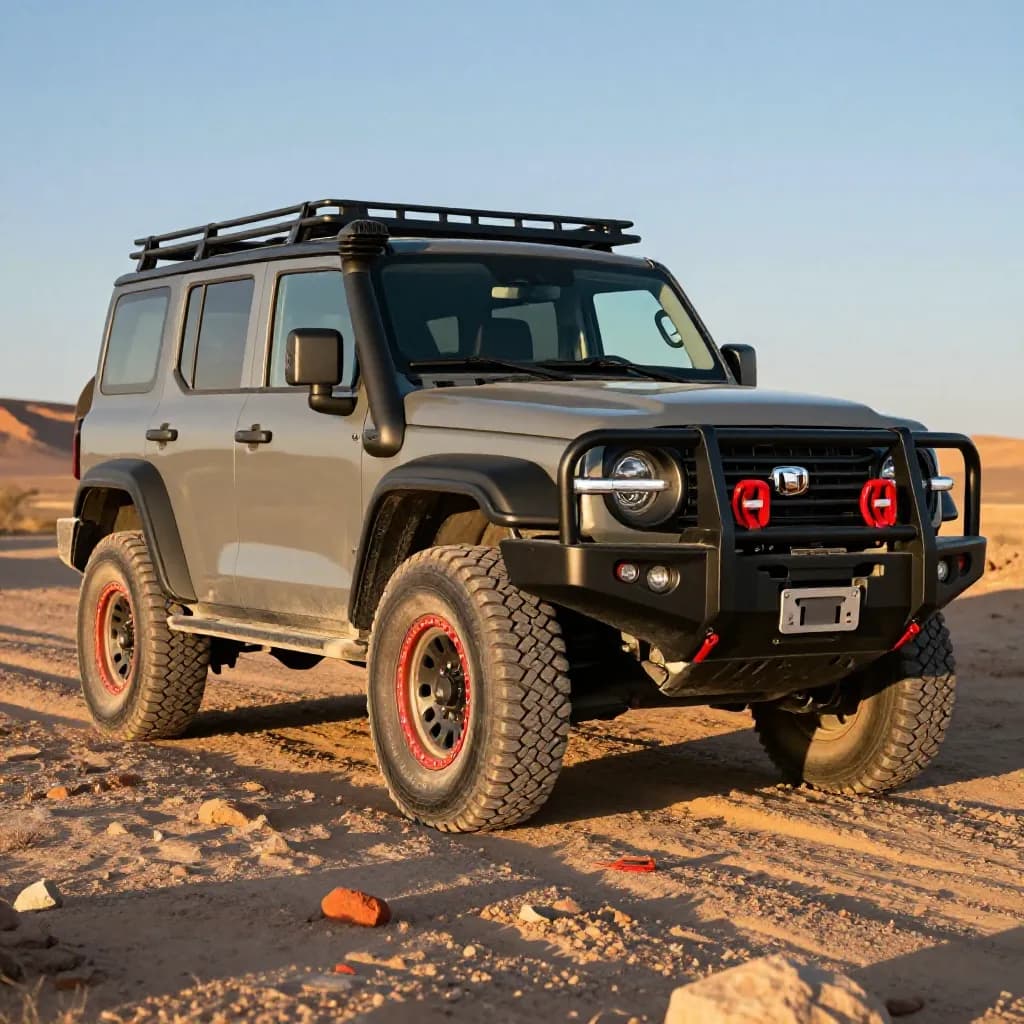
The consequences go beyond cosmetics. Exposed metal on an off-road vehicle corrodes rapidly because the conditions that caused the damage — mud, water, salt, and dirt — also accelerate rust. Mud packed into crevices holds moisture against bare metal for days or weeks. Water crossings introduce silt and minerals that are mildly abrasive and corrosive. Road salt in winter compounds the problem further.
Ready to Start Your Project?
From one-off customs to 15,000-part production runs — get precise pricing in 24 hours.
On This Page
Why Off-Road Vehicles Need Tougher Finishes
Powder coating addresses these challenges with a finish that is significantly harder, thicker, and more impact-resistant than factory paint or aftermarket spray coatings. For off-road enthusiasts who invest in quality accessories and want them to last, powder coating is the standard protective finish that keeps parts looking good and functioning properly through seasons of hard use.
Best Parts to Powder Coat
Bull bars and nudge bars are among the most popular parts to powder coat because they are the first point of contact with brush, branches, and obstacles. A tough powder coat on a bull bar absorbs minor impacts without chipping and maintains its appearance through years of trail use. Rock sliders and side steps are equally good candidates, as they take constant hits from rocks and debris on narrow trails.
Skid plates, differential covers, and underbody protection panels benefit enormously from powder coating. These parts live in the harshest environment on the vehicle, constantly bombarded by rocks, mud, and road debris. A thick powder coat provides a durable shield that outlasts paint by years in this punishing location. Roof racks, light bars, and mounting brackets are also excellent candidates, as they are exposed to UV, rain, and trail debris.
Suspension components, control arms, and steering linkages are often overlooked but respond well to powder coating. These parts are constantly exposed to mud, water, and road grime, and factory coatings on aftermarket parts are often minimal. Powder coating these components during installation protects them from corrosion and makes them easier to clean. Wheel rims round out the list, with powder coating providing superior protection against rock chips and brake dust compared to factory paint.
Choosing the Right Powder for Off-Road
Textured finishes are the go-to choice for off-road applications because they hide trail damage far better than smooth, glossy coatings. A textured or wrinkle finish disguises minor scratches and scuffs that would be glaringly obvious on a gloss surface. Wrinkle black is by far the most popular off-road powder coating finish, offering a rugged, industrial look that complements the aggressive styling of modified 4x4 vehicles.
Beyond aesthetics, the powder chemistry matters for off-road durability. A high-build polyester or hybrid powder applied at 80 to 120 microns provides maximum chip resistance for parts that take direct rock impacts. Some applicators offer a two-coat system with an epoxy primer for enhanced corrosion protection beneath the topcoat, which is worth considering for parts that will be submerged in water crossings or packed with mud regularly.
Color choice is largely personal preference, but darker colors and textured finishes are practical favorites in the off-road community. Satin black, wrinkle black, gunmetal grey, and bronze are all popular choices that look appropriate on a trail vehicle and hide dirt and minor damage well. Bright or light colors show every speck of mud and every scratch, which can be frustrating for a vehicle that spends time off the pavement.
Preparation for Off-Road Parts
Surface preparation is critical for any powder coating job, but it is especially important for off-road parts that will face extreme conditions. Thorough abrasive blasting to a clean, white-metal finish is the gold standard. This removes all mill scale, rust, old coatings, and contaminants while creating a surface profile that the powder can grip. For off-road parts, cutting corners on preparation is a false economy that leads to premature coating failure.
New aftermarket parts often arrive with a light oil coating or mill scale that must be removed before powder coating. Used parts may have layers of old paint, surface rust, or embedded dirt that require aggressive blasting. Welded fabrications should have all weld spatter ground smooth and any sharp edges radiused, as powder coating tends to pull away from sharp edges, leaving them thin and vulnerable.
After blasting, parts should be pretreated with a conversion coating to maximize adhesion and corrosion resistance. For off-road parts that will face constant moisture exposure, a zinc phosphate pretreatment provides the best foundation. Parts should move from pretreatment to powder application as quickly as possible to prevent flash rusting on the freshly blasted surface.
Maintaining Powder Coating on Trail Vehicles
The single most important maintenance habit for powder-coated off-road parts is rinsing mud off promptly after each trail run. Mud holds moisture against the coating and can contain abrasive particles, salts, and organic acids that degrade the finish over time. A thorough rinse with a garden hose or pressure washer within a day or two of off-road use prevents mud from drying into a hard, abrasive crust that is harder to remove and more damaging to the coating.
After hard trails, inspect your coated parts for chips and damage. Rock strikes can chip through even the toughest powder coat, and catching these chips early prevents rust from taking hold. Keep a bottle of color-matched touch-up paint in your garage and dab it onto any chips or scratches that expose bare metal. This simple step adds minutes to your post-trail routine but adds years to the life of your coated parts.
Periodic deep cleaning with a mild automotive soap and soft brush keeps powder-coated parts looking their best. Pay attention to areas where mud and debris accumulate, such as inside rock sliders, behind skid plates, and around mounting brackets. A light application of a UV-protectant spray after cleaning helps maintain the finish on parts exposed to direct sunlight, particularly on textured black finishes that can fade over time.
Frequently Asked Questions
Is powder coating tough enough for rock crawling?
Powder coating is the toughest common finish available for off-road parts, but no coating is impervious to direct rock impacts. A thick textured powder coat will withstand far more abuse than paint, and minor trail damage blends into the textured surface. For extreme rock crawling, expect to touch up chips periodically.
Should I powder coat my off-road bumper before or after welding?
Always after welding. Powder coating must be applied to the fully fabricated and welded part. The curing oven temperature would damage any coating applied before welding, and the welding process itself would burn through the coating. Complete all fabrication, grinding, and fitting before sending parts for coating.
Will powder coating survive water crossings?
Yes. Powder coating is waterproof and will not be damaged by submersion during water crossings. The key is ensuring the coating was properly applied with good pretreatment, as any weak spots in adhesion can allow water to creep beneath the film over time. Rinse with fresh water after saltwater or muddy crossings.
Can I powder coat my differential cover?
Yes, differential covers are excellent candidates for powder coating. The coating protects against rock strikes and corrosion in one of the most exposed locations on the vehicle. Ensure the mating surface is masked during coating so the gasket seals properly, and use a high-build textured finish for maximum impact resistance.
Ready to Start Your Project?
From one-off customs to 15,000-part production runs — get precise pricing in 24 hours.