Powder coating is one of the safest finishing technologies available today. Once fully cured, powder coating forms an inert, chemically stable film that does not release harmful substances under normal conditions. Unlike liquid paints that contain volatile organic compounds and solvents, powder coatings are applied as a dry powder with no solvents whatsoever, making them inherently safer for both applicators and end users.
Consumer
Is Powder Coating Toxic? Safety During Application and After Curing
Sundial Powder Coating·April 22, 2026·12 min
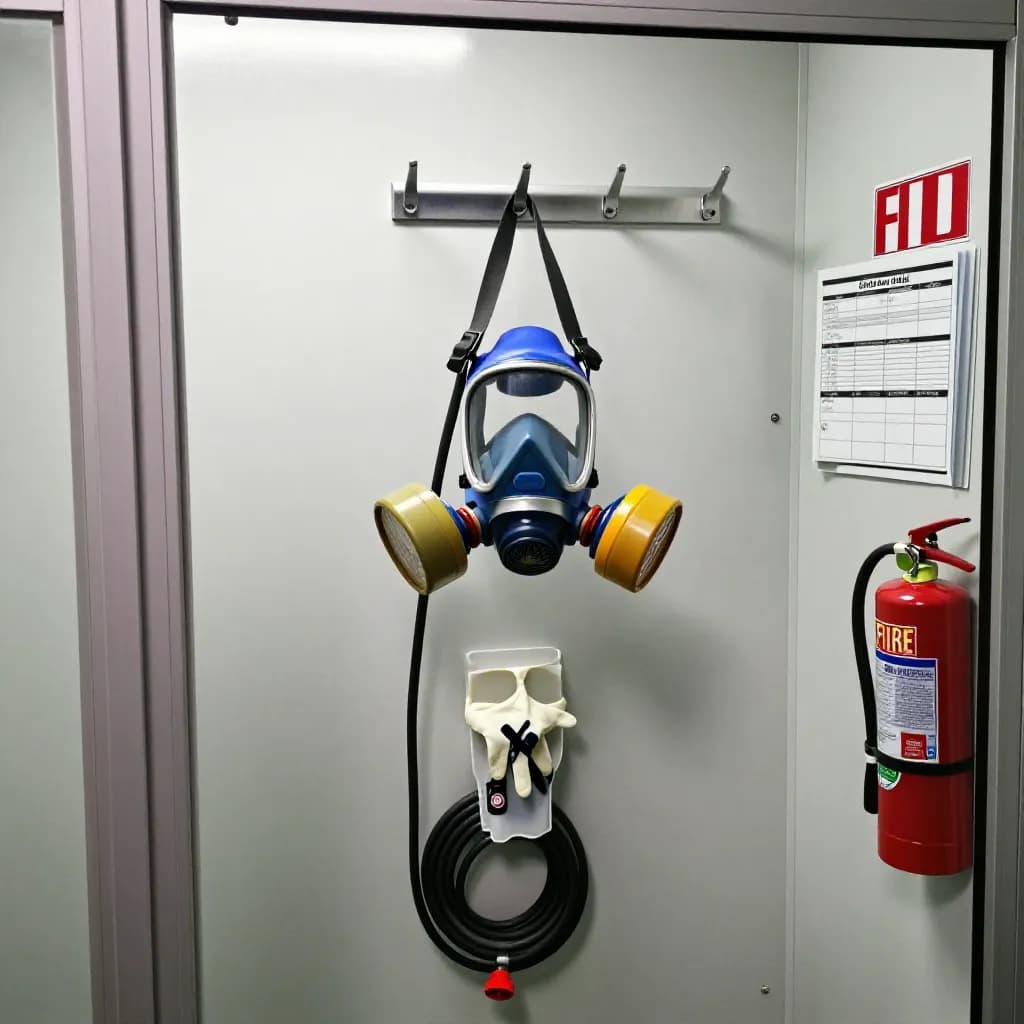
The distinction between the application phase and the cured state is important. During application and curing, certain precautions are necessary because airborne powder particles can be inhaled and the curing process generates some fumes. However, once the coating has fully cross-linked at its specified cure temperature, the resulting film is chemically inert and poses no toxicity risk through normal handling, skin contact, or proximity.
Ready to Start Your Project?
From one-off customs to 15,000-part production runs — get precise pricing in 24 hours.
On This Page
The Short Answer: Cured Powder Coating Is Non-Toxic
This safety profile is one of the primary reasons powder coating has replaced liquid paint in countless applications, from playground equipment and hospital furniture to kitchen appliances and automotive components. Regulatory bodies worldwide recognize cured powder coatings as safe for consumer contact, and specific formulations are available that meet the strictest food contact and toy safety standards.
Understanding the nuances of powder coating safety requires examining both the application environment and the finished product separately, as the safety considerations differ significantly between these two phases.
Safety During the Application Process
During the powder coating application process, the primary safety concern is inhalation of airborne powder particles. The powder itself is composed of finely ground resin, pigments, and additives that become airborne during spraying. While these particles are not classified as toxic in the traditional sense, prolonged inhalation of any fine particulate matter can irritate the respiratory system and should be avoided.
Professional powder coating facilities address this through engineering controls including spray booth ventilation systems, powder recovery cyclones, and cartridge filter units that capture overspray and maintain air quality. These systems are designed to keep airborne particle concentrations well below occupational exposure limits established by regulatory agencies such as OSHA in the United States and the HSE in the United Kingdom.
Personal protective equipment is standard practice in powder coating operations. Applicators typically wear respiratory protection ranging from simple dust masks for low-volume work to powered air-purifying respirators for high-volume production. Safety glasses, gloves, and coveralls protect against skin and eye contact with the uncured powder.
During the curing phase, when coated parts are heated in an oven to temperatures typically between 160 and 200 degrees Celsius, some powder formulations release small amounts of fumes. Proper oven ventilation and exhaust systems manage these emissions effectively. The fumes generated during curing are minimal compared to the solvent vapors released during liquid paint application and drying, which is a significant safety advantage of powder coating technology.
It is worth noting that powder coating facilities do not require the extensive fire suppression and explosion-proof electrical systems mandated for solvent-based paint operations, further underscoring the inherently safer nature of the powder coating process.
Why Powder Coating Is VOC-Free
One of the most significant safety advantages of powder coating is the complete absence of volatile organic compounds. VOCs are carbon-based chemicals that evaporate at room temperature and contribute to air pollution, smog formation, and a range of health effects including respiratory irritation, headaches, and in some cases long-term organ damage. Liquid paints typically contain 30 to 60 percent solvents by weight, all of which evaporate as VOCs during application and drying.
Powder coatings achieve zero VOC emissions because they contain no solvents at all. The coating material is a 100 percent solid formulation consisting of resin, pigment, and additives that are melt-mixed, cooled, and ground into a fine powder. When applied electrostatically and cured in an oven, the powder melts, flows, and cross-links into a continuous film without any solvent evaporation step.
This VOC-free characteristic has profound implications for both workplace safety and environmental compliance. Powder coating operations do not require solvent vapor monitoring, explosion-proof equipment, or VOC abatement systems such as thermal oxidizers or carbon adsorption units. Workers are not exposed to solvent vapors, eliminating the associated health risks including central nervous system effects, liver damage, and reproductive toxicity that can accompany chronic solvent exposure.
From a regulatory perspective, the zero-VOC profile of powder coating simplifies environmental permitting and compliance. Many jurisdictions impose strict limits on VOC emissions from coating operations, and powder coating facilities typically fall below reporting thresholds entirely. This regulatory simplicity translates into lower compliance costs and reduced administrative burden for coating operations.
Cured Coating Safety: What the Science Says
Once powder coating has been fully cured at its specified temperature and time, the resulting film undergoes a complete chemical transformation. The resin molecules cross-link to form a dense, three-dimensional polymer network that is chemically stable and inert under normal conditions. This cross-linked structure does not leach chemicals, off-gas volatile substances, or degrade into harmful byproducts during normal use.
Extensive testing supports the safety of cured powder coatings. Migration testing, which measures whether substances transfer from the coating into food or liquid simulants, consistently shows that properly cured powder coatings release negligible amounts of any substance. These results form the basis for food contact approvals granted by regulatory agencies including the FDA in the United States and EFSA in Europe.
The chemical inertness of cured powder coatings also means they do not contribute to indoor air quality problems. Unlike some liquid paints and varnishes that can off-gas formaldehyde, isocyanates, or residual solvents for weeks or months after application, cured powder coatings produce no measurable emissions at room temperature. This makes powder-coated products suitable for use in enclosed spaces including hospitals, schools, and residential interiors without concern for air quality degradation.
It is critical to emphasize that these safety assurances apply only to fully cured coatings. Under-cured powder coatings may not have completed their cross-linking reaction and could potentially release unreacted components. This is why proper cure verification through methods such as differential scanning calorimetry, solvent rub testing, or minimum cure temperature monitoring is an essential quality control step in any powder coating operation.
Food Contact and Kitchen Applications
Powder coatings formulated specifically for food contact applications must comply with stringent regulatory requirements. In the United States, the FDA regulates food contact coatings under 21 CFR parts 174 through 178, which specify approved raw materials and set migration limits for substances that may transfer from the coating to food. In Europe, the Framework Regulation EC 1935/2004 establishes the general requirements for food contact materials, supplemented by national measures and industry guidelines.
Food-grade powder coatings are formulated using only raw materials that appear on approved substance lists. The resins, pigments, curing agents, and additives used in these formulations are selected specifically for their compliance with food contact regulations. Common resin systems for food contact applications include specific epoxy, polyester, and epoxy-polyester hybrid formulations that have been tested and approved for direct and indirect food contact.
Practical applications of food-contact powder coatings are widespread. The interiors of food and beverage cans, kitchen appliance housings, refrigerator shelves, oven interiors, baking trays, and commercial food processing equipment are all commonly finished with approved powder coating formulations. These coatings must withstand repeated exposure to food substances, cleaning agents, and in some cases elevated temperatures without degradation or migration.
Consumers should be aware that not all powder coatings are food-safe. Standard industrial powder coatings may contain pigments or additives that are not approved for food contact. When food contact is required, it is essential to specify a coating that has been tested and certified for that purpose. Reputable powder manufacturers clearly identify their food-contact-approved products and can provide compliance documentation upon request.
Children's Products and Toy Safety Standards
Powder coatings used on children's products and toys must meet some of the most demanding safety standards in the coatings industry. The European Toy Safety Directive EN 71-3 sets strict limits on the migration of specific elements including lead, cadmium, chromium, mercury, arsenic, barium, antimony, and selenium from toy coatings. In the United States, the Consumer Product Safety Improvement Act and ASTM F963 impose similar restrictions on heavy metals and other hazardous substances in children's products.
Powder coating manufacturers have developed formulations specifically designed to comply with these toy safety standards. These formulations use carefully selected pigments that are free from restricted heavy metals, along with resins and additives that meet migration limits when tested according to the prescribed extraction methods. The resulting coatings provide the durability and aesthetic appeal needed for children's products while ensuring safety even if a child mouths or chews on a coated surface.
The durability advantage of powder coating is particularly relevant for children's products. Because powder coatings form a thick, hard, and well-adhered film, they resist chipping, scratching, and peeling far better than liquid paints. This means the coating is less likely to flake off and be ingested, adding a physical safety dimension beyond the chemical safety of the formulation itself.
Common children's products finished with compliant powder coatings include playground equipment, children's furniture, bicycle frames, toy vehicles, and educational equipment. The combination of bright color availability, excellent durability, and verified safety compliance makes powder coating the preferred finish for manufacturers who must meet both aesthetic expectations and rigorous safety requirements.
When specifying powder coatings for children's products, manufacturers should request test certificates demonstrating compliance with the relevant standard for their target market. Third-party testing by accredited laboratories provides the most reliable assurance of compliance.
Comparing Powder Coating Toxicity to Liquid Paint
A direct comparison between powder coating and liquid paint reveals significant safety advantages for powder coating across virtually every metric. The most fundamental difference is the absence of solvents in powder coatings. Liquid paints rely on organic solvents such as xylene, toluene, methyl ethyl ketone, and various glycol ethers to dissolve the resin and control viscosity. These solvents are classified as hazardous substances with well-documented health effects including respiratory irritation, central nervous system depression, liver and kidney damage, and reproductive toxicity.
During liquid paint application, workers are exposed to solvent vapors that can reach concentrations requiring respiratory protection, continuous air monitoring, and medical surveillance programs. The drying and curing phases release additional solvent vapors into the workplace and, if not properly abated, into the ambient environment. Powder coating eliminates this entire category of occupational and environmental hazard.
The pigment safety profile also differs between the two technologies. While both powder and liquid coatings can use a wide range of pigments, the powder coating industry has been at the forefront of eliminating heavy-metal pigments from standard formulations. Lead-based and chromate-based pigments, once common in liquid paints, have been largely replaced in powder coatings by safer organic and inorganic alternatives.
Waste disposal presents another safety contrast. Liquid paint waste, including unused paint, contaminated solvents, and cleaning residues, is typically classified as hazardous waste requiring specialized handling and disposal. Powder coating waste consists primarily of overspray powder that can be reclaimed and reused, with only minimal quantities of non-reclaimable powder requiring disposal as non-hazardous solid waste in most jurisdictions.
Ensuring Safety: Best Practices for Consumers and Specifiers
For consumers purchasing powder-coated products, the safety assurance begins with understanding that any reputable manufacturer using standard commercial powder coatings is providing a product with a non-toxic finish. The cured coating on everyday items such as furniture, appliances, automotive parts, and architectural components poses no health risk through normal use, handling, or skin contact.
When safety requirements go beyond general consumer use, specifiers should take additional steps to ensure compliance. For food contact applications, request documentation confirming the powder coating meets FDA 21 CFR or EU food contact regulations as appropriate. For children's products, require test certificates demonstrating compliance with EN 71-3 or ASTM F963. For medical or pharmaceutical applications, verify that the coating meets the specific regulatory requirements for that sector.
Proper cure verification is the single most important factor in ensuring the safety of any powder-coated product. An under-cured coating may not have fully cross-linked, potentially leaving unreacted chemical components that could migrate or off-gas. Reputable coating applicators maintain documented cure verification procedures and can provide evidence that parts have been cured to the powder manufacturer's specification.
For DIY powder coaters working with home oven setups, safety awareness is particularly important. Ensure adequate ventilation during curing, use an oven dedicated to powder coating rather than one used for food preparation, and always follow the powder manufacturer's recommended cure schedule. While the risks are manageable with proper precautions, the controlled environment of a professional coating facility provides the highest level of safety assurance.
In summary, powder coating represents one of the safest finishing technologies available. Its VOC-free formulation, inert cured film, and compatibility with food contact and toy safety standards make it a responsible choice for manufacturers, specifiers, and consumers who prioritize health and safety alongside performance and aesthetics.
Frequently Asked Questions
Is powder coating safe to touch after curing?
Yes. Once fully cured, powder coating forms a chemically inert film that is completely safe for skin contact. The cross-linked polymer network does not leach chemicals or cause skin irritation, which is why powder coating is used on everyday items from furniture to kitchen appliances.
Does powder coating release harmful fumes?
During the curing process, some minimal fumes may be released, which is why proper oven ventilation is required. However, once cured, powder coating produces zero emissions at room temperature. This is a major advantage over liquid paints, which can off-gas solvents for weeks after application.
Can powder coating be used on children's toys?
Yes. Specific powder coating formulations are designed to comply with toy safety standards including EN 71-3 in Europe and ASTM F963 in the United States. These formulations use pigments free from restricted heavy metals and are tested to ensure safe migration levels even if a child mouths the coated surface.
Is powder coating safer than regular paint?
Significantly safer. Powder coating contains zero solvents and produces no VOC emissions, while liquid paints typically contain 30-60% solvents that evaporate as hazardous VOCs. The cured powder coating film is also more chemically stable than most liquid paint films, and powder coating waste is generally non-hazardous.
Are there any toxic chemicals in powder coating?
Standard powder coatings are formulated without heavy metals like lead or cadmium, and contain no solvents or VOCs. Some specialty formulations may contain substances that require handling precautions during application, but the cured coating is chemically inert and non-toxic for end users.
Is it safe to powder coat items used for food?
Yes, when using FDA-compliant or EU food contact approved powder coating formulations. These are made with approved raw materials and tested for migration limits. Standard industrial powder coatings are not food-safe, so always specify a food-contact-approved product when the application requires it.
Ready to Start Your Project?
From one-off customs to 15,000-part production runs — get precise pricing in 24 hours.