Powder coating provides outstanding corrosion protection that significantly exceeds most liquid paint systems, but describing it as completely rust proof would be misleading. A properly applied powder coating system — meaning correct pretreatment followed by a well-cured coating of appropriate thickness — creates a highly effective barrier against moisture, oxygen, and corrosive substances that cause rust. However, no organic coating is truly impervious to corrosion under all conditions indefinitely.
Consumer
Is Powder Coating Rust Proof? Corrosion Protection Explained
Sundial Powder Coating·April 22, 2026·12 min
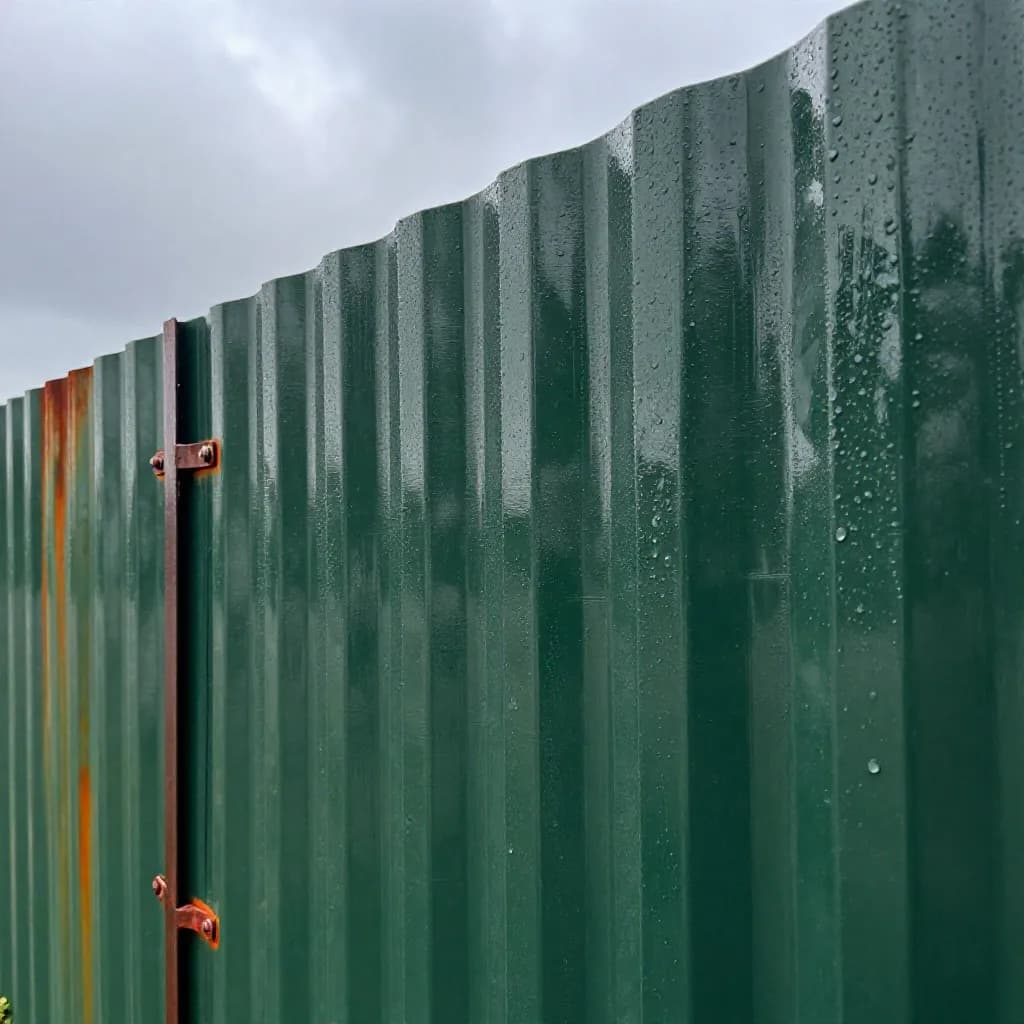
The level of rust protection powder coating provides depends on several interconnected factors: the quality of surface preparation and pretreatment, the type and thickness of the powder coating applied, the severity of the corrosive environment, and whether the coating film remains intact over time. When all of these factors are optimized, powder-coated steel can resist corrosion for decades in moderate environments.
Ready to Start Your Project?
From one-off customs to 15,000-part production runs — get precise pricing in 24 hours.
On This Page
Powder Coating Provides Excellent Rust Protection, But It Is Not Rust Proof
In standardized salt spray testing, which accelerates corrosive conditions to evaluate coating performance, well-prepared and powder-coated steel panels routinely achieve 500 to over 2,000 hours of resistance before corrosion appears. This performance significantly outperforms most single-coat liquid paint systems and is comparable to many multi-coat industrial paint specifications.
Understanding the mechanisms behind powder coating's corrosion protection, the critical role of pretreatment, and the limitations that exist helps consumers and specifiers make informed decisions about when powder coating alone is sufficient and when additional protection measures may be warranted.
How Powder Coating Protects Against Corrosion
Powder coating protects metal substrates from corrosion primarily through barrier protection. The cured coating film forms a continuous, dense layer that physically separates the metal surface from the corrosive elements in its environment — primarily moisture, oxygen, and dissolved salts. As long as this barrier remains intact, the underlying metal is shielded from the electrochemical reactions that cause rust.
The barrier effectiveness of powder coating is enhanced by several characteristics of the cured film. First, the film thickness is typically 60 to 120 microns for standard applications, substantially thicker than most single-coat liquid paint systems at 25 to 50 microns. This greater thickness provides a longer diffusion path for moisture and oxygen molecules attempting to reach the metal surface.
Second, the cross-linked polymer structure of a properly cured powder coating is denser and less permeable than many liquid paint films. The thermoset curing reaction creates a three-dimensional molecular network with fewer pathways for corrosive species to penetrate. This molecular density contributes to the superior barrier properties observed in accelerated corrosion testing.
Third, the electrostatic application process and thermal flow during curing produce a coating with excellent edge coverage and uniform thickness. Liquid paints tend to thin at edges and corners due to surface tension effects, creating vulnerable points where corrosion can initiate. Powder coatings naturally build up at edges during electrostatic application, providing enhanced protection at these critical locations.
Some powder coating formulations also incorporate active corrosion inhibitors — pigments or additives that provide additional protection beyond the barrier mechanism. These inhibitive pigments release corrosion-inhibiting ions when moisture penetrates the coating, providing a secondary defense mechanism at the coating-metal interface.
The Critical Role of Pretreatment
Pretreatment is arguably the most important factor in determining the corrosion protection performance of a powder coating system. Even the highest-quality powder coating will fail prematurely if applied over a poorly prepared surface. Pretreatment serves two essential functions: it removes contaminants that would prevent coating adhesion, and it creates a conversion coating layer that enhances both adhesion and corrosion resistance.
The cleaning stage removes oils, greases, dirt, mill scale, rust, and other contaminants from the metal surface. Common cleaning methods include alkaline washing, acid pickling, and mechanical abrasion such as sandblasting or shot blasting. The goal is a chemically clean, oxide-free surface that allows intimate contact between the conversion coating and the base metal.
Conversion coating is the step that transforms pretreatment from simple cleaning into a corrosion protection system. Iron phosphate, zinc phosphate, and zirconium-based conversion coatings chemically react with the metal surface to form a thin crystalline or amorphous layer that dramatically improves coating adhesion and provides an additional barrier against corrosion. Zinc phosphate conversion coatings, in particular, provide the highest level of corrosion protection and are specified for demanding applications.
The difference in corrosion performance between properly pretreated and inadequately pretreated powder-coated parts is dramatic. A powder-coated steel panel with zinc phosphate pretreatment may achieve 1,000 to 2,000 hours of salt spray resistance, while the same powder coating applied over a merely degreased surface might fail at 200 to 400 hours. This five-fold or greater difference underscores why pretreatment quality is the single most important variable in powder coating corrosion performance.
For the highest corrosion protection requirements, multi-stage pretreatment processes incorporating alkaline cleaning, acid activation, zinc phosphate conversion, and chromium-free sealing rinses provide the optimal foundation for powder coating adhesion and corrosion resistance.
Salt Spray Testing: Understanding the Numbers
Salt spray testing according to ASTM B117 or ISO 9227 is the most widely used method for evaluating the corrosion resistance of coated metal parts. In this accelerated test, coated panels are placed in a chamber maintained at 35 degrees Celsius with a continuous fog of 5 percent sodium chloride solution. The panels are periodically inspected for signs of corrosion including blistering, rusting, and creep from a scribed line.
Powder coating systems achieve a wide range of salt spray results depending on the substrate, pretreatment, and coating specification. A basic system of iron phosphate pretreatment with a single coat of polyester powder on steel typically achieves 500 to 750 hours. Upgrading to zinc phosphate pretreatment can extend this to 1,000 to 1,500 hours. Adding an epoxy primer coat beneath the polyester topcoat can push performance beyond 2,000 hours.
For context, many automotive OEM specifications require 720 to 1,000 hours of salt spray resistance. Architectural specifications such as Qualicoat Class 2 require 1,000 hours for aluminum substrates. Heavy-duty industrial and marine specifications may require 1,500 to 3,000 hours, which typically necessitates multi-coat powder systems or powder coating over hot-dip galvanizing.
It is important to understand the limitations of salt spray testing. The test creates a constant, severe corrosive environment that does not accurately replicate real-world exposure conditions, which involve wet-dry cycling, UV exposure, temperature fluctuations, and varying pollutant concentrations. Cyclic corrosion tests such as ASTM G85 and SAE J2334 provide more realistic assessments of real-world corrosion performance. Nevertheless, salt spray hours remain the most commonly referenced metric for comparing coating system corrosion resistance.
Limitations of Powder Coating Corrosion Protection
While powder coating provides excellent corrosion protection, understanding its limitations is essential for making appropriate specification decisions. The most fundamental limitation is that powder coating is a barrier coating — it protects only as long as the barrier remains intact. Any breach in the coating film, whether from impact damage, scratching, abrasion, or fabrication after coating, exposes the underlying metal to corrosive attack.
Edge corrosion is a common concern, particularly on cut edges of sheet metal where the coating thickness may be reduced. While powder coating provides better edge coverage than liquid paint due to electrostatic wrap-around effects, very sharp edges and burrs can still be difficult to coat adequately. Proper edge preparation, including deburring and radius creation, is important for maximizing edge corrosion resistance.
Coating damage during handling, assembly, and installation is another practical limitation. Powder-coated parts that are scratched, dented, or abraded during post-coating operations lose their corrosion protection at the damage site. Touch-up procedures using liquid repair paints or powder touch-up systems can restore protection, but the repaired area rarely matches the performance of the original intact coating.
In highly aggressive environments such as marine splash zones, chemical processing plants, or areas with severe industrial pollution, single-coat powder coating may not provide sufficient protection for steel substrates. These applications may require duplex systems combining hot-dip galvanizing with powder coating, multi-coat powder systems with epoxy primers, or alternative corrosion protection strategies.
Substrate quality also affects corrosion performance. Steel with surface defects, inclusions, or residual mill scale provides a compromised foundation for any coating system. The best pretreatment and powder coating cannot fully compensate for poor substrate quality.
Powder Coating vs Other Corrosion Protection Methods
Comparing powder coating to other corrosion protection methods helps place its capabilities in proper context. Hot-dip galvanizing provides sacrificial protection through a zinc layer that corrodes preferentially to protect the underlying steel, even at damage sites. This self-healing characteristic gives galvanizing an advantage over powder coating at points of coating damage. However, galvanizing alone provides limited aesthetic options and can develop white rust in certain environments.
The combination of hot-dip galvanizing and powder coating — known as a duplex system — provides the best of both worlds. The galvanized layer provides sacrificial protection at any damage sites, while the powder coating provides barrier protection, UV resistance, and aesthetic appeal. Duplex systems can achieve service lives two to three times longer than either galvanizing or powder coating alone, making them the preferred choice for demanding outdoor applications such as highway infrastructure, transmission towers, and marine structures.
Electroplating with zinc or zinc-nickel alloys provides thinner but more uniform corrosion protection than hot-dip galvanizing. Electroplated parts are commonly powder coated for automotive and industrial applications where both corrosion resistance and appearance are important. The electroplated layer provides baseline corrosion protection while the powder coating adds barrier protection and color.
Anodizing, used exclusively on aluminum substrates, creates a hard oxide layer that provides corrosion resistance and can be dyed for color. While anodizing provides excellent corrosion protection for aluminum, it offers a more limited color range and different aesthetic compared to powder coating. For aluminum applications requiring specific colors or textures, powder coating is generally preferred.
Liquid paint systems, including epoxy primers and polyurethane topcoats, can achieve comparable corrosion protection to powder coating when applied in multi-coat systems. However, they require multiple application and curing cycles, generate VOC emissions, and typically achieve lower material efficiency than powder coating.
Maximizing Rust Protection: Best Practices
Achieving the best possible corrosion protection from powder coating requires attention to every step of the process, from design through application to maintenance. Design for corrosion resistance begins with substrate selection and part geometry. Avoid designs that trap water, create crevices, or include sharp edges that are difficult to coat. Specify appropriate steel grades and ensure that fabrication processes such as welding and cutting are completed before coating.
Surface preparation quality cannot be overemphasized. For steel substrates in corrosive environments, specify blast cleaning to SA 2.5 or SSPC-SP10 near-white metal standard, followed by zinc phosphate conversion coating. For less demanding applications, thorough alkaline cleaning followed by iron phosphate conversion coating provides adequate preparation at lower cost.
Coating thickness should be specified based on the severity of the service environment. Standard applications typically require 60 to 80 microns, while demanding outdoor or industrial applications may require 80 to 120 microns or multi-coat systems. Thicker coatings provide longer diffusion paths for corrosive species and greater tolerance for localized thinning.
For the most demanding corrosion protection requirements, consider duplex systems combining galvanizing with powder coating, or multi-coat powder systems using an epoxy primer for corrosion resistance beneath a polyester topcoat for UV and weather resistance. These systems provide redundant protection mechanisms that significantly extend service life.
Post-coating care also affects long-term corrosion performance. Handle coated parts carefully to avoid damage, repair any coating damage promptly using approved touch-up materials, and establish a maintenance schedule that includes periodic cleaning and inspection. Early detection and repair of coating damage prevents corrosion from establishing and spreading beneath the intact coating.
Frequently Asked Questions
How many hours of salt spray resistance does powder coating provide?
Powder coating systems typically achieve 500 to over 2,000 hours of salt spray resistance depending on the pretreatment and coating specification. Basic iron phosphate with polyester powder achieves 500-750 hours, zinc phosphate pretreatment extends this to 1,000-1,500 hours, and adding an epoxy primer can push performance beyond 2,000 hours.
Will powder coating stop existing rust?
No. Powder coating must be applied to clean, rust-free metal. Any existing rust must be completely removed through sandblasting, chemical stripping, or mechanical cleaning before pretreatment and coating. Applying powder coating over rust will result in poor adhesion and premature coating failure.
Is powder coating better than galvanizing for rust prevention?
They protect differently. Galvanizing provides sacrificial protection that works even at damage sites, while powder coating provides superior barrier protection and aesthetics. The best corrosion protection comes from combining both in a duplex system, which can last two to three times longer than either method alone.
Can powder-coated steel rust if the coating is scratched?
Yes. Powder coating is a barrier coating, so any breach that exposes the underlying steel allows corrosion to begin at that point. This is why proper handling to avoid damage and prompt touch-up of any scratches or chips is important for maintaining long-term corrosion protection.
What pretreatment is best for rust prevention under powder coating?
Zinc phosphate conversion coating provides the best corrosion protection foundation for powder coating on steel. It significantly outperforms iron phosphate, with salt spray results often two to three times higher. For the most demanding applications, multi-stage pretreatment with zinc phosphate and a sealing rinse is recommended.
Ready to Start Your Project?
From one-off customs to 15,000-part production runs — get precise pricing in 24 hours.