The question of whether powder coating is food safe does not have a simple yes or no answer — it depends entirely on the specific powder coating formulation used. Standard powder coatings designed for general industrial and decorative use are not food safe and should not be used on surfaces that contact food or beverages. However, specific powder coating formulations have been developed and certified for food contact applications, and these products are widely used in the food processing, food service, and cookware industries.
Consumer
Is Powder Coating Food Safe? FDA Compliance, NSF Certification, and Cookware Applications
Sundial Powder Coating·April 22, 2026·11 min
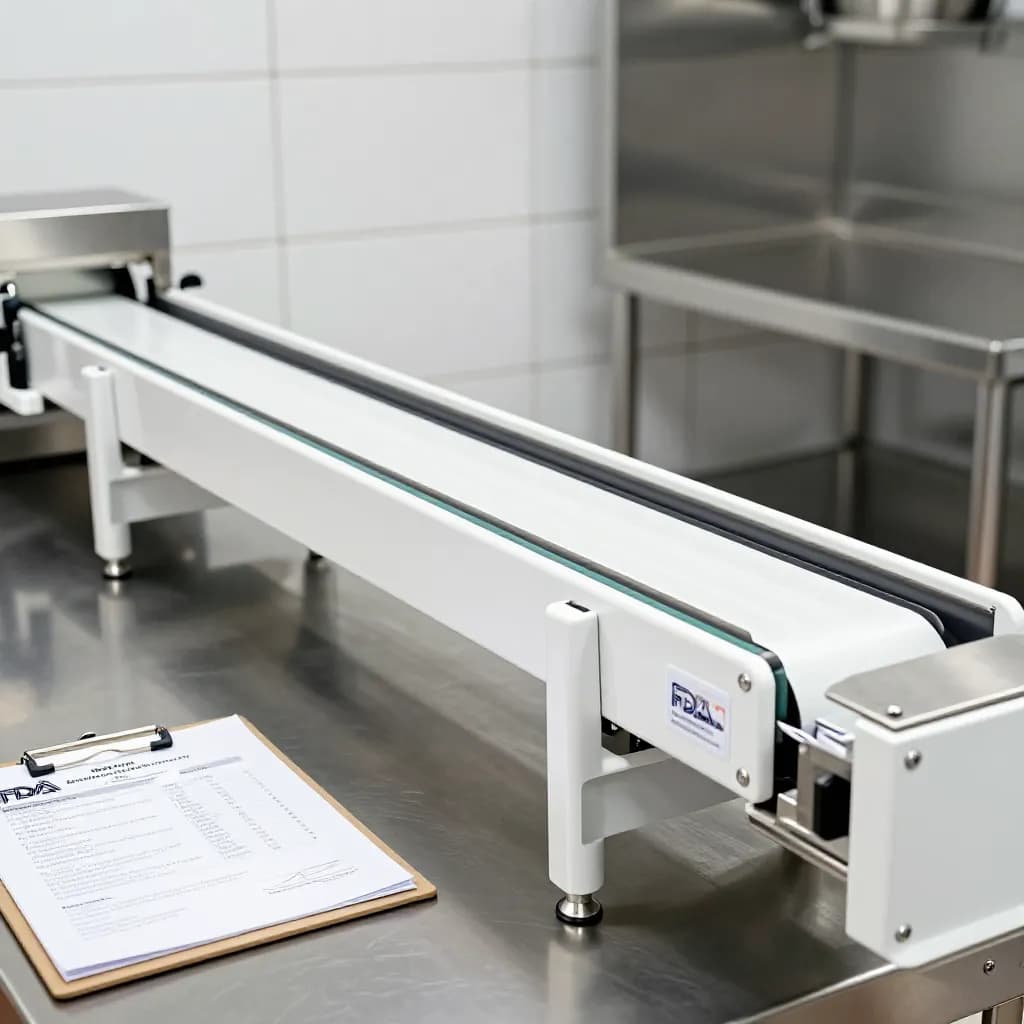
The distinction matters because powder coatings are complex chemical formulations containing resins, curing agents, pigments, fillers, and additives. Some of these ingredients are safe for food contact; others are not. A powder coating that is perfectly suitable for coating a fence or a car part may contain pigments or additives that could leach harmful substances into food. Conversely, a food-safe powder coating uses only ingredients that have been evaluated and approved for food contact by regulatory authorities.
Ready to Start Your Project?
From one-off customs to 15,000-part production runs — get precise pricing in 24 hours.
On This Page
Powder Coating and Food Safety: The Short Answer
For consumers, the practical takeaway is straightforward: if you need a powder-coated surface to contact food, you must specify a food-safe formulation and verify its compliance with the relevant regulatory standards. Do not assume that any powder coating is food safe simply because it is powder coating. The safety is in the formulation, not the application method.
This article explains the regulatory framework for food-safe coatings, identifies which powder coating formulations meet food safety standards, and discusses specific applications including cookware, food processing equipment, and food service environments.
FDA Compliance: What It Means for Powder Coatings
In the United States, the Food and Drug Administration (FDA) regulates materials that come into contact with food through Title 21 of the Code of Federal Regulations (CFR). The relevant sections for coatings are 21 CFR 175.300, which covers resinous and polymeric coatings for food contact surfaces, and related sections that address specific coating ingredients.
FDA compliance for a powder coating means that every ingredient in the formulation — the resin system, curing agents, pigments, fillers, flow agents, and any other additives — is listed as acceptable for food contact use under the applicable CFR sections. The coating manufacturer must verify that each raw material meets FDA requirements and that the finished coating, when properly cured, does not release substances into food above the permitted levels.
It is important to understand that the FDA does not approve or certify individual coating products. There is no FDA approval stamp for powder coatings. Instead, the coating manufacturer self-certifies that their formulation complies with the applicable FDA regulations based on the ingredients used and testing performed. Reputable powder coating manufacturers that offer food-safe products will provide a letter of compliance or a certificate of conformance stating that the specific product meets 21 CFR 175.300 or other applicable sections.
FDA compliance covers both direct food contact — where the coating surface touches food — and indirect food contact — where the coating is near food but not in direct contact. The requirements are more stringent for direct contact applications, particularly for coatings that will be exposed to hot foods, acidic foods, or alcoholic beverages, as these conditions increase the potential for chemical migration from the coating into the food.
Consumers should request FDA compliance documentation from the powder coating manufacturer or the coating shop before using any powder coating in a food contact application. A verbal assurance that the coating is food safe is not sufficient — written documentation of compliance is the standard of care.
NSF Certification: The Gold Standard for Food Equipment
NSF International (formerly the National Sanitation Foundation) provides third-party certification for products used in food processing, food service, and water treatment. NSF certification goes beyond FDA compliance by adding independent testing, facility audits, and ongoing monitoring to verify that products consistently meet food safety standards.
NSF/ANSI 51 is the standard that applies to food equipment materials, including coatings. A powder coating certified to NSF/ANSI 51 has been independently tested to verify that it does not release harmful substances into food under the conditions of its intended use. The certification also requires that the coating manufacturer's production facility meets NSF quality system requirements and is subject to periodic unannounced audits.
NSF certification is widely recognized and often required by health departments, food safety inspectors, and food industry buyers. Many commercial food processing and food service operations will only accept equipment with NSF-certified coatings, making NSF certification a practical necessity for powder coatings used in these markets.
The NSF certification mark on a product provides consumers and buyers with confidence that the coating has been independently verified for food safety, not just self-certified by the manufacturer. This third-party verification is the key difference between FDA compliance (self-certified) and NSF certification (independently verified).
Several major powder coating manufacturers offer NSF-certified formulations in a range of colors and finishes. These products are specifically designed for food contact applications and are manufactured under the quality controls required by NSF. When specifying powder coating for food equipment, requesting NSF/ANSI 51 certification provides the highest level of assurance.
In Europe, similar food contact regulations are governed by EU Regulation 1935/2004 and specific measures for plastic materials (EU 10/2011). Powder coatings for food contact in European markets must comply with these regulations, and some manufacturers hold both FDA compliance and EU conformity for their food-safe products.
Which Powder Coating Formulations Are Food Safe?
Not all powder coating chemistries are suitable for food-safe formulations. The resin system, pigments, and additives must all be selected from FDA-acceptable ingredients, which limits the available options compared to the full range of powder coating products.
Epoxy powder coatings are the most common chemistry for food contact applications. Epoxy resins based on bisphenol-A (BPA) have a long history of use in food-contact coatings, including the interior linings of food and beverage cans. However, concerns about BPA have led to the development of BPA-free epoxy formulations and alternative chemistries for food contact. When specifying epoxy powder coating for food contact, verify whether BPA-free formulation is required for your application.
Polyester powder coatings can also be formulated for food contact, though fewer polyester formulations carry food-safe certifications compared to epoxy. Food-safe polyester powders are used in applications where UV resistance is needed in addition to food safety, such as outdoor food service equipment and vending machines.
Fluoropolymer coatings — including PTFE (polytetrafluoroethylene) and PFA (perfluoroalkoxy) — are widely used in cookware and food processing for their non-stick properties and chemical inertness. These coatings are applied as powder or liquid and are FDA compliant for food contact. PTFE-based non-stick coatings are the familiar non-stick surfaces found on frying pans, baking sheets, and food processing equipment.
Silicone-modified powder coatings are used for high-temperature food contact applications such as oven interiors, barbecue grill components, and baking equipment. These formulations withstand the high temperatures encountered in cooking and baking while maintaining food safety compliance.
Pigment selection is critical for food-safe formulations. Some pigments commonly used in decorative powder coatings contain heavy metals or other substances that are not permitted for food contact. Food-safe powder coatings use only pigments that meet FDA requirements, which may limit the available color range compared to standard decorative powders. White, black, and a range of standard colors are typically available, but exotic colors and special effects may not be offered in food-safe formulations.
Cookware and Kitchen Applications
Powder coating plays a significant role in cookware and kitchen product manufacturing, though consumers may not always realize that the colorful finishes on their pots, pans, baking sheets, and kitchen appliances are often powder coated.
Exterior cookware finishes are one of the most visible consumer applications of food-adjacent powder coating. The colored exterior surfaces of pots, pans, and baking dishes are frequently powder coated with heat-resistant formulations that withstand repeated exposure to stovetop and oven temperatures. These exterior coatings are not in direct food contact — the food touches the interior surface — but they must still be formulated to withstand high temperatures without releasing odors, fumes, or degradation products.
Interior non-stick coatings on cookware use PTFE or ceramic-based formulations that are FDA compliant for direct food contact. These coatings provide the non-stick release properties that consumers value and are designed to withstand the thermal cycling, utensil contact, and cleaning that cookware endures. Modern non-stick cookware coatings are multi-layer systems with a primer for adhesion, a mid-coat for durability, and a topcoat for release properties.
Baking sheets, muffin tins, and other bakeware use food-safe powder coatings or PTFE coatings to provide non-stick release and easy cleaning. The coatings must withstand oven temperatures up to 260 degrees Celsius and repeated washing without degradation.
Kitchen appliance surfaces — the exterior panels of ovens, refrigerators, dishwashers, and small appliances — are frequently powder coated for durability and color. While these surfaces are not in direct food contact, they must be safe for the kitchen environment and resistant to cleaning products, steam, and cooking splashes.
For consumers who want to have custom cookware or kitchen items powder coated, it is essential to specify a food-safe formulation and verify that the coating shop understands the food contact requirements. A standard decorative powder coating applied to a barbecue grill grate or a custom baking pan would not be food safe. Only formulations specifically designed and certified for food contact should be used.
Food Processing and Commercial Food Service
The food processing and commercial food service industries are major users of food-safe powder coatings, applying them to a wide range of equipment and surfaces that must meet strict hygiene and safety standards.
Food processing equipment — conveyors, hoppers, mixing vessels, sorting tables, and packaging machinery — uses food-safe powder coatings on surfaces that contact food products during manufacturing. These coatings must resist the specific foods being processed (acidic, alkaline, oily, or abrasive foods), withstand aggressive cleaning and sanitization protocols, and maintain their integrity through continuous production use. NSF certification is typically required for food processing equipment coatings.
Commercial kitchen equipment in restaurants, hotels, hospitals, and institutional food service uses powder-coated surfaces extensively. Shelving, storage racks, prep tables, equipment stands, and ventilation hoods are commonly powder coated for durability and cleanability. The coating must withstand commercial cleaning chemicals, steam cleaning, and the demanding environment of a professional kitchen.
Food storage and display equipment — refrigerated cases, display shelves, food warmers, and serving stations — uses food-safe powder coatings on surfaces near or in contact with food. The coatings provide color, branding, and corrosion protection while meeting food safety requirements for the specific application.
Water contact applications represent a specialized subset of food-safe powder coating. Coatings used on water treatment equipment, drinking water pipes, and water storage tanks must comply with NSF/ANSI 61, which specifically addresses materials in contact with drinking water. These coatings are formulated and tested to ensure they do not leach harmful substances into drinking water.
For food industry buyers and specifiers, the key requirements when selecting powder coatings are: FDA compliance documentation, NSF certification where required, resistance to the specific foods and cleaning chemicals in the application, and the ability to withstand the thermal and mechanical demands of the production environment. Working with powder coating manufacturers that specialize in food-safe products ensures access to the right formulations and the technical support needed for these demanding applications.
What Consumers Should Know Before Using Powder Coating with Food
For consumers considering powder coating for any application involving food — whether it is a custom barbecue grill, a kitchen rack, a garden planter for edible plants, or a decorative bowl that might hold fruit — several practical guidelines will help ensure safety.
Always specify food-safe powder coating explicitly. Do not assume that a coating shop will automatically use a food-safe formulation. When you place your order, state clearly that the coated surface will contact food and request a food-safe product. Ask for the specific product name and manufacturer, and request written documentation of FDA compliance or NSF certification.
Understand the difference between direct and indirect food contact. A shelf that holds packaged food is indirect contact and has less stringent requirements than a surface that touches unpackaged food directly. A barbecue grill grate that contacts food at high temperatures is one of the most demanding food contact applications. The appropriate coating formulation depends on the type of contact and the conditions involved.
Cure the coating fully before food contact. Incompletely cured powder coating may release substances that would not be present in a fully cured film. Ensure that the coating shop follows the powder manufacturer's recommended cure schedule — correct temperature for the correct duration — and verify full cure before using the coated item with food.
Do not use standard decorative powder coatings for food contact, even if they look and feel similar to food-safe products. The difference is in the formulation chemistry, not the appearance. A standard RAL 9010 white powder coating and a food-safe white powder coating may look identical, but only the food-safe version has been formulated with FDA-acceptable ingredients.
For items that will be used with hot food or beverages, verify that the food-safe coating is rated for the temperatures involved. Some food-safe coatings are designed for ambient temperature contact only and may not be suitable for cookware or hot food service applications. High-temperature food-safe formulations exist but must be specifically requested.
When in doubt, consult the powder coating manufacturer directly. Major manufacturers have technical support teams that can recommend the appropriate food-safe product for your specific application and provide the compliance documentation you need.
Frequently Asked Questions
Is all powder coating food safe?
No. Standard powder coatings are not food safe. Only specific formulations made with FDA-acceptable ingredients are suitable for food contact. These food-safe formulations must be specifically requested and verified with compliance documentation. Never assume a powder coating is food safe without written confirmation from the manufacturer.
What certifications should food-safe powder coating have?
In the US, food-safe powder coatings should comply with FDA 21 CFR 175.300 for food contact coatings. NSF/ANSI 51 certification provides independent third-party verification of food safety. In Europe, compliance with EU Regulation 1935/2004 is required. NSF certification is considered the gold standard because it includes independent testing and facility audits.
Can I powder coat a barbecue grill grate for food use?
Yes, but only with a food-safe, high-temperature powder coating specifically designed for direct food contact at cooking temperatures. Standard powder coatings are not suitable. Specify a food-safe formulation rated for the temperatures your grill reaches, and ensure the coating shop follows the manufacturer's cure schedule precisely.
Are non-stick cookware coatings a type of powder coating?
Some non-stick coatings, particularly PTFE-based systems, are applied using powder coating technology. These are specialized food-safe formulations designed specifically for cookware, with FDA compliance for direct food contact at cooking temperatures. They are very different from standard decorative powder coatings.
Is powder coating safe for drinking water contact?
Specific powder coatings certified to NSF/ANSI 61 are approved for contact with drinking water. These formulations are tested to ensure they do not leach harmful substances into water. Standard powder coatings are not suitable for drinking water contact. Always verify NSF 61 certification for any coating used in drinking water applications.
Ready to Start Your Project?
From one-off customs to 15,000-part production runs — get precise pricing in 24 hours.