Powder coating is one of the most durable finishes available, but it is not indestructible. Chips from impacts, scratches from abrasion, and damage during installation or use are inevitable over the life of any coated product. When damage occurs, the natural question is: can you touch it up?
Consumer
How to Touch Up Powder Coating: Paint Matching, Repair Techniques, and Field Kits
Sundial Powder Coating·April 22, 2026·11 min
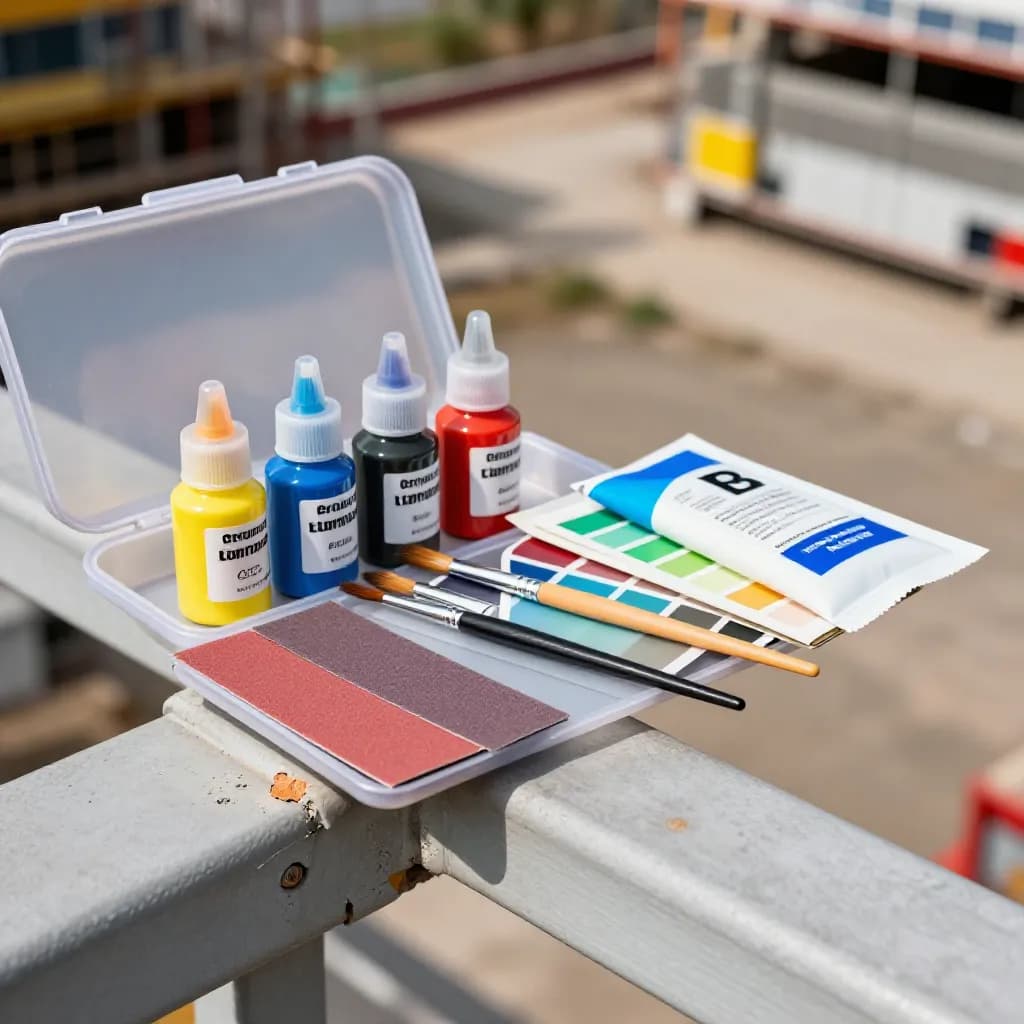
The honest answer is that powder coating touch-ups are possible but imperfect. Unlike liquid paint, which can be blended and feathered seamlessly into surrounding areas, powder coating is a thermally cured finish that cannot be replicated with a brush or spray can. Touch-up repairs use liquid paint or specialized repair products to cover the damaged area and protect the exposed metal, but the repair will never be completely invisible. The texture, sheen, and exact color of a liquid touch-up will differ slightly from the original powder coating.
Ready to Start Your Project?
From one-off customs to 15,000-part production runs — get precise pricing in 24 hours.
On This Page
The Reality of Touching Up Powder Coating
That said, a well-executed touch-up serves two critical purposes: it prevents corrosion of the exposed metal at the damage site, and it makes the damage far less noticeable than a bare metal chip or scratch. For most practical purposes, a good touch-up is entirely adequate. The key is using the right materials, proper technique, and realistic expectations about the result.
This guide covers the full range of powder coating repair options, from simple touch-up paint for minor chips to professional repair systems for larger damage, and helps you determine when touch-up is appropriate versus when full stripping and recoating is the better choice.
Color Matching: Getting the Right Touch-Up Paint
Accurate color matching is the foundation of a successful powder coating touch-up. The closer the touch-up paint matches the original powder coating color, the less visible the repair will be. Several approaches to color matching are available, ranging from simple to precise.
If you know the original powder coating color code — the RAL number, manufacturer color code, or custom formula — this is the best starting point. Many powder coating manufacturers offer color-matched liquid touch-up paints for their standard colors. Contact the original powder coating supplier or the manufacturer of the coated product to obtain the color code, then order the corresponding touch-up paint. This approach provides the closest color match because the touch-up paint is formulated to match the specific powder color.
For standard RAL colors, touch-up paints are widely available from coating suppliers and online retailers. RAL 9005 (jet black), RAL 9010 (pure white), RAL 7016 (anthracite grey), and other popular colors are stocked by most suppliers. If your powder coating is a standard RAL color, finding a matching touch-up paint is straightforward.
Custom color matching is necessary when the original color code is unknown or when the powder coating has faded or shifted over time. Automotive paint suppliers and specialty coating shops can match colors using spectrophotometer readings from the existing coating. You provide a sample — either the actual part or a chip of the coating — and they formulate a liquid paint to match. This service produces excellent results but requires access to a color-matching facility.
Spray cans of color-matched paint are available for larger touch-up areas. These aerosol touch-up paints provide a more uniform application than brush-on products and can cover larger damaged areas more effectively. However, spray application requires masking the surrounding area to prevent overspray, and the spray pattern must be carefully controlled to avoid runs and drips.
Regardless of the matching method, always test the touch-up paint on an inconspicuous area before applying it to the visible damage. Color appearance can vary depending on the application method, film thickness, and lighting conditions.
Repairing Minor Chips and Scratches
Minor chips and scratches — those smaller than a coin — are the most common type of powder coating damage and the easiest to repair. The repair process is straightforward and can be done by anyone with basic hand skills and the right materials.
Start by cleaning the damaged area thoroughly. Remove any loose coating, dirt, and debris from the chip or scratch using a small brush or compressed air. If the exposed metal shows any signs of rust, remove it with fine sandpaper (320-400 grit) or a rust-removing chemical. The repair will only be as good as the surface preparation underneath it.
For very small chips — pinhead to pencil eraser size — a touch-up paint pen or fine brush is the best application tool. Dip the brush or pen tip into the touch-up paint and carefully fill the chip, building up thin layers rather than trying to fill it in one thick application. Each layer should be allowed to dry before applying the next. The goal is to bring the paint level up to the surrounding powder coating surface without creating a raised bump.
For scratches, use a fine-tipped brush or paint pen to trace along the scratch line, filling the groove with touch-up paint. Work in short sections, keeping the paint within the scratch channel and wiping away any excess that gets on the surrounding powder coating before it dries. A steady hand and good lighting make this work much easier.
After the touch-up paint has fully cured — typically 24-48 hours for air-dry products — you can lightly wet-sand the repair with 1000-1500 grit sandpaper to level it with the surrounding surface, then polish with a rubbing compound to blend the sheen. This leveling step is optional but significantly improves the appearance of the repair, particularly on glossy powder coatings where a raised touch-up spot would be noticeable.
For matte or textured powder coatings, skip the polishing step, as polishing would create a glossy spot that stands out against the matte surroundings. Instead, apply the touch-up paint in thin layers and accept a slight texture difference at the repair site.
Handling Larger Damaged Areas
When powder coating damage extends beyond minor chips and scratches — areas larger than a coin, deep gouges, or sections where the coating has peeled or delaminated — more extensive repair techniques are needed. These repairs are more visible than small touch-ups but can still provide adequate protection and acceptable appearance.
For areas up to several square centimeters, spray-applied touch-up paint provides better coverage and a more uniform finish than brush application. Mask the surrounding undamaged coating with painter's tape, leaving only the damaged area and a small margin exposed. Apply the spray paint in light, even coats, building up coverage gradually. Multiple thin coats produce a better result than one heavy coat, which is prone to runs and uneven texture.
Feathering the edges of the repair helps it blend with the surrounding powder coating. After the spray paint has dried, lightly sand the transition zone between the touch-up paint and the original powder coating with 800-1000 grit sandpaper to create a gradual transition rather than a sharp edge. This feathering technique makes the repair boundary less visible, particularly when viewed from normal distances.
Two-component epoxy or polyurethane touch-up paints provide superior durability and chemical resistance compared to single-component air-dry products. These products require mixing a base component with a hardener before application and have a limited working time, but the cured film is harder, more chemical-resistant, and more closely approximates the performance of the original powder coating. Two-component products are recommended for repairs on parts exposed to harsh environments, chemicals, or heavy wear.
For structural or safety-critical parts where coating integrity is important for corrosion protection — such as outdoor railings, marine equipment, or industrial machinery — larger damaged areas should be repaired by a professional coating shop rather than with DIY touch-up methods. Professional repair may involve localized stripping, surface preparation, and application of a high-performance liquid coating system that provides reliable corrosion protection at the repair site.
Field Repair Kits: What They Include and How to Use Them
Many powder coating manufacturers and product manufacturers offer field repair kits designed specifically for touching up powder-coated products after installation. These kits are particularly common for architectural products — window frames, curtain wall components, railings, and cladding panels — where minor damage during installation is expected and must be repaired on-site.
A typical field repair kit includes color-matched touch-up paint in a small container or pen, a fine brush or applicator, surface preparation materials such as fine sandpaper and cleaning wipes, and application instructions specific to the coating system. Some kits also include a clear coat for application over the touch-up paint to match the gloss level of the original coating.
Using a field repair kit effectively requires following the manufacturer's instructions carefully. The general process is: clean the damaged area, lightly sand any rough edges or rust, apply the touch-up paint in thin layers, allow adequate drying time between coats, and apply clear coat if provided. The instructions will specify drying times, number of coats, and any special techniques for the specific coating system.
For architectural projects, field repair kits should be ordered at the same time as the coated products and kept on-site throughout the installation process. Installation crews should be trained in the proper use of the repair kit so that damage is repaired promptly and correctly. Delaying repairs allows exposed metal to begin corroding, which makes the eventual repair more difficult and less durable.
Some manufacturers offer repair kits with aerosol spray cans for larger touch-up areas, in addition to brush-on products for small chips. Having both options available on-site gives the installation crew flexibility to address different types and sizes of damage as they occur.
When ordering field repair kits, verify that the paint color matches the specific batch of powder coating used on your project. Powder coating colors can vary slightly between production batches, and a repair kit matched to the wrong batch may be noticeably different in color. Reputable manufacturers will match the repair kit to your specific order.
When Touch-Up Is Not Enough: Deciding to Recoat
Touch-up repair has its limits, and there are situations where stripping and recoating the entire part is the better choice. Recognizing when to stop touching up and start recoating saves time, money, and frustration in the long run.
Extensive damage covering more than 10-15 percent of the visible surface area is generally beyond practical touch-up repair. At this level of damage, the accumulation of touch-up spots becomes more visually distracting than the original damage, and the time spent on individual repairs exceeds the time needed to strip and recoat the entire part. Full recoating provides a uniform, factory-quality finish that no amount of touch-up can replicate.
Adhesion failure — where the powder coating is peeling, flaking, or lifting from the substrate — indicates a systemic problem that touch-up cannot solve. If the coating is delaminating in one area, it is likely to fail in other areas as well. Touching up delaminated spots is a temporary fix at best; the underlying adhesion problem will continue to cause failures. The part should be fully stripped, the cause of the adhesion failure identified and corrected, and a new coating applied.
Severe corrosion under the coating requires more than surface touch-up. If rust has developed under the powder coating and is pushing the coating off from beneath, the affected area must be stripped back to bare metal, the corrosion removed, and the surface properly prepared before any coating — touch-up or full recoat — can be applied. Painting over active corrosion simply traps moisture and accelerates the problem.
Color fading or chalking across the entire surface indicates that the coating has reached the end of its useful life. Touch-up paint applied to a faded surface will stand out as a brighter spot against the degraded surrounding coating. When the overall coating condition has deteriorated, full recoating is the only way to restore a uniform, attractive appearance.
Aesthetic standards also factor into the decision. For high-visibility applications — retail environments, corporate offices, showroom products — even well-executed touch-ups may be unacceptable because the repairs are visible under close inspection. In these contexts, recoating to achieve a flawless finish is often the right business decision.
Professional Repair Services and What to Expect
For damage that exceeds DIY touch-up capability, professional powder coating repair services offer several options ranging from localized repair to full recoating.
Localized professional repair involves a coating specialist visiting the site — or receiving the part at their shop — and performing a high-quality repair using professional-grade materials and techniques. This may include localized stripping of the damaged area, surface preparation, application of a multi-coat liquid repair system, and careful blending with the surrounding powder coating. Professional localized repairs are significantly better than DIY touch-ups in terms of durability and appearance, though they still will not perfectly match the original powder coating.
Full stripping and recoating is the definitive repair option. The part is taken to a powder coating shop, the old coating is completely removed using chemical stripping, thermal stripping, or media blasting, the bare metal is prepared and pretreated, and a fresh powder coating is applied and cured. The result is a factory-quality finish indistinguishable from the original coating. This option is appropriate for parts with extensive damage, adhesion failures, or coating that has reached the end of its service life.
On-site recoating is available for large or permanently installed items that cannot be removed and taken to a shop. Mobile powder coating services and on-site liquid coating specialists can strip and recoat railings, gates, structural steel, and other fixed installations. The finish quality of on-site work may not quite match shop-applied powder coating due to environmental variables, but it provides a practical solution for items that cannot be transported.
When engaging a professional repair service, provide as much information as possible about the original coating — color code, powder manufacturer, coating type, and any documentation from the original coating job. This information helps the repair specialist match the color and performance characteristics of the original coating as closely as possible.
Request a warranty on professional repair work. Reputable coating shops will stand behind their repairs with a warranty covering adhesion, color stability, and corrosion protection for a defined period. The warranty terms should be comparable to what the shop offers on new coating work.
Frequently Asked Questions
Can you touch up powder coating with regular paint?
You can use color-matched liquid paint for touch-ups, but the repair will not perfectly match the original powder coating in texture and sheen. For best results, use touch-up paint specifically formulated to match your powder coating color, available from powder coating manufacturers or through custom color matching services.
How do I find the right color for powder coating touch-up?
Start with the original powder coating color code — check product documentation, contact the manufacturer, or ask the coating shop that did the original work. For standard RAL colors, matching touch-up paints are widely available. For custom colors or faded coatings, a paint supplier with spectrophotometer color matching can formulate a custom match from a sample.
Will a powder coating touch-up be invisible?
No. Touch-up repairs using liquid paint will always differ slightly from the original powder coating in texture, sheen, and potentially color. However, a well-executed touch-up is far less noticeable than bare metal damage and provides essential corrosion protection. From normal viewing distances, quality touch-ups are often difficult to spot.
When should I recoat instead of touching up?
Consider full recoating when damage covers more than 10-15 percent of the surface, when the coating is peeling or delaminating, when corrosion has developed under the coating, or when the overall coating has faded or chalked. In these situations, touch-up repairs will not provide satisfactory results and full recoating is the better investment.
Do powder coating manufacturers sell touch-up kits?
Yes, many powder coating manufacturers and product manufacturers offer field repair kits with color-matched touch-up paint, applicators, and surface preparation materials. These kits are particularly common for architectural products. Order them at the same time as the coated products and verify the color matches your specific production batch.
Ready to Start Your Project?
From one-off customs to 15,000-part production runs — get precise pricing in 24 hours.