Powder coating is remarkably durable, but like any finish, it benefits from regular cleaning and proper maintenance. The way you clean powder-coated surfaces directly affects how long the finish maintains its color, gloss, and protective properties. Using the wrong cleaning products or techniques can actually damage the coating, causing premature dulling, discoloration, or even chemical attack that compromises the finish's integrity.
Consumer
How to Clean Powder-Coated Surfaces: Products, Techniques, and Restoring Faded Finishes
Sundial Powder Coating·April 22, 2026·11 min
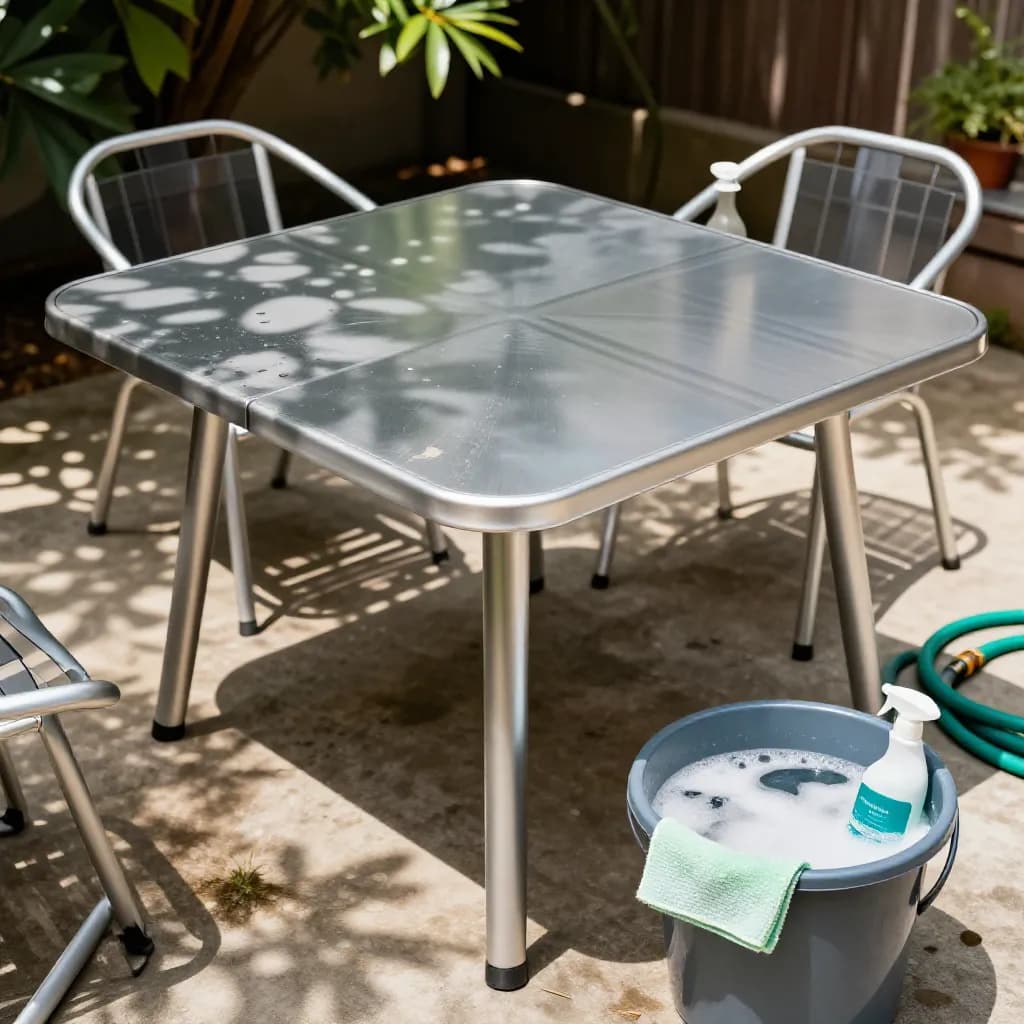
The good news is that cleaning powder-coated surfaces is simple and requires no specialized products or equipment. In most cases, mild soap and water are all you need. The challenge is not in the cleaning itself but in knowing what to avoid — certain common cleaning products and techniques that are perfectly safe for other surfaces can damage powder coating.
Ready to Start Your Project?
From one-off customs to 15,000-part production runs — get precise pricing in 24 hours.
On This Page
Why Proper Cleaning Matters for Powder-Coated Surfaces
Regular cleaning also serves a protective function beyond aesthetics. Dirt, pollution deposits, bird droppings, tree sap, salt spray, and industrial fallout can all degrade powder coating over time if left in contact with the surface. These contaminants can be mildly acidic or alkaline, and prolonged contact allows them to chemically interact with the coating surface, causing staining, etching, or accelerated weathering. Removing these contaminants promptly through regular cleaning prevents cumulative damage and extends the coating's service life.
This guide covers cleaning methods for different environments and contamination types, identifies products and practices to avoid, recommends cleaning frequencies for various applications, and explains how to restore powder-coated surfaces that have already begun to show signs of aging.
Basic Cleaning: The Right Products and Technique
For routine cleaning of powder-coated surfaces, the simplest approach is also the best: warm water with a mild, pH-neutral soap or detergent. Dish soap, car wash soap, or any gentle liquid soap without abrasives or strong solvents works well. Mix a small amount of soap into a bucket of warm water, apply with a soft cloth, sponge, or soft-bristle brush, and rinse thoroughly with clean water.
The technique matters as much as the product. Always start by rinsing the surface with plain water to remove loose dirt and grit. Washing a dirty surface without pre-rinsing drags abrasive particles across the coating, creating fine scratches that dull the finish over time. After pre-rinsing, wash with the soapy water using gentle pressure, working from top to bottom on vertical surfaces to prevent dirty water from running over already-cleaned areas.
Rinse thoroughly after washing to remove all soap residue. Soap left on the surface can attract dirt and leave a hazy film, particularly in hard water areas where mineral deposits form as the water evaporates. For the best results, do a final rinse with clean water and dry the surface with a soft, clean cloth or chamois to prevent water spots.
For outdoor powder-coated surfaces like fences, railings, and furniture, a garden hose provides adequate rinsing pressure. Pressure washers can be used but should be kept at moderate pressure — below 1500 psi — and held at least 30 centimeters from the surface. High-pressure washing at close range can damage powder coating, particularly at edges and corners where the coating may be thinner.
Microfiber cloths are ideal for cleaning powder-coated surfaces because they are soft, non-abrasive, and effective at lifting dirt without scratching. Avoid using paper towels, which can be surprisingly abrasive, and never use steel wool, scouring pads, or abrasive cleaning tools on powder-coated surfaces.
What to Avoid: Products and Practices That Damage Powder Coating
Knowing what not to use on powder-coated surfaces is just as important as knowing the right cleaning method. Several common cleaning products and practices can damage powder coating, and the damage may not be immediately apparent — it can accumulate over repeated cleanings until the finish is noticeably degraded.
Strong solvents are the most dangerous category. Acetone, MEK (methyl ethyl ketone), lacquer thinner, and other aggressive solvents can soften, dissolve, or discolor powder coating. Even brief contact with these solvents can leave permanent marks. If you need to remove a stubborn contaminant like adhesive residue or graffiti, use isopropyl alcohol (rubbing alcohol) or mineral spirits, which are mild enough for most powder coatings. Test any solvent on an inconspicuous area first.
Abrasive cleaners — including powdered cleansers, scouring creams, and cleaning products containing grit — will scratch the powder coating surface, creating a dull, hazy appearance. Once the surface is scratched, the damage is permanent and cannot be reversed without recoating. This includes seemingly mild products like baking soda paste, which is abrasive enough to scratch glossy powder coatings.
Strong acids and alkalis attack the chemical structure of powder coatings. Muriatic acid (hydrochloric acid), used for cleaning masonry and concrete, will damage powder coating on contact. Strong alkaline cleaners, including some oven cleaners and industrial degreasers, can soften and discolor the coating. Bleach (sodium hypochlorite) in concentrated form can also damage powder coating, though dilute bleach solutions used briefly for disinfection are generally safe if rinsed promptly.
Ammonia-based glass cleaners are a common source of damage because people assume they are safe for all surfaces. While a single use may not cause visible damage, repeated use of ammonia-based cleaners on powder coating can cause gradual dulling and discoloration over time. Use ammonia-free cleaners on powder-coated surfaces.
Pressure washing at excessive pressure or too close a distance can physically damage powder coating, particularly at edges, corners, and any areas where the coating may have minor defects. Keep pressure moderate and maintain distance from the surface.
Cleaning Frequency: How Often Is Enough?
The appropriate cleaning frequency for powder-coated surfaces depends on the environment, the type of contamination, and the aesthetic standards required. Over-cleaning wastes time and can cause unnecessary wear, while under-cleaning allows contaminants to accumulate and degrade the finish.
Interior surfaces in clean environments — office furniture, indoor railings, appliance panels — need cleaning only when visibly dirty or as part of routine housekeeping. For most interior applications, wiping down with a damp cloth weekly or biweekly is sufficient. High-touch surfaces like door handles and handrails may need daily cleaning for hygiene purposes, but the powder coating itself does not require more frequent attention.
Exterior surfaces in normal environments — residential fences, gates, outdoor furniture, window frames — should be cleaned two to four times per year. A quarterly cleaning schedule removes accumulated dirt, pollen, and atmospheric deposits before they can cause staining or degradation. Spring and fall cleanings are particularly important to remove winter salt deposits and summer pollen and tree sap.
Exterior surfaces in aggressive environments require more frequent cleaning. Coastal locations with salt spray exposure should be cleaned monthly or at minimum quarterly to remove salt deposits that accelerate coating degradation. Industrial areas with chemical fallout, areas near construction sites with concrete dust, and locations with heavy bird activity all benefit from more frequent cleaning.
Commercial and architectural powder-coated surfaces — building facades, storefronts, signage — should follow the maintenance schedule specified by the coating manufacturer or the building's maintenance plan. Qualicoat and other quality certification bodies publish maintenance guidelines that specify cleaning frequencies based on environmental exposure categories. Following these guidelines is important for maintaining warranty coverage on certified coating systems.
After specific contamination events — bird droppings, tree sap, graffiti, chemical spills, or construction dust — clean the affected area as soon as possible. These contaminants become more difficult to remove and more damaging to the coating the longer they remain in contact with the surface.
Removing Stubborn Contaminants
Some contaminants require more than soap and water to remove from powder-coated surfaces. Knowing how to handle these situations without damaging the coating is important for maintaining the finish.
Bird droppings are acidic and can etch powder coating if left in contact for extended periods. Remove bird droppings as soon as possible by soaking with warm soapy water to soften them, then wiping away with a soft cloth. Do not scrape dried bird droppings with a hard tool, as this can scratch the coating. If staining has occurred, a mild automotive polish may help restore the surface.
Tree sap and resin can be removed with isopropyl alcohol or mineral spirits applied to a soft cloth. Dab the solvent onto the sap and allow it to soften for a minute before gently wiping away. Avoid rubbing aggressively, as the sap can act as an abrasive if dragged across the surface. Wash the area with soap and water after removing the sap to remove any solvent residue.
Graffiti removal from powder coating depends on the type of graffiti material. Spray paint can often be removed with isopropyl alcohol or a commercial graffiti remover formulated for coated surfaces. Test the remover on an inconspicuous area first, as some graffiti removers contain solvents that can damage powder coating. Permanent marker is more difficult — try isopropyl alcohol first, and if that does not work, a specialized graffiti remover may be needed. Anti-graffiti clear coats can be applied over powder coating to make future graffiti removal easier.
Rust stains from contact with rusting steel objects — such as steel furniture on a powder-coated surface — can be removed with a mild oxalic acid-based rust remover. Apply the product according to its instructions, allow it to work for the specified time, and rinse thoroughly. Do not use strong acid-based rust removers, which can damage the powder coating.
Mineral deposits and hard water stains can be removed with a solution of white vinegar and water (1:1 ratio). Apply the solution, allow it to sit for a few minutes to dissolve the mineral deposits, then wipe clean and rinse. For heavy mineral buildup, a commercial lime and calcium remover formulated for painted surfaces can be used.
Restoring Faded and Chalked Powder Coating
Over years of exterior exposure, powder coating can gradually lose its gloss and develop a chalky surface texture. This chalking is caused by UV degradation of the resin at the coating surface, which breaks down the top layer of the coating into a fine powder. Chalking is a normal aging process for all organic coatings, though high-quality super-durable and fluoropolymer powder coatings resist it much longer than standard formulations.
Mild chalking can often be improved through cleaning and polishing. Start by washing the surface thoroughly with soap and water to remove the loose chalk and accumulated dirt. This alone can significantly improve the appearance of a mildly chalked surface. After washing, apply an automotive-grade cutting compound or polishing compound with a soft cloth, working in small sections. The compound removes the degraded surface layer, exposing fresher coating underneath and restoring some of the original gloss.
For more significant fading and chalking, a dedicated coating restorer product can help. These products, available from coating maintenance suppliers, contain mild abrasives and conditioning agents that remove the degraded surface layer and leave a protective film that temporarily restores color depth and gloss. The effect is not permanent — the restorer will need to be reapplied periodically — but it can extend the acceptable appearance of aging powder coating by several years.
Wax-based protective products can be applied after polishing or restoring to provide a sacrificial barrier that slows further UV degradation. Automotive-grade carnauba wax or synthetic polymer sealants work well on powder-coated surfaces. Apply a thin, even coat, allow it to haze, and buff to a shine. Reapply every 3-6 months for ongoing protection.
When chalking and fading have progressed beyond what polishing and restoration can address — when the color has shifted significantly, the surface is rough and powdery, or the coating is thin enough that the substrate is visible — the coating has reached the end of its service life and needs to be stripped and recoated. No amount of polishing or restoration product can substitute for a fresh coating at this stage.
Commercial and Industrial Maintenance Programs
For commercial buildings, industrial facilities, and large-scale installations with significant powder-coated surfaces, a structured maintenance program ensures consistent care and maximizes coating life. These programs go beyond ad-hoc cleaning to provide systematic, documented maintenance that protects the investment in powder-coated finishes.
A commercial maintenance program should include a cleaning schedule based on the environmental exposure category of the building. Qualicoat, the European quality label for architectural powder coating, defines five environmental categories ranging from rural to severe industrial and coastal. Each category has recommended cleaning frequencies, with more aggressive environments requiring more frequent cleaning. Following these guidelines is typically a condition of the coating warranty.
Documentation is an important component of commercial maintenance. Recording cleaning dates, products used, and the condition of the coating at each cleaning creates a maintenance history that supports warranty claims, identifies areas of accelerated degradation, and helps plan future recoating. Photographic documentation at regular intervals provides visual evidence of the coating's condition over time.
Inspection should accompany each cleaning event. While cleaning, maintenance personnel should note any chips, scratches, areas of adhesion loss, corrosion, or unusual discoloration. Early identification of coating defects allows prompt repair before the damage spreads. A simple inspection checklist ensures that all coated surfaces are evaluated consistently.
Training maintenance staff in proper cleaning techniques and product selection prevents well-intentioned but damaging cleaning practices. Staff should understand which products are approved for use on powder-coated surfaces, the correct dilution ratios for cleaning solutions, and the importance of rinsing thoroughly after cleaning. A brief training session and a posted reference guide in the maintenance area can prevent costly cleaning damage.
For large commercial facades, professional cleaning services that specialize in building exterior maintenance can provide efficient, safe cleaning using appropriate equipment and techniques. These services are particularly valuable for high-rise buildings where access requires specialized equipment.
Frequently Asked Questions
What is the best cleaner for powder-coated surfaces?
Warm water with a mild, pH-neutral soap or dish detergent is the best and safest cleaner for powder-coated surfaces. Apply with a soft cloth or sponge, rinse thoroughly with clean water, and dry to prevent water spots. For most routine cleaning, this simple approach is all that is needed.
Can you use a pressure washer on powder coating?
Yes, but keep the pressure below 1500 psi and maintain at least 30 centimeters distance from the surface. High pressure at close range can damage powder coating, particularly at edges and corners. A garden hose with a spray nozzle is sufficient for most residential cleaning and is safer for the coating.
What chemicals damage powder coating?
Strong solvents like acetone and lacquer thinner, concentrated acids and alkalis, bleach in concentrated form, and ammonia-based cleaners can all damage powder coating. Abrasive cleaners and scouring pads will scratch the surface. When in doubt, test any cleaning product on an inconspicuous area first.
How often should you clean powder-coated outdoor furniture?
Clean outdoor powder-coated furniture two to four times per year under normal conditions. In coastal areas with salt exposure, monthly cleaning is recommended. Clean promptly after contamination events like bird droppings or tree sap. Regular cleaning prevents contaminant buildup that can degrade the finish over time.
Can you restore faded powder coating without recoating?
Mild fading and chalking can be improved by washing, polishing with automotive cutting compound, and applying a coating restorer product. This can restore some gloss and color depth. However, severely faded or chalked coating has reached the end of its service life and will need to be stripped and recoated for a lasting restoration.
Does waxing powder coating help protect it?
Yes. Automotive-grade carnauba wax or synthetic polymer sealants provide a sacrificial barrier that slows UV degradation and makes the surface easier to clean. Apply every 3-6 months for ongoing protection. Waxing is particularly beneficial for exterior powder-coated surfaces exposed to direct sunlight.
Ready to Start Your Project?
From one-off customs to 15,000-part production runs — get precise pricing in 24 hours.