Two shops can use the exact same powder from the same manufacturer and produce completely different results. The difference comes down to preparation, process control, and attention to detail. A shop that cuts corners on surface prep, rushes the curing cycle, or skips pretreatment will deliver a finish that looks acceptable on day one but starts failing within months.
Consumer
How to Choose a Powder Coating Shop: What to Look For
Sundial Powder Coating·April 20, 2026·9 min
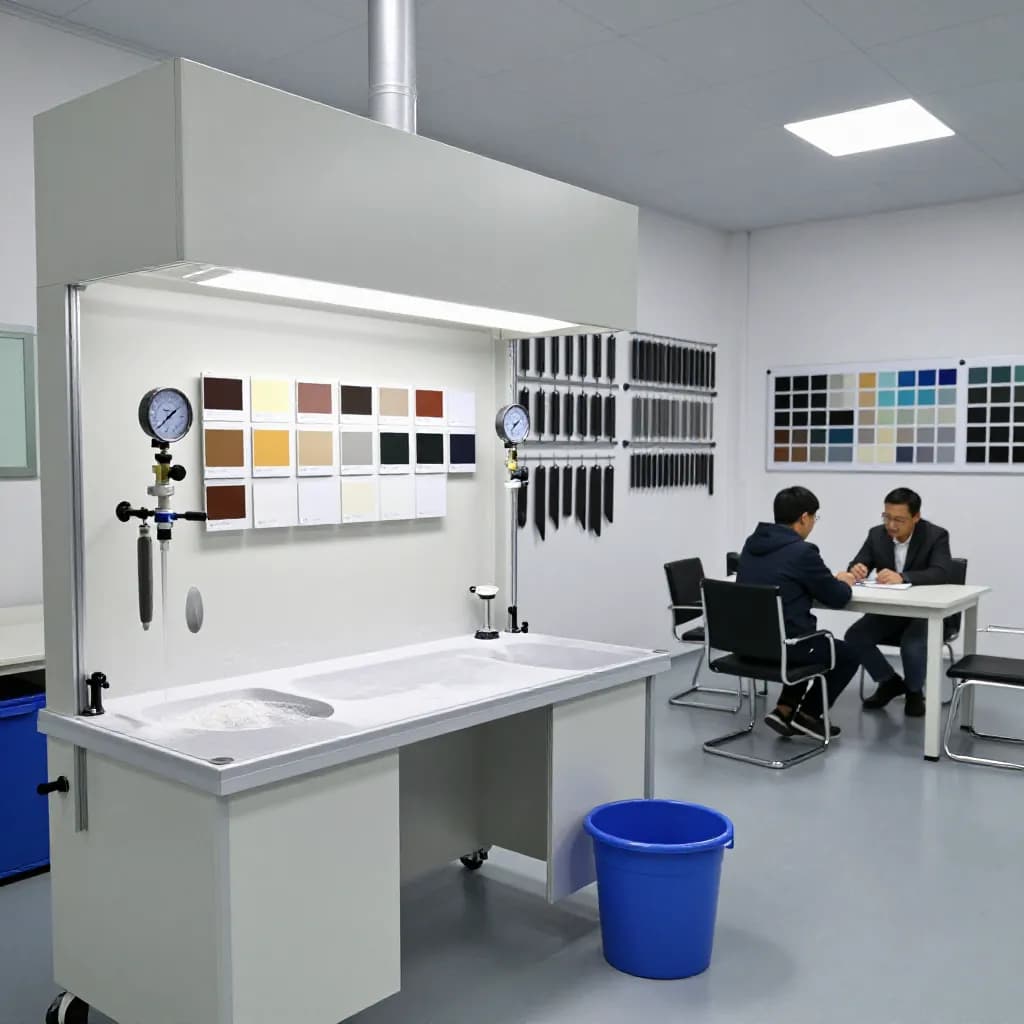
Powder coating is not just spraying colored powder onto metal. It is a multi-step process where each stage directly affects the quality and longevity of the final finish. Proper chemical pretreatment, correct film thickness, accurate oven temperature, and appropriate cure time all need to be right. A shop that understands and controls these variables will produce a finish that lasts years longer than one that does not.
Ready to Start Your Project?
From one-off customs to 15,000-part production runs — get precise pricing in 24 hours.
On This Page
Why the Shop Matters More Than You Think
For most consumers, powder coating is not something you do often, so you may not have a go-to shop. Taking a little time to evaluate your options before committing your parts and money can save you from disappointing results, wasted time, and the cost of having the job redone. The following sections will help you identify a quality shop and avoid the ones that are not worth your business.
Key Questions to Ask
Start by asking what pretreatment process the shop uses. Pretreatment is the chemical cleaning and conversion coating applied to the metal before powder is sprayed. It is the foundation of a durable finish. A quality shop will use a multi-stage pretreatment process, typically involving cleaning, rinsing, and a conversion coating like iron phosphate or zirconium. If a shop says they just blast and coat, that is a red flag for anything that will live outdoors.
Ask about their curing process. Specifically, how do they monitor oven temperature and cure time? A good shop will have calibrated oven temperature recorders or data loggers that verify the parts reach the correct temperature for the correct duration. Powder that is under-cured will be soft and prone to scratching, while over-cured powder can become brittle and discolored.
Other important questions include whether they offer color samples or test panels before committing to a full run, what their warranty or guarantee covers, how they handle masking for threaded holes and mating surfaces, and what their typical turnaround time is. A shop that is willing to discuss these details openly is one that takes their work seriously.
Signs of a Quality Shop
A clean, organized facility is one of the strongest indicators of a quality powder coating operation. The spray booth should be clean and well-maintained, parts should be hung on organized racks rather than piled on the floor, and the workspace should be free of excessive dust and debris. Contamination is the enemy of a good finish, and a shop that keeps a tidy workspace is one that understands this.
Look for color samples or a sample board on display. A shop that invests in keeping a range of color and finish samples available is one that cares about helping customers make informed choices. It also shows they work with a variety of powders and finishes rather than offering only one or two options.
Willingness to discuss your project in detail is another positive sign. A quality coater will ask about the intended use of your parts, the environment they will be exposed to, and any specific requirements you have. They should be able to recommend the right type of powder for your application, whether that is a standard polyester for outdoor use, a hybrid for indoor items, or a specialty coating for high-temperature or chemical exposure.
Red Flags to Watch For
No pretreatment process is the biggest red flag in powder coating. If a shop tells you they blast the parts and go straight to coating without any chemical pretreatment, the finish will have significantly reduced adhesion and corrosion resistance. This shortcut saves the shop time and money but costs you in finish longevity. For any outdoor or high-performance application, pretreatment is non-negotiable.
No temperature monitoring or process documentation is another warning sign. If the shop cannot tell you what temperature their oven runs at or how they verify cure, they are guessing rather than controlling their process. Consistent results require consistent process control, and a shop without it is producing variable quality from batch to batch.
Unusually cheap quotes should also raise questions. Powder coating has real costs in materials, energy, labor, and equipment. A quote that is dramatically lower than competitors usually means something is being skipped, whether that is pretreatment, proper blasting, adequate cure time, or quality powder. Ask what is included in the quote and compare the scope of work, not just the bottom-line number.
Understanding Quotes and What Is Included
A complete powder coating quote should cover the full scope of work: stripping the old finish if applicable, media blasting, pretreatment, masking, powder application, curing, and any post-coating work like assembly or packaging. Some shops bundle everything into a single per-piece or per-square-meter price, while others itemize each step. Either approach is fine as long as you understand what is included.
Stripping and blasting are often the most labor-intensive parts of the process, especially for parts with heavy old coatings or significant corrosion. If a quote seems low, ask whether stripping and blasting are included or charged separately. A shop that quotes only the coating step and then adds stripping, blasting, and masking as extras can end up costing more than a shop with a higher but all-inclusive price.
Masking is another area where costs can vary. Simple parts with no threaded holes or mating surfaces require minimal masking, while complex parts like motorcycle frames, engine components, or precision-machined items need careful, time-consuming masking work. If your parts have specific masking requirements, mention them upfront so the quote reflects the actual work involved.
Getting the Best Results from Your Coater
Provide clean parts whenever possible. While the shop will do the final cleaning and preparation, delivering parts that are free of heavy grease, oil, and loose debris saves time and can reduce your cost. Remove any non-metal components, stickers, rubber grommets, and hardware before drop-off. The less disassembly and cleaning the shop has to do, the faster and cheaper the job will be.
Discuss masking needs in detail before work begins. If your parts have threaded holes, bearing surfaces, electrical contacts, or any area that must remain uncoated, point these out clearly. Providing a written list or marked-up photo of masking requirements eliminates misunderstandings and ensures nothing is missed. Good communication about masking is one of the simplest ways to avoid problems during reassembly.
Approve color samples before the full production run. Most quality shops will spray a test panel or sample chip in your chosen color for approval before coating your actual parts. Take advantage of this. Colors can look different on a screen, in a catalog, and on actual metal. Seeing the real color on a real sample under real lighting conditions prevents the disappointment of receiving parts in a shade you did not expect.
Frequently Asked Questions
How do I find powder coating shops near me?
Search online for powder coating services in your area, check Google Maps reviews, and ask for recommendations in local car, motorcycle, or DIY community groups. Many shops also list themselves on industry directories. Visit the shop in person if possible before committing to a large job, as seeing the facility firsthand tells you a lot about their quality standards.
Should I get multiple quotes?
Yes, getting two or three quotes is a good practice, especially for larger jobs. Compare not just the price but the scope of work included. Ask each shop the same questions about pretreatment, curing process, and masking so you can make an informed comparison. The cheapest quote is not always the best value.
What turnaround time should I expect?
Most shops complete standard jobs in three to seven business days. Complex projects, large batches, or jobs requiring special colors may take longer. Rush services are available at many shops for an additional fee. Ask about turnaround time when getting your quote so you can plan accordingly.
Do powder coating shops offer warranties?
Many quality shops offer a warranty on their work, typically covering defects in adhesion, peeling, or premature failure for one to five years. The warranty usually does not cover damage from impact, abrasion, or improper maintenance. Ask about warranty terms before committing and get them in writing.
Ready to Start Your Project?
From one-off customs to 15,000-part production runs — get precise pricing in 24 hours.