Bisphenol A (BPA) is one of the most studied endocrine-disrupting chemicals, with documented effects on reproduction, development, and metabolism. While BPA is commonly associated with polycarbonate plastics and food can linings, it is also a component of epoxy resin systems used in coatings, adhesives, and composites. A study of workers spraying epoxy resins found twice the urinary BPA levels of unexposed controls, demonstrating that occupational coating work is a significant source of BPA exposure - with implications for worker reproductive health that specification choices can eliminate.
paint-and-liquid-coatings-risks
Epoxy Resin Sprayers: 2x Higher Bisphenol A Urinary Levels
Sundial Research Team·February 17, 2025·5 min
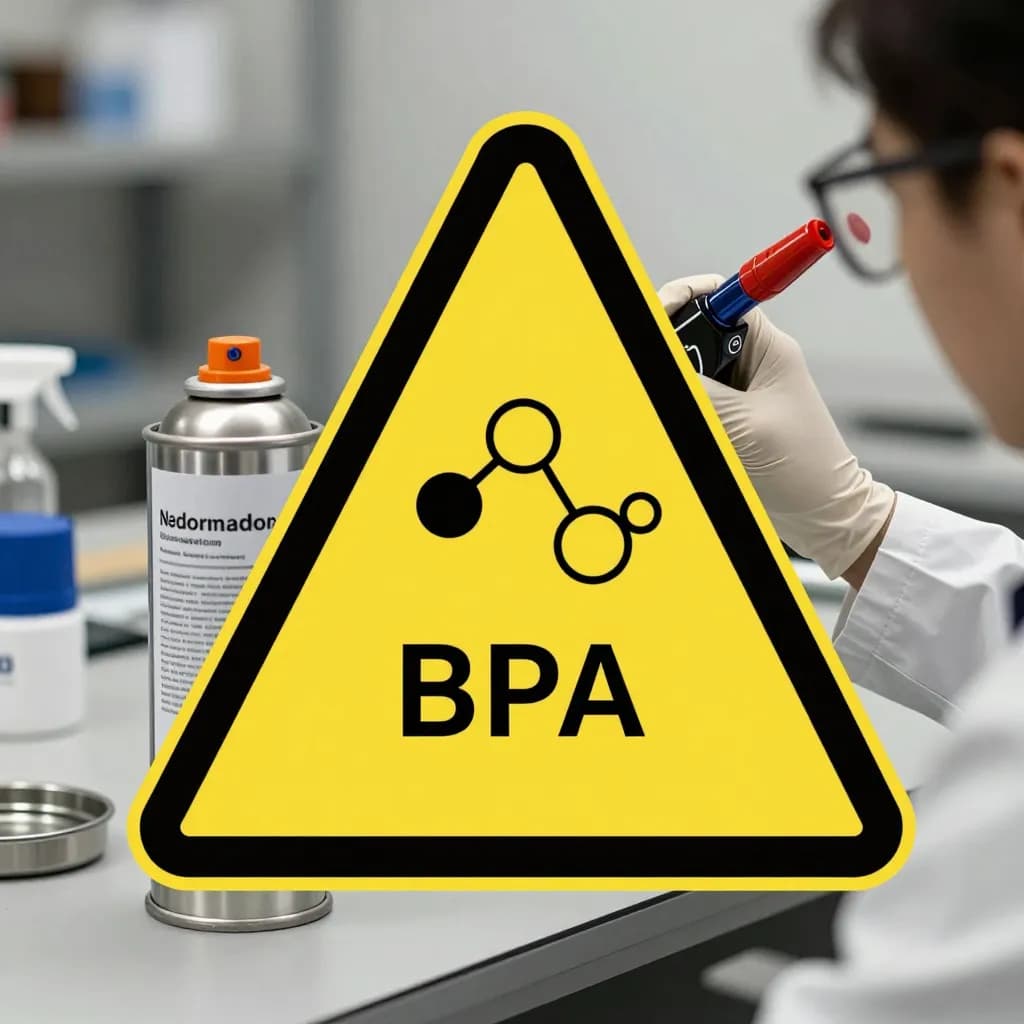
Epoxy resin sprayers had approximately 2x higher urinary BPA levels than controls.
Ready to Start Your Project?
From one-off customs to 15,000-part production runs — get precise pricing in 24 hours.
On This Page
Epoxy Resin Sprayers: 2x Higher Bisphenol A Urinary Levels
Bisphenol A in Epoxy Coatings
Chemistry
BPA is a building block for epoxy resins:
- BPA + epichlorohydrin -> bisphenol A diglycidyl ether (BADGE)
- BADGE is the monomer for most epoxy resins
- Residual BPA may be present in epoxy formulations
- Hydrolysis of BADGE can release BPA during curing or degradation
Applications
Epoxy coatings containing BPA-derived resins are used for:
- Industrial floor coatings: Chemical resistance, durability
- Tank and pipe linings: Corrosion protection
- Marine coatings: Anti-corrosive primers
- Aerospace coatings: Structural adhesives and primers
- Automotive coatings: Anti-chip primers
- Can coatings: Food and beverage can linings
The Sprayer Exposure Study
Study Design
- Exposed group: Workers spraying epoxy resins in industrial settings
- Control group: Unexposed workers from same facilities
- Biomarker: Urinary BPA (spot samples or 24-hour collection)
- Exposure assessment: Job classification, air monitoring
Key Finding
This doubling of internal BPA dose demonstrates that occupational epoxy coating work produces biologically significant exposure to this endocrine disruptor.
Health Implications of Elevated BPA
Reproductive Effects
| Effect | Evidence Strength | Relevant Dose |
|---|---|---|
| Altered FSH levels | Strong | Occupational exposure levels |
| Decreased sperm quality | Moderate | Higher exposure levels |
| Altered estradiol | Moderate | Occupational exposure levels |
| Menstrual irregularities | Moderate | Higher exposure levels |
Developmental Effects
- Animal studies: Developmental toxicity, neurobehavioral effects
- Human epidemiology: Associations with child behavioral outcomes
- Mechanism: Estrogen receptor binding; other endocrine pathways
Metabolic Effects
- Associations with obesity: BPA exposure linked to weight gain
- Diabetes associations: Epidemiological links to type 2 diabetes
- Thyroid effects: Altered thyroid hormone levels
Epigenetic Programming
- DNA methylation changes: BPA alters gene expression patterns
- Transgenerational effects: Animal studies show grandchild effects
- Neurodevelopment genes: BPA affects genes involved in brain development
The Urinary Biomarker Significance
Urinary BPA is the standard biomarker of exposure because:
- BPA is rapidly metabolized: Half-life of hours in humans
- Urinary levels reflect recent exposure: 24-hour integration
- Detection methods are robust: LC-MS/MS methods are sensitive and specific
- Population reference data available: NHANES provides US population distributions
Population Comparison
| Group | Geometric Mean Urinary BPA |
|---|---|
| US general population (NHANES) | ~1-2 ug/L |
| Epoxy resin sprayers | ~2-4 ug/L (2x controls) |
| Workers with dermal exposure | May be higher |
| Occupational peak exposures | Variable; may be much higher |
Exposure Pathways in Spraying
Inhalation
- Aerosolized epoxy resin droplets contain BPA/BADGE
- Vapor pressure of BPA is low, but aerosol carriage is significant
- Respirable particles penetrate deep into lungs
Dermal
- Overspray contacts skin
- Contaminated surfaces transfer BPA to hands
- Protective clothing may be inadequate
- BPA is absorbed through skin
Ingestion
- Hand-to-mouth contact during breaks
- Eating in work areas
- Contaminated drinking containers
The Endocrine Disruption Mechanism
BPA acts as an estrogen receptor agonist with additional endocrine activities:
- ER-alpha binding: Mimics estradiol at estrogen receptors
- ER-beta effects: Different affinity and activity profiles
- Androgen receptor antagonism: Blocks testosterone action
- Thyroid disruption: Affects thyroid hormone transport and metabolism
- Aromatase effects: May alter estrogen synthesis
At occupational exposure levels, these mechanisms may produce subtle but biologically significant hormonal changes.
Regulatory Status
| Jurisdiction | BPA Regulation | Relevant to Coatings |
|---|---|---|
| EU REACH | Restricted in thermal paper, baby bottles | Occupational exposure less regulated |
| US FDA | Banned in baby bottles, sippy cups | Food contact coatings regulated |
| California Prop 65 | Listed as reproductive toxicant | Warning required |
| EPA | Under endocrine disruptor screening | Limited regulatory action |
Despite consumer product restrictions, occupational BPA exposure remains largely unregulated in the United States.
Powder Coating: BPA Elimination
Standard powder coating formulations do not use BPA-derived epoxy resins:
- Epoxy-polyester hybrids: Use standard epoxy chemistry but in powder form; BPA content varies by formulation
- Pure polyester powders: No epoxy; no BPA
- Polyurethane powders: No BPA
- Acrylic powders: No BPA
For BPA-free requirements, specifying pure polyester, polyurethane, or acrylic powder coatings eliminates BPA exposure entirely.
Conclusion
The finding that epoxy resin sprayers have twice the urinary BPA levels of controls is not merely a biomarker observation. It is evidence that occupational coating work delivers a biologically significant dose of an endocrine disruptor to workers' bodies. This BPA exposure occurs at levels that alter reproductive hormones, may affect fertility, and has been associated with developmental effects in offspring.
For government agencies employing coating workers - particularly workers of reproductive age - the BPA exposure from epoxy systems is a preventable risk. Powder coating alternatives eliminate this exposure, protecting both current workers and the future health of their families. The choice between liquid epoxy and powder coating is, in part, a choice between accepting and preventing occupational endocrine disruption.
Ready to Start Your Project?
From one-off customs to 15,000-part production runs — get precise pricing in 24 hours.