Once fully cured, powder coating produces absolutely no odor. The finished coating is a chemically inert, solid polymer film that does not off-gas, emit volatile substances, or produce any detectable smell under normal conditions. This is one of the most significant advantages of powder coating over liquid paint, which can continue to release solvent odors for days, weeks, or even months after application.
Consumer
Does Powder Coating Smell? Odor During Curing and After Application
Sundial Powder Coating·April 22, 2026·10 min
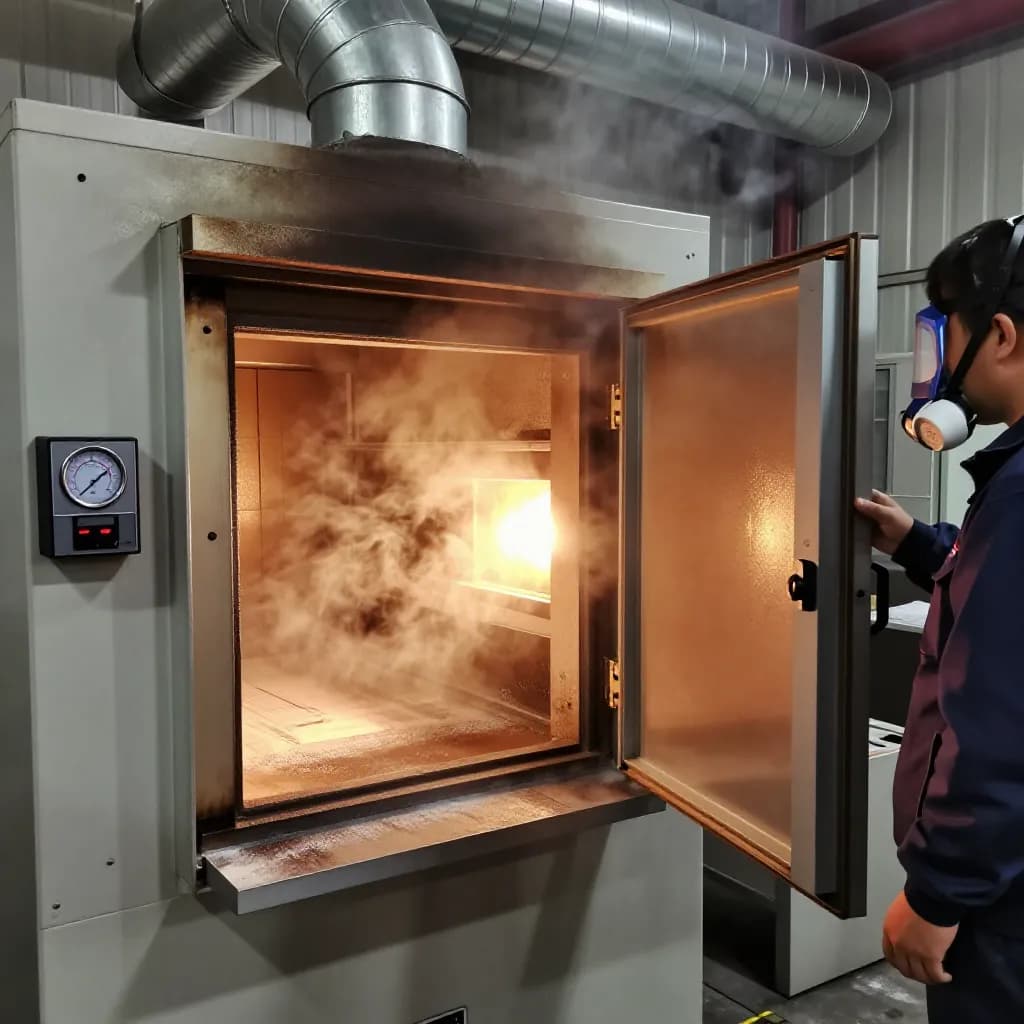
During the curing process, powder coating does produce a mild odor as the powder melts, flows, and cross-links in the oven. This curing odor is generally described as a faint, slightly sweet or chemical smell that is far less intense and far less objectionable than the strong solvent odors associated with liquid paint application and drying.
Ready to Start Your Project?
From one-off customs to 15,000-part production runs — get precise pricing in 24 hours.
On This Page
Cured Powder Coating Has No Smell Whatsoever
The near-absence of odor throughout the powder coating lifecycle — from application through curing to long-term use — is a direct consequence of the technology's solvent-free formulation. Because powder coatings contain no volatile organic compounds, there are no solvents to evaporate and create the characteristic paint smell that most people associate with coating operations.
This odor advantage makes powder coating particularly suitable for products used in enclosed spaces, occupied buildings, and sensitive environments where paint odors would be unacceptable. It also makes powder coating facilities more pleasant workplaces compared to liquid paint operations.
What Happens During the Curing Process
The curing process is the only phase of powder coating where any odor is produced, and understanding what causes this odor helps put it in proper perspective. When powder-coated parts enter the curing oven at temperatures typically between 160 and 200 degrees Celsius, the powder particles melt, flow together into a continuous film, and undergo a chemical cross-linking reaction that transforms the thermoplastic powder into a thermoset coating.
During this thermal process, several sources contribute to the mild curing odor. The cross-linking reaction itself can release small amounts of volatile byproducts depending on the curing chemistry. TGIC-cured polyester coatings release trace amounts of glycidyl compounds. HAA-cured polyester coatings release small amounts of water vapor and organic byproducts. Epoxy coatings may release trace amounts of bisphenol A-related compounds.
Flow and leveling additives, degassing agents, and other processing aids in the powder formulation may also contribute volatile components during the initial heating phase. These additives are present in small quantities and their volatile emissions are correspondingly minor.
Any moisture or contaminants on the substrate surface can also produce odor when heated. Residual cleaning chemicals, fingerprint oils, and trapped moisture all vaporize in the curing oven and can contribute to the overall odor profile. Proper cleaning and drying before coating minimizes these substrate-related odors.
The total volume of volatile emissions during powder coating curing is extremely small — typically less than 1 percent of the coating weight. This is in stark contrast to liquid paint, where 30 to 60 percent of the applied material evaporates as solvents during drying and curing. The difference in emission volume directly explains the dramatic difference in odor intensity between the two technologies.
Why Powder Coating Is VOC-Free and Odorless
The fundamental reason powder coating is virtually odorless is the complete absence of volatile organic compounds in its formulation. VOCs are the primary source of the strong, persistent odors associated with liquid paints, varnishes, and stains. By eliminating solvents entirely, powder coating eliminates the source of paint odor at its root.
Liquid paints require solvents to dissolve the resin and create a liquid that can be sprayed, brushed, or rolled onto a surface. As the paint dries and cures, these solvents evaporate into the air, carrying their characteristic chemical odors with them. Common paint solvents including xylene, toluene, methyl ethyl ketone, and various glycol ethers each have distinctive and often unpleasant odors that can persist in enclosed spaces for extended periods.
Powder coatings bypass the need for solvents entirely. The coating material is manufactured by melt-mixing the resin, pigments, and additives in an extruder, cooling the mixture, and grinding it into a fine powder. This powder is applied electrostatically to the part and cured by heat, with no solvent evaporation step at any point in the process.
The VOC-free nature of powder coating has implications beyond odor. It means that powder-coated products can be installed in occupied buildings, hospitals, schools, and food service facilities without the ventilation delays and air quality concerns that accompany liquid paint application. There is no need to wait for paint fumes to dissipate before occupying a space containing newly powder-coated products.
For consumers who are sensitive to chemical odors or who have respiratory conditions that are aggravated by paint fumes, powder-coated products offer a genuinely odor-free alternative. The cured coating will never produce the off-gassing that can make newly painted products uncomfortable to be around.
Comparing Powder Coating Odor to Liquid Paint
The odor comparison between powder coating and liquid paint is not even close. Liquid paint operations produce strong, pervasive odors that can be detected hundreds of meters from the painting facility, while powder coating operations produce minimal odor that is typically undetectable outside the immediate vicinity of the curing oven.
During application, liquid paint spraying releases a concentrated cloud of solvent vapor that produces intense odor in the spray area and requires powerful ventilation systems to maintain breathable air quality. Workers in liquid paint spray booths must wear respiratory protection specifically to avoid inhaling solvent vapors. Powder coating application, by contrast, produces no odor at all — the dry powder particles are odorless, and the only air quality concern is particulate dust rather than chemical vapors.
During drying and curing, liquid paint continues to release solvents as the film forms, producing ongoing odor that can persist for hours to days depending on the paint type, film thickness, and ventilation conditions. Solvent-based paints are the worst offenders, but even water-based latex paints produce noticeable odor from their co-solvent and coalescent components. Powder coating curing produces a mild odor only during the 10 to 20 minutes the parts are in the oven, and this odor is contained within the oven and its exhaust system.
After curing, the difference is absolute. Cured powder coating produces zero odor indefinitely. Liquid paint can continue to off-gas residual solvents for weeks or months, particularly in enclosed spaces with limited ventilation. This off-gassing is the source of the new paint smell that many people find objectionable and that can trigger headaches, nausea, and respiratory irritation in sensitive individuals.
For renovation and construction projects where occupants will be present shortly after finishing work is completed, powder-coated products eliminate the paint odor problem entirely. There is no waiting period for fumes to dissipate and no risk of odor complaints from building occupants.
Ventilation Requirements for Powder Coating Operations
While powder coating produces far less odor and fewer emissions than liquid painting, proper ventilation is still required in powder coating facilities for both the application area and the curing oven. The ventilation requirements are significantly less demanding than those for liquid paint operations, but they are not zero.
The powder coating spray booth requires ventilation to capture airborne powder particles and maintain air quality for the operator. This ventilation is designed for particulate control rather than vapor control, using cartridge filters or cyclone separators to capture overspray powder. The air volumes and filtration requirements are determined by the booth size and production rate, not by solvent vapor concentrations.
The curing oven requires exhaust ventilation to remove the small amounts of volatile byproducts generated during the curing process. Oven exhaust rates are typically much lower than those required for liquid paint bake ovens because the volume of volatiles is so much smaller. A typical powder coating oven exhaust rate of 2 to 4 air changes per hour is adequate, compared to 10 to 20 air changes per hour for a liquid paint bake oven.
For home and hobby powder coaters using domestic ovens, ventilation is particularly important because residential ovens are not designed for industrial coating processes. Opening windows, using exhaust fans, and ensuring adequate air circulation during curing prevents the mild curing odor from accumulating in the living space. Dedicated workshop ovens with proper exhaust are the preferred setup for regular home powder coating.
The overall ventilation infrastructure for a powder coating facility is simpler, less expensive, and less energy-intensive than that required for a liquid paint facility of equivalent capacity. There is no need for explosion-proof electrical systems, solvent vapor monitoring, or thermal oxidizer equipment — all of which are standard requirements for liquid paint operations.
Special Considerations for Sensitive Environments
Certain environments have heightened sensitivity to odors and emissions, and powder coating's near-zero odor profile makes it particularly well-suited for products used in these settings.
Healthcare facilities including hospitals, clinics, and dental offices require furnishings and equipment that do not contribute to indoor air quality problems. Patients with respiratory conditions, compromised immune systems, or chemical sensitivities can be adversely affected by paint odors and off-gassing. Powder-coated medical furniture, equipment housings, and architectural components meet the stringent indoor air quality requirements of healthcare environments without the ventilation delays associated with liquid-painted products.
Schools and childcare facilities are another sensitive environment where indoor air quality directly affects the health and comfort of children and staff. Powder-coated furniture, shelving, and fixtures can be installed and used immediately without concern for off-gassing or residual paint odors. This is particularly valuable for renovation projects that must be completed during short school breaks.
Food service and food processing facilities require finishes that do not impart odors or flavors to food products. Powder-coated equipment, shelving, and surfaces meet this requirement because the cured coating is completely odorless and does not release any volatile substances that could affect food quality.
Residential applications benefit from powder coating's odor-free nature as well. Powder-coated furniture, appliances, and fixtures can be brought into the home and used immediately without the new paint smell that can linger for days or weeks with liquid-painted products. For individuals with multiple chemical sensitivity or fragrance sensitivity, powder-coated products are a safer choice.
Office environments where indoor air quality affects worker comfort and productivity also benefit from powder-coated furnishings. The absence of off-gassing means that new powder-coated office furniture does not contribute to sick building syndrome or trigger complaints from occupants sensitive to chemical odors.
Frequently Asked Questions
Does powder coating have a smell after it's cured?
No. Fully cured powder coating is completely odorless. The cross-linked polymer film is chemically inert and does not off-gas or release any volatile substances. This is a major advantage over liquid paint, which can continue to release solvent odors for weeks or months after application.
Is there any smell during the powder coating curing process?
Yes, a mild odor is produced during the 10-20 minute curing process as the powder melts and cross-links at 160-200°C. This odor is faint compared to liquid paint fumes and is contained within the oven exhaust system. The total volatile emissions are less than 1% of the coating weight.
Is powder coating smell harmful?
The mild curing odor is not considered harmful at normal exposure levels when proper oven ventilation is maintained. The emissions are far less than liquid paint solvents. However, adequate ventilation during curing is recommended, especially for home powder coaters using domestic ovens.
Why does liquid paint smell but powder coating doesn't?
Liquid paint contains 30-60% organic solvents that evaporate during drying, creating strong odors. Powder coating contains zero solvents — it's a 100% solid formulation applied as dry powder and cured by heat. No solvents means no solvent odor at any stage of the process.
Can powder-coated products be used immediately in occupied spaces?
Yes. Because cured powder coating produces zero odor and zero off-gassing, powder-coated products can be installed and used immediately in occupied buildings, hospitals, schools, and food service facilities without any ventilation delay or air quality concerns.
Ready to Start Your Project?
From one-off customs to 15,000-part production runs — get precise pricing in 24 hours.