Powder coating is one of the most effective methods for preventing rust on steel and iron substrates. The cured coating forms a dense, continuous barrier that physically separates the metal from the moisture, oxygen, and salts that cause corrosion. When combined with proper surface preparation and pretreatment, powder coating can keep steel rust-free for 15 to 25 years or more in moderate outdoor environments.
Consumer
Does Powder Coating Prevent Rust? Barrier Protection and Maintenance Guide
Sundial Powder Coating·April 22, 2026·11 min
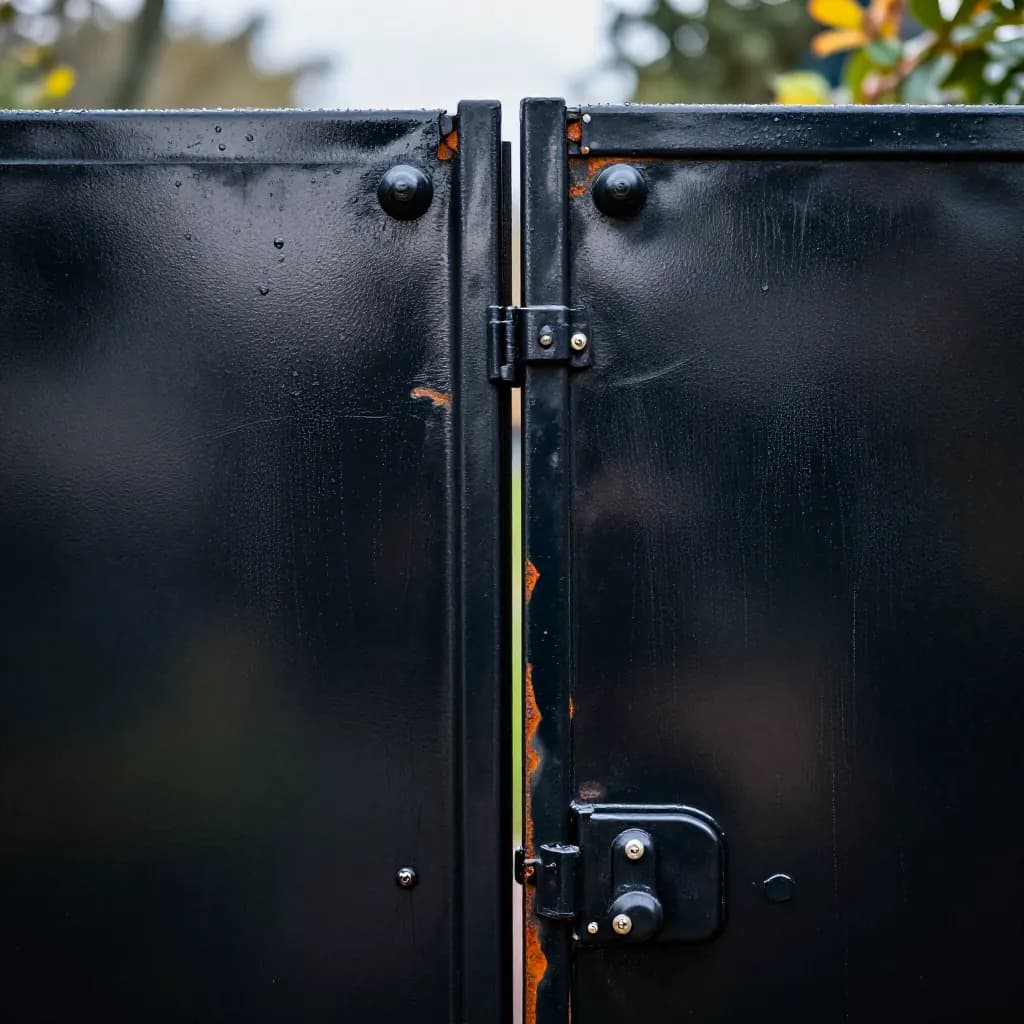
The rust prevention capability of powder coating comes from its barrier protection mechanism. The cross-linked polymer film acts as a shield that prevents corrosive agents from reaching the metal surface. As long as this barrier remains intact and unbroken, the underlying metal is protected from the electrochemical reactions that produce rust.
Ready to Start Your Project?
From one-off customs to 15,000-part production runs — get precise pricing in 24 hours.
On This Page
Powder Coating Is Highly Effective at Preventing Rust
However, powder coating's rust prevention has an important limitation: it protects only where the coating is present and intact. Any breach in the coating — from impact damage, scratching, abrasion, or inadequate coverage at edges — creates an entry point for moisture and oxygen to reach the metal and initiate corrosion. This is why coating integrity, proper pretreatment, and ongoing maintenance are all essential components of an effective rust prevention strategy.
Understanding how powder coating prevents rust, what enhances its effectiveness, and where its limitations lie helps consumers and specifiers make informed decisions about corrosion protection for their specific applications.
How Barrier Protection Works Against Rust
Rust is the common name for iron oxide, formed when iron or steel reacts with oxygen in the presence of moisture. This electrochemical corrosion process requires three elements: the metal (anode), oxygen (cathode reactant), and an electrolyte (water, often containing dissolved salts). Remove any one of these three elements, and rust cannot form.
Powder coating prevents rust by blocking the electrolyte and oxygen from reaching the metal surface. The cured polymer film is hydrophobic and has very low permeability to water and dissolved ions. While no organic coating is perfectly impermeable — water molecules can slowly diffuse through any polymer film — the rate of permeation through a well-cured powder coating is so low that it is insufficient to sustain active corrosion at the coating-metal interface.
The thickness of the powder coating directly affects its barrier effectiveness. Standard powder coatings at 60 to 80 microns provide a diffusion path that is two to four times longer than typical liquid paint films at 25 to 40 microns. This greater thickness means it takes significantly longer for moisture and oxygen to permeate through the coating and reach the metal, extending the time before corrosion can initiate.
The cross-linked molecular structure of cured powder coating contributes to barrier performance by creating a dense, tortuous path for diffusing molecules. The three-dimensional polymer network forces water and oxygen molecules to navigate around cross-link points and through narrow molecular channels, dramatically slowing their progress compared to diffusion through a less structured material.
Edge coverage is another barrier advantage of powder coating. The electrostatic application process causes powder particles to wrap around edges and build up at corners, providing coating thickness at these vulnerable locations where liquid paint tends to thin. Since edges and corners are often the first points where rust initiates on painted parts, this enhanced edge coverage is a meaningful practical advantage.
Pretreatment Synergy: Multiplying Rust Protection
The combination of pretreatment and powder coating creates a rust prevention system that is far more effective than either component alone. Pretreatment provides a chemically bonded intermediate layer between the metal and the coating that enhances adhesion, inhibits corrosion initiation, and prevents the spread of any corrosion that does occur.
Iron phosphate conversion coating, the most basic pretreatment for steel, creates a thin amorphous layer that improves coating adhesion and provides modest corrosion inhibition. Parts with iron phosphate pretreatment and standard powder coating typically achieve 500 to 750 hours of salt spray resistance — adequate for many indoor and mild outdoor applications.
Zinc phosphate conversion coating provides substantially better corrosion protection. The crystalline zinc phosphate layer is thicker and more protective than iron phosphate, and it actively inhibits corrosion through the release of phosphate ions at the coating-metal interface. Zinc phosphate pretreatment with powder coating typically achieves 1,000 to 1,500 hours of salt spray resistance, suitable for demanding outdoor and industrial applications.
Modern chrome-free pretreatment systems based on zirconium, titanium, or silane chemistry offer corrosion protection comparable to iron phosphate or better, while eliminating the environmental concerns associated with chromate and phosphate waste streams. These systems are increasingly adopted as environmental regulations tighten.
The synergy between pretreatment and powder coating is multiplicative rather than additive. A good pretreatment does not simply add its own corrosion resistance to that of the powder coating — it fundamentally improves the coating's ability to protect the metal by ensuring strong adhesion, preventing under-film corrosion propagation, and maintaining the integrity of the coating-metal interface over time.
Powder Coating vs Galvanizing for Rust Prevention
Powder coating and hot-dip galvanizing are the two most common rust prevention methods for steel, and they work through fundamentally different mechanisms. Understanding these differences helps specifiers choose the right protection method — or combination — for their application.
Hot-dip galvanizing protects steel through sacrificial protection. The zinc coating is more electrochemically active than steel, so when both metals are exposed to a corrosive environment, the zinc corrodes preferentially, sacrificing itself to protect the steel. This sacrificial mechanism provides protection even at damage sites where the steel is exposed — the surrounding zinc continues to protect the exposed steel through galvanic action.
Powder coating protects through barrier protection, physically separating the steel from the corrosive environment. This barrier is highly effective as long as it remains intact, but it provides no sacrificial protection at damage sites. If the coating is scratched or chipped to expose bare steel, corrosion can initiate at that point without any self-healing mechanism.
The practical implications of these different mechanisms are significant. Galvanized steel tolerates handling damage, scratches, and minor coating loss without immediate corrosion risk. Powder-coated steel requires more careful handling and prompt repair of any coating damage to maintain protection.
However, powder coating offers advantages that galvanizing cannot match: unlimited color options, smooth decorative finishes, UV resistance, and chemical resistance. Galvanizing provides only a metallic gray appearance that weathers to a dull gray over time and offers no UV protection.
The duplex system — hot-dip galvanizing followed by powder coating — combines the advantages of both methods. The galvanized layer provides sacrificial protection at any damage sites, while the powder coating provides barrier protection, UV resistance, and aesthetic appeal. Duplex systems achieve service lives two to three times longer than either method alone, making them the gold standard for demanding outdoor steel applications.
Where Powder Coating Alone May Not Be Enough
While powder coating provides excellent rust prevention for most applications, there are environments and situations where additional protection measures are warranted. Recognizing these limitations helps avoid premature coating failure and unexpected corrosion.
Marine and coastal environments present the most challenging conditions for any coating system. The combination of salt spray, high humidity, UV radiation, and wind-driven abrasion accelerates coating degradation and corrosion initiation. For steel structures in marine splash zones or within a few hundred meters of the coastline, single-coat powder coating may not provide adequate long-term protection. Duplex systems, multi-coat powder systems, or enhanced pretreatment are recommended for these environments.
Buried or immersed steel requires specialized coating systems that go beyond standard decorative powder coating. Buried pipelines, underground tanks, and submerged structures face continuous moisture contact, soil chemistry variations, and potential cathodic protection interactions that demand purpose-designed coating systems such as fusion-bonded epoxy at thicknesses of 300 to 500 microns.
Chemical processing environments where steel is exposed to aggressive acids, alkalis, or solvents may overwhelm the chemical resistance of standard powder coatings, leading to coating degradation and subsequent corrosion. These applications require chemical-resistant formulations, typically epoxy-based, applied at increased thickness.
Cut edges and fabrication damage are inherent weak points in any barrier coating system. When pre-coated steel is cut, drilled, or otherwise fabricated after coating, the exposed edges have no coating protection. These unprotected edges can become corrosion initiation sites that eventually undermine the surrounding intact coating. Edge sealing, touch-up coating, or design strategies that minimize exposed edges help address this limitation.
Crevice corrosion in overlapping joints, under washers, and in other confined spaces can occur even when the surrounding coating is intact. Moisture that enters a crevice becomes trapped and concentrated, creating an aggressive localized corrosion environment. Proper joint design, sealants, and adequate coating of mating surfaces help prevent crevice corrosion.
Maintenance: Keeping Rust at Bay Long-Term
Regular maintenance extends the rust prevention life of powder-coated steel and catches potential problems before they develop into significant corrosion. A simple maintenance program can add years to the effective service life of a powder coating system.
Periodic cleaning removes contaminants that can accelerate coating degradation and corrosion. Salt deposits, industrial pollutants, bird droppings, and organic growth on the coating surface can create localized aggressive environments that attack the coating. Cleaning with mild detergent and water at least twice per year — more frequently in coastal or industrial environments — removes these contaminants and maintains the coating's protective function.
Regular inspection identifies coating damage before corrosion has time to establish and spread. Look for chips, scratches, cracks, blistering, and any signs of rust staining on the coating surface. Pay particular attention to edges, corners, fastener locations, and areas subject to mechanical contact or abrasion, as these are the most likely locations for coating damage.
Prompt repair of coating damage is the most important maintenance action for rust prevention. When damage is identified, clean the affected area, remove any rust that has formed, and apply touch-up coating to restore the barrier. The sooner damage is repaired, the less opportunity corrosion has to spread beneath the intact coating.
For outdoor powder-coated steel in moderate environments, a maintenance schedule of semi-annual cleaning and annual inspection is typically adequate. More aggressive environments may require quarterly cleaning and semi-annual inspection. High-value or safety-critical structures may warrant more frequent inspection with documented condition assessments.
When the coating reaches the end of its effective service life — indicated by widespread chalking, fading, or the beginning of general corrosion — recoating provides a cost-effective way to extend the structure's life. Proper preparation of the existing surface, including removal of any corrosion and restoration of the pretreatment layer, ensures that the new coating bonds well and provides another full service life of rust protection.
Choosing the Right Rust Prevention Strategy
Selecting the appropriate rust prevention strategy requires matching the protection system to the severity of the corrosive environment and the expected service life of the product or structure.
For interior applications with no moisture exposure, standard powder coating over basic pretreatment provides more than adequate rust prevention. The coating serves primarily as a decorative finish, with rust prevention as a secondary benefit that is rarely tested by the mild interior environment.
For moderate outdoor environments — urban and suburban locations away from the coast and heavy industry — standard powder coating over zinc phosphate pretreatment provides reliable rust prevention for 15 to 20 years. This is the most common specification for outdoor furniture, fencing, signage, and general architectural metalwork.
For demanding outdoor environments including coastal areas, industrial zones, and regions with heavy road salt use, enhanced protection is recommended. Options include duplex galvanizing plus powder coating, multi-coat powder systems with epoxy primer, or super-durable polyester formulations over zinc phosphate pretreatment. These systems provide 20 to 30 years of rust prevention in challenging conditions.
For the most severe environments — marine splash zones, chemical plants, and buried or immersed applications — specialized coating systems designed for the specific exposure conditions are required. These applications typically fall outside the scope of standard decorative powder coating and require engineering input from corrosion specialists.
Regardless of the protection level selected, the quality of surface preparation and pretreatment remains the most critical factor in rust prevention performance. Investing in thorough surface preparation and high-quality pretreatment pays dividends in extended coating life and reduced maintenance costs over the service life of the coated product.
Frequently Asked Questions
How long does powder coating prevent rust?
With proper pretreatment, powder coating prevents rust for 15-25 years in moderate outdoor environments. The duration depends on pretreatment quality, coating thickness, environmental severity, and maintenance. Duplex systems combining galvanizing with powder coating can extend protection to 30+ years.
Is powder coating or galvanizing better for rust prevention?
They work differently: galvanizing provides sacrificial protection that works even at damage sites, while powder coating provides superior barrier protection with aesthetic options. The best rust prevention combines both in a duplex system, achieving 2-3 times the service life of either method alone.
Will powder coating stop rust from spreading?
Powder coating prevents rust by blocking moisture and oxygen from reaching the metal. However, it cannot stop existing rust — all rust must be removed before coating. If rust forms at a coating damage site, it can spread beneath the intact coating if not repaired promptly.
Does powder coating rust in rain?
No. Intact powder coating is highly resistant to rain and moisture. The cured polymer film is hydrophobic and has very low water permeability. Rust only occurs if the coating is damaged, exposing the underlying steel to moisture. Regular inspection and prompt repair of any damage maintains protection.
What maintenance prevents rust on powder-coated steel?
Clean surfaces semi-annually with mild detergent and water, inspect annually for coating damage, and repair any chips or scratches promptly with touch-up coating. Pay special attention to edges, corners, and fastener locations where damage is most likely to occur.
Ready to Start Your Project?
From one-off customs to 15,000-part production runs — get precise pricing in 24 hours.