Among the carcinogens lurking in liquid architectural coatings, hexavalent chromium (Cr VI) stands out for its potency, its regulatory visibility, and the stark gap between its known hazards and its continued presence in certain coating applications. Used primarily in yellow, orange, and green pigments, Cr VI is classified by IARC as carcinogenic to humans (Group 1) — and a single case study illustrates how dramatically occupational exposure can exceed safe limits during routine spray application.
paint-and-liquid-coatings-risks
Chromium VI in Paint Pigments: A Potent and Often Hidden Lung Cancer Risk
Sundial Research Team·January 30, 2025·5 min
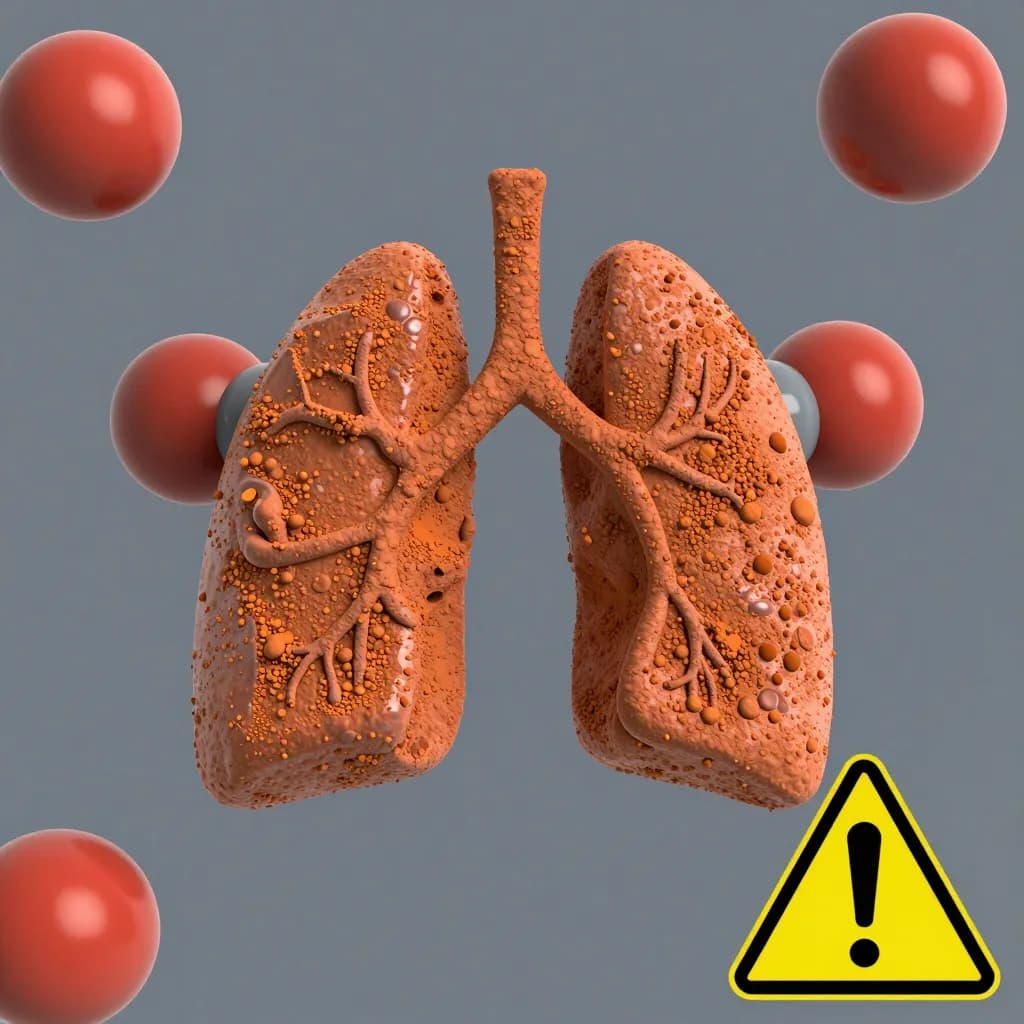
Chromium VI compounds, including lead chromate, strontium chromate, and zinc chromate, are classified as IARC Group 1 for lung cancer. The classification is based on:
Ready to Start Your Project?
From one-off customs to 15,000-part production runs — get precise pricing in 24 hours.
On This Page
Chromium VI in Paint Pigments: A Potent and Often Hidden Lung Cancer Risk
The IARC Classification
- Extensive occupational epidemiology from chromate production workers
- Multiple cohort studies showing significantly elevated lung cancer mortality
- Mechanistic evidence of DNA damage and oxidative stress
- Animal carcinogenicity data
NIOSH considers all Cr(VI) compounds to be occupational carcinogens with no safe exposure level established.
The Automobile Bumper Painter Case (2015)
A case report published in Safety and Health at Work documented a 46-year-old non-smoking automobile bumper painter who developed lung cancer after 15 years of occupational exposure. The investigation revealed:
- Airborne hexavalent chromium concentration during spray painting with yellow paint: 118.33 µg/m³
- This is approximately 23 times the NIOSH Recommended Exposure Limit of 5 µg/m³
- The worker had no other known carcinogen exposures
- He used a respirator, but the protection was evidently insufficient
This case exemplifies how even workers who believe they are protected can receive massive carcinogenic exposures during routine operations with Cr VI-containing coatings.
Historical and Ongoing Use
Chromium VI pigments have been valued for their vivid coloration and corrosion-inhibiting properties:
- Lead chromate: Yellow, orange pigments; also used as corrosion inhibitor
- Strontium chromate: Yellow pigment; aerospace and industrial applications
- Zinc chromate: Yellow-green primer pigment; metal protection
While many applications have transitioned to alternative pigments, Cr VI remains permitted in certain industrial coating applications and may be present in coatings applied to government infrastructure without explicit disclosure.
Pigment Manufacturing Worker Studies
Studies of chromate pigment manufacturing workers provide the strongest evidence of carcinogenicity:
| Study | Population | Finding |
|---|---|---|
| Sheffet et al. (1982) | Chromate pigment plant | RR 1.6 for lung cancer; RR 1.9 for ≥2 years moderate exposure |
| Davies (1984) | Lead/zinc chromate workers | Significantly elevated lung cancer mortality |
While these studies focused on manufacturing rather than application, they demonstrate the carcinogenic potential of chromate pigments that painters may inhale during spray application and sanding.
California Rule 1469.1
California's Rule 1469.1 specifically addresses spraying operations using coatings containing chromium. The rule establishes stringent controls including:
- Enclosure requirements for spray operations
- Ventilation standards with specified air flow rates
- Health risk assessment mandates for facilities
- Source testing measuring both total chromium and hexavalent chromium
- Specific provisions for chromate-containing primers and coatings
These regulatory controls reflect the recognized severity of Cr VI exposure risks and the substantial compliance burden imposed on users of chromium-containing liquid coatings.
Exposure Pathways for Painters
Painters encounter Cr VI through multiple routes:
- Inhalation during spray application: Atomized droplets create respirable particles
- Inhalation during sanding: Surface preparation generates pigment-laden dust
- Dermal contact: Skin absorption of soluble Cr VI compounds
- Ingestion: Hand-to-mouth transfer during breaks and meals
The multi-route exposure means that respiratory protection alone is insufficient for comprehensive risk reduction.
Powder Coating Eliminates the Application Exposure
Powder coating systems can be and typically are formulated without chromium VI pigments. Alternative inorganic and organic pigments provide equivalent color and performance characteristics without the carcinogenic hazard.
For facilities where chromium pigments are not functionally required, powder coating eliminates:
- Airborne Cr VI during application
- Chromate-containing sanding dust
- Dermal exposure to soluble chromates
- The regulatory burden of Rule 1469.1 compliance
Any residual pigment-related risks are confined to controlled manufacturing settings where industrial hygiene practices can effectively prevent worker exposure — not to the application environment where painters work.
The Bigger Picture: Heavy Metals in Coatings
Chromium VI is not the only heavy metal of concern in architectural coatings. Peer-reviewed studies of ornamental construction paints have found:
- Chromium: 698–946.4 mg/kg dry weight
- Lead: 689.4–858.6 mg/kg dry weight
Both substantially exceed international permissible thresholds. While regulatory frameworks have focused on VOC content, comprehensive chemical hazard assessment reveals ongoing heavy metal risks that powder coating formulations can eliminate.
Ready to Start Your Project?
From one-off customs to 15,000-part production runs — get precise pricing in 24 hours.