Powder coating plastic is possible, but it comes with significant technical challenges that make it far more complex than coating metal. Traditional powder coating relies on two things that plastic lacks: electrical conductivity to attract the charged powder particles, and the ability to withstand high curing temperatures of 180-200 degrees Celsius. Most common plastics would melt, warp, or degrade long before reaching standard powder coating cure temperatures.
Consumer
Can You Powder Coat Plastic? Temperature Limits, Conductive Primers, and Alternatives
Sundial Powder Coating·April 22, 2026·12 min
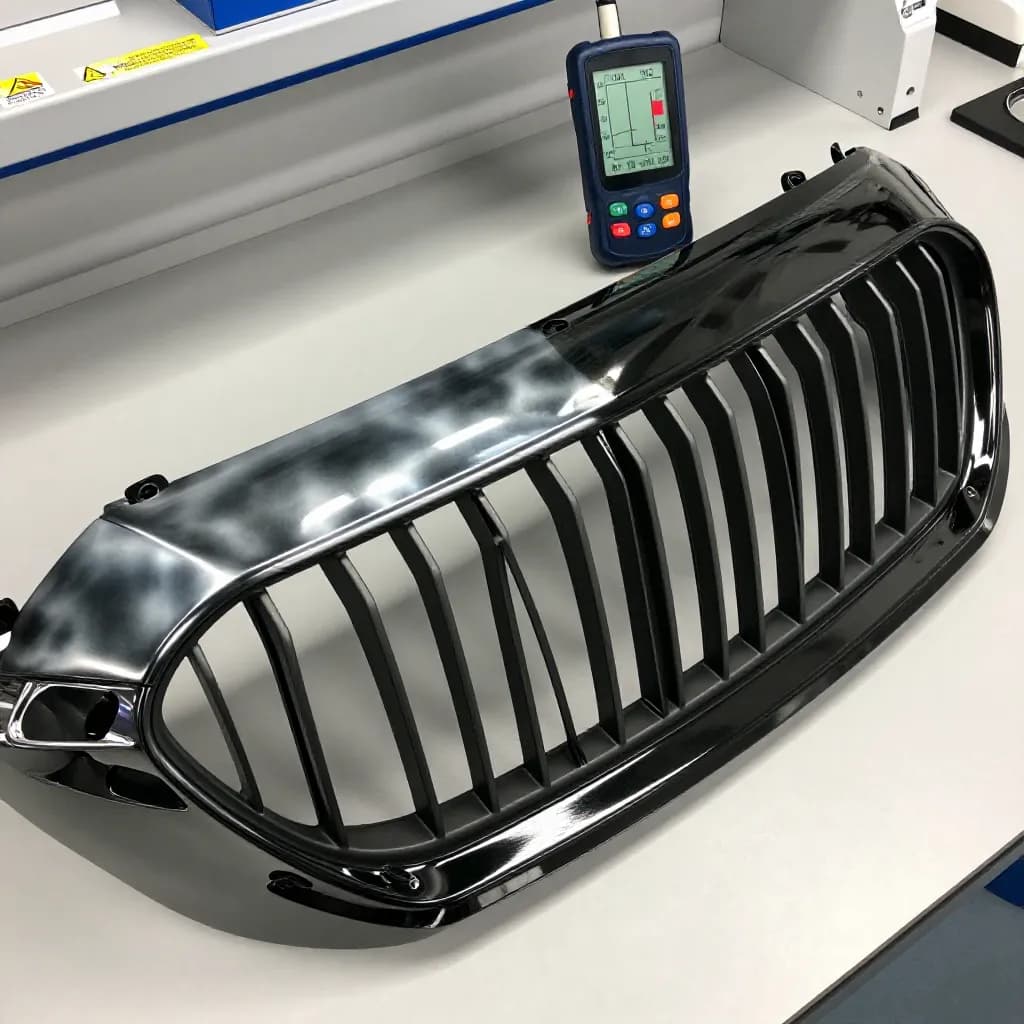
Despite these challenges, advances in low-temperature cure powder formulations and conductive primer technology have made powder coating certain plastics a viable commercial process. The automotive industry has been a driving force behind this development, seeking durable, high-quality finishes for plastic bumpers, mirror housings, and trim components that match the appearance and performance of powder-coated metal body panels.
Ready to Start Your Project?
From one-off customs to 15,000-part production runs — get precise pricing in 24 hours.
On This Page
Powder Coating Plastic: Is It Really Possible?
The key to understanding whether your plastic part can be powder coated lies in two factors: the type of plastic and its heat deflection temperature, and whether a suitable conductive primer system exists for that material. Not all plastics are candidates, and the process requires specialized equipment and expertise that most general-purpose powder coating shops do not possess. This article walks through which plastics work, how the process differs from metal coating, and what alternatives exist when powder coating is not feasible.
Which Plastics Can Be Powder Coated?
The critical factor determining whether a plastic can be powder coated is its heat deflection temperature — the point at which the material begins to soften and deform under load. Since even low-temperature cure powders require oven temperatures of 120-150 degrees Celsius, the plastic must maintain its structural integrity at these temperatures throughout the cure cycle, which typically lasts 15-30 minutes.
High-performance engineering plastics with heat deflection temperatures above 150 degrees Celsius are the best candidates. These include polyamide (nylon), polycarbonate, certain grades of ABS, glass-filled polypropylene, polyetherimide (PEI), polyphenylene sulfide (PPS), and fiber-reinforced composites such as SMC (sheet molding compound) and BMC (bulk molding compound). These materials can withstand the thermal demands of low-temperature cure powder coating without significant dimensional change.
Standard commodity plastics like polyethylene, standard polypropylene, PVC, and polystyrene cannot be powder coated because their heat deflection temperatures are too low. These materials would warp, melt, or release gases at powder coating cure temperatures, making a successful coating impossible.
Thermoset plastics — materials that have already been cured through a chemical reaction and will not re-melt — are generally better candidates than thermoplastics, which soften when heated. Fiberglass-reinforced thermosets, epoxy composites, and phenolic materials can often withstand powder coating temperatures because their cross-linked molecular structure provides thermal stability that thermoplastics lack.
Before committing to powder coating a plastic part, it is essential to verify the specific grade and formulation of the plastic, as heat resistance can vary significantly even within the same polymer family depending on fillers, reinforcements, and additives.
How Conductive Primers Make Powder Coating Plastic Work
Standard electrostatic powder coating works by giving the powder particles an electrical charge as they leave the spray gun. These charged particles are attracted to the grounded metal workpiece, creating a uniform layer of powder that clings to the surface through electrostatic attraction until it is melted and cured in the oven. Plastic, being an electrical insulator, cannot be grounded in the same way, so the charged powder has nothing to attract it to the surface.
Conductive primers solve this problem by creating an electrically conductive layer on the plastic surface. These specialized primers contain conductive fillers — typically carbon black, graphite, metallic particles, or conductive polymers — dispersed in a liquid carrier. When applied to the plastic part and allowed to dry, the conductive primer creates a thin, electrically conductive film that can be grounded just like a metal surface, allowing the electrostatic powder coating process to work normally.
The application of conductive primer is a critical step that directly affects the quality of the final powder coating. The primer must be applied uniformly at the correct thickness — too thin and conductivity will be inconsistent, causing uneven powder deposition; too thick and the primer layer may interfere with adhesion or create surface defects. Most conductive primers are applied by spray gun at a dry film thickness of 10-25 microns.
Some advanced systems use conductive primers that also serve as adhesion promoters, chemically bonding to both the plastic substrate and the powder coating to create a robust multi-layer system. These dual-function primers simplify the process and improve overall coating performance, particularly on challenging substrates like polypropylene that are inherently difficult to bond to.
It is worth noting that conductive primer adds a step, cost, and complexity to the process. The primer must be compatible with both the specific plastic substrate and the powder coating formulation, and the combined system must be validated for adhesion, flexibility, and durability.
Low-Temperature Cure Powders: The Enabling Technology
The development of low-temperature cure powder coatings has been essential to making plastic powder coating commercially viable. Standard powder coatings cure at 180-200 degrees Celsius with object temperatures maintained for 10-20 minutes. Low-temperature cure formulations reduce this requirement to 120-150 degrees Celsius, and some ultra-low-temperature systems can cure at temperatures as low as 100-110 degrees Celsius.
These low-cure powders use modified resin chemistry — typically specially formulated polyester or acrylic systems with catalysts that accelerate the cross-linking reaction at lower temperatures. The result is a fully cured coating that achieves comparable hardness, adhesion, and chemical resistance to standard-cure powders, though some performance trade-offs may exist in extreme weathering or chemical exposure scenarios.
The cure schedule for low-temperature powders on plastic is carefully calibrated to balance complete coating cure with substrate protection. The oven temperature is set to the minimum required for full cure, and the cycle time is optimized to achieve cure without overheating the plastic. Infrared curing systems are sometimes preferred over convection ovens for plastic parts because they heat the coating surface directly without raising the bulk temperature of the substrate as much.
UV-curable powder coatings represent another approach that largely eliminates the heat problem. These powders are applied electrostatically, melted with a brief low-temperature heat exposure just sufficient to flow the powder into a smooth film, and then cured using ultraviolet light rather than sustained heat. UV cure happens in seconds rather than minutes, minimizing thermal exposure to the plastic substrate. This technology is particularly promising for heat-sensitive plastics that cannot tolerate even low-temperature thermal cure cycles.
The availability of low-temperature and UV-cure powders has expanded significantly in recent years, with major powder manufacturers offering dedicated product lines for plastic and heat-sensitive substrates.
Automotive Bumpers and Plastic Body Components
The automotive industry represents the largest commercial application of powder coating on plastic, driven by the desire for durable, color-matched finishes on bumper fascias, fender flares, mirror housings, rocker panels, and other exterior plastic components. Automotive OEMs and tier-one suppliers have invested heavily in developing robust processes for powder coating plastic body parts.
Automotive bumper fascias are typically made from thermoplastic polyolefin (TPO), reaction injection molded polyurethane (RIM), or polycarbonate-ABS blends. Each material requires a specific preparation and coating protocol. TPO bumpers, for example, require flame treatment or plasma treatment to activate the surface before the conductive primer is applied, because untreated polyolefin surfaces have extremely low surface energy that resists adhesion.
The automotive powder-on-plastic process typically follows this sequence: part cleaning and degreasing, surface activation (flame or plasma treatment), conductive primer application, primer flash-off, electrostatic powder application, and low-temperature oven cure. The entire process is more complex and time-consuming than powder coating metal, but it produces a finish that is virtually indistinguishable from powder-coated steel or aluminum body panels.
For consumers, the practical implication is that aftermarket powder coating of automotive plastic parts is possible but requires a shop with specific experience in plastic coating. A general-purpose powder coating shop that primarily handles metal parts may not have the conductive primers, low-temperature powders, or process knowledge needed to successfully coat plastic bumpers and trim. Seeking out shops that specifically advertise plastic powder coating capability, or that serve the automotive aftermarket, is the best approach.
The results, when done correctly, are impressive. Powder-coated plastic bumpers offer superior chip resistance, UV stability, and color consistency compared to conventional liquid-painted plastic parts, which is why the technology continues to gain adoption in both OEM and aftermarket applications.
Limitations and Common Failure Modes
Despite the advances in technology, powder coating plastic has inherent limitations that consumers should understand before committing to the process. Being aware of these limitations helps set realistic expectations and avoid costly failures.
Thermal distortion is the most common failure mode. Even plastics with adequate heat deflection temperatures can warp or distort if the oven temperature is not precisely controlled, if the part is positioned poorly in the oven, or if the cure cycle runs too long. Thin-walled parts and parts with uneven wall thickness are particularly susceptible because they heat unevenly, creating internal stresses that cause warping. Once a plastic part is thermally distorted, it generally cannot be reshaped to its original form.
Adhesion failure between the conductive primer and the plastic substrate is another common issue, particularly on polyolefin-based plastics that have inherently low surface energy. If the surface activation step — flame treatment, plasma treatment, or chemical etching — is inadequate or inconsistent, the primer will not bond properly, and the entire coating system will eventually delaminate. This failure may not be immediately apparent; it can take weeks or months of thermal cycling and UV exposure before the adhesion failure manifests as peeling or blistering.
Outgassing is a problem with certain plastics, particularly those containing moisture, plasticizers, or residual solvents from the molding process. When heated during the cure cycle, these volatile substances escape through the coating, creating pinholes, craters, or bubbles in the finished surface. Pre-baking the plastic part before coating can help drive out volatiles, but it adds time and cost to the process.
Color matching between powder-coated plastic and powder-coated metal parts on the same product can be challenging because the different substrates and cure temperatures can affect the final color appearance. Automotive manufacturers address this through careful process control and color verification, but it remains a consideration for mixed-material assemblies.
Alternatives When Powder Coating Plastic Is Not Feasible
When powder coating is not practical for a particular plastic part — due to heat sensitivity, geometry, cost, or availability of qualified shops — several alternative finishing technologies can deliver durable, attractive results.
Liquid paint remains the most widely used finish for plastic parts. Modern waterborne and solvent-based paint systems formulated for plastics offer excellent adhesion, color range, and durability without the thermal demands of powder coating. Automotive-grade liquid paints for plastic achieve outstanding UV resistance and chip performance, and they can be applied at ambient temperature or with low-temperature bake cycles that most plastics can tolerate.
Hydrographic printing, also known as water transfer printing, applies a decorative pattern to plastic parts by floating a printed film on water and dipping the part through it. This process works at room temperature and can apply complex patterns — carbon fiber, wood grain, camouflage, abstract designs — that would be impossible with powder coating. A clear coat is applied over the transferred pattern for durability.
Vacuum metallization deposits a thin layer of metal, typically aluminum, onto the plastic surface in a vacuum chamber. This creates a bright, chrome-like metallic finish without any heat exposure. The metallized surface is then protected with a clear topcoat. This process is widely used for automotive trim, cosmetic packaging, and decorative hardware.
Plastic plating — electroless nickel or chrome plating on specially prepared plastic — provides a genuine metal surface on a plastic part. This is the technology behind chrome-plated plastic bumpers and trim on vehicles. While more expensive than painting, plating provides a true metallic finish with excellent durability.
For consumers weighing their options, the choice between powder coating and alternatives should be based on the specific plastic material, the desired appearance, the required durability, and the availability of qualified finishing shops in their area.
Making the Decision: Is Powder Coating Right for Your Plastic Part?
Deciding whether to powder coat a plastic part requires evaluating several factors honestly. Not every plastic part is a good candidate, and forcing the process on an unsuitable part will lead to disappointing results and wasted money.
Start by identifying the exact plastic material. Check the part for recycling symbols or material codes molded into the surface — most plastic parts have a material identification mark somewhere. If you cannot identify the material, a qualified coating shop may be able to test it or you can contact the part manufacturer. Knowing the material is essential because it determines whether the part can withstand the cure temperature and whether suitable primers and surface treatments exist.
Consider the part geometry and wall thickness. Large, flat panels with uniform wall thickness are the easiest plastic parts to powder coat successfully. Complex shapes with thin walls, sharp corners, and varying thickness are more prone to thermal distortion and uneven coating. If your part has intricate geometry, discuss the feasibility with the coating shop before proceeding.
Evaluate whether the performance benefits of powder coating justify the additional complexity and cost compared to liquid paint. Powder coating on plastic makes the most sense when you need superior chip resistance, chemical resistance, or a specific texture or finish that powder coating excels at delivering. For purely decorative applications where the part will not be subjected to harsh conditions, liquid paint may deliver equivalent results at lower cost and complexity.
Finally, find a shop with proven experience in powder coating plastic. Ask for examples of similar work, inquire about their process for your specific material, and discuss expectations openly. A reputable shop will be honest about whether your part is a good candidate and will recommend alternatives if powder coating is not the best approach for your situation.
Frequently Asked Questions
What types of plastic can be powder coated?
High-performance plastics with heat deflection temperatures above 150 degrees Celsius are the best candidates, including nylon, polycarbonate, certain ABS grades, glass-filled polypropylene, and fiber-reinforced composites like SMC and BMC. Standard commodity plastics like polyethylene, PVC, and polystyrene cannot be powder coated because they would melt or warp at cure temperatures.
Why do you need a conductive primer to powder coat plastic?
Electrostatic powder coating works by attracting charged powder particles to a grounded surface. Since plastic is an electrical insulator, it cannot be grounded. Conductive primers contain carbon black, metallic particles, or conductive polymers that create an electrically conductive layer on the plastic, allowing the electrostatic process to work as it would on metal.
Can I powder coat a plastic car bumper?
Yes, automotive bumpers made from TPO, RIM polyurethane, or polycarbonate-ABS blends can be powder coated using conductive primers and low-temperature cure powders. However, this requires a shop with specific experience in plastic coating — most general-purpose metal powder coating shops do not have the materials or expertise for plastic parts.
What temperature do low-cure powders need for plastic?
Low-temperature cure powders typically require 120-150 degrees Celsius, and some ultra-low formulations can cure at 100-110 degrees Celsius. UV-curable powders need only a brief low-temperature melt phase followed by ultraviolet light curing, minimizing thermal exposure to the plastic substrate even further.
Is liquid paint better than powder coating for plastic parts?
It depends on the application. Liquid paint is simpler and less expensive for most plastic parts, works at lower temperatures, and is available from more shops. Powder coating offers superior chip resistance, chemical resistance, and certain texture options. For high-wear applications like automotive bumpers, powder coating can outperform liquid paint, but for decorative parts with minimal wear exposure, liquid paint is often the more practical choice.
Ready to Start Your Project?
From one-off customs to 15,000-part production runs — get precise pricing in 24 hours.