Powder coating is not only suitable for patio furniture — it is the ideal finish for metal outdoor furniture and the method used by most quality furniture manufacturers. The combination of UV resistance, corrosion protection, mechanical durability, and color retention that powder coating provides makes it perfectly matched to the demands of outdoor furniture that must withstand sun, rain, humidity, temperature swings, and daily use for years.
Consumer
Can You Powder Coat Patio Furniture? Restore and Protect Your Outdoor Set
Sundial Powder Coating·April 22, 2026·8 min
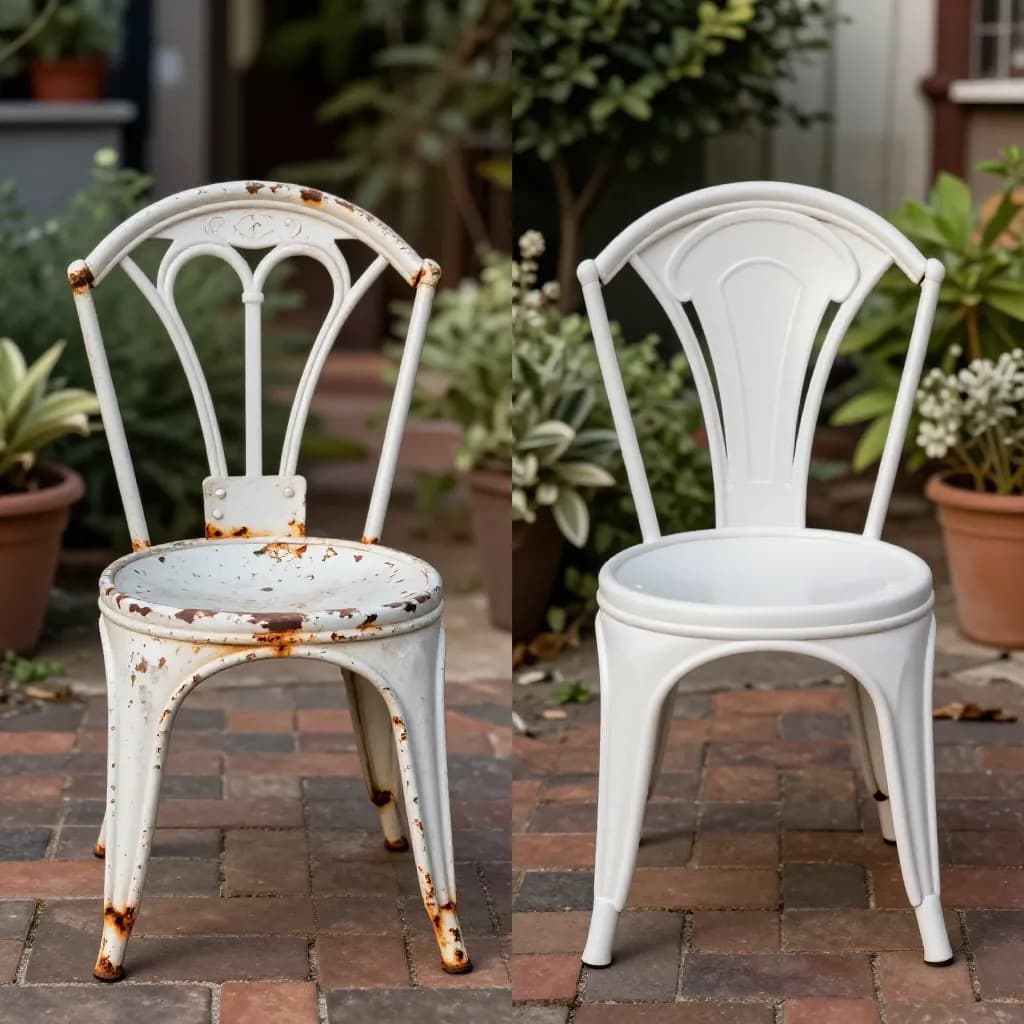
Most metal patio furniture sold today — from aluminum dining sets to wrought iron benches to steel lounge chairs — leaves the factory with a powder-coated finish. When that factory finish eventually wears, fades, or chips after years of outdoor exposure, recoating with fresh powder coating restores the furniture to like-new condition with a finish that is often more durable than the original. This makes powder coating both the standard manufacturing finish and the best restoration option for metal outdoor furniture.
Ready to Start Your Project?
From one-off customs to 15,000-part production runs — get precise pricing in 24 hours.
On This Page
Yes — Powder Coating Is the Best Finish for Metal Patio Furniture
The process works on all common patio furniture metals: aluminum, steel, wrought iron, and cast iron. Each material has slightly different preparation requirements, but all respond well to powder coating and benefit from the thick, protective film it provides. For furniture owners tired of dealing with peeling paint, surface rust, and faded colors, powder coating offers a long-term solution that dramatically reduces maintenance.
Why Patio Furniture Needs Durable Coating
Outdoor furniture faces a uniquely demanding combination of environmental stresses that quickly degrades inferior finishes. UV radiation from sunlight breaks down the chemical bonds in many coating types, causing fading, chalking, and eventual film failure. Rain and humidity provide the moisture needed for corrosion to attack any exposed metal. Temperature cycling — from hot afternoon sun to cool evening air — creates expansion and contraction stresses that can crack rigid coatings.
Beyond environmental exposure, patio furniture endures significant mechanical stress. Chairs are dragged across patios, tables are bumped and scratched, and frames flex under the weight of users. These mechanical stresses create chips and scratches in the coating that expose the underlying metal to corrosion. A coating that is hard enough to resist scratching but flexible enough to absorb impacts without cracking is essential for long furniture life.
Powder coating meets all of these demands. Superdurable polyester powder coatings are specifically formulated for outdoor exposure, with UV stabilizers that maintain color and gloss for years. The thick film build — typically 60 to 100 microns — provides a robust barrier against moisture and mechanical damage. The fully cross-linked resin matrix is both hard and flexible, resisting scratches while absorbing impacts without cracking. These properties explain why powder coating has become the dominant finish for quality outdoor furniture worldwide.
Materials That Can Be Powder Coated
Aluminum patio furniture is the most common substrate for powder coating in the outdoor furniture market. Aluminum is lightweight, naturally corrosion-resistant, and an excellent conductor for electrostatic powder application. Cast aluminum and extruded aluminum furniture frames both coat well, though cast aluminum may require a pre-bake to prevent outgassing from the porous casting structure. Aluminum furniture does not rust, so the powder coating serves primarily as a UV barrier and aesthetic finish rather than a corrosion barrier.
Steel and wrought iron furniture benefits even more from powder coating because these materials are highly susceptible to rust. The powder coating provides the critical moisture barrier that prevents corrosion, while also delivering color and UV protection. Steel furniture that has developed surface rust can be restored by blasting off the rust and applying fresh powder coating. For steel furniture in coastal or humid environments, a two-coat system with an epoxy primer and polyester topcoat provides maximum corrosion protection.
Cast iron furniture — including classic garden benches, table bases, and decorative pieces — is an excellent candidate for powder coating, with the same outgassing precautions that apply to all cast iron work. The pre-bake step is particularly important for vintage cast iron furniture that has spent years outdoors absorbing moisture. Tubular steel furniture, wire mesh furniture, and mixed-material pieces with metal frames can all be powder coated, provided that any non-metal components (cushion clips, plastic feet, fabric slings) are removed before coating.
The Restoration Process
Restoring patio furniture with powder coating follows a straightforward process that transforms weathered, rusty, or faded furniture into pieces that look brand new. The process begins with complete disassembly — removing cushions, fabric slings, glass tabletops, plastic components, and any hardware that is not being coated. The metal frames and components are then cleaned to remove dirt, grease, and loose debris.
Abrasive blasting removes old paint or coating, rust, and surface oxidation, leaving clean bare metal with the surface profile needed for powder adhesion. For aluminum furniture, the blasting also removes the chalky oxidation layer that develops on weathered aluminum surfaces. After blasting, any necessary repairs — welding broken joints, straightening bent members, or filling minor damage — should be completed before coating.
The prepared metal is then powder coated using the chosen color and finish, cured in the oven, and inspected for complete coverage and finish quality. After cooling, the furniture is reassembled with new hardware, replacement feet or glides, and fresh cushions or slings as needed. The entire process typically takes three to seven days depending on the number of pieces and the complexity of the furniture design.
Color and Finish Options
Powder coating offers patio furniture owners a color palette that far exceeds what is available in spray paint or brush-on finishes. The full RAL color range is available, along with custom color matching to any reference sample. This means you can match your furniture to your home's exterior color, coordinate with your outdoor decor scheme, or choose a bold accent color that makes a design statement.
Popular color choices for patio furniture include classic black and white, various shades of bronze and brown that complement natural outdoor settings, and contemporary grays and charcoals that suit modern architectural styles. For a more distinctive look, deep blues, forest greens, terracotta reds, and warm yellows create inviting outdoor spaces. Metallic finishes — including bronze, copper, and aged iron effects — add visual richness and can replicate the appearance of more expensive materials.
Finish texture is another important choice. Smooth gloss and semi-gloss finishes provide a clean, polished appearance and are easy to wipe clean. Matte and satin finishes offer a more contemporary, understated look. Textured finishes — including fine texture, hammertone, and wrinkle effects — are popular for patio furniture because they hide minor surface imperfections, resist showing fingerprints and water spots, and complement the casual outdoor aesthetic. Textured finishes also tend to be more forgiving of the minor chips and scratches that outdoor furniture inevitably accumulates.
Powder Coating vs. Spray Paint for Outdoor Furniture
Many furniture owners consider spray painting their patio furniture as a DIY alternative to professional powder coating, and it is worth understanding the significant differences between these two approaches. Spray paint — whether from aerosol cans or an HVLP spray gun — applies a thin film of liquid paint that dries through solvent evaporation. The resulting film is typically 25 to 50 microns thick and is not chemically cross-linked in the same way as powder coating.
The durability difference is substantial. Spray paint on outdoor furniture typically begins showing wear — chipping, fading, and peeling — within one to two seasons of outdoor exposure. The thin film provides limited protection against UV, moisture, and mechanical damage, and once the paint begins to fail, the deterioration accelerates rapidly. Repainting every year or two becomes an ongoing maintenance cycle.
Powder coating, by contrast, provides a film that is two to four times thicker than spray paint, is fully cross-linked for maximum chemical and mechanical resistance, and is formulated with UV stabilizers for long-term outdoor exposure. A quality powder coating on patio furniture typically lasts five to ten years or more before showing significant wear. While the initial cost of professional powder coating is higher than a can of spray paint, the dramatically longer service life makes it the more economical choice over the furniture's lifetime.
Caring for Powder-Coated Patio Furniture
Maintaining powder-coated patio furniture is simple and requires minimal effort. Regular cleaning with mild soap and water — a garden hose and a soft cloth or sponge — removes dirt, pollen, bird droppings, and other surface deposits that can accumulate on outdoor furniture. For stubborn stains, a non-abrasive household cleaner can be used. Avoid abrasive scrubbing pads, steel wool, or harsh chemical cleaners that could scratch or damage the coating surface.
When not in use for extended periods — such as during winter storage — clean the furniture thoroughly, allow it to dry completely, and store it in a dry location or cover it with breathable furniture covers. Avoid using non-breathable plastic covers that can trap moisture against the coating surface, as prolonged moisture contact can eventually affect even the most durable coating. Breathable fabric covers allow air circulation while protecting against rain and debris.
Inspect the coating periodically for chips, scratches, or areas of wear, particularly at contact points such as where chair legs meet the ground, where arms rest on table edges, and around hardware attachment points. Touch up any damage promptly with matching touch-up paint to prevent corrosion from starting at exposed metal. Replacing worn plastic feet or glides on chair and table legs prevents metal-to-ground contact that can wear through the coating and initiate corrosion.
Frequently Asked Questions
How long does powder coating last on patio furniture?
Quality powder coating on patio furniture typically lasts five to ten years or more of outdoor exposure before showing significant wear. Superdurable polyester formulations designed for outdoor use provide the best longevity. Actual service life depends on climate, UV exposure, and how well the furniture is maintained. Using covers during extended periods of non-use extends coating life.
Can you powder coat aluminum patio furniture?
Yes, aluminum is the most commonly powder-coated patio furniture material. It accepts powder application readily and does not rust, making it an ideal substrate. Cast aluminum pieces may need a pre-bake to prevent outgassing. The powder coating provides UV protection and color that aluminum's natural surface does not offer.
Is it worth powder coating old patio furniture?
If the furniture is structurally sound, powder coating is an excellent investment that can extend its useful life by many years. Quality metal patio furniture — particularly cast aluminum, wrought iron, and heavy-gauge steel — is built to last decades, and the frame often outlives multiple finish cycles. Recoating is more economical and environmentally responsible than replacing the furniture.
Can you change the color of patio furniture with powder coating?
Absolutely. Powder coating allows you to change your furniture to any color you choose from the full RAL spectrum or custom-matched colors. The old finish is completely removed during preparation, so the original color has no effect on the new finish. This is a popular way to update the look of outdoor furniture without replacing it.
Do I need to disassemble patio furniture before powder coating?
Yes, the furniture should be disassembled as much as possible before coating. Cushions, fabric slings, glass tops, plastic components, and non-metal parts must be removed. Disassembly ensures complete coating coverage, prevents heat damage to non-metal components during curing, and allows proper surface preparation of all metal surfaces.
Ready to Start Your Project?
From one-off customs to 15,000-part production runs — get precise pricing in 24 hours.