No, you should not powder coat directly over existing wet paint, primer, or lacquer. While it might seem like a time-saving shortcut, applying powder coating over old paint almost always leads to failure. The finish may look acceptable immediately after curing, but problems will appear quickly, often within days or weeks of the part being put into service.
Consumer
Can You Powder Coat Over Existing Paint? What You Need to Know
Sundial Powder Coating·April 20, 2026·7 min
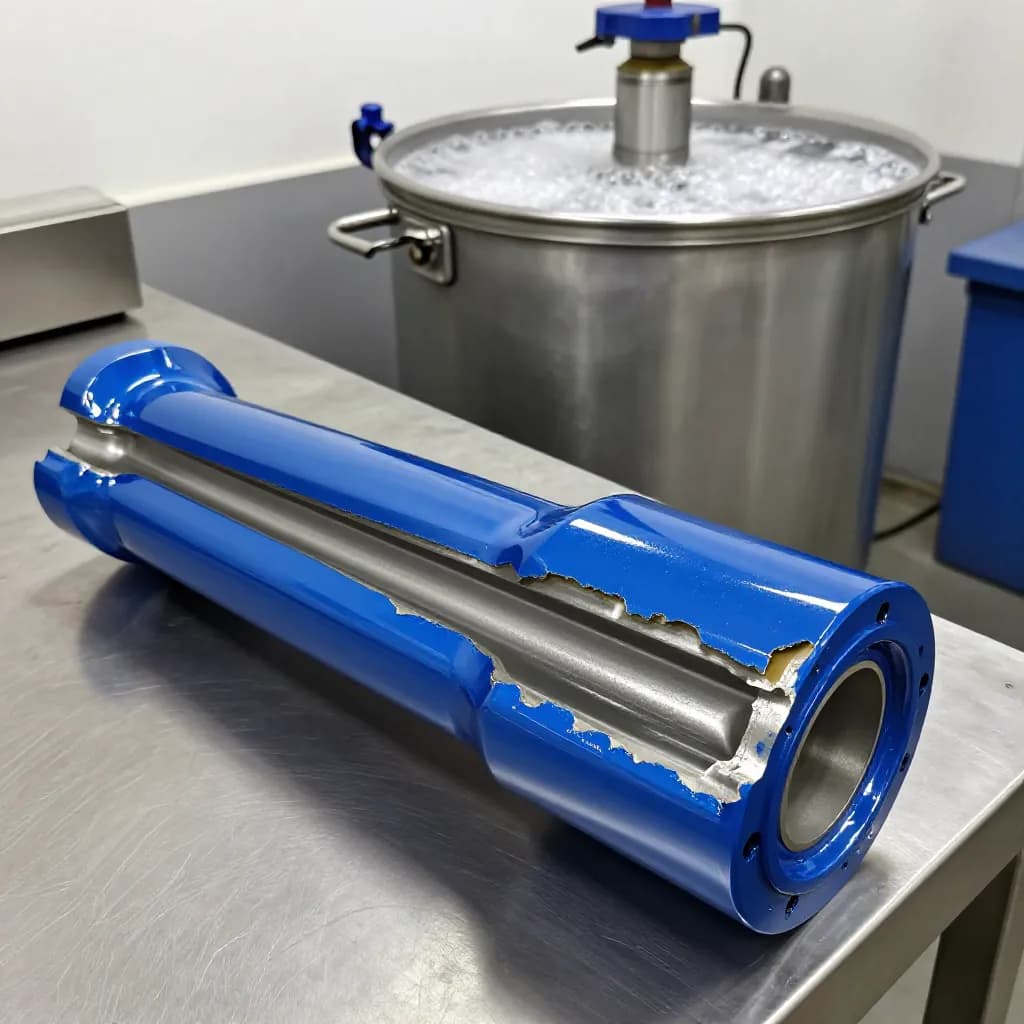
The fundamental issue is that wet paint and powder coating are chemically incompatible systems. They bond differently, cure differently, and respond to heat differently. When you put powder coating over paint and run it through a 200-degree oven, the old paint layer becomes the weak link in the system, and everything built on top of it is compromised.
Ready to Start Your Project?
From one-off customs to 15,000-part production runs — get precise pricing in 24 hours.
On This Page
The Short Answer
This is one of the most common questions coating shops receive, and the answer is consistent across the industry. Reputable shops will always strip old paint before powder coating, even if it means more preparation time. The short-term savings of skipping the strip are never worth the long-term consequences of a failed finish.
Why You Can't Coat Over Paint
The primary reason is outgassing. Old paint, primer, and body filler contain solvents, moisture, and volatile compounds that are stable at room temperature but release gas when heated to powder coating cure temperatures. As these gases escape through the molten powder during the cure cycle, they create bubbles, pinholes, and craters in the finished surface. The result is a rough, defective finish that cannot be repaired without stripping and starting over.
Adhesion failure is the second major problem. Powder coating bonds to the surface it is applied to. If that surface is old paint rather than properly prepared metal, the powder bonds to the paint, not the substrate. Old paint may have poor adhesion to the metal underneath, especially if it has been weathered, chipped, or applied over rust. The powder coating is only as strong as the weakest layer beneath it.
Thermal incompatibility also plays a role. Different paint systems expand and contract at different rates when heated. During the oven cure, the old paint layer and the new powder coating layer experience thermal stress that can cause delamination, cracking, or wrinkling. Even if the finish survives the initial cure, these stresses can lead to premature failure during normal temperature cycling in service.
How Old Paint Is Removed
Media blasting is the most common and effective method for removing old paint before powder coating. Abrasive media such as aluminum oxide, garnet, or crushed glass is propelled at high pressure against the surface, stripping away paint, primer, rust, and scale down to bare metal. Blasting also creates the surface profile needed for good powder adhesion, accomplishing two preparation steps at once.
Chemical stripping is used when blasting is not suitable, such as on thin or delicate parts that could be warped or damaged by abrasive impact. Aircraft-grade chemical strippers dissolve paint layers without affecting the base metal. The process is slower than blasting and requires careful handling of hazardous chemicals, but it is gentler on the substrate and can reach areas that blast media cannot.
Burn-off ovens, also called pyrolysis ovens, are used by high-volume coating shops to remove old paint and powder coating thermally. Parts are heated to around 400 to 450 degrees Celsius in a controlled atmosphere, which reduces organic coatings to ash that is then washed or blasted away. This method is fast and effective for large batches but is only suitable for parts that can withstand the high temperatures without distortion.
Can You Powder Coat Over Existing Powder Coating?
Unlike wet paint, recoating over an existing powder coating is sometimes possible, provided certain conditions are met. The existing powder coat must be in good condition with no peeling, flaking, blistering, or significant damage. It must also be clean, free of contaminants, and properly prepared to accept the new layer.
Preparation for recoating involves scuff sanding the existing powder coat with 180 to 320 grit abrasive to create a mechanical bond for the new layer. The surface is then thoroughly cleaned with a solvent wipe to remove sanding dust and any contaminants. A small test area should be coated and cured first to verify adhesion before committing to the full part.
However, recoating adds thickness, and the combined film build of two powder coat layers can create problems. Excessive thickness can lead to orange peel texture, cracking, and reduced flexibility. The second cure cycle also re-heats the first layer, which can cause color shift or over-cure of the original coating. For these reasons, many professionals prefer to strip the old powder coat and start fresh, especially for critical or high-visibility applications.
When Full Stripping Is Always Required
If there is any rust underneath the existing finish, full stripping is non-negotiable. Rust trapped beneath a new coating will continue to spread, eventually undermining the new finish from below. No amount of surface preparation on top of the old coating can address corrosion that is hidden underneath it. The only solution is to strip everything, treat the rust, and start with clean, sound metal.
Parts with multiple old layers of paint, primer, and filler should always be stripped completely. Each additional layer increases the risk of outgassing, adhesion failure, and thermal incompatibility. The more layers present, the more unpredictable the behavior during the powder coating cure cycle. Stripping to bare metal eliminates all of these variables and gives the new powder coating the best possible foundation.
Switching between dramatically different color families also warrants full stripping when recoating powder over powder. Going from a dark color to a light one, or from a solid color to a metallic, may result in the old color bleeding through or affecting the appearance of the new finish. Starting from bare metal ensures the new color is true and unaffected by whatever was underneath.
Frequently Asked Questions
What about powder coating over primer?
Standard wet primers should be removed just like paint. However, some primers are specifically formulated to be compatible with powder coating cure temperatures. These are typically epoxy-based primers designed for the powder coating process. If you are unsure whether your primer is compatible, it is safer to strip it and apply a proper powder coating primer or pretreatment instead.
Can I spot-repair a powder-coated part without stripping the whole thing?
For minor chips and scratches, touch-up paint matched to the powder coating color can provide a cosmetic repair, though it will not have the same durability as the original powder coat. For larger damaged areas, the affected section can sometimes be sanded, cleaned, and recoated, but blending new powder into an existing finish is difficult. Full strip and recoat gives the best result.
Will the coating shop test for old paint before coating?
Reputable shops will inspect parts and identify any existing coatings during intake. Most will require that old paint be removed before they proceed, either by their own prep team or by the customer prior to drop-off. If a shop offers to coat directly over old paint without question, that is a red flag about their quality standards.
How many times can a part be stripped and recoated?
There is no hard limit, but each stripping cycle, especially media blasting, removes a small amount of base metal. Over many cycles, this can affect dimensional tolerances on precision parts. For most structural and decorative parts, multiple strip-and-recoat cycles are perfectly fine. Cast and forged parts are particularly tolerant of repeated stripping due to their thicker cross-sections.
Ready to Start Your Project?
From one-off customs to 15,000-part production runs — get precise pricing in 24 hours.