Powder coating glass sounds counterintuitive — glass is smooth, non-conductive, and heat-sensitive in ways that seem incompatible with the powder coating process. Yet powder-coated glass is a real commercial product used in architectural cladding, appliance panels, interior design, and specialty applications. The technology has been developed primarily in Europe, where powder-coated glass panels compete with painted glass, ceramic-fritted glass, and back-painted glass in architectural and interior applications.
Consumer
Can You Powder Coat Glass? Architectural, Appliance, and Specialty Applications
Sundial Powder Coating·April 22, 2026·11 min
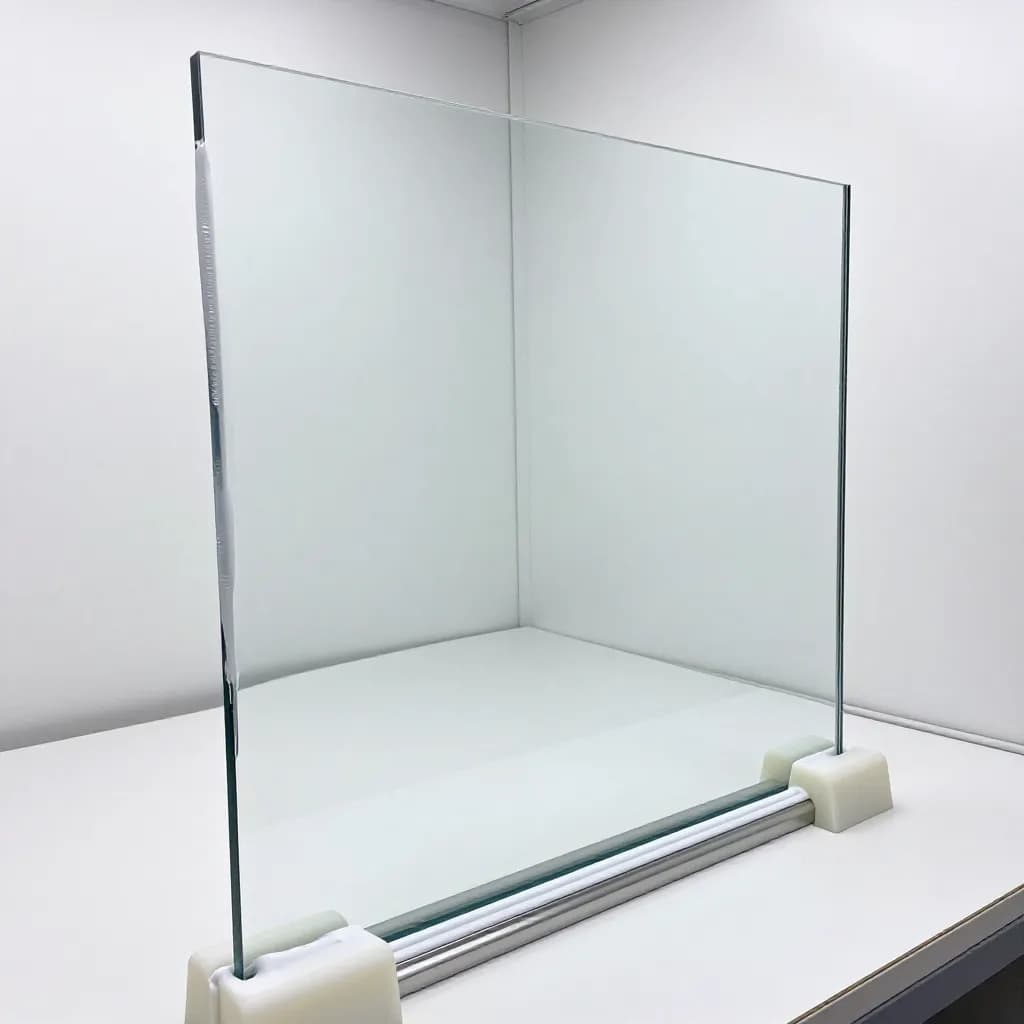
The appeal of powder coating on glass combines the transparency and aesthetic qualities of glass with the color range, texture options, and durability of powder coatings. A powder-coated glass panel can achieve opaque colors, translucent effects, metallic finishes, and textured surfaces that are difficult or impossible to produce with conventional glass decoration methods. The coating bonds to the glass surface and becomes an integral part of the panel rather than a separate applied layer.
Ready to Start Your Project?
From one-off customs to 15,000-part production runs — get precise pricing in 24 hours.
On This Page
Powder Coating Glass: An Unexpected Application
However, powder coating glass is a highly specialized process that differs significantly from both standard glass decoration and standard metal powder coating. The process requires specific powder formulations designed for glass adhesion, careful thermal management to avoid thermal shock, and specialized equipment. This article explains how the process works, where it is used commercially, and what consumers and designers should know about this niche but growing technology.
How Powder Coating Adheres to Glass Surfaces
Achieving reliable adhesion between powder coating and glass requires overcoming the same fundamental challenge as coating plastic: glass is smooth, non-porous, and electrically non-conductive. The solutions involve a combination of surface preparation, specialized powder chemistry, and process control.
Surface preparation for glass typically involves thorough cleaning to remove all contaminants, followed by the application of a silane-based adhesion promoter. Silane coupling agents are molecules with dual functionality — one end bonds chemically to the glass surface through siloxane bonds, while the other end is compatible with the organic powder coating resin. This molecular bridge creates a chemical bond between the glass and the coating that is far more reliable than mechanical adhesion alone.
For electrostatic powder application, the glass must be made conductive. This is achieved either by applying a thin conductive coating to the glass surface or by pre-heating the glass so that the powder particles adhere through thermal attraction rather than electrostatic charge. The pre-heat method is more common in commercial glass powder coating lines — the glass panel is heated to 60-100 degrees Celsius before entering the powder spray booth, causing the powder particles to partially melt and stick on contact.
The powder formulations used for glass are specifically designed for this substrate. They typically use polyester or polyester-epoxy hybrid resins with adhesion promoters incorporated into the powder chemistry. These formulations are engineered to develop strong bonds with the silane-treated glass surface during the curing process, creating a coating system that resists delamination under thermal cycling, moisture exposure, and mechanical stress.
Curing powder on glass requires careful thermal management. Glass can withstand the temperatures needed for powder curing — typically 160-200 degrees Celsius — but it must be heated and cooled gradually to avoid thermal shock, which can cause the glass to crack or shatter. Commercial glass powder coating lines use controlled heating ramps and gradual cooling zones to manage thermal stress throughout the process.
Architectural Glass Applications
Architectural cladding and spandrel panels represent the largest market for powder-coated glass. Spandrel glass — the opaque glass panels used to conceal floor slabs, columns, and mechanical systems between vision glass in curtain wall facades — has traditionally been produced using ceramic frit fired onto the glass surface. Powder coating offers an alternative that provides a wider color range, more texture options, and a different aesthetic character.
Powder-coated glass spandrel panels can be produced in any RAL or custom color, with finishes ranging from high gloss to deep matte, and including metallic, textured, and structured effects. This design flexibility exceeds what ceramic frit can achieve, making powder-coated glass attractive for architects seeking distinctive facade aesthetics. The coating is applied to the interior face of the glass, protected from weather exposure by the glass itself, which contributes to long-term color stability.
Interior architectural applications include wall cladding, partition panels, column covers, and decorative feature walls. Powder-coated glass panels provide a smooth, easy-to-clean surface with a depth of color that differs from painted drywall or laminate panels. The glass substrate gives the coated surface a subtle luminosity that is particularly effective in spaces with natural or designed lighting.
Balustrade and railing infill panels are another architectural application where powder-coated glass is used. The coating provides privacy and color while the glass substrate provides structural integrity and weather resistance. These panels can be produced in translucent formulations that allow diffused light transmission while obscuring direct vision, combining the functions of privacy screening and decorative cladding.
For architects and designers, powder-coated glass offers a material palette that sits between traditional glass products and solid surface materials. It combines the flatness, reflectivity, and precision of glass with the color and texture possibilities of powder coating, creating a hybrid material with unique aesthetic properties.
Appliance and Consumer Product Applications
The appliance industry has adopted powder-coated glass for oven doors, cooktop surfaces, range hoods, refrigerator panels, and washing machine lids. Glass provides a premium look and feel that consumers associate with high-end appliances, and powder coating allows manufacturers to apply durable, color-matched finishes to glass components that integrate seamlessly with powder-coated metal housings.
Oven door panels are a particularly demanding application because the glass must withstand repeated thermal cycling between ambient temperature and the high temperatures generated during oven operation. Powder coatings formulated for oven glass use high-temperature resistant resins — typically silicone-modified polyester systems — that maintain adhesion and appearance through thousands of heating and cooling cycles without cracking, peeling, or discoloring.
Cooktop surfaces made from tempered glass or glass-ceramic are sometimes powder coated on the underside to provide a uniform color appearance. The coating is protected from direct heat and cooking spills by the glass surface, while providing the desired color and opacity. This back-coating approach is also used for refrigerator door panels, where the powder coating is applied to the interior face of a glass panel that is then mounted to the door assembly.
Consumer electronics and display applications use powder-coated glass for device housings, screen bezels, and decorative panels. The combination of glass durability and powder coating color flexibility allows product designers to create distinctive product aesthetics that differentiate their brands in competitive markets.
For consumers, the practical benefit of powder-coated glass in appliances is a surface that is easy to clean, resistant to fingerprints and smudges when formulated with anti-fingerprint additives, and durable enough to maintain its appearance through years of daily use. The glass substrate does not dent like metal panels, and the powder coating does not chip as easily as paint on metal, creating a robust combination for high-use household products.
Specialty and Decorative Applications
Beyond architecture and appliances, powder-coated glass finds use in a range of specialty and decorative applications that leverage the unique combination of glass properties and powder coating aesthetics.
Lighting design is one area where powder-coated glass creates distinctive effects. Translucent powder coatings on glass diffuse light in ways that are different from frosted or etched glass, creating soft, colored illumination for pendant lights, wall sconces, and architectural lighting features. The ability to control the degree of translucency through coating thickness and formulation gives lighting designers a versatile tool for creating mood and atmosphere.
Furniture design incorporates powder-coated glass for tabletops, shelving, cabinet doors, and decorative panels. The coating provides color and texture while the glass substrate provides a flat, rigid, and easy-to-clean surface. Tempered powder-coated glass tabletops are particularly popular in contemporary furniture design, offering a sleek appearance that is more durable than painted glass alternatives.
Signage and wayfinding systems use powder-coated glass panels for their combination of durability, color vibrancy, and premium appearance. The coating can be applied in patterns using masking techniques, creating multi-color designs, logos, and text directly on the glass surface. The durability of powder coating ensures that signage maintains its appearance in high-traffic public environments.
Art glass and decorative installations represent a niche but growing application. Artists and designers use powder coating on glass to create colored panels, sculptural elements, and installation pieces that combine the optical properties of glass with the material qualities of powder coating. The ability to achieve textures — from smooth high gloss to rough, tactile surfaces — on a glass substrate opens creative possibilities that neither glass nor powder coating offers independently.
Automotive glass trim and decorative elements are an emerging application, with some manufacturers exploring powder-coated glass for interior trim panels and exterior accent pieces that combine the scratch resistance of glass with custom color matching to the vehicle's exterior finish.
Process Challenges and Quality Considerations
Powder coating glass presents several technical challenges that affect quality, consistency, and cost. Understanding these challenges helps consumers and specifiers set appropriate expectations for powder-coated glass products.
Thermal shock is the primary risk during the coating process. Glass expands when heated and contracts when cooled, and if the temperature change is too rapid or uneven, the resulting thermal stress can crack or shatter the panel. Commercial glass powder coating lines manage this risk through controlled heating ramps — typically limiting the rate of temperature change to 5-10 degrees Celsius per minute — and gradual cooling zones that bring the glass back to ambient temperature slowly and uniformly.
Edge quality requires special attention. The edges of cut glass panels are stress concentration points where thermal shock cracks are most likely to initiate. Seamed or polished edges reduce this risk compared to raw cut edges. For tempered glass, the tempering process must be completed before powder coating, as the coating process temperatures are not sufficient to temper glass and the thermal profile differs from the tempering process.
Coating uniformity on glass can be more challenging than on metal because the non-conductive substrate does not attract powder as consistently as a grounded metal part. The pre-heat method helps by providing thermal adhesion, but achieving uniform thickness across large panels requires precise control of powder delivery, spray pattern, and panel temperature. Variations in coating thickness can cause visible color differences, particularly with translucent formulations where thickness directly affects opacity and color intensity.
Adhesion testing is critical for quality assurance. Cross-hatch adhesion tests, boiling water immersion tests, and thermal cycling tests are used to verify that the coating-to-glass bond meets performance requirements. Reputable manufacturers test every production batch and can provide adhesion test data to specifiers and customers.
The specialized nature of glass powder coating means that quality varies significantly between manufacturers. Specifying powder-coated glass from established manufacturers with documented quality control processes is important for ensuring consistent, reliable results.
Comparing Powder-Coated Glass to Alternative Glass Finishes
Powder-coated glass competes with several established glass decoration technologies, each with distinct advantages and limitations. Understanding these alternatives helps consumers and designers choose the right product for their application.
Ceramic frit is the traditional method for producing opaque colored glass, particularly for architectural spandrel panels. Ceramic frit is a glass-based coating that is screen-printed or roller-coated onto the glass surface and then fired at high temperature, fusing permanently with the glass substrate. Ceramic frit offers excellent durability and weather resistance, but the color range is more limited than powder coating, and textured or metallic effects are difficult to achieve.
Back-painted glass uses liquid paint applied to the back surface of clear glass, creating a smooth, glossy colored panel. Back-painting is widely used for kitchen splashbacks, wall cladding, and furniture. It offers a wide color range and is available from many glass processors, but the paint layer is less durable than powder coating and can be susceptible to moisture ingress at edges if not properly sealed.
Laminated colored interlayers use a colored PVB or EVA film sandwiched between two glass layers to create colored glass panels. This method produces consistent, uniform color and is inherently safe because the lamination holds the glass together if broken. However, the color range is limited to available interlayer films, and the panels are thicker and heavier than single-pane powder-coated glass.
Digital printing on glass using ceramic inks allows photographic-quality images and complex patterns to be printed directly onto glass surfaces. This technology excels for custom graphics and detailed designs but is less suitable for large areas of solid color where powder coating provides a more uniform and cost-effective result.
Powder coating's advantages over these alternatives include the widest range of textures and surface effects, zero VOC application, high material efficiency, and the ability to achieve finishes — particularly matte, textured, and metallic effects — that other glass decoration methods cannot easily replicate.
What Consumers Should Know Before Specifying Powder-Coated Glass
For consumers and designers considering powder-coated glass for a project, several practical considerations will affect the feasibility, cost, and outcome.
Availability is limited compared to standard glass products. Powder-coated glass is produced by specialized manufacturers, primarily in Europe, and is not available from every glass processor. Lead times may be longer than for standard glass products, particularly for custom colors or finishes. Planning ahead and engaging with manufacturers early in the design process is advisable.
Minimum order quantities may apply, as the setup for a specific color or finish involves cleaning and preparing the coating line, which is most economical when spread across a production run. Single panels or very small quantities may be available but at a premium compared to production quantities.
Glass type selection affects both the coating process and the final product performance. Float glass, tempered glass, and heat-strengthened glass can all be powder coated, but the choice affects safety characteristics, strength, and thermal resistance. For architectural applications, tempered or heat-strengthened glass is typically required by building codes. The tempering must be done before powder coating, as the coating process does not achieve tempering temperatures.
Installation and handling of powder-coated glass follows standard glass handling practices, with the additional consideration that the coated surface should be protected from scratching during transport and installation. While powder coating is harder and more scratch-resistant than paint, it can still be damaged by abrasive contact with hard materials during handling.
Maintenance is straightforward — powder-coated glass surfaces can be cleaned with standard glass cleaners and soft cloths. Avoid abrasive cleaners or scrubbing pads that could scratch the coating. For exterior applications where the coating is on the protected interior face, maintenance is limited to cleaning the exterior glass surface, as the coating itself is not exposed to weather.
For consumers exploring this option, requesting samples from manufacturers is strongly recommended. The appearance of powder-coated glass — its color depth, texture, and interaction with light — is best evaluated in person rather than from photographs or digital renderings.
Frequently Asked Questions
Can any glass be powder coated?
Float glass, tempered glass, and heat-strengthened glass can all be powder coated by specialized manufacturers. The glass must be able to withstand the curing temperatures of 160-200 degrees Celsius with controlled heating and cooling rates to prevent thermal shock. Tempered glass must be tempered before the powder coating process, not after.
How does powder coating stick to glass?
Adhesion is achieved through a combination of silane-based adhesion promoters applied to the glass surface and specialized powder formulations with built-in adhesion chemistry. The silane creates a molecular bridge between the glass and the coating. The glass is typically pre-heated before powder application so particles adhere through thermal attraction rather than electrostatic charge alone.
Is powder-coated glass durable enough for exterior use?
Yes, when the coating is applied to the interior face of the glass panel, as is standard in architectural applications. The glass itself protects the coating from weather, UV exposure, and physical damage. This configuration provides excellent long-term durability. Coatings on the exposed exterior surface would be subject to weathering and are less common.
What finishes are available for powder-coated glass?
Powder-coated glass is available in a wide range of finishes including high gloss, satin, matte, textured, metallic, and translucent effects. The color range covers standard RAL colors and custom color matching. Textured and metallic finishes are a particular strength of powder coating on glass, offering effects that are difficult to achieve with other glass decoration methods.
How does powder-coated glass compare to back-painted glass?
Powder-coated glass offers greater durability, a wider range of textures and surface effects, and zero VOC application compared to back-painted glass. Back-painted glass is more widely available and may be less expensive for simple solid colors. Powder coating excels when matte, textured, or metallic finishes are desired, while back-painting is suitable for smooth, glossy solid colors.
Ready to Start Your Project?
From one-off customs to 15,000-part production runs — get precise pricing in 24 hours.