Galvanized metal — steel that has been coated with a layer of zinc for corrosion protection — can absolutely be powder coated. In fact, the combination of galvanizing and powder coating, known as a duplex system, provides the highest level of corrosion protection available for steel components. The zinc layer provides sacrificial cathodic protection, while the powder coating provides a barrier against moisture, chemicals, and UV exposure. Together, they deliver a service life that exceeds what either finish could achieve alone.
Consumer
Can You Powder Coat Galvanized Metal? Key Considerations
Sundial Powder Coating·April 22, 2026·9 min
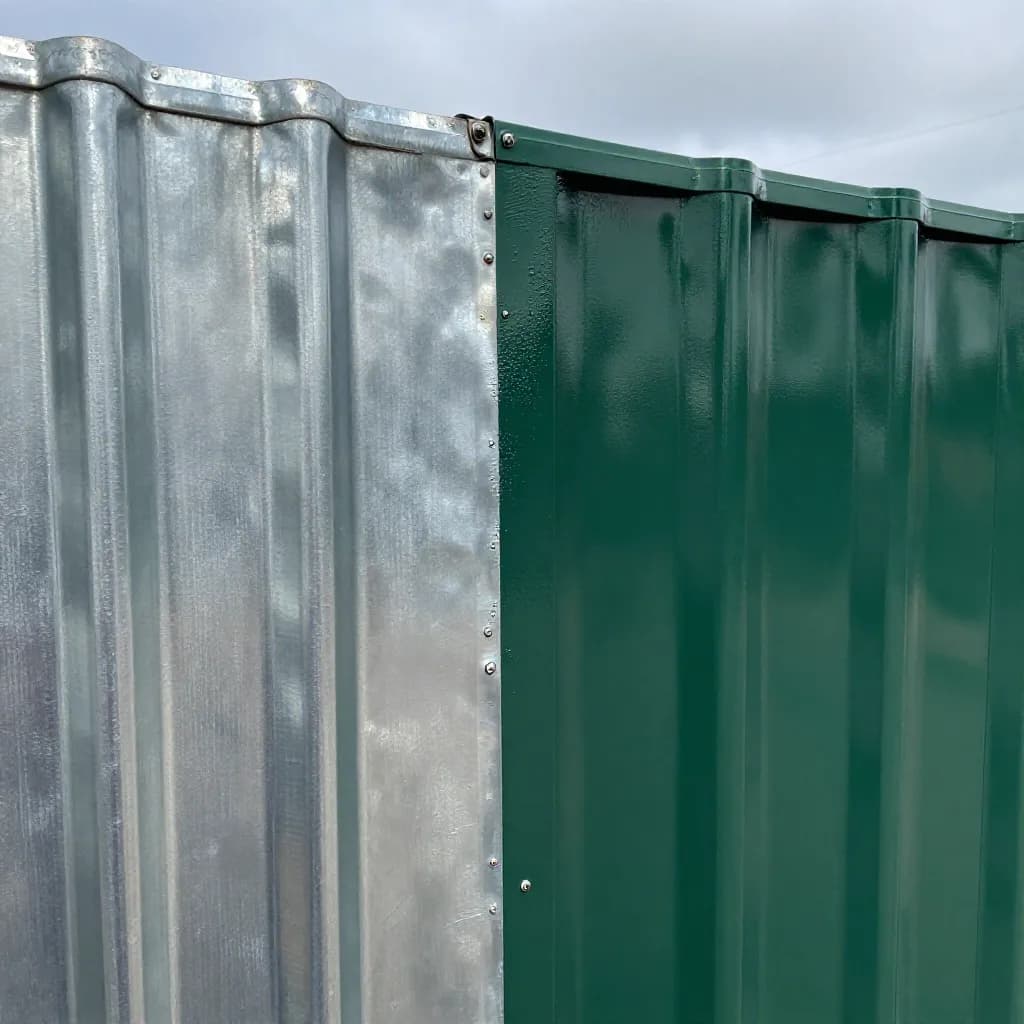
However, powder coating galvanized metal is not as straightforward as coating bare steel. The zinc surface presents specific challenges related to outgassing, surface chemistry, and adhesion that must be addressed through proper preparation. Many coating failures on galvanized substrates can be traced back to inadequate preparation — either skipping the pre-bake step, using incompatible pretreatment chemistry, or failing to remove surface contaminants left over from the galvanizing process.
Ready to Start Your Project?
From one-off customs to 15,000-part production runs — get precise pricing in 24 hours.
On This Page
Yes, You Can Powder Coat Galvanized Metal
Both hot-dip galvanized and electro-galvanized steel can be powder coated, though they present slightly different challenges. Hot-dip galvanized steel has a thicker, rougher zinc coating that is more prone to outgassing, while electro-galvanized steel has a thinner, smoother zinc layer that may require additional surface roughening for adequate adhesion. Understanding which type of galvanizing you are working with helps determine the appropriate preparation approach.
The Outgassing Problem with Galvanized Steel
Outgassing is the most common cause of coating defects on galvanized steel and occurs when trapped moisture and gases within or beneath the zinc coating escape during the powder curing process. Hot-dip galvanizing involves immersing steel parts in molten zinc at approximately 450 degrees Celsius, and the resulting zinc coating can trap moisture, flux residues, and gases at the zinc-steel interface and within the crystalline structure of the zinc layer itself.
When the galvanized part enters the powder curing oven at 180 to 200 degrees Celsius, these trapped substances vaporize and attempt to escape through the powder film. If the powder has already begun to gel and cross-link, the escaping gases create pinholes, craters, or blisters in the finished surface. These defects are not only cosmetically unacceptable but also compromise the protective barrier of the coating, potentially allowing moisture to reach the zinc surface and cause white rust formation.
The severity of outgassing depends on several factors: the thickness of the zinc coating, the galvanizing method used, the age of the galvanizing (freshly galvanized parts tend to outgas more than aged ones), and the storage conditions between galvanizing and coating. Parts that have been stored in humid conditions or exposed to rain before coating are more likely to have absorbed moisture that will cause outgassing during curing.
Surface Preparation for Galvanized Metal
Proper surface preparation is essential for achieving good adhesion and a defect-free finish on galvanized metal. The preparation process addresses three objectives: removing surface contaminants, managing outgassing, and creating a surface that the powder coating can bond to reliably.
The first step is cleaning to remove any oils, grease, dirt, and zinc oxide (white rust) from the galvanized surface. Alkaline cleaning solutions designed for zinc substrates are effective for this purpose. It is important to use cleaning chemicals that are compatible with zinc — acidic cleaners that are too aggressive can attack the zinc coating and compromise the galvanizing protection.
A light sweep blast with fine abrasive media can be used to remove zinc oxide, smooth out rough spots in the galvanizing, and create a surface profile for mechanical adhesion. The blast pressure and media must be carefully controlled to avoid removing excessive zinc — the goal is to prepare the surface, not strip the galvanizing. Alternatively, some coaters use a chemical etch or activation step instead of blasting. After cleaning and surface preparation, a conversion coating compatible with zinc — such as a zinc phosphate or chromate-free treatment — is applied to promote adhesion and provide an additional corrosion barrier between the zinc and the powder coating.
The Pre-Bake Step: Essential for Galvanized Parts
Pre-baking is the single most effective measure for preventing outgassing defects on galvanized metal and should be considered a mandatory step in the process. The pre-bake involves placing the cleaned galvanized parts in the curing oven at the powder curing temperature — typically 190 to 210 degrees Celsius — for 15 to 30 minutes before any powder is applied. This drives out trapped moisture and gases while the surface is still bare, so they do not disrupt the powder film during the actual curing cycle.
The pre-bake also serves a secondary purpose: it helps stabilize the zinc surface by driving off volatile flux residues and other contaminants that may have been trapped during the galvanizing process. After pre-baking, the zinc surface is typically cleaner and more chemically stable, which can improve adhesion of the subsequent conversion coating and powder layer.
After pre-baking, parts should be allowed to cool to a temperature suitable for conversion coating application and powder spraying. Some coaters apply the conversion coating and powder while the parts are still slightly warm, which can improve adhesion and reduce the risk of moisture re-absorption. The key is to minimize the time between pre-baking and powder application — leaving pre-baked parts sitting for extended periods, especially in humid conditions, allows moisture to re-enter the zinc coating and negates the benefit of the pre-bake.
The Duplex System: Maximum Corrosion Protection
The combination of galvanizing and powder coating — the duplex system — provides corrosion protection that is greater than the sum of its parts. Research has shown that the service life of a duplex system is typically 1.5 to 2.5 times longer than the combined service lives of the galvanizing and powder coating applied separately. This synergistic effect occurs because the powder coating protects the zinc from atmospheric corrosion, preserving the zinc layer for its role as a sacrificial anode if the coating is ever damaged.
In a duplex system, the powder coating acts as the primary barrier against environmental exposure. As long as the powder coating remains intact, the zinc layer beneath it does not corrode and retains its full thickness. If the powder coating is scratched or damaged, exposing the zinc, the zinc provides cathodic protection to the exposed area — corroding preferentially to protect the underlying steel from rust. This dual-protection mechanism makes the duplex system particularly valuable for components exposed to harsh environments.
Duplex systems are widely specified for infrastructure components such as highway guardrails, bridge railings, light poles, traffic signal structures, and utility equipment. They are also used for agricultural equipment, outdoor furniture, playground equipment, and any application where maximum service life in outdoor exposure is required. The additional cost of the duplex system compared to galvanizing or powder coating alone is typically justified by the extended maintenance-free service life.
Common Applications for Powder-Coated Galvanized Metal
Infrastructure and public works represent the largest application area for powder-coated galvanized steel. Highway guardrails, bridge components, light poles, traffic signal arms, and utility structures are frequently specified with duplex coating systems to maximize service life in demanding outdoor environments. These components are exposed to road salt, UV radiation, moisture, and mechanical damage from vehicles and weather, making the combined protection of galvanizing and powder coating essential.
Architectural and construction applications are another major market. Structural steel members, handrails, fencing, gates, and exterior cladding supports are galvanized and powder coated for both protection and appearance. The powder coating provides the color and aesthetic finish that architects require, while the underlying galvanizing ensures long-term corrosion protection even if the coating is damaged during construction or service.
Agricultural and industrial equipment benefits significantly from duplex coating systems. Farm gates, livestock panels, grain handling equipment, and outdoor machinery housings are exposed to harsh conditions including moisture, chemicals, animal waste, and mechanical abuse. The duplex system provides the robust protection needed for these demanding applications. Outdoor furniture, playground equipment, bicycle racks, and park amenities are also commonly galvanized and powder coated to ensure long service life with minimal maintenance in public spaces.
Troubleshooting Common Issues
Despite proper preparation, issues can occasionally arise when powder coating galvanized metal. The most common problem is pinholes caused by outgassing that was not fully eliminated during the pre-bake. If pinholes appear after the first coat, the part can often be saved by applying a second coat of powder, which fills the pinholes and provides a smooth surface. For persistent outgassing, extending the pre-bake time or increasing the pre-bake temperature by 10 to 20 degrees above the curing temperature may be necessary.
Adhesion failure — where the powder coating peels or flakes from the galvanized surface — is typically caused by inadequate surface preparation. The most common causes are residual zinc oxide that was not removed before coating, incompatible or missing conversion coating, or contamination of the surface between preparation and coating. Adhesion testing on sample parts before committing to a full production run can identify preparation issues early.
White rust formation beneath the coating indicates that moisture has penetrated the powder film and is corroding the zinc surface. This can occur if the coating has pinholes, thin spots, or areas of poor adhesion that allow moisture ingress. Ensuring complete, defect-free coating coverage with adequate film thickness — typically 60 to 80 microns minimum — is the best prevention. For parts exposed to particularly aggressive environments, a two-coat system with an epoxy primer and polyester topcoat provides additional protection.
Frequently Asked Questions
Should you galvanize or powder coat first?
Galvanizing is always done first, followed by powder coating. The galvanizing process involves immersing steel in molten zinc at approximately 450 degrees Celsius, which would destroy any existing powder coating. The powder coating is applied over the galvanized surface after proper preparation, creating the duplex protection system.
How long should galvanized metal weather before powder coating?
While some sources recommend weathering galvanized steel for several months before coating, modern pretreatment methods allow freshly galvanized parts to be powder coated without extended weathering. Proper cleaning, pre-baking, and conversion coating are more important than aging. However, freshly galvanized parts may require longer pre-bake times to address outgassing.
Can you powder coat over galvanized steel that has white rust?
White rust (zinc oxide and zinc hydroxide) must be completely removed before powder coating. White rust creates a weak boundary layer that prevents proper adhesion. Light sweep blasting or chemical treatment can remove white rust, but heavily corroded galvanizing may need more aggressive preparation or re-galvanizing before coating.
Does powder coating damage the galvanized layer?
The powder coating process itself does not damage the galvanized layer. Curing temperatures of 180 to 200 degrees Celsius are well below the melting point of zinc. However, overly aggressive surface preparation — such as heavy blasting — can remove zinc from the galvanized coating, so preparation methods must be carefully controlled to preserve the zinc layer.
How long does a duplex galvanized and powder-coated system last?
A properly applied duplex system typically lasts 1.5 to 2.5 times longer than the combined individual service lives of the galvanizing and powder coating. In practical terms, this can mean 40 to 60 years or more of corrosion protection in moderate environments, making it one of the most durable finishing systems available for steel.
Ready to Start Your Project?
From one-off customs to 15,000-part production runs — get precise pricing in 24 hours.