Copper can be powder coated, and the process works well when proper preparation steps are followed. As an electrically conductive metal, copper accepts electrostatic powder application without difficulty, and the curing temperatures used in powder coating are well within copper's tolerance range. The result is a durable, uniform finish that protects the copper surface from oxidation and environmental exposure while providing the color and texture options that powder coating is known for.
Consumer
Can You Powder Coat Copper? A Complete Guide
Sundial Powder Coating·April 22, 2026·9 min
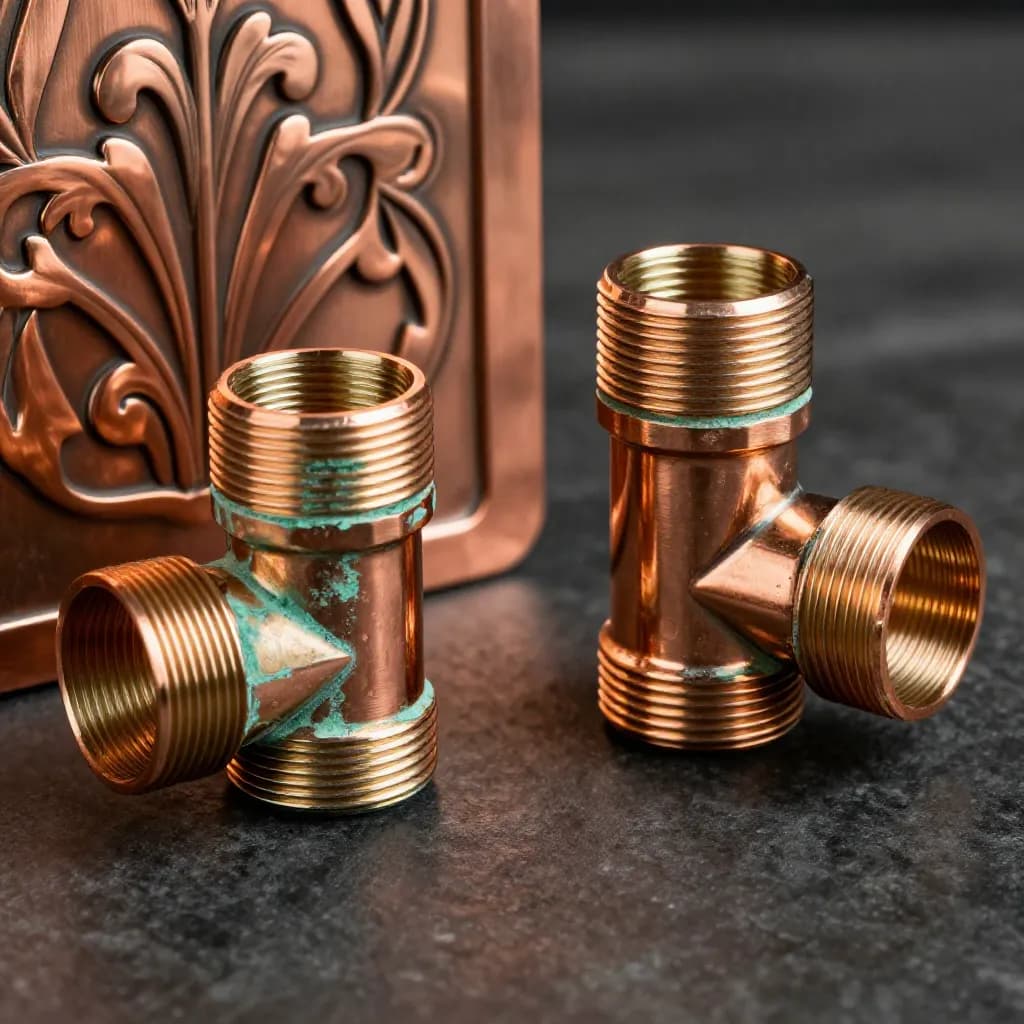
The primary reason people choose to powder coat copper is to prevent tarnishing and patina formation. Left uncoated, copper reacts with oxygen and moisture in the air to form copper oxide, which gradually develops into the green patina (verdigris) that is familiar on aged copper roofs and statues. While some people value this natural patina for its aesthetic character, others prefer to maintain the bright, warm appearance of fresh copper or to apply a specific color finish for design purposes.
Ready to Start Your Project?
From one-off customs to 15,000-part production runs — get precise pricing in 24 hours.
On This Page
Yes, You Can Powder Coat Copper
Powder coating copper is common in architectural applications, decorative hardware, electrical enclosures, plumbing fixtures, and custom automotive or motorcycle parts. Copper alloys such as bronze and certain specialty brasses also respond well to powder coating, expanding the range of copper-based materials that can benefit from this finishing technology. The key to success lies in understanding copper's unique surface chemistry and adapting the preparation process accordingly.
Why Copper Requires Special Preparation
Copper presents specific preparation challenges that differ from those encountered with steel or aluminum. The most significant issue is copper's rapid oxidation rate. When exposed to air, copper quickly forms a thin oxide layer on its surface. While this oxide layer is what eventually produces the attractive green patina, it creates an adhesion problem for powder coating because the oxide is not firmly bonded to the base metal and can act as a weak boundary layer between the copper and the coating.
Another challenge is that copper is a relatively soft metal, which means it can be easily damaged by overly aggressive blasting media. The surface preparation method must be chosen carefully to remove the oxide layer and create an adequate surface profile without distorting or damaging the part. Fine aluminum oxide or glass bead media at moderate blast pressures are typically preferred over the coarser steel grit that might be used on iron or steel substrates.
Copper also has very high thermal conductivity — significantly higher than steel or aluminum. This means copper parts heat up and cool down rapidly in the curing oven, which can affect how the powder flows and levels during the cure cycle. Coaters need to account for this thermal behavior when setting oven parameters, particularly for thin-walled copper parts that may reach cure temperature much faster than expected. Monitoring actual metal temperature rather than relying solely on oven air temperature is important for consistent results.
Surface Preparation Steps for Copper
Effective surface preparation for copper follows a systematic process designed to remove oxidation, create a bondable surface, and minimize the time between preparation and coating. The first step is degreasing to remove any oils, fingerprints, or residues from the copper surface. Solvent wiping or alkaline cleaning solutions work well for this purpose. It is important to handle cleaned copper with gloves after this stage, as skin oils can contaminate the surface and cause adhesion failures.
After degreasing, the oxide layer must be removed. Abrasive blasting with fine aluminum oxide at low to moderate pressure is the most common method. For delicate or thin-walled copper parts, chemical etching with a mild acid solution — such as dilute sulfuric acid or a proprietary copper brightener — can remove the oxide without mechanical stress. The goal is to expose clean, bright copper metal with a slight surface roughness that promotes mechanical adhesion of the powder coating.
A conversion coating or adhesion promoter should be applied immediately after oxide removal to stabilize the surface and prevent re-oxidation before the powder is applied. Chromate-free conversion coatings designed for non-ferrous metals work well on copper. Some coaters use a thin epoxy primer coat as an additional adhesion-promoting layer, particularly for parts that will be exposed to harsh environments. The time between surface preparation and powder application should be kept as short as possible — ideally within a few hours — to prevent the oxide layer from reforming.
Choosing the Right Powder for Copper
The choice of powder coating type for copper depends on the intended application and exposure conditions. For indoor decorative applications where UV exposure is minimal, epoxy powder coatings provide excellent adhesion and chemical resistance on copper substrates. Epoxy's strong bonding characteristics make it a reliable choice for maintaining adhesion to copper's smooth surface over time.
For outdoor applications or any situation where the coated copper will be exposed to sunlight, polyester or superdurable polyester powders are the better option. These formulations resist UV degradation and maintain their color and gloss over extended outdoor exposure. Hybrid epoxy-polyester powders offer a middle ground, combining good adhesion with moderate UV resistance, making them suitable for interior applications with some indirect sunlight exposure.
Clear powder coatings deserve special mention for copper applications. Many people want to preserve the natural warm color of copper while protecting it from tarnishing. Clear polyester or clear acrylic powder coatings can achieve this, creating a transparent protective barrier that maintains the copper's original appearance. However, clear coatings on copper require particularly thorough surface preparation, as any remaining oxide or contamination will be visible through the transparent finish. The copper must be polished or brightened to the desired appearance before the clear coat is applied, as the coating will lock in whatever surface condition exists at the time of application.
Common Applications for Powder-Coated Copper
Architectural and decorative applications are among the most popular uses for powder-coated copper. Copper wall panels, ceiling tiles, column covers, and facade accents are frequently powder coated to maintain a consistent appearance over time without the color variation that natural patina development would produce. In high-end commercial interiors, powder-coated copper elements provide the warmth and richness of copper with the color consistency that designers require.
Electrical and electronic enclosures made from copper or copper alloys are another common application. While copper is chosen for these enclosures because of its excellent electromagnetic shielding properties, the exterior surfaces benefit from powder coating for corrosion protection and aesthetic purposes. The powder coating does not significantly affect the shielding performance of the enclosure while providing a professional, durable exterior finish.
Custom automotive and motorcycle parts represent a growing market for powder-coated copper. Decorative engine covers, heat shields, and accent pieces made from copper are powder coated in both clear and colored finishes. Plumbing and HVAC components, including copper pipe fittings, valve bodies, and heat exchanger housings, are also powder coated when a durable, attractive finish is required. In the craft and artisan market, copper jewelry findings, sculpture elements, and decorative hardware are powder coated in small batches for both protection and creative expression.
Powder Coating vs. Lacquer and Patina Finishes
When considering how to finish copper, powder coating competes primarily with clear lacquer and intentional patina finishes. Clear lacquer — typically a solvent-based acrylic or polyurethane — has traditionally been the most common method for preserving copper's natural appearance. Lacquer is easy to apply by spray or brush and does not require oven curing. However, lacquer films are significantly thinner and less durable than powder coatings, typically lasting only two to five years before yellowing, cracking, or peeling requires reapplication.
Powder coating offers substantially longer protection — typically 10 to 20 years depending on the environment and coating specification. The thicker, fully cross-linked film is more resistant to scratching, chemical exposure, and UV degradation than lacquer. For high-value architectural installations or components that are difficult to access for maintenance, the longer service life of powder coating makes it the more economical choice over the full lifecycle despite higher initial application costs.
Intentional patina finishes represent a fundamentally different approach. Chemical patination uses acids, salts, or proprietary solutions to accelerate the formation of specific copper oxide and carbonate compounds on the surface, producing colors ranging from brown to green to blue-black. These finishes are valued for their organic, aged appearance but offer limited protective performance. Some specifiers combine approaches — applying a chemical patina first and then sealing it with a clear powder coat to preserve the patina appearance while providing long-term protection.
Potential Issues and How to Avoid Them
The most common issue when powder coating copper is adhesion failure, which typically manifests as peeling or flaking of the coating weeks or months after application. This almost always traces back to inadequate surface preparation — specifically, failure to completely remove the oxide layer or allowing the surface to re-oxidize before powder application. The solution is rigorous preparation with immediate coating after the surface is cleaned and treated.
Discoloration beneath clear coatings is another issue specific to copper. If the copper surface is not perfectly clean and bright before a clear powder coat is applied, trapped contaminants or thin oxide films can cause the copper to appear dull or discolored under the transparent finish. This is particularly noticeable on polished copper surfaces where any imperfection is magnified. Thorough chemical brightening followed by immediate coating is essential for clear-coat applications.
Thermal distortion can occur with thin-walled copper parts during the curing process. Copper's high thermal conductivity means thin sections heat up very quickly, and differential heating between thick and thin areas of a part can cause warping. Using lower cure temperatures with extended cure times, or choosing low-bake powder formulations that cure at 150 degrees Celsius or below, can help minimize this risk. Proper racking that supports the part evenly during curing also helps prevent distortion.
Finding a Coater Experienced with Copper
Not all powder coating shops have experience working with copper, so finding the right coater is an important step in ensuring a quality result. Look for shops that have specific experience with non-ferrous metals and can describe their preparation process for copper in detail. A coater who understands the oxide removal, conversion coating, and timing requirements for copper is far more likely to deliver a successful outcome than one who treats all metals the same way.
When discussing your project with potential coaters, ask about their experience with copper specifically, what blasting media and preparation chemicals they use for non-ferrous substrates, and whether they have the ability to apply conversion coatings suitable for copper. If you want a clear coat to preserve the copper's natural appearance, confirm that the shop has experience with clear powder on copper and understands the additional preparation requirements.
Provide your coater with as much information as possible about the part and its intended use. The environment the part will be exposed to — indoor, outdoor, coastal, industrial — affects the coating specification and preparation requirements. The desired finish — clear, colored, textured, glossy, matte — also influences the preparation approach. The more information the coater has upfront, the better they can plan the process and set appropriate expectations for the finished result.
Frequently Asked Questions
Will powder coating change the color of copper?
Colored powder coatings will completely cover the copper's natural appearance with the chosen color. Clear powder coatings preserve the copper's original color and metallic luster while protecting it from tarnishing. The copper must be polished or brightened to the desired appearance before clear coating, as the finish locks in the surface condition at the time of application.
How long does powder coating last on copper?
Powder coating on copper typically lasts 10 to 20 years depending on the environment and coating specification. This is significantly longer than clear lacquer, which usually needs reapplication every two to five years. Outdoor applications in harsh environments will be at the shorter end of this range, while indoor applications can last even longer.
Can you powder coat copper pipe and fittings?
Yes, copper pipe and fittings can be powder coated for both decorative and protective purposes. The parts must be thoroughly cleaned and deoxidized before coating. Note that powder coating adds thickness to the surface, so fittings and threaded connections should be masked to maintain proper fit and function.
Does powder coating copper affect its conductivity?
Powder coating creates an electrically insulating layer on the copper surface, which will prevent electrical conductivity through the coated areas. If electrical contact is needed at specific points, those areas must be masked during the coating process. The bulk conductivity of the copper itself is not affected — only the surface contact is insulated.
Can you remove powder coating from copper without damaging it?
Yes, powder coating can be removed from copper using chemical strippers designed for powder coatings or by careful abrasive blasting with fine media at low pressure. Heat-based removal methods also work, as the powder will burn off at temperatures well below copper's melting point. Care should be taken with any method to avoid scratching or distorting the relatively soft copper surface.
Ready to Start Your Project?
From one-off customs to 15,000-part production runs — get precise pricing in 24 hours.