Brass is one of the most visually appealing metals, prized for its warm golden color and ability to be polished to a brilliant shine. But brass has a well-known weakness: it tarnishes. Exposure to air, moisture, and skin oils causes brass to develop a dull, dark patina over time. While some people appreciate the aged look of tarnished brass, many applications require brass to maintain its original bright appearance indefinitely. This is where powder coating enters the picture.
Consumer
Can You Powder Coat Brass? Tarnish Prevention, Hardware, and Architectural Uses
Sundial Powder Coating·April 22, 2026·11 min
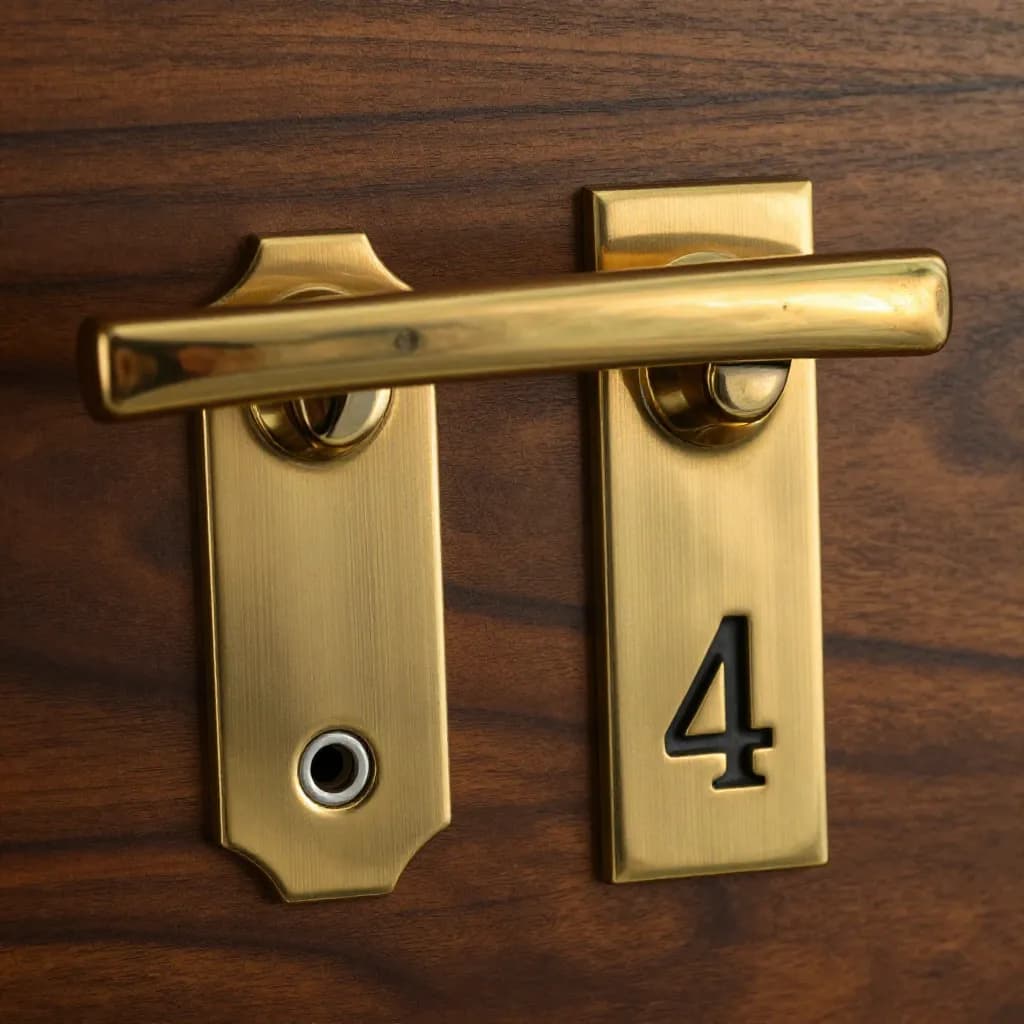
Powder coating brass creates a permanent, durable barrier between the brass surface and the environment, preventing the oxidation and chemical reactions that cause tarnishing. Unlike lacquers and clear coats that can yellow, crack, and peel over time, a properly applied powder coating maintains its protective properties for years without degradation. For brass hardware, fixtures, and architectural elements that need to look pristine for decades, powder coating is one of the most reliable protection methods available.
Ready to Start Your Project?
From one-off customs to 15,000-part production runs — get precise pricing in 24 hours.
On This Page
Powder Coating Brass: Preserving Beauty and Preventing Tarnish
Beyond tarnish prevention, powder coating also allows brass to be finished in colors other than its natural gold tone. While many people choose clear or tinted clear powder coats to preserve the brass appearance while adding protection, others use opaque powder coatings to achieve entirely different colors on brass substrates. Matte black brass hardware, for example, has become extremely popular in contemporary interior design, and powder coating is one of the primary methods used to achieve this look on solid brass components.
Why Brass Tarnishes and How Powder Coating Stops It
Understanding why brass tarnishes helps explain why powder coating is such an effective solution. Brass is an alloy of copper and zinc, and both metals are reactive when exposed to atmospheric conditions. Copper reacts with oxygen, sulfur compounds, and carbon dioxide in the air to form copper oxide and copper carbonate — the dark brown and green compounds that constitute tarnish and patina. Zinc similarly oxidizes, contributing to the dulling of the surface.
The tarnishing process is accelerated by moisture, salt, acidic environments, and contact with skin oils. Brass door handles, for example, tarnish rapidly in high-traffic areas because the oils and salts from human hands create an aggressive chemical environment on the metal surface. Outdoor brass fixtures tarnish even faster due to rain, humidity, and atmospheric pollutants.
Traditional methods of preventing brass tarnish include lacquering, waxing, and applying clear liquid coatings. These methods work initially but have limited durability. Lacquer coatings typically last 1-3 years before they begin to yellow, crack, or peel, at which point the exposed brass tarnishes rapidly. Wax coatings require frequent reapplication — often monthly — to maintain protection. Neither solution provides the long-term, maintenance-free protection that many applications demand.
Powder coating solves the tarnish problem by encapsulating the brass surface in a cross-linked polymer film that is impermeable to air, moisture, and contaminants. The cured powder coating is chemically inert, UV-stable, and mechanically tough, providing a barrier that maintains its integrity for 10-20 years or more. Clear powder coatings allow the natural brass color to show through while preventing any atmospheric contact with the metal surface. This combination of visual transparency and physical protection makes clear powder coating the ideal solution for preserving brass aesthetics long-term.
Pretreatment: The Key to Powder Coating Adhesion on Brass
Brass requires careful pretreatment before powder coating to ensure reliable adhesion. Like other non-ferrous metals, brass has surface characteristics that differ from steel and require adapted preparation methods.
Cleaning is the first and most critical step. Brass parts often carry polishing compounds, buffing residues, oils, fingerprints, and sometimes lacquer from previous protective treatments. All of these contaminants must be completely removed before any further preparation. Alkaline cleaning solutions are effective for removing oils and greases, while solvent-based cleaners may be needed for stubborn polishing compounds. If the brass has an existing lacquer coating, this must be stripped using appropriate chemical strippers before proceeding.
Surface profiling for brass is more delicate than for steel. Brass is a relatively soft metal, and aggressive blasting can damage polished surfaces, round over sharp edges, and embed abrasive particles in the soft metal. When blasting is used, fine media at low pressure — such as glass bead or fine aluminum oxide at 20-30 psi — provides adequate surface profile without damaging the part. For polished brass that must retain its mirror finish under a clear powder coat, chemical etching rather than blasting is preferred to create microscopic surface roughness without visible surface damage.
Chemical conversion coating is highly recommended for brass before powder coating. Chromate or non-chromate conversion coatings create a thin chemical layer on the brass surface that dramatically improves powder coating adhesion and provides a secondary corrosion barrier at the metal-coating interface. These conversion coatings are applied by immersion or spray and add minimal thickness to the part.
Outgassing is a concern with some brass alloys, particularly cast brass and brass with high zinc content. These materials can release trapped gases when heated to powder coating cure temperatures, causing pinholes and bubbles in the coating. A pre-bake cycle — heating the part to cure temperature for 15-20 minutes before powder application — drives out trapped gases and prevents this defect.
Decorative Hardware: Door Handles, Cabinet Pulls, and Fixtures
Decorative hardware is the most common consumer application for powder-coated brass. Door handles, cabinet knobs and pulls, hinges, lock sets, bathroom accessories, and light switch plates made from solid brass are frequently powder coated to provide both tarnish protection and color options.
Clear powder coating on polished brass hardware preserves the warm golden appearance while eliminating the need for regular polishing. This is particularly valuable for commercial buildings, hotels, and restaurants where brass hardware is specified for its premium appearance but regular polishing of hundreds of fixtures is impractical. A clear powder-coated brass door handle will maintain its bright, polished look for years without any maintenance beyond normal cleaning.
Matte black powder coating on brass hardware has become one of the most popular finishes in contemporary interior design. The combination of solid brass construction — valued for its weight, feel, and durability — with a matte black powder-coated finish creates hardware that is both premium in quality and modern in appearance. This finish is widely used in residential kitchens, bathrooms, and throughout commercial hospitality projects.
Antique and aged brass effects can be achieved through specialty powder coatings that replicate the appearance of naturally patinated brass. These coatings use multi-tone color effects, textured finishes, and translucent layers to create the visual depth and character of aged brass without the inconsistency and ongoing change of natural patina. The advantage is a controlled, consistent appearance that will not continue to change over time.
For consumers purchasing powder-coated brass hardware, quality varies significantly between manufacturers. Premium hardware manufacturers use solid brass with proper pretreatment and high-quality powder coatings, while budget alternatives may use brass-plated steel or zinc with powder coating, which will not perform as well long-term. Checking the base material specification is important when evaluating powder-coated brass hardware products.
Architectural Applications: Facades, Railings, and Signage
Architectural brass has a long history in building design, from the Art Deco skyscrapers of the 1920s to contemporary mixed-material facades. Powder coating has expanded the practical applications of architectural brass by solving the maintenance challenge that has historically limited its use in exterior and high-traffic interior environments.
Exterior brass cladding and facade elements benefit enormously from powder coating. Uncoated exterior brass develops a green patina over time — the same process that gives the Statue of Liberty its distinctive color. While some architects intentionally specify uncoated brass for this evolving patina, others want the warm golden color of new brass to be maintained permanently. Clear powder coating achieves this, protecting the brass from atmospheric corrosion while allowing its natural color to remain visible.
Brass railings and balustrades in commercial buildings, hotels, and public spaces are frequently powder coated to eliminate the ongoing polishing maintenance that uncoated brass requires. A powder-coated brass railing in a hotel lobby will maintain its appearance through years of constant hand contact, whereas an uncoated brass railing would require daily polishing to prevent tarnish from hand oils.
Signage and lettering made from brass is a classic architectural element that powder coating helps preserve. Brass letters, plaques, and directional signs can be clear coated to maintain their polished appearance or color coated to match a building's design scheme. The durability of powder coating ensures that signage remains legible and attractive for the life of the building.
Brass elevator doors, lobby panels, and interior trim in commercial buildings represent high-value applications where the combination of brass quality and powder coating protection justifies the investment. These elements are touched, bumped, and cleaned daily, and the powder coating must withstand this constant use while maintaining its appearance. High-quality powder coatings with enhanced scratch and chemical resistance are specified for these demanding applications.
Clear Coat Options: Preserving the Natural Brass Look
For consumers who want to protect brass while preserving its natural golden appearance, clear powder coating is the primary option. However, not all clear powder coatings are equal, and understanding the available options helps in selecting the right product for each application.
Standard clear polyester powder provides good protection and clarity for interior applications. These coatings are transparent, allowing the full color and luster of polished brass to show through. Standard clear polyester is suitable for interior hardware, fixtures, and decorative elements that are not exposed to direct sunlight or harsh weather. The coating maintains its clarity for 5-10 years in interior environments.
Super-durable clear polyester is formulated for exterior exposure, with enhanced UV resistance that prevents yellowing and hazing over time. Standard clear coatings can develop a yellow tint after prolonged UV exposure, which shifts the appearance of the brass underneath. Super-durable formulations use UV-stabilized resins and additives that maintain optical clarity for 10-15 years in exterior applications, making them the preferred choice for architectural brass exposed to sunlight.
Fluoropolymer clear coats — based on PVDF or FEVE chemistry — represent the highest performance tier for clear coating brass. These coatings offer exceptional UV resistance, chemical resistance, and long-term clarity, maintaining their protective and optical properties for 20 years or more. Fluoropolymer clear coats are specified for premium architectural applications where the brass must maintain its appearance for the life of the building.
Tinted clear coats are available for consumers who want to subtly modify the brass color while still showing the metal underneath. Warm amber tints enhance the golden tone of brass, while cool tints can shift the appearance toward a champagne or rose gold effect. These tinted clears provide the same protection as standard clears while adding a controlled color shift that can complement specific design palettes.
When specifying clear powder coating for brass, it is important to request samples on actual brass substrates rather than relying on color charts or samples on steel. The interaction between the clear coating and the brass color underneath can vary depending on the coating thickness, the specific brass alloy, and the surface finish of the brass.
Caring for Powder-Coated Brass
One of the primary benefits of powder coating brass is reduced maintenance, but proper care will maximize the life and appearance of the coated finish.
Routine cleaning of powder-coated brass should use mild soap and warm water applied with a soft cloth or sponge. This is sufficient to remove fingerprints, dust, and everyday grime without affecting the coating. Rinse with clean water after washing and dry with a soft cloth to prevent water spots, particularly in areas with hard water.
Avoid abrasive cleaners, scouring pads, and harsh chemicals on powder-coated brass. Abrasive materials can scratch the coating surface, creating dull spots and potentially exposing the brass underneath to tarnishing. Strong solvents, ammonia-based cleaners, and acidic cleaning products can attack the powder coating chemically, causing softening, discoloration, or loss of gloss.
For exterior powder-coated brass, periodic cleaning — quarterly or semi-annually depending on the environment — removes accumulated dirt, pollution deposits, and biological growth that can degrade the coating over time if left in place. A gentle pressure wash at low pressure or hand washing with automotive-grade wash solution works well for exterior architectural brass elements.
Inspect powder-coated brass periodically for any chips, scratches, or areas where the coating has been damaged. Small chips can be touched up with color-matched liquid touch-up paint to prevent tarnishing of the exposed brass. If damage is extensive, the part may need to be stripped and recoated to restore full protection.
For clear-coated brass, watch for any signs of yellowing or hazing, which indicate UV degradation of the clear coat. If the clear coat begins to yellow, it is approaching the end of its service life and should be stripped and reapplied before the degraded coating allows tarnishing to begin. Catching this early prevents the need to re-polish the brass before recoating.
With proper care, powder-coated brass hardware and architectural elements will maintain their appearance for many years, providing the beauty of brass without the traditional maintenance burden.
Frequently Asked Questions
Does powder coating prevent brass from tarnishing?
Yes. Powder coating creates an impermeable barrier between the brass surface and the atmosphere, preventing the oxidation and chemical reactions that cause tarnishing. Clear powder coatings allow the natural brass color to show through while providing complete tarnish protection for 10-20 years depending on the formulation and environment.
Can you clear coat brass with powder coating?
Yes. Clear powder coatings are available in standard polyester, super-durable polyester, and fluoropolymer formulations. These transparent coatings preserve the natural golden appearance of polished brass while providing durable tarnish protection. Tinted clear coats can also subtly shift the brass color toward warmer or cooler tones.
What pretreatment does brass need before powder coating?
Brass should be thoroughly cleaned to remove oils, polishing compounds, and any existing lacquer. Light abrasive blasting with fine media or chemical etching creates surface roughness for adhesion. A chemical conversion coating is recommended to improve adhesion and corrosion resistance. Cast brass may need a pre-bake cycle to prevent outgassing during powder cure.
Is powder coating better than lacquer for protecting brass?
Yes, significantly. Traditional lacquer on brass typically lasts 1-3 years before yellowing, cracking, or peeling. Powder coating provides 10-20 years of protection with superior scratch resistance, chemical resistance, and UV stability. Powder coating is thicker, harder, and more durable than lacquer in virtually every measurable performance category.
Can powder-coated brass hardware be used outdoors?
Yes. Powder-coated brass is well-suited for outdoor use. The powder coating protects the brass from rain, humidity, salt spray, and UV exposure that would cause rapid tarnishing on uncoated brass. For exterior applications, specify super-durable polyester or fluoropolymer clear coats for maximum UV resistance and long-term clarity.
Ready to Start Your Project?
From one-off customs to 15,000-part production runs — get precise pricing in 24 hours.