Motorcycle frames are one of the best candidates for powder coating, and this has become the standard finishing method for both custom builds and restorations. Unlike car bodies, motorcycle frames are small enough to fit in standard powder coating ovens, they are made entirely of metal (typically steel or aluminum), and they benefit enormously from the superior durability and chemical resistance that powder coating provides over conventional paint.
Consumer
Can You Powder Coat a Motorcycle Frame? The Complete Guide
Sundial Powder Coating·April 22, 2026·9 min
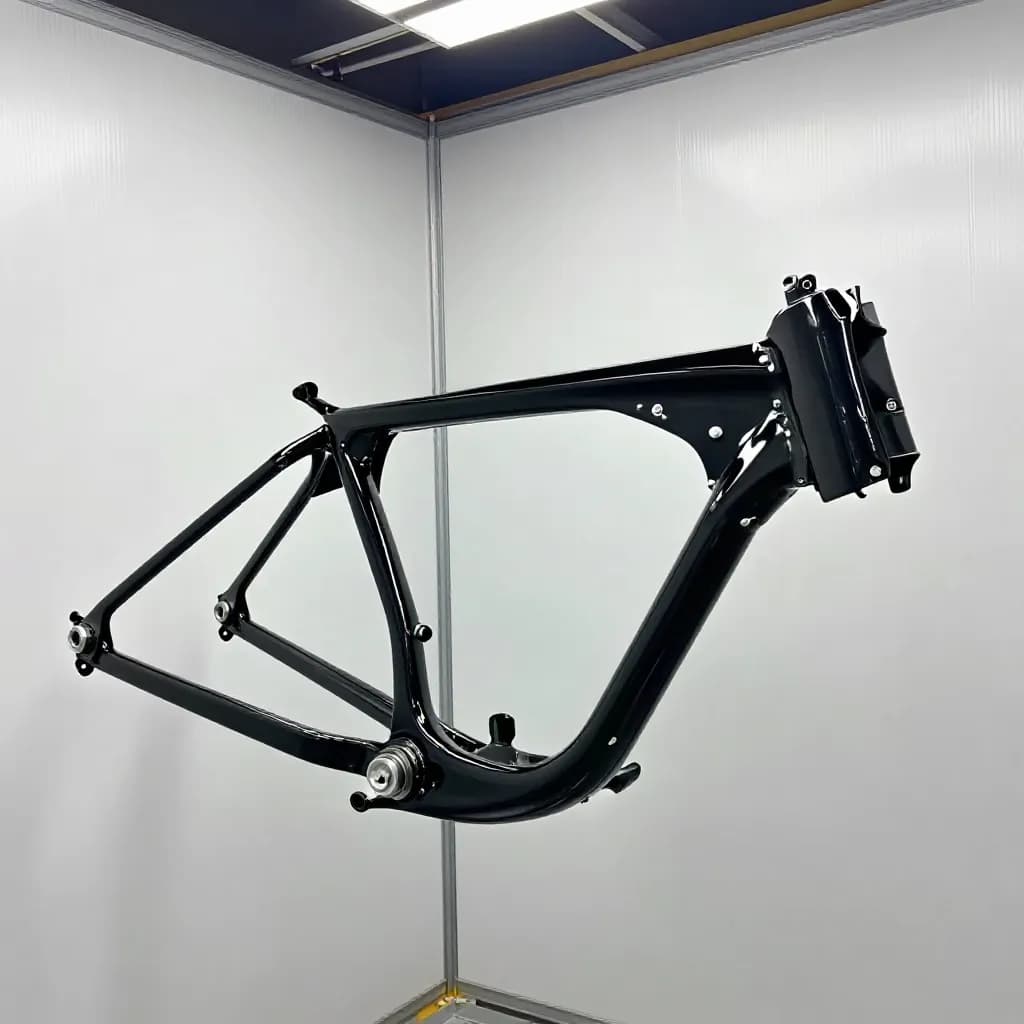
A motorcycle frame is exposed to harsh conditions — road debris, water spray, chain lubricant, fuel spills, UV exposure, and vibration — that would quickly degrade a conventional paint finish. Powder coating handles all of these challenges far better than spray paint, providing a thick, hard, chemically resistant barrier that maintains its appearance for years. The fully cross-linked powder film resists chipping from stone impacts, does not soften or dissolve when exposed to fuel or solvents, and maintains its color and gloss through extended UV exposure.
Ready to Start Your Project?
From one-off customs to 15,000-part production runs — get precise pricing in 24 hours.
On This Page
Yes — Motorcycle Frames Are Ideal for Powder Coating
Whether you are restoring a vintage motorcycle to factory-correct colors, building a custom chopper with a unique color scheme, or simply refreshing a tired-looking frame on a daily rider, powder coating delivers a professional, durable result that is well worth the investment. The process is straightforward, widely available, and produces results that are difficult to match with any other finishing method.
Steel vs. Aluminum Frames: Different Preparation Needs
Motorcycle frames are made from either steel (including chromoly steel) or aluminum, and the preparation requirements differ between these materials. Steel frames are the more common substrate, used on the majority of cruisers, standard bikes, and vintage motorcycles. Steel is straightforward to prepare — abrasive blasting with steel grit or aluminum oxide removes rust, old paint, and surface contaminants while creating an excellent surface profile for powder adhesion.
Aluminum frames — found on most modern sportbikes and some adventure motorcycles — require a different preparation approach. Aluminum should be blasted with non-ferrous media such as aluminum oxide or glass bead to avoid embedding iron particles in the surface, which could cause corrosion spots. Aluminum also benefits from a chromate-free conversion coating after blasting to promote adhesion and provide corrosion protection at the metal-coating interface.
For both materials, thorough cleaning before blasting is essential. Motorcycle frames accumulate grease, oil, chain lube, and road grime in every crevice, and these contaminants must be removed before blasting to prevent them from being driven into the surface by the blast media. A hot alkaline wash or solvent degreasing step before blasting ensures a clean starting point. After blasting, the frame should be coated as quickly as possible to prevent flash rust on steel or oxide formation on aluminum.
Masking Critical Areas
Proper masking of a motorcycle frame is essential to ensure that all bearing surfaces, threaded holes, and mounting points remain functional after coating. The steering head bearings are the most critical area — the bearing races and contact surfaces inside the steering head tube must be completely free of coating to ensure smooth steering operation and proper bearing preload. High-temperature silicone plugs or custom-fitted masking caps are used to protect these surfaces.
Swingarm pivot points, engine mounting surfaces, and suspension mounting holes must also be masked. Coating on these surfaces can prevent proper torque values, interfere with bearing operation, or create clearance issues during assembly. All threaded holes — for engine mounts, fender brackets, footpeg mounts, and other hardware — should be plugged to maintain clean threads.
The areas where the engine contacts the frame deserve special attention. Engine mounting surfaces must be bare metal for proper clamping force and heat transfer. If these surfaces are coated, the coating can compress under the engine mounting bolt torque, leading to loose engine mounts that require re-torquing. Some builders choose to mask these areas, while others coat the entire frame and then carefully remove the coating from mounting surfaces during assembly using a razor blade or fine abrasive.
Color and Finish Options for Motorcycle Frames
The color and finish possibilities for motorcycle frames are virtually unlimited with powder coating. For restoration projects, factory-correct colors can be matched precisely — whether it is the specific shade of black used on a vintage Honda, the distinctive Kawasaki green, or the Harley-Davidson vivid black. Powder coating suppliers maintain extensive color libraries and can match any reference sample.
Custom builds open up the full creative palette. Solid colors, metallics, pearls, candies, textures, and wrinkle finishes are all available. Gloss black remains the most popular frame color for its clean, classic appearance, but matte black, satin black, and textured black finishes have become increasingly popular for their modern, aggressive aesthetic. For builders who want their frame to make a statement, bold colors like red, blue, orange, or custom-mixed shades create a striking visual impact.
Multi-color and accent schemes are achievable through multiple coating and masking steps. A common approach is to coat the main frame in one color and the swingarm or subframe in a contrasting color. Clear coats over metallic or pearl base coats add depth and protection. Wrinkle and texture finishes are popular for frames because they complement the mechanical aesthetic of a motorcycle and are more forgiving of minor surface imperfections in welded tube construction.
The Coating Process Step by Step
The powder coating process for a motorcycle frame begins with complete disassembly. Every component must be removed from the frame — engine, wiring harness, suspension, wheels, brakes, fuel tank mounts, and all hardware. The frame should be stripped down to a bare chassis with nothing attached. This ensures complete coating coverage and prevents heat damage to non-metallic components during curing.
After disassembly, the frame is cleaned and degreased, then abrasive blasted to remove all old coating, rust, and surface contaminants. The blasting process also reveals any hidden damage — cracks, thin spots, or poor-quality previous repairs — that should be addressed before coating. After blasting, all critical surfaces are masked as described above.
The powder is applied electrostatically, with the coater paying particular attention to the inside of frame tubes, tight corners, and areas around gussets and welds where the Faraday cage effect can reduce powder deposition. Multiple passes from different angles ensure complete coverage. The frame is then cured in the oven according to the powder manufacturer's specifications. After cooling, masking is removed, and the frame is inspected for complete coverage, uniform film thickness, and any defects that need attention.
Potential Issues and How to Handle Them
The most common issue with powder-coated motorcycle frames is coating damage during reassembly. Installing the engine, tightening mounting bolts, routing wiring, and attaching components inevitably involves contact with the freshly coated surface. Using protective tape or cloth on the frame during assembly, working carefully with padded tools, and having touch-up paint available for minor scratches are practical measures to minimize assembly damage.
Outgassing can be an issue on frames with thick-walled tubing or cast components such as steering head gussets. If the frame has been previously painted or has accumulated oil and grease in crevices over years of use, a pre-bake cycle before powder application helps drive out trapped contaminants. Most experienced motorcycle frame coaters include a pre-bake as a standard step in their process.
Frame distortion from oven heat is a concern that is occasionally raised but is rarely a problem in practice. The curing temperature of 180 to 200 degrees Celsius is well below the temperature at which steel or aluminum frame tubing would experience any structural change. Welded joints and heat-affected zones in the frame have already been exposed to much higher temperatures during the welding process. However, frames with press-fit bearings or bushings should have these components removed before coating, as the heat could affect the press-fit interference.
Durability and Long-Term Performance
A properly powder-coated motorcycle frame provides outstanding long-term durability that far exceeds conventional paint. The typical 60 to 100 micron film build of powder coating creates a robust barrier against stone chips, abrasion, and chemical exposure. Riders who have switched from painted to powder-coated frames consistently report that the finish holds up dramatically better over years of riding.
The chemical resistance of powder coating is particularly valuable on motorcycle frames. Fuel spills, chain lubricant overspray, brake fluid drips, and aggressive cleaning chemicals are all part of motorcycle ownership, and all of these can damage conventional paint. Powder coating resists these chemicals without softening, staining, or losing adhesion, maintaining its appearance through the normal wear and tear of motorcycle use.
With proper care, a powder-coated motorcycle frame can maintain its appearance for 10 to 15 years or more of regular riding. Routine maintenance involves washing with mild soap and water, promptly cleaning off any fuel or chemical spills, and addressing any chips or scratches with touch-up paint before corrosion can start. For frames exposed to winter riding with road salt, a thorough wash after each ride and periodic inspection for coating damage helps ensure long-term protection.
Choosing a Coater for Your Motorcycle Frame
When selecting a powder coater for your motorcycle frame, look for a shop with specific experience in motorcycle work. A coater who regularly handles frames will understand the masking requirements, know how to achieve complete coverage on tubular structures, and be familiar with the common issues that arise with motorcycle frames. Ask to see examples of their previous motorcycle frame work and inquire about their preparation and masking process.
Discuss your color and finish preferences in detail before committing. If you want a specific factory color match, provide a color code or reference sample. If you want a custom color, ask to see powder samples or color chips to confirm the shade before the frame is coated. Some coaters can apply a test patch on a sample piece for your approval before coating the actual frame.
Clarify the turnaround time and what is included in the service. Some coaters include disassembly assistance, while others require you to deliver a bare, stripped frame. Confirm whether the quoted service includes blasting, pre-bake, conversion coating, and masking, or whether any of these steps are additional. A thorough, well-prepared coating job takes time — be wary of shops that promise extremely fast turnaround, as this may indicate shortcuts in the preparation process.
Frequently Asked Questions
Will powder coating a motorcycle frame affect its strength?
No. The curing temperature of 180 to 200 degrees Celsius is far below the temperature that would affect the mechanical properties of steel or aluminum frame tubing. The frame's structural integrity is not compromised by the powder coating process. Welded joints have already been exposed to much higher temperatures during fabrication.
How long does it take to powder coat a motorcycle frame?
The typical turnaround time is three to seven business days, depending on the shop's workload and the complexity of the job. This includes cleaning, blasting, masking, coating, curing, and inspection. Multi-color or specialty finish jobs may take longer. Rush services may be available at some shops for an additional fee.
Can you powder coat a motorcycle frame with the engine installed?
No. The engine and all other components must be removed before powder coating. The frame needs to be completely stripped for proper blasting, coating coverage, and oven curing. The curing temperature would also damage engine seals, gaskets, wiring, and other non-metallic components if left in place.
Is powder coating better than painting a motorcycle frame?
For durability, chemical resistance, and chip resistance, powder coating is significantly superior to conventional spray paint on motorcycle frames. Paint may be preferred only if you need a specific finish effect that powder cannot achieve, or if you need easy spot-repair capability. For most riders, powder coating is the better choice.
Can you powder coat a chrome motorcycle frame?
Yes, but the chrome plating must be completely removed first through abrasive blasting or chemical stripping. Powder coating will not adhere to smooth chrome surfaces. Once the chrome is removed, the underlying steel can be prepared and powder coated normally. Be aware that removing chrome may reveal surface imperfections that were hidden by the plating.
Ready to Start Your Project?
From one-off customs to 15,000-part production runs — get precise pricing in 24 hours.