Bicycle frames are one of the most popular items for powder coating, and the process delivers outstanding results. The size of a bicycle frame fits easily into standard powder coating ovens, the metal construction accepts electrostatic application readily, and the finished coating provides far superior durability compared to the factory paint found on most production bicycles. Whether you are restoring a vintage steel road bike, customizing a mountain bike, or refreshing a commuter, powder coating transforms the frame with a professional, long-lasting finish.
Consumer
Can You Powder Coat a Bicycle Frame? Colors, Process, and Tips
Sundial Powder Coating·April 22, 2026·8 min
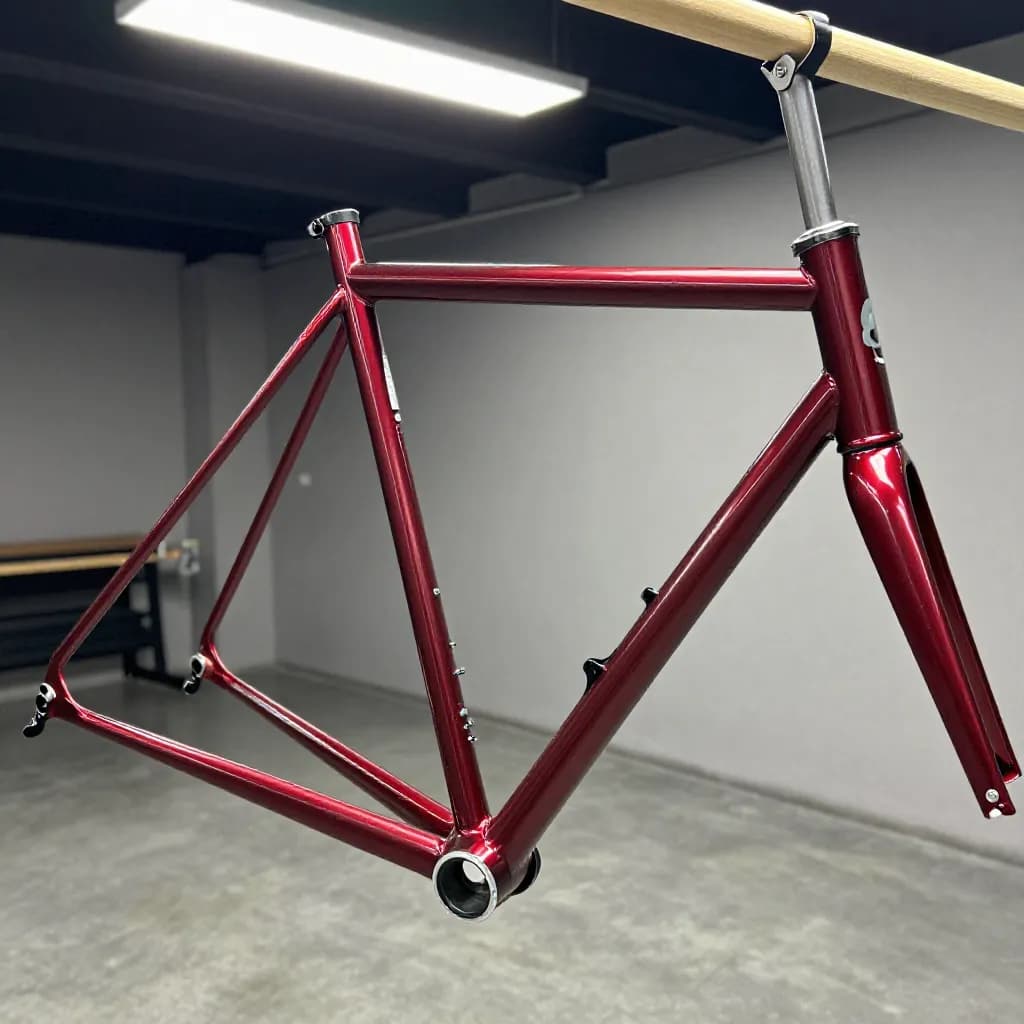
Powder coating has become the finish of choice for custom frame builders and bicycle restoration specialists. The thick, uniform film resists the chips, scratches, and abrasion that bicycle frames endure from cable rub, lock contact, rack mounting, and general handling. The chemical resistance of powder coating also protects against sweat, sports drinks, chain lubricant, and the cleaning products used to maintain the bike.
Ready to Start Your Project?
From one-off customs to 15,000-part production runs — get precise pricing in 24 hours.
On This Page
Yes — Powder Coating Is Perfect for Bicycle Frames
The color and finish options available through powder coating far exceed what is possible with rattle-can spray paint or even professional liquid paint. From subtle matte finishes to vibrant metallics, from factory-correct vintage colors to wild custom schemes, powder coating gives cyclists the ability to create a truly personalized bicycle. The process is widely available, reasonably affordable, and produces results that last for years of riding.
Frame Materials: What Works and What Doesn't
Steel bicycle frames — including chromoly, Reynolds, Columbus, and other steel tubing brands — are the ideal substrate for powder coating. Steel is electrically conductive, accepts powder application uniformly, and withstands the curing temperature without any concern. The vast majority of powder-coated bicycle frames are steel, and the process is well-established and reliable for this material.
Aluminum frames can also be powder coated successfully, though they require slightly different preparation. Aluminum should be blasted with non-ferrous media and treated with a conversion coating designed for aluminum before powder application. The main consideration with aluminum frames is that the thinner tube walls used in aluminum construction heat up faster in the curing oven, so temperature monitoring is important to avoid over-curing.
Carbon fiber frames cannot be powder coated. The curing temperature of 180 to 200 degrees Celsius exceeds the glass transition temperature of most carbon fiber epoxy resins, which means the frame's structural integrity could be compromised during the curing process. Carbon frames should be finished with liquid paint systems that cure at ambient temperature or low bake temperatures. Titanium frames can be powder coated but require specialized surface preparation as discussed in our titanium powder coating guide.
Preparation and Masking for Bicycle Frames
Proper preparation of a bicycle frame begins with complete disassembly — removing all components including the headset, bottom bracket, derailleur hanger, cable guides, bottle cage bolts, and any press-fit bearings. The frame should be stripped down to a bare shell with nothing attached. Old paint or coating is removed through abrasive blasting, which also creates the surface profile needed for powder adhesion.
Masking is critical for bicycle frames because many surfaces have precise dimensional requirements. The head tube interior must be masked to preserve the headset bearing surfaces and press-fit dimensions. The bottom bracket shell threads or press-fit bore must be protected to ensure proper bottom bracket installation after coating. The seat tube interior should be masked to maintain the correct diameter for the seatpost, and the dropout faces should be kept clean for proper wheel alignment.
All threaded holes — for bottle cages, cable guides, brake mounts, and derailleur hangers — should be plugged with high-temperature silicone plugs or filled with high-temperature tape. The rear dropout faces and derailleur hanger mounting surface must be masked to ensure proper derailleur alignment and wheel seating. For frames with disc brake mounts, the flat mounting surfaces and threaded holes must be kept free of coating to ensure proper caliper alignment and secure mounting.
Color and Finish Possibilities
The color options for powder-coated bicycle frames are virtually limitless, and this creative freedom is one of the main reasons cyclists choose powder coating. Solid colors across the entire RAL spectrum are available, from classic blacks and whites to vibrant reds, blues, greens, and yellows. Metallic finishes add sparkle and depth, with popular options including silver, gunmetal, bronze, gold, and candy-tone metallics that shift color depending on the viewing angle.
Matte and satin finishes have become extremely popular in the cycling world, offering a modern, understated aesthetic that many riders prefer over traditional gloss. Matte black, matte olive, and matte navy are particularly trendy choices. Textured finishes — including fine wrinkle and sand textures — provide a unique tactile quality and are more forgiving of minor surface imperfections in the frame tubing.
Multi-color designs are achievable through multiple coating and masking steps. A common approach is a two-tone scheme with different colors on the main triangle and the rear triangle, separated by a clean masking line at the seat cluster. Fade effects, panel designs, and accent colors on lugs or head tubes are all possible with careful masking. Decals and logos can be applied between a base coat and a clear topcoat, creating a professional appearance with the graphics sealed beneath a protective clear layer.
Weight Considerations for Performance Cyclists
For weight-conscious cyclists, the added weight of powder coating compared to thin liquid paint is a common concern. Powder coating typically adds 80 to 150 grams to a bicycle frame, depending on the frame size, tube diameter, and coating thickness. This is somewhat more than a thin liquid paint finish, which might add 40 to 80 grams, but the difference is modest in the context of a complete bicycle that weighs 7 to 12 kilograms.
For most recreational and enthusiast cyclists, the weight difference between powder coating and liquid paint is negligible and is easily offset by the superior durability of the powder finish. A powder-coated frame that maintains its appearance for years without chipping or peeling is a better value proposition than a lighter paint finish that degrades quickly and requires refinishing.
For competitive cyclists where every gram matters — particularly in road racing and hill climbing — the weight penalty of powder coating may be a consideration. In these cases, a thin liquid paint system or even a minimal clear coat over bare metal may be preferred. However, it is worth noting that the weight difference between powder coating and liquid paint is equivalent to carrying a few extra sips of water in your bottle — a trade-off that most riders would happily accept for the dramatically improved durability.
Reassembly After Powder Coating
Reassembling a bicycle frame after powder coating requires care to avoid damaging the new finish and to ensure all components fit and function correctly. Begin by chasing all threaded holes with the appropriate taps to remove any coating that may have migrated past the masking. The bottom bracket threads should be chased and faced, and the head tube should be reamed if necessary to ensure proper headset fit.
The seat tube should be checked for proper seatpost fit — if the coating has reduced the internal diameter slightly, a light ream with a seat tube reamer restores the correct dimension. Dropout faces should be checked for flatness and alignment, and the derailleur hanger should be checked for alignment using a derailleur alignment gauge. These post-coating checks are standard practice in professional bicycle frame finishing and ensure that the coated frame functions as well as it looks.
When installing components, use appropriate assembly compounds on all contact surfaces. Carbon assembly paste on seatposts and stems prevents slipping without excessive clamping force, and anti-seize compound on threaded fasteners prevents galling and ensures accurate torque values. Apply frame protection tape or clear adhesive film to high-wear areas — such as the chainstay behind the crankset, the down tube near the head tube, and cable rub points — to protect the coating from the inevitable wear that occurs during riding.
Durability and Care of Powder-Coated Frames
A properly powder-coated bicycle frame provides excellent durability that significantly outlasts factory paint on most production bicycles. The typical 60 to 80 micron film build creates a hard, resilient surface that resists the chips, scratches, and abrasion of regular riding. Many powder-coated frames maintain their appearance for five to ten years of regular use, compared to one to three years for thin factory paint finishes.
Routine care involves washing the frame with mild soap and water after rides, particularly after wet or muddy conditions. Avoid pressure washing directly at close range, as the high-pressure water stream can force moisture into any chips or scratches in the coating. Dry the frame after washing and apply a light coat of frame polish or protectant to maintain the finish and provide additional protection against UV and environmental exposure.
Address any chips or scratches promptly with touch-up paint to prevent corrosion from starting at the damage site. For steel frames, even a small chip that exposes bare metal can become a rust initiation point if left untreated. Aluminum frames are less susceptible to corrosion at chip sites but still benefit from prompt touch-up for cosmetic reasons. Keeping the frame clean, dry, and promptly repaired ensures the longest possible life from the powder coating.
Frequently Asked Questions
Can you powder coat a carbon fiber bicycle frame?
No. Carbon fiber frames cannot withstand the 180 to 200 degree Celsius curing temperature required for powder coating. The heat would damage the epoxy resin matrix that holds the carbon fibers together, potentially compromising the frame's structural integrity. Carbon frames should be finished with liquid paint systems that cure at lower temperatures.
How much weight does powder coating add to a bicycle frame?
Powder coating typically adds 80 to 150 grams to a bicycle frame, depending on frame size and coating thickness. This is somewhat more than thin liquid paint but is negligible for most riders. The superior durability of powder coating compared to thin paint makes the small weight penalty worthwhile for the vast majority of cyclists.
How long does powder coating last on a bicycle frame?
With proper care, powder coating on a bicycle frame typically lasts five to ten years of regular riding before showing significant wear. This is substantially longer than most factory paint finishes. Durability depends on riding conditions, frame care, and exposure to impacts and abrasion. Prompt touch-up of chips helps extend the coating's life.
Can you powder coat over an existing bicycle paint job?
The existing paint should be completely removed before powder coating. Old paint creates a weak boundary layer that prevents proper adhesion of the new powder coating. Abrasive blasting removes old paint and creates the surface profile needed for powder adhesion in a single step. Coating over old paint will result in premature peeling and flaking.
Do I need to remove the headset and bottom bracket before powder coating?
Yes, all bearings, headset cups, bottom bracket, and press-fit components must be removed before powder coating. The curing oven temperature will damage bearing seals and grease, and coating over these components will prevent proper function. The bearing surfaces must be masked to maintain correct dimensions for reinstallation.
Ready to Start Your Project?
From one-off customs to 15,000-part production runs — get precise pricing in 24 hours.