Whether you can powder coat a BBQ grill depends on which specific components you want to coat and how they are used. A BBQ grill is not a single-temperature environment — the firebox and cooking grates reach extremely high temperatures that exceed the limits of standard powder coatings, while the exterior shell, lid, legs, side tables, and cart components operate at much lower temperatures that are well within the range of appropriate coatings.
Consumer
Can You Powder Coat a BBQ Grill? Heat Safety and Best Practices
Sundial Powder Coating·April 22, 2026·9 min
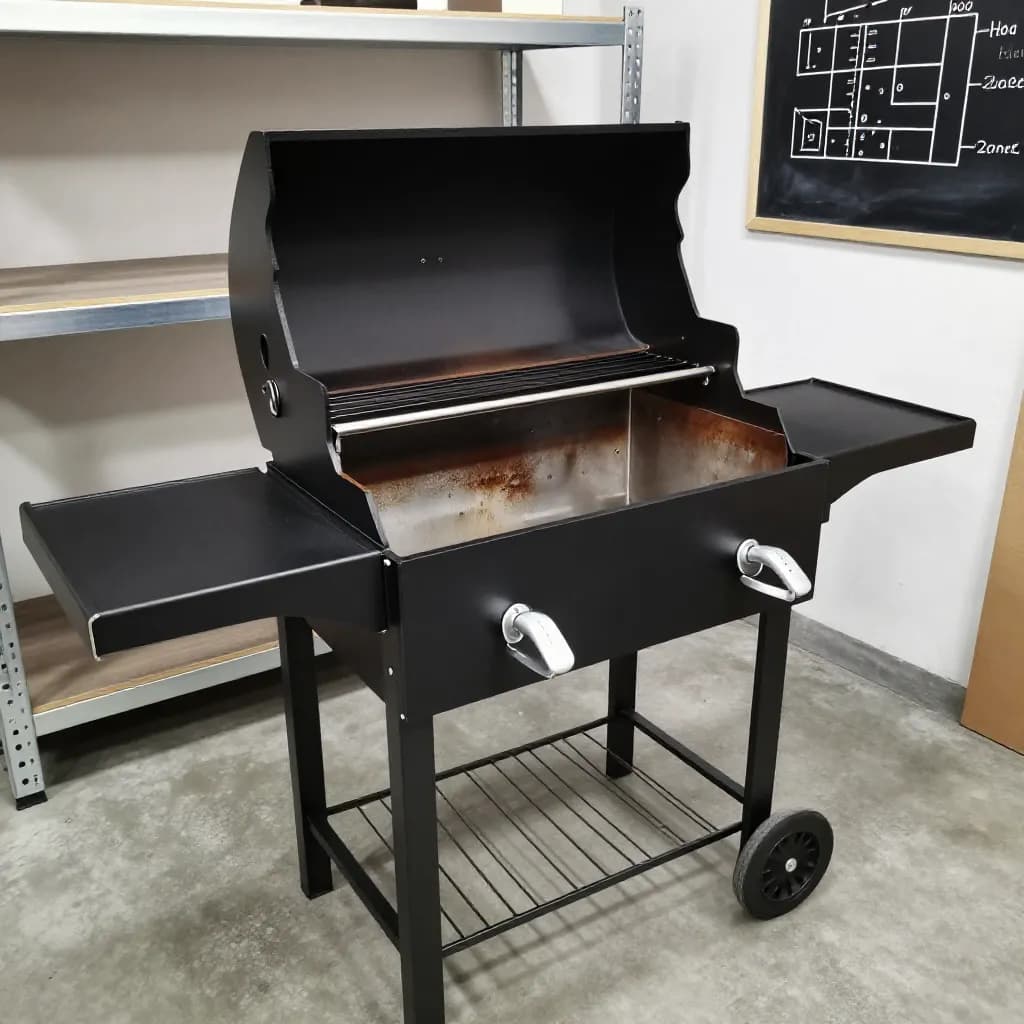
The exterior surfaces of a grill — the outside of the lid, the body shell, the legs, the cart frame, and the side shelves — are excellent candidates for powder coating. These surfaces typically reach temperatures of 80 to 150 degrees Celsius during normal grilling, well within the range of standard or high-temperature powder coatings. Powder coating these exterior components provides superior corrosion protection and color durability compared to the thin paint finishes found on many production grills.
Ready to Start Your Project?
From one-off customs to 15,000-part production runs — get precise pricing in 24 hours.
On This Page
It Depends on Which Parts — Not All Grill Components Are Suitable
The interior surfaces of the firebox, cooking grates, heat deflectors, and flavorizer bars are not suitable for standard powder coating. These components are exposed to direct flame, radiant heat from coals or burners, and temperatures that can exceed 300 to 600 degrees Celsius. They also come into contact with food, grease, and cleaning chemicals that create additional demands on any coating system. Different finishing approaches are needed for these high-heat, food-contact components.
Exterior Grill Components: Great Candidates
The exterior shell and structural components of a BBQ grill are ideal for powder coating and represent the most common grill powder coating application. The outside of the grill lid, the body shell exterior, the legs, the cart frame, side tables, and storage shelves all benefit from the durable, weather-resistant finish that powder coating provides. These components are exposed to rain, sun, humidity, and temperature fluctuations but do not reach the extreme temperatures found inside the firebox.
For grill exteriors, a high-temperature polyester or silicone-modified polyester powder coating rated for 200 to 300 degrees Celsius provides an appropriate safety margin above the typical exterior surface temperatures. These coatings are available in a wide range of colors, though black and dark colors remain the most popular for grills. Matte and satin finishes are common choices that complement the utilitarian aesthetic of outdoor cooking equipment.
Powder coating grill exteriors is particularly valuable for restoration projects. Many quality grills — especially ceramic kamado-style cookers with metal carts, and heavy-duty steel charcoal grills — have excellent cooking performance but develop surface rust and paint deterioration after years of outdoor exposure. Stripping the old finish, preparing the surface, and applying a quality powder coating can restore these grills to like-new appearance while providing protection that outlasts the original factory finish.
Interior and Cooking Surfaces: What to Know
The interior surfaces of a BBQ grill present challenges that make standard powder coating unsuitable. The firebox interior, cooking grates, heat plates, and flavorizer bars are exposed to direct heat, open flame, food contact, grease, and aggressive cleaning — conditions that exceed the capabilities of conventional powder coatings.
Cooking grates should never be powder coated with standard formulations. The direct food contact, extreme heat, and mechanical abrasion from grill brushes and utensils would quickly destroy any standard powder coating. Cooking grates are best finished with porcelain enamel (a glass-based coating fired at very high temperatures), bare cast iron with oil seasoning, or stainless steel that requires no coating. These finishes are food-safe and can withstand the temperatures and conditions inside a grill.
The firebox interior can be left uncoated if made from stainless steel or thick-gauge steel that will develop a protective patina from heat and smoke exposure. For carbon steel fireboxes that are prone to rust, high-temperature paint rated for 600 degrees Celsius or higher — applied as a liquid coating — is a more appropriate choice than powder coating. These specialty paints are designed specifically for grill and stove interiors and can withstand direct flame exposure.
Food Safety Considerations
Food safety is an important consideration when coating any component of a cooking appliance. Standard powder coatings are not certified as food-safe for direct food contact at cooking temperatures. While cured powder coatings are chemically inert at room temperature, the combination of high heat and food contact creates conditions that are outside the intended use of standard powder formulations.
For grill exterior surfaces that do not contact food directly, standard powder coatings are perfectly appropriate. The outside of the lid, the body shell, and the structural components do not come into contact with food during normal use, so food safety certification is not required for these surfaces. The coating on these surfaces serves purely protective and aesthetic purposes.
If you need to coat surfaces that may have incidental food contact — such as the inside of a grill lid where condensation may drip back onto food — consult with the powder coating supplier about food-safe formulations. Some powder coatings are specifically formulated and tested for food contact compliance under regulations such as FDA 21 CFR or EU Framework Regulation 1935/2004. These specialty formulations are available but may have a more limited color range and may require specific application and curing parameters.
Preparation for Grill Components
Preparing grill components for powder coating requires thorough removal of grease, carbon buildup, rust, and old paint. Grills accumulate heavy deposits of carbonized grease and food residue, particularly on interior surfaces and around the firebox area. These deposits must be completely removed before any coating can be applied, as they will prevent adhesion and can cause outgassing during curing.
For heavily soiled grill components, a multi-step cleaning process is recommended. Start with a hot alkaline soak or commercial grill degreaser to dissolve and remove grease and carbon deposits. For stubborn buildup, a burn-off in the curing oven at high temperature can carbonize remaining grease, making it easier to remove by subsequent blasting. After degreasing, abrasive blasting with aluminum oxide or steel grit removes rust, old paint, and any remaining surface contaminants.
Cast iron grill components — such as firebox sections, ash pans, and structural supports — require the same pre-bake treatment described for cast iron in general. The porous nature of cast iron combined with years of grease absorption makes outgassing a significant concern. A thorough pre-bake at 200 to 230 degrees Celsius for one to two hours after blasting drives out trapped contaminants before the powder is applied.
Restoring Vintage and High-End Grills
Powder coating is an excellent restoration method for vintage and high-end grills that have deteriorated cosmetically but remain structurally sound. Classic Weber kettles, large offset smokers, kamado cart systems, and commercial-grade grills are all commonly restored with powder coating. The investment in professional coating is justified by the quality and longevity of these grills, which often outlast their original finish by many years.
For vintage grill restoration, matching the original color and finish adds authenticity to the project. Many classic grills were originally finished in specific colors — Weber's iconic black, various shades of red and green, or metallic finishes — and powder coating can match these colors precisely. For owners who prefer a custom look, the full range of powder coating colors and finishes is available to create a personalized appearance.
The restoration process typically involves complete disassembly of the grill, with each metal component cleaned, blasted, and coated individually. Hardware such as hinges, handles, and vent mechanisms are coated separately to ensure complete coverage. After coating, the grill is reassembled with new gaskets, seals, and hardware as needed. The result is a grill that looks and performs like new, with a finish that will outlast the original factory coating.
Alternatives for High-Heat Grill Surfaces
For the interior and high-heat components of a grill that cannot be powder coated, several alternative finishing methods are available. Porcelain enamel is the most common factory finish for grill interiors and cooking grates. This glass-based coating is applied as a powder or slurry and fired at temperatures exceeding 800 degrees Celsius, creating an extremely hard, heat-resistant, and food-safe surface. Porcelain enamel is not a DIY process — it requires specialized equipment and expertise.
High-temperature spray paint rated for 600 to 1,000 degrees Celsius is the most accessible option for DIY grill interior refinishing. These paints are available in aerosol cans and are designed specifically for grills, stoves, and fireplace components. They cure through a combination of air drying and heat exposure during the first use. While not as durable as porcelain enamel, high-temperature paint provides reasonable protection and can be easily reapplied when it wears.
For cast iron cooking grates and firebox components, traditional oil seasoning — the same process used for cast iron cookware — provides a natural, food-safe, non-stick surface that improves with use. The seasoning layer is built up by applying thin coats of high-smoke-point oil and heating the component to polymerize the oil into a hard, protective film. This approach requires ongoing maintenance but produces excellent cooking results and is completely food-safe.
Maintaining a Powder-Coated Grill
Maintaining the powder-coated exterior of a grill is straightforward and requires minimal effort. Regular cleaning with mild soap and water removes grease splatter, dust, and environmental deposits. For stubborn grease spots, a non-abrasive kitchen cleaner or a dedicated grill exterior cleaner can be used. Avoid abrasive scrubbing pads or harsh chemical cleaners that could scratch or damage the powder coating surface.
When the grill is not in use, a quality grill cover provides the best protection against rain, UV exposure, and environmental contamination. Even with a durable powder coating, prolonged exposure to rain and sun will eventually affect the finish. A cover extends the coating's life significantly and keeps the grill clean between uses. If a cover is not used, positioning the grill in a sheltered location — under a patio roof or against a wall — provides partial protection.
Inspect the coating periodically for chips, scratches, or areas where the finish has been damaged by impact or abrasion. Touch up any damage promptly with a matching touch-up paint to prevent rust from developing at the exposed metal. Pay particular attention to areas around hinges, latches, and handles where metal-to-metal contact during use can wear through the coating over time. Applying a thin film of food-grade lubricant to hinge pins and moving parts reduces wear and extends the coating life in these high-contact areas.
Frequently Asked Questions
Can you powder coat BBQ cooking grates?
Standard powder coating is not recommended for cooking grates due to the extreme heat exposure, direct food contact, and mechanical abrasion from grill tools. Cooking grates are best finished with porcelain enamel, left as bare cast iron with oil seasoning, or made from stainless steel that requires no coating.
Is powder coating on a grill food safe?
Standard powder coatings on exterior grill surfaces that do not contact food are perfectly safe. For surfaces with potential food contact, specialty food-safe powder formulations that comply with FDA or EU food contact regulations are available. Cooking surfaces that directly contact food should use porcelain enamel or seasoned cast iron instead.
What temperature can powder-coated grill parts withstand?
Standard polyester powder coatings withstand continuous temperatures up to about 200 degrees Celsius, suitable for grill exteriors. High-temperature formulations can handle 250 to 550 degrees Celsius. For firebox interiors and components exposed to direct flame, high-temperature liquid paint rated for 600 degrees Celsius or higher is more appropriate.
Can you restore a rusty BBQ grill with powder coating?
Yes, powder coating is an excellent restoration method for rusty grill exteriors and structural components. The rust must be completely removed by abrasive blasting before coating. Cast iron components should be pre-baked to prevent outgassing. The result is a finish that typically outlasts the original factory coating.
How long does powder coating last on a BBQ grill?
Powder coating on grill exterior surfaces typically lasts five to ten years or more with proper care, significantly longer than the thin paint found on most production grills. Using a grill cover, cleaning regularly, and promptly touching up any chips or scratches extends the coating's service life.
Ready to Start Your Project?
From one-off customs to 15,000-part production runs — get precise pricing in 24 hours.