The "water-based" label on polyurethane coatings suggests safety. But a comprehensive chamber study published in 2025 revealed a more complex reality: a single water-based polyurethane coating emitted 96 toxicologically relevant organic compounds during a 28-day test period. The emissions included carcinogens like benzene, respiratory sensitizers like isocyanates, endocrine disruptors like phthalates, and polycyclic aromatic hydrocarbons (PAHs). The study confirms that water-based formulations reduce but do not eliminate toxic emissions - and that some hazardous compounds persist long after application.
paint-and-liquid-coatings-risks
Water-Based Polyurethane Coatings Emit 96 Toxicologically Relevant Compounds
Sundial Research Team·February 15, 2025·5 min
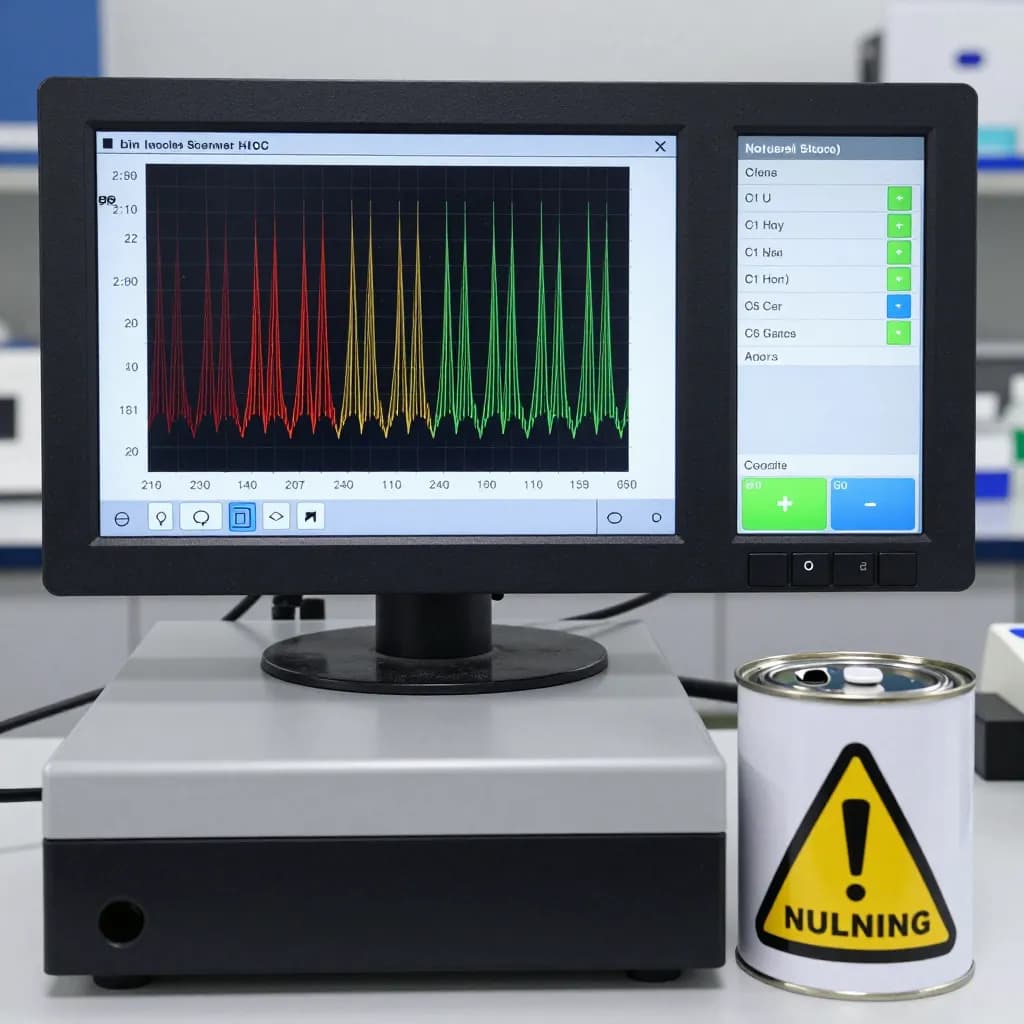
Ruzickova et al. (2025) conducted a 28-day emission chamber study of water-based polyurethane floor coatings:
Ready to Start Your Project?
From one-off customs to 15,000-part production runs — get precise pricing in 24 hours.
On This Page
Water-Based Polyurethane Coatings Emit 96 Toxicologically Relevant Compounds
The Chamber Study Design
- Chamber conditions: Controlled temperature, humidity, and air exchange
- Sampling: Multiple timepoints over 28 days
- Analysis: GC-MS identification and quantification of emitted compounds
- Toxicological assessment: Each identified compound evaluated for health relevance
The 96 Compounds
The study identified 96 compounds with documented toxicological significance. Key categories included:
Carcinogens and Probable Carcinogens
| Compound | Classification | Source in Coating |
|---|---|---|
| Benzene | IARC Group 1 (known human carcinogen) | Trace contaminant, solvent residue |
| Formaldehyde | IARC Group 1 (known human carcinogen) | Curing byproduct, biocide |
| Naphthalene | IARC Group 2B (possible human carcinogen) | Aromatic hydrocarbon component |
| Polycyclic aromatic hydrocarbons (PAHs) | Mixed classifications | Aromatic hydrocarbon fractions |
Respiratory Sensitizers
| Compound | Effect | Source |
|---|---|---|
| Isocyanates | Occupational asthma | Polyurethane crosslinker |
| Formaldehyde | Respiratory irritation, sensitization | Curing byproduct |
| Acrylates | Respiratory and skin sensitization | Acrylic polymer component |
Endocrine Disruptors
| Compound | Effect | Source |
|---|---|---|
| Phthalates (DEHP, DBP) | Anti-androgenic, reproductive toxicity | Plasticizer in polymer |
| Bisphenol A derivatives | Estrogenic activity | Epoxy or polyurethane component |
| Alkylphenols | Estrogenic activity | Surfactant, dispersant |
Neurotoxic Compounds
| Compound | Effect | Source |
|---|---|---|
| Toluene | CNS depression, solvent syndrome | Solvent residue |
| Xylene | Neurotoxicity, developmental effects | Solvent residue |
| Styrene | CNS effects, color vision loss | Trace monomer |
Other Toxic Compounds
- Glycol ethers (reproductive toxicity)
- Aldehydes (irritation, sensitization)
- Terpenes (respiratory irritation)
- Halogenated compounds (various toxicities)
Emission Dynamics
Temporal Pattern
| Time Period | Characteristics |
|---|---|
| Days 0-3 | Highest emission rates; solvent-dominated profile |
| Days 3-14 | Declining emissions; coalescing aids and additives prominent |
| Days 14-28 | Low but persistent emissions; formaldehyde and isocyanates measurable |
Key Finding: Persistence at Days 14-21
The study's most concerning finding was that multiple toxicologically relevant compounds persisted at days 14-21 post-application, including:
- Isocyanates (respiratory sensitizers)
- Benzene (carcinogen)
- PAHs (carcinogens)
- Phthalates (endocrine disruptors)
- Formaldehyde (carcinogen, sensitizer)
These compounds were still being emitted two to three weeks after application - long after most buildings would have been re-occupied.
The Water-Based Paradox
The study exemplifies the water-based coating paradox:
- Lower VOC mass: Water-based coatings meet regulatory VOC limits
- But multiple toxic compounds: 96 individual chemicals with health relevance
- Persistent emissions: Hazardous compounds present weeks after application
- Hidden hazards: "Low-VOC" labels do not indicate low toxicity
Regulatory Gap
Current VOC regulations focus on:
- Total mass: Grams of VOC per liter of coating
- Photochemical reactivity: Contribution to ozone formation
These regulations do not address:
- Toxicity of individual compounds: Benzene counts the same as ethanol
- Persistence: Short-lived vs. long-lived emissions treated equally
- Mixture effects: Synergistic toxicity of multiple compounds
- Endocrine disruption: Not captured by conventional toxicity metrics
Implications for Indoor Air Quality
The 96-compound emission profile has practical implications:
For Occupants
- Multiple exposure pathways: Inhalation, dermal, ingestion
- Sensitive populations: Children, elderly, pregnant women, asthmatics at greater risk
- Chronic low-level exposure: Cumulative effects over years of occupancy
- Sick building syndrome: Multiple compounds may contribute to SBS symptoms
For Building Managers
- Extended ventilation: Required well beyond manufacturer's recommendations
- Air quality testing: Should verify absence of key compounds before occupancy
- Material selection: Individual compound profiles matter more than total VOCs
- Maintenance planning: Re-coating schedules affect long-term IAQ
The Specification Challenge
For government specifications, the Ruzickova study raises a critical question: How should "low-emission" be defined?
Current Practice
- Specify maximum VOC content (g/L)
- Require LEED or similar green building certification
- Accept manufacturer SDS claims
Evidence-Based Practice
- Require chamber emission testing (ISO 16000, ASTM D5116)
- Specify limits for individual hazardous compounds
- Mandate emission testing at 14+ days post-application
- Consider mixture toxicity, not just individual compounds
Powder Coating: Zero of the 96
Standard powder coatings contain none of the 96 toxicologically relevant compounds identified in the Ruzickova study:
- No benzene: No petroleum-derived solvents
- No isocyanates: Free isocyanate monomer absent (blocked isocyanate powders release during curing in controlled ovens, not in occupied spaces)
- No phthalates: No plasticizers needed
- No formaldehyde: No curing chemistry that generates formaldehyde
- No PAHs: No aromatic hydrocarbon solvents
- No toluene, xylene, styrene: No solvent carriers
The 96-compound emission profile of water-based polyurethane becomes a zero-compound profile with powder coating.
Conclusion
The Ruzickova chamber study provides the most comprehensive evidence to date that water-based polyurethane coatings - despite their "environmentally friendly" marketing - emit a complex mixture of 96 toxicologically relevant compounds that persist for weeks after application. The presence of carcinogens, respiratory sensitizers, endocrine disruptors, and neurotoxicants in these emissions challenges the assumption that water-based formulations are inherently safe.
For government agencies with stewardship over indoor environments, the study demands a more nuanced approach to coating specification. Total VOC content is an inadequate proxy for health risk. Individual compound profiles, persistence characteristics, and mixture effects must inform specification decisions. And for applications where powder coating is suitable, the elimination of all 96 toxicologically relevant compounds provides the most definitive health protection.
References
Ready to Start Your Project?
From one-off customs to 15,000-part production runs — get precise pricing in 24 hours.