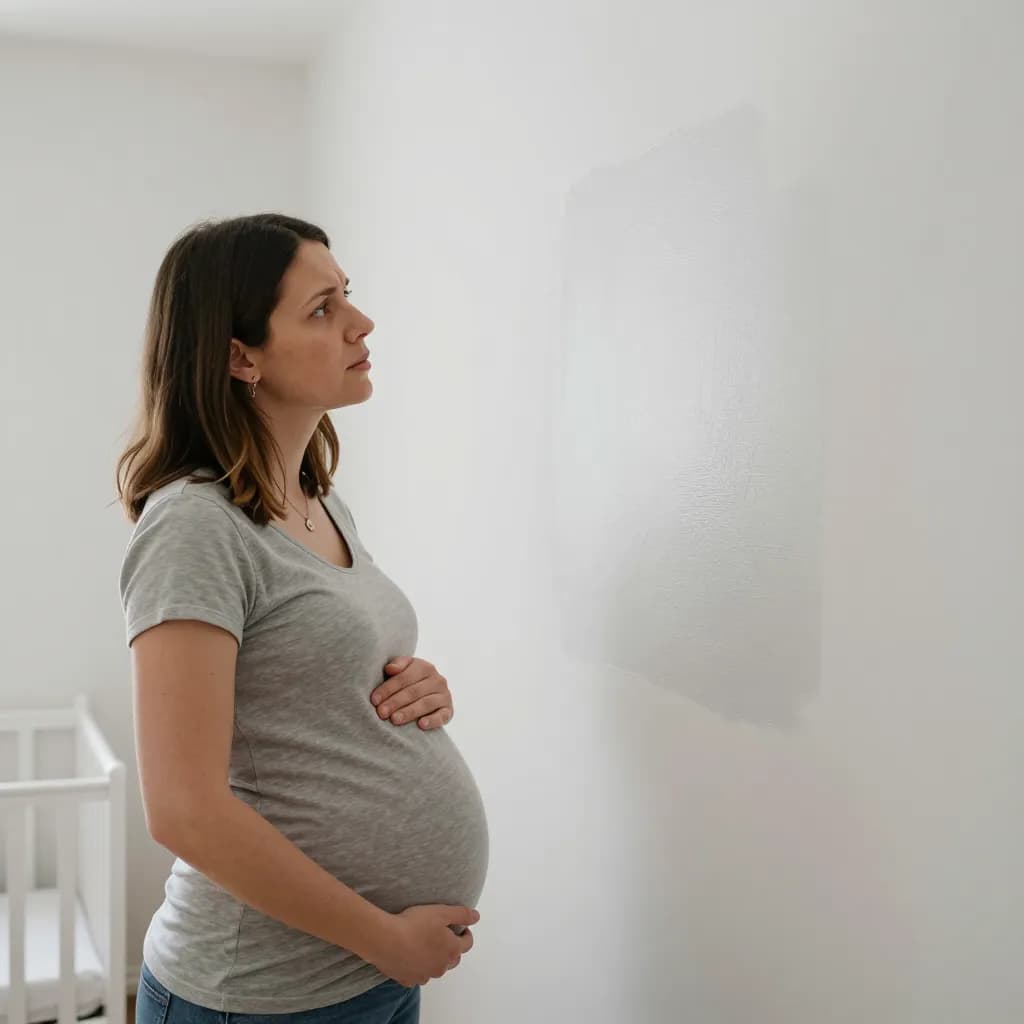
Childhood leukemia is the most common cancer in children, and its causes remain incompletely understood. A growing body of evidence suggests that maternal and early childhood exposure to paint and solvents may contribute to this risk. A meta-analysis of epidemiological studies found that maternal occupational paint exposure during pregnancy was associated with increased childhood leukemia risk, with even stronger associations observed for postnatal household paint use. For pregnant women working in painting or living in newly painted environments, this evidence supports precautionary measures to minimize exposure during the critical windows of fetal and early childhood development.
paint-and-liquid-coatings-risks
Prenatal Paint Exposure Linked to Childhood Leukemia: Meta-Analysis Evidence
Sundial Research Team·February 19, 2025·5 min
| Type | Proportion | Peak Age |
|---|---|---|
| Acute lymphoblastic leukemia (ALL) | 75-80% | 2-5 years |
| Acute myeloid leukemia (AML) | 15-20% | Infancy, adolescence |
| Chronic leukemias | Rare | Varies |
Ready to Start Your Project?
From one-off customs to 15,000-part production runs — get precise pricing in 24 hours.
On This Page
Prenatal Paint Exposure Linked to Childhood Leukemia: Meta-Analysis Evidence
Childhood Leukemia Overview
Incidence and Types
Known Risk Factors
| Factor | Evidence Strength | Mechanism |
|---|---|---|
| Genetic syndromes | Strong | Inherited susceptibility |
| Ionizing radiation | Strong | DNA damage |
| Chemotherapy agents | Strong | Mutagenic |
| Down syndrome | Strong | Trisomy 21 |
| Environmental exposures | Moderate | Multiple mechanisms |
| Paint/solvent exposure | Moderate | Benzene, other leukemogens |
The Meta-Analysis Evidence
Study Design
Multiple meta-analyses have examined the association between paint exposure and childhood leukemia:
| Meta-Analysis | Exposure | Finding |
|---|---|---|
| Bailey et al. (2011) | Maternal occupational paint | Increased ALL risk |
| Heck et al. (2013) | Household paint use | Increased ALL risk |
| Metayer et al. (2013) | Multiple exposures | Paint solvents implicated |
| Milne et al. (2012) | Parental occupation | Painters' children at risk |
Key Findings
The meta-analyses consistently found:
Maternal paint exposure during pregnancy was associated with increased childhood leukemia risk
Specific findings include:
| Exposure Scenario | Association | Notes |
|---|---|---|
| Maternal occupational painting | Moderate increase | Workplace exposure during pregnancy |
| Paternal occupational painting | Moderate increase | Take-home exposure, preconception |
| Household paint use (postnatal) | Stronger association | Direct child exposure after birth |
| Painted home during pregnancy | Increased risk | Indoor air exposure |
| Nail polish/solvents | Some association | Similar chemical exposures |
The Window of Susceptibility
The evidence suggests that both prenatal and early postnatal exposure contribute to leukemia risk:
- In utero: Fetal hematopoietic cells are highly proliferative and susceptible to carcinogenic damage
- Infancy: Continued rapid cell division; immune system development
- Early childhood: Peak incidence of ALL (ages 2-5) suggests early-life events
Biological Plausibility
Benzene as the Primary Suspect
Benzene is the most likely causal agent in paint-related childhood leukemia:
- Known human leukemogen: IARC Group 1; established AML/ALL risk
- Present in paint: Trace contaminant in toluene, xylene, paint thinners
- Transplacental transfer: Benzene crosses the placenta; fetal exposure documented
- Childhood susceptibility: Children metabolize benzene differently than adults
Other Contributing Agents
| Chemical | Leukemia Association | Paint Source |
|---|---|---|
| Formaldehyde | Limited evidence | Curing byproduct |
| Styrene | Some evidence | Resin component |
| Mixed solvents | General association | Multiple sources |
| Pesticides | Some evidence | Contaminant, treatment |
Mechanisms
Several mechanisms may link solvent exposure to childhood leukemia:
- Direct DNA damage: Benzene metabolites damage hematopoietic cell DNA
- Chromosomal translocations: In utero formation of leukemogenic translocations
- Epigenetic changes: Altered gene expression in hematopoietic stem cells
- Immune dysfunction: Altered immune surveillance against malignant clones
- Oxidative stress: Solvent metabolism generates reactive oxygen species
The Painter's Family
Occupational Take-Home Exposure
Painter parents bring chemicals home:
- Clothing contamination: Solvents and pigments on work clothes
- Skin contact: Residual chemicals on hands, arms
- Respiratory carryover: Exhaled solvent vapors
A study of painter families found elevated solvent levels in household air compared to non-painter households.
Household Exposure
Beyond occupational take-home:
- Home renovation: Painting during pregnancy or early childhood
- New furniture: Off-gassing from finishes
- Indoor air: Persistent VOCs from prior painting
Prevention Recommendations
For Pregnant Painters
- Minimize exposure: Reduce hours, improve ventilation, use PPE
- Avoid spray application: Higher exposure than brush/roller
- Avoid benzene-containing products: Check SDS for benzene content
- Change clothes before going home: Prevent take-home exposure
- Consider temporary reassignment: If available and feasible
For Households
- Avoid painting during pregnancy: Especially first trimester
- Extend vacancy after painting: Before bringing newborn home
- Maximize ventilation: During and after painting
- Choose low-emission products: Zero-VOC when possible
- Consider powder-coated products: No VOC emissions for metal items
Policy Implications
Regulatory Gap
Current regulations do not adequately address prenatal paint exposure:
- OSHA PELs: Based on adult worker protection; no prenatal adjustments
- Consumer product regulation: Limited oversight of paint emissions
- Indoor air quality: No federal standards for residential VOCs
- Right-to-know: Labels do not address developmental effects
The Precautionary Principle
The evidence supports precautionary action:
- Childhood leukemia is devastating and often fatal
- Paint exposure is modifiable
- Safer alternatives exist
- The cost of precaution is low relative to potential benefit
Conclusion
The association between prenatal and early childhood paint exposure and childhood leukemia risk is supported by multiple meta-analyses, biological plausibility, and consistent findings across study designs. While the absolute risk increase is modest, the severity of childhood leukemia and the preventability of exposure support precautionary measures.
For pregnant women working in painting, for families planning home renovations, and for government agencies managing housing and facilities that serve families, the evidence suggests minimizing paint solvent exposure during pregnancy and early childhood. Powder coating, with its zero-solvent formulation, eliminates benzene and other potential leukemogens from the coating process - protecting not only the workers who apply coatings but the children who may be exposed to residual emissions in their homes, schools, and environments.
The painter who goes home to a pregnant partner or young children carries more than the day's work on his clothes. He carries chemicals that may affect the next generation. Eliminating those chemicals at the source - through coating specification choices - is the most reliable way to protect the children who depend on the adults who build and maintain their world.
Ready to Start Your Project?
From one-off customs to 15,000-part production runs — get precise pricing in 24 hours.