In January 2019, the Environmental Protection Agency took a rare and dramatic step: it banned the sale of methylene chloride in paint and coating removers to consumers. The ban followed decades of documented deaths - at least 64 fatalities linked to methylene chloride exposure in paint stripping products - and years of advocacy by families of victims, public health organizations, and regulatory scientists. The methylene chloride ban demonstrates that when a chemical poses an intolerable risk, regulatory elimination is both possible and necessary. For coating specification, the ban provides a precedent for removing hazardous chemicals from the coating process entirely.
regulatory
EPA Methylene Chloride Ban: The End of a Deadly Paint Stripper
Sundial Research Team·February 19, 2025·5 min
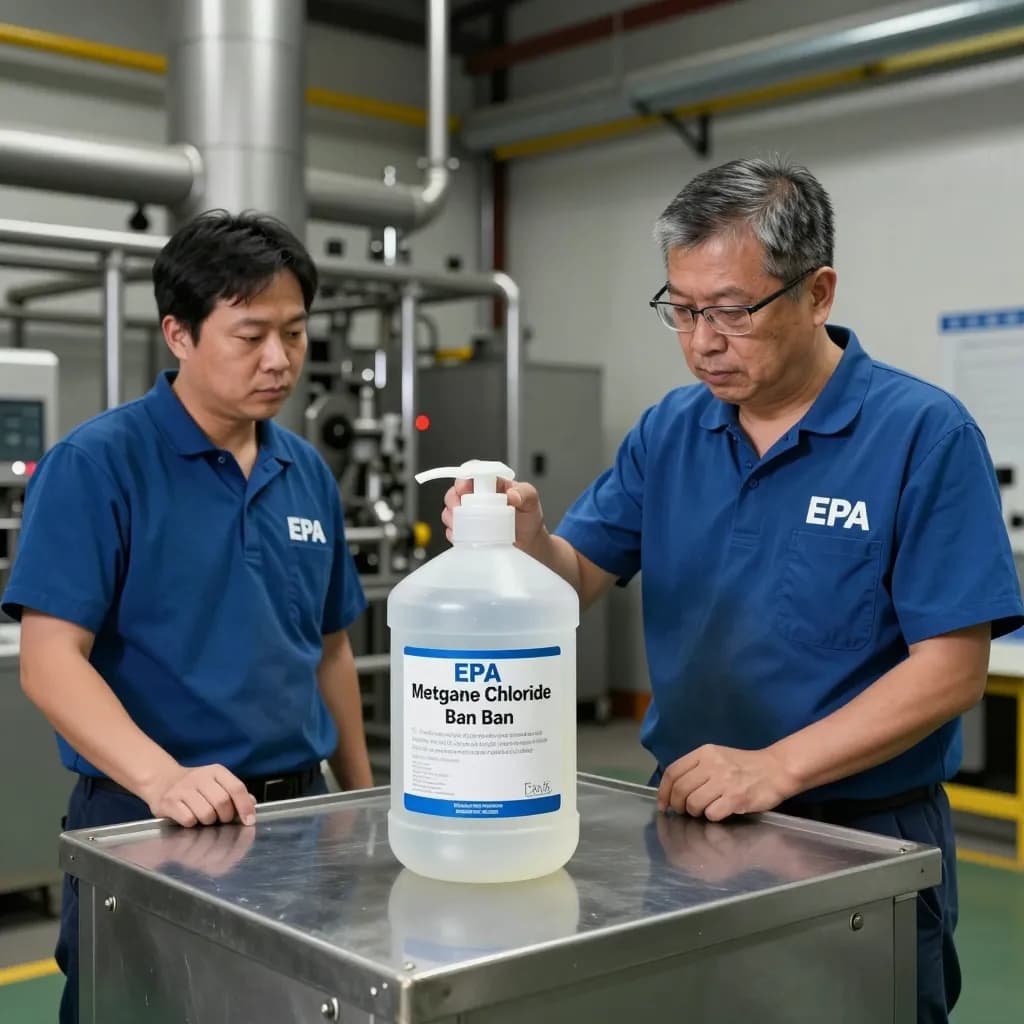
Methylene chloride (dichloromethane) is a volatile organic solvent used for:
Ready to Start Your Project?
From one-off customs to 15,000-part production runs — get precise pricing in 24 hours.
On This Page
EPA Methylene Chloride Ban: The End of a Deadly Paint Stripper
What Is Methylene Chloride?
Chemistry and Uses
- Paint and coating stripping: Dissolves paint, varnish, and finishes
- Degreasing: Removes oils and greases from metal parts
- Adhesive removal: Dissolves glue and cement residues
- Pharmaceutical manufacturing: Process solvent
- Aerosol propellants: Spray can formulations
Properties That Make It Dangerous
| Property | Value | Hazard Implication |
|---|---|---|
| Vapor pressure | 350 mmHg at 20C | Extremely volatile; high air concentrations |
| Odor threshold | ~200 ppm | Warning odor below dangerous levels |
| Density | 1.33 (heavier than air) | Accumulates in low-lying areas |
| OSHA PEL | 25 ppm (8-hour TWA) | Very low permissible limit |
| OSHA STEL | 125 ppm (15-minute) | Brief exposures regulated |
The Death Toll
Documented Fatalities
| Time Period | Reported Deaths | Primary Circumstance |
|---|---|---|
| 1980-2017 | At least 64 | Bathtub refinishing, furniture stripping |
| Bathtub refinishing | 13+ | Confined bathroom spaces |
| Consumer use | Multiple | Home renovation, furniture restoration |
| Occupational | Multiple | Industrial stripping operations |
How Methylene Chloride Kills
Methylene chloride causes death through two mechanisms:
- Acute CNS depression: High concentrations cause rapid unconsciousness, respiratory failure, and death
- Carbon monoxide poisoning: Methylene chloride is metabolized to carbon monoxide in the body, producing carboxyhemoglobin levels that can be fatal
The Bathtub Refinishing Tragedy
A particularly devastating pattern emerged in bathtub refinishing:
- Workers applied methylene chloride-based strippers in small bathrooms
- Volatile solvent rapidly reached lethal concentrations
- Confined space with poor ventilation
- Workers found dead or unconscious
- At least 13 documented deaths in this specific application
These deaths were entirely preventable. The combination of a highly volatile solvent, a confined space, and inadequate ventilation created a lethal environment.
The Regulatory Response
EPA Action
The EPA's methylene chloride rule (40 CFR 751.107):
| Provision | Effective Date | Scope |
|---|---|---|
| Consumer ban | November 2019 | All consumer sales prohibited |
| Workplace training | Required | Training for commercial users |
| Labeling | Required | Hazard warnings |
| Commercial restrictions | Phased | Restrictions on commercial use |
OSHA Action
OSHA has long regulated methylene chloride (29 CFR 1910.1052):
| Requirement | Standard |
|---|---|
| PEL | 25 ppm (8-hour TWA) |
| STEL | 125 ppm (15-minute) |
| Medical surveillance | Required for exposed workers |
| Exposure monitoring | Initial and periodic |
| Regulated areas | Required above PEL |
The Ban's Significance
Regulatory Precedent
The methylene chloride ban established important precedents:
- Product elimination is possible: EPA can ban consumer products that pose unacceptable risks
- Science drives action: Clear evidence of fatalities overcame industry opposition
- Advocacy matters: Families of victims and public health groups drove regulatory action
- Safer alternatives exist: The ban assumed substitutes were available
The Safer Alternatives
| Alternative | Application | Effectiveness | Limitations |
|---|---|---|---|
| N-Methyl-2-pyrrolidone (NMP) | Paint stripping | Effective | Reproductive toxicity concerns |
| Benzyl alcohol | Paint stripping | Moderate | Slower action |
| Soy-based strippers | Paint stripping | Mild | Limited effectiveness on tough coatings |
| Citrus-based (d-limonene) | Light stripping | Mild | Limited applications |
| Caustic (lye) | Some coatings | Effective | Damages some substrates |
| Mechanical removal | All coatings | Variable | Labor-intensive, may damage substrate |
| Thermal removal | Some coatings | Effective | Fire hazard, may damage substrate |
Lessons for Coating Specification
1. Regulatory Elimination Works
The methylene chloride ban demonstrates that removing hazardous chemicals from commerce is an effective prevention strategy. Where elimination is not feasible, substitution with less hazardous alternatives provides intermediate protection.
2. Confined Spaces Amplify Risk
The bathtub refinishing deaths illustrate how confined spaces dramatically increase chemical hazard. Coating work in enclosed areas - whether bathrooms, bridge interiors, or tanks - requires particular vigilance.
3. Volatile Solvents Are Especially Dangerous
Methylene chloride's high vapor pressure meant that lethal concentrations developed rapidly. Other volatile coating solvents (toluene, xylene, n-hexane) share this property, though their acute lethality is lower.
4. Warning Odors Are Unreliable
Methylene chloride's odor threshold is below its dangerous concentration - but workers may become accustomed to the smell or misjudge the hazard. Relying on odor to detect dangerous concentrations is inadequate protection.
The Connection to Powder Coating
Powder coating eliminates the need for methylene chloride and similar stripping chemicals:
| Factor | Liquid Coating System | Powder Coating System |
|---|---|---|
| Stripping frequency | Higher (shorter service life) | Lower (longer service life) |
| Stripping chemicals | Often required | Rarely required |
| Surface preparation | Chemical or abrasive stripping | Mechanical preparation usually sufficient |
| Confined space exposure | Frequent (in-situ stripping) | Rare (shop application) |
For government specifications, choosing powder coating reduces the need for chemical paint strippers - eliminating the exposure to methylene chloride, NMP, caustic strippers, and other hazardous removal chemicals.
The Broader Implication
The methylene chloride ban raises a question: if EPA can ban a paint stripper that kills dozens, why tolerate coating solvents that cause thousands of cancer deaths, hundreds of neurological disabilities, and countless cases of reproductive harm?
The answer lies in the nature of the outcomes:
| Outcome | Methylene Chloride | Coating Solvents | Regulatory Response |
|---|---|---|---|
| Acute fatalities | Immediate, dramatic | Rare | Strong (ban) |
| Cancer deaths | Delayed 20-40 years | Delayed 20-40 years | Weak (PELs) |
| Neurological disease | Rare | Common | Weak (guidelines) |
| Reproductive harm | Limited evidence | Strong evidence | Weak (warnings) |
Regulatory systems respond more vigorously to immediate, visible tragedies than to delayed, statistical harm. But the delayed harm is no less real - and affects far more workers.
Conclusion
The EPA's methylene chloride ban is a public health success story. It demonstrates that when the evidence of harm is clear and the outrage is sufficient, regulatory agencies can remove lethal chemicals from commerce. The dozens of workers who died from methylene chloride exposure - many in the simple act of refinishing a bathtub - did not die in vain. Their deaths produced a regulatory precedent that protects future workers.
For government specification writers, the methylene chloride ban is both an inspiration and a challenge. If a single stripping chemical can be banned for causing dozens of deaths, what should be done about coating solvents that cause thousands of cancer deaths, hundreds of cases of permanent brain damage, and immeasurable reproductive harm? The regulatory framework exists. The scientific evidence is stronger. The safer alternatives are available. What is needed is the will to act.
Powder coating is not merely a preferable alternative to liquid paint. It is the elimination strategy that the methylene chloride ban proves is both possible and necessary.
Ready to Start Your Project?
From one-off customs to 15,000-part production runs — get precise pricing in 24 hours.