Isocyanates - the reactive chemicals that crosslink polyurethane coatings - represent one of the most potent and problematic occupational respiratory sensitizers. They are the leading chemical cause of occupational asthma, responsible for up to 5.7% of all adult-onset asthma cases. Once sensitization occurs, it is usually irreversible: even minute subsequent exposures trigger severe bronchospasm. For workers applying polyurethane coatings, understanding isocyanate asthma is essential - and avoiding it through specification choices is the only certain protection.
paint-and-liquid-coatings-risks
Isocyanate Asthma: The Most Common Chemical Cause of Occupational Asthma
Sundial Research Team·February 15, 2025·6 min
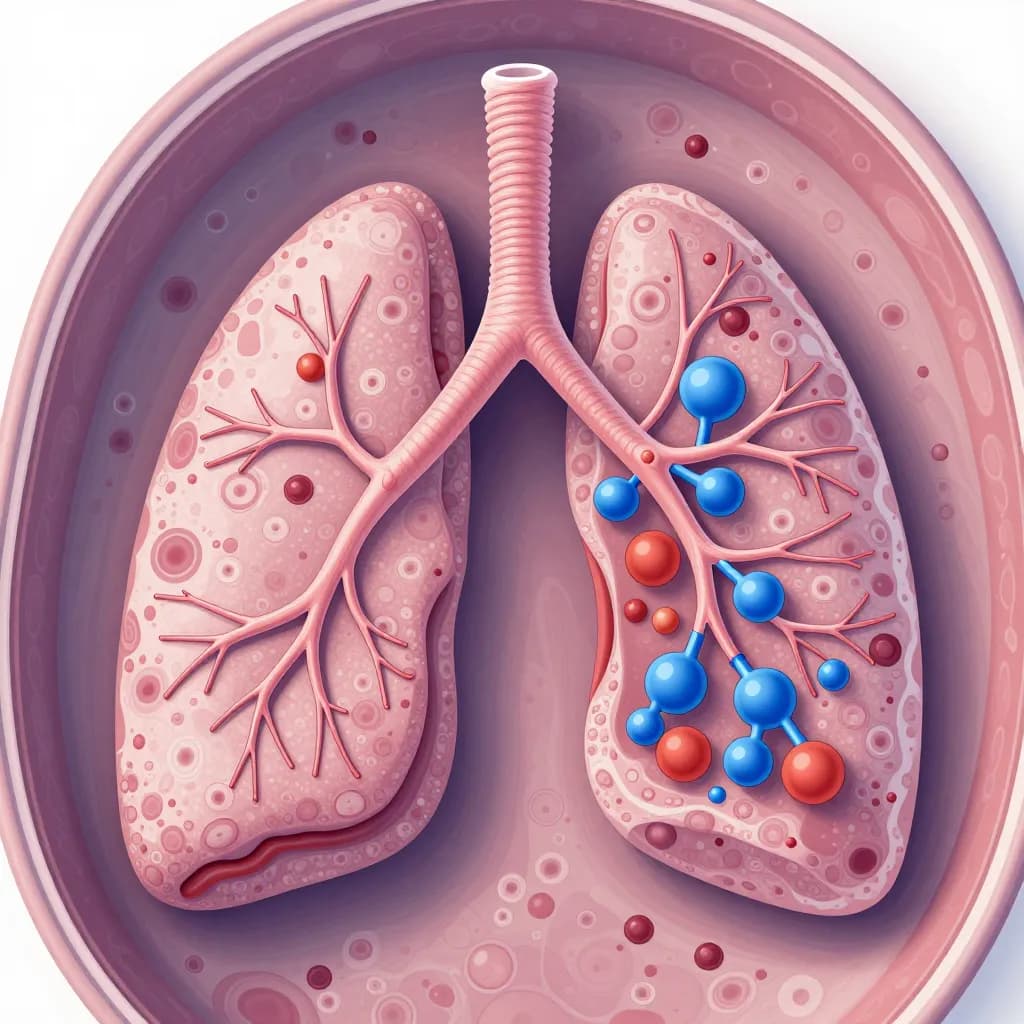
Isocyanates account for:
- The most common chemical cause of occupational asthma globally
- Up to 5.7% of all adult-onset asthma cases
- Thousands of new cases annually in the US alone
- Highest asthma rate among spray painters compared to all construction trades
Ready to Start Your Project?
From one-off customs to 15,000-part production runs — get precise pricing in 24 hours.
On This Page
Isocyanate Asthma: The Most Common Chemical Cause of Occupational Asthma
The Scope of the Problem
Occupational Asthma Burden
Sensitization Risk
- Sensitization can occur at very low concentrations - often below current exposure limits
- No safe threshold has been established for isocyanate sensitization
- Some individuals become sensitized after brief, low-level exposures
- Others work with isocyanates for years without sensitizing - individual susceptibility varies widely
The Sensitization Mechanism
Isocyanate asthma is an immunologically mediated hypersensitivity reaction, distinct from irritant-induced asthma:
Step 1: Exposure and Protein Binding
- Isocyanate vapor or aerosol enters the respiratory tract
- Isocyanate groups react with proteins in airway epithelium
- Modified proteins become immunogenic (antigenic)
Step 2: Immune Recognition
- Antigen-presenting cells process modified proteins
- T-cell activation occurs in regional lymph nodes
- Specific IgE antibodies may be produced (though not always)
Step 3: Sensitization
- Memory T-cells and antibodies specific to isocyanate-modified proteins circulate
- The immune system is now primed for rapid response
- This phase may be asymptomatic
Step 4: Re-exposure Reaction
- Subsequent isocyanate exposure triggers immediate immune response
- Mast cell degranulation releases histamine, leukotrienes, prostaglandins
- Bronchial smooth muscle contraction (bronchospasm)
- Mucus secretion increases
- Airway inflammation and edema
- Severe, potentially fatal asthma attack
Clinical Presentation
Early Symptoms (Work-Related)
- Coughing, wheezing, chest tightness during or after work
- Shortness of breath on exertion
- Nasal congestion, runny nose, sneezing (rhinitis often precedes asthma)
- Symptoms improve on weekends or vacations
Established Disease
- Persistent asthma symptoms
- Airway hyperresponsiveness
- Measurable decline in lung function (FEV1)
- May require daily controller medications
Severe Reactions
- Status asthmaticus (unresponsive to initial treatment)
- Respiratory failure
- Death (rare but documented)
The Irreversibility Problem
Once isocyanate sensitization occurs, it is usually permanent:
- No desensitization protocol exists for isocyanate asthma
- Continued exposure worsens disease
- Even minimal exposures trigger reactions - cross-contamination from tools, clothing, or surfaces can be sufficient
- Career change often required - many sensitized workers must leave the coating trade entirely
This irreversibility makes prevention absolutely critical. Unlike some occupational diseases where early detection and removal can permit recovery, isocyanate asthma typically commits the worker to a lifetime of respiratory disease.
Exposure Sources in Coating Work
Isocyanates are present in:
- Polyurethane paints and coatings: The most common exposure source
- Two-component spray foam: Insulation applications
- Adhesives and sealants: Construction and manufacturing
- Clearcoats and varnishes: Automotive and furniture finishing
- Curing agents and hardeners: Often contain free isocyanate monomer
Exposure Pathways
- Inhalation: Vapor and aerosol during spray application
- Dermal: Skin contact with liquid or partially cured material
- Ingestion: Hand-to-mouth transfer
Current Exposure Limits
| Agency | Isocyanate Type | Limit | Comments |
|---|---|---|---|
| OSHA PEL | TDI | 0.02 ppm (ceiling) | Ceiling limit |
| OSHA PEL | MDI | 0.02 ppm (ceiling) | Ceiling limit |
| NIOSH REL | All isocyanates | 0.005 ppm (ceiling) | More protective |
| ACGIH TLV | All isocyanates | 0.005 ppm | As NCO |
The gap between OSHA and NIOSH limits reflects ongoing debate about adequate protection. Critically, no exposure limit guarantees prevention of sensitization - some individuals sensitize at concentrations below all current standards.
Prevention Strategies
Engineering Controls
- Local exhaust ventilation at point of application
- Enclosed spray booths with negative pressure
- Automated application where feasible
Administrative Controls
- Scheduling isocyanate work when other workers are absent
- Prohibiting food and drink in work areas
- Separate storage and handling areas
Personal Protective Equipment
- Supplied-air respirators (not cartridge respirators - inadequate for isocyanates)
- Full protective clothing
- Hand and eye protection
Medical Surveillance
- Pre-placement pulmonary function testing
- Periodic spirometry
- Symptom questionnaires
- Early detection and removal from exposure
Limitations of Control Measures
Despite comprehensive control programs, isocyanate asthma continues to occur:
- Ventilation inadequacy: Real-world ventilation often fails to maintain control
- PPE non-compliance: Respirators uncomfortable; workers remove them
- Cross-contamination: Isocyanates persist on surfaces, tools, clothing
- Unexpected exposures: Maintenance, spills, off-gassing from cured products
- Individual susceptibility: Some sensitize despite controls
Powder Coating: Isocyanate-Free Alternative
Powder coatings achieve the performance benefits of polyurethane systems without using isocyanates. The crosslinking chemistry of thermosetting powder coatings relies on alternative reaction mechanisms:
- Epoxy-polyester hybrids: Carboxyl-epoxy crosslinking
- Pure polyesters: Triglycidyl isocyanurate (TGIC) or hydroxyalkylamide (HAA) curing
- Polyurethane powders: Blocked isocyanate chemistry (isocyanate groups are blocked and only released during curing; no free isocyanate exposure)
For government specifications, choosing powder coating over liquid polyurethane removes the leading cause of occupational asthma from the workplace. Given the irreversibility of isocyanate sensitization, this elimination strategy is the only approach that guarantees protection.
Conclusion
Isocyanate asthma exemplifies the worst characteristics of an occupational disease: common, severe, irreversible, and potentially fatal. The fact that it is also entirely preventable through coating specification makes its continued occurrence a policy failure as much as a medical problem.
For government agencies, specifying powder coating is not merely a preference for lower-emission technology. It is a decision to protect workers from the most common chemical cause of occupational asthma - a disease that ends careers, disables workers, and in rare cases, kills. The choice between liquid polyurethane and powder coating is, in part, a choice between accepting and eliminating this risk.
Ready to Start Your Project?
From one-off customs to 15,000-part production runs — get precise pricing in 24 hours.