For expectant mothers, the excitement of moving into a newly renovated home may carry an unrecognized risk. A multi-hospital case-control study in China found that maternal exposure to indoor housing renovations was significantly associated with increased risk of congenital heart disease (CHD) in offspring - with the highest risk occurring when mothers moved into newly decorated houses during the critical first trimester of pregnancy.
paint-and-liquid-coatings-risks
Indoor Renovation During Pregnancy Linked to 4x Increased Congenital Heart Disease Risk
Sundial Research Team·February 14, 2025·5 min
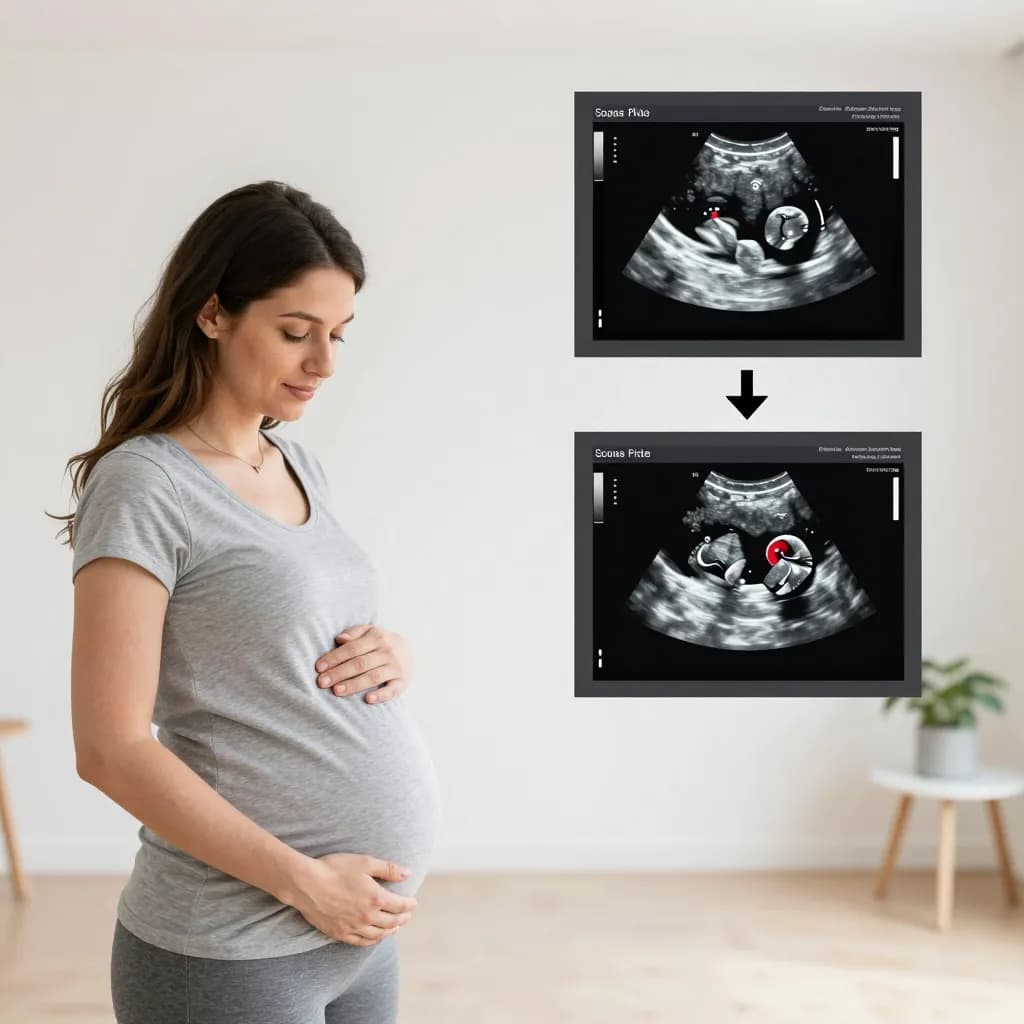
Liu et al. (2013) conducted a multi-hospital case-control study in China:
Ready to Start Your Project?
From one-off customs to 15,000-part production runs — get precise pricing in 24 hours.
On This Page
Indoor Renovation During Pregnancy Linked to 4x Increased Congenital Heart Disease Risk
The Study Design
- 346 CHD cases: Infants diagnosed with congenital heart disease
- 408 controls: Infants without CHD from the same hospitals
- Exposure assessment: Maternal recall of housing renovation exposure during pregnancy
- Timing analysis: Stratified by trimester of exposure
Key Findings
Overall Renovation Exposure
Adjusted OR: 1.89 (95% CI: 1.29-2.77)
Mothers exposed to housing renovations during pregnancy had an 89% increased risk of having a child with congenital heart disease.
First Trimester Exposure
Moving into newly decorated house during first trimester: OR 4.00 (95% CI: 1.62-9.86)
The risk was four times higher when mothers moved into newly decorated homes during the first trimester - the most critical period for cardiac development.
Timing Matters
| Exposure Timing | Adjusted OR | 95% CI |
|---|---|---|
| Any renovation exposure | 1.89 | 1.29-2.77 |
| First trimester move-in | 4.00 | 1.62-9.86 |
| Cardiac defects only | 2.65 | 1.29-5.43 |
| Cardiac + extra-cardiac | 1.76 | 1.12-2.77 |
What's in Renovation Materials?
The study authors noted that housing renovation materials contain multiple chemicals of concern:
- Paints and dyes: Benzene, toluene, xylene, styrene
- Glues and adhesives: Formaldehyde, isocyanates, solvents
- Varnishes and lacquers: VOCs, heavy metals
- New furniture: Formaldehyde from pressed wood products
- Flooring materials: Plasticizers, adhesives
The specific causal agent cannot be determined from this epidemiological study, but the mixture of VOCs, solvents, and formaldehyde from renovation materials provides multiple biologically plausible pathways for teratogenic effects.
The First Trimester Vulnerability
The four-fold increased risk during first trimester exposure reflects the critical window of cardiac development:
- Weeks 3-8: Heart tube formation and looping
- Weeks 5-9: Septation (division into chambers)
- Weeks 9-12: Valve formation and cardiac remodeling
During this period, the fetal heart is particularly vulnerable to:
- Hypoxia: VOCs may reduce maternal oxygen-carrying capacity
- Direct teratogenicity: Some solvents cross the placenta and damage developing cardiac tissue
- Epigenetic disruption: Chemical exposure may alter gene expression in cardiac progenitor cells
- Oxidative stress: VOC metabolism generates reactive oxygen species
Methodological Considerations
The study has important limitations:
- Recall bias: Mothers of children with birth defects may recall exposures differently
- Exposure assessment: Based on self-report rather than objective measurement
- Multiple exposures: Renovation involves many chemicals; attribution to specific agents is impossible
- Generalizability: Chinese population may differ from Western populations in genetics and exposure patterns
Despite these limitations, the magnitude of the effect (4x increased risk), the biological plausibility, and the dose-response by timing support a genuine association.
The PELAGIE Cohort Confirmation
The French PELAGIE mother-child cohort independently supports the link between prenatal solvent exposure and adverse developmental outcomes:
- Occupational solvent exposure during pregnancy associated with increased externalizing behavior scores at age 2
- Persistent effects through age 12, particularly among girls
- Total effect at age 12: 0.40 (95% CI: 0.03, 0.76) for regular exposure
While PELAGIE examined behavioral outcomes rather than CHD, both studies converge on the conclusion that prenatal solvent exposure from occupational and environmental sources affects child development.
Implications for Government Facilities
For government agencies managing facilities that serve pregnant women:
- Avoid renovation during pregnancy: Do not schedule painting or renovation in spaces occupied by pregnant staff
- Extended ventilation: If renovation is unavoidable, extend ventilation periods well beyond manufacturer recommendations
- Air quality testing: Verify VOC and formaldehyde levels before occupancy
- Alternative specifications: Use zero-emission coatings to eliminate the risk source
Powder Coating: Zero Emission, Zero Risk
Powder coatings contain no solvents, no formaldehyde, and no VOCs. The 100% solids formulation eliminates the emission sources that contribute to indoor air contamination during and after renovation.
For healthcare facilities where pregnant patients receive care, schools where pregnant teachers work, and government offices employing women of childbearing potential, powder coating is the specification choice that removes CHD risk from the renovation equation.
The four-fold increased risk documented in this study is not an abstract statistic. It represents children born with heart defects that require surgery, lifelong medical care, and may limit their futures. For a risk that is entirely preventable through coating specification, accepting that outcome is not merely unfortunate - it is unacceptable.
Ready to Start Your Project?
From one-off customs to 15,000-part production runs — get precise pricing in 24 hours.