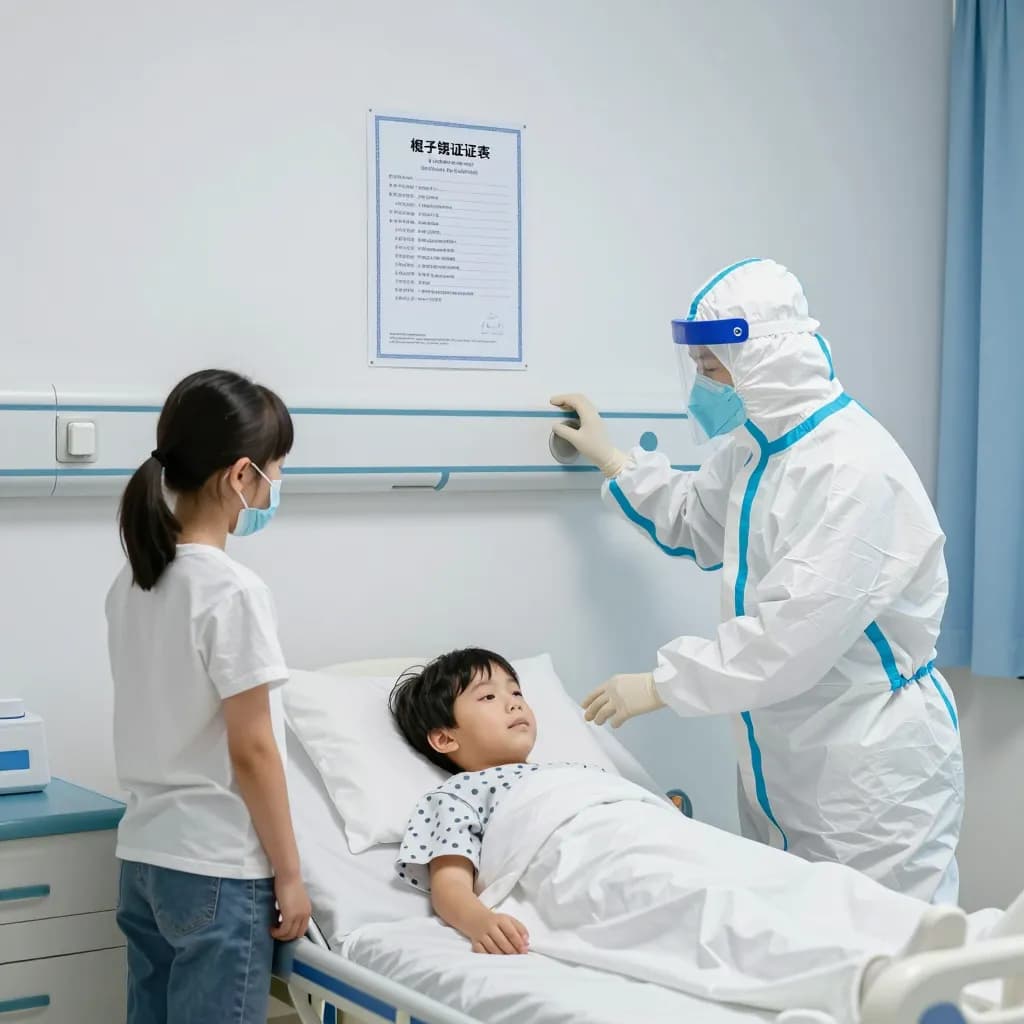
Healthcare facilities present the most demanding indoor air quality challenge of any building type. The occupants - patients with compromised immune systems, premature infants in neonatal units, elderly patients with reduced physiological reserve, and surgical patients with open wounds - cannot tolerate the chemical exposures that healthy adults might endure without apparent effect. When healthcare facilities renovate, specifying zero-emission coatings is not merely a preference for green building. It is a patient safety imperative that protects the most vulnerable populations from the carcinogens, respiratory sensitizers, and neurotoxicants emitted by conventional coating systems.
paint-and-liquid-coatings-risks
Healthcare Facility Coatings: Protecting Immunocompromised Patients from VOCs
Sundial Research Team·February 18, 2025·5 min
| Patient Population | Immunocompromise Mechanism | VOC Vulnerability |
|---|---|---|
| Cancer patients (chemotherapy) | Neutropenia, mucositis | Respiratory infection, irritation |
| Transplant recipients | Immunosuppressive drugs | Infection, delayed healing |
| HIV/AIDS patients | Cellular immunodeficiency | Opportunistic infections |
| Burn patients | Skin barrier loss, immune suppression | Infection, toxicity |
| ICU patients | Multiple organ dysfunction | Additive physiological stress |
Ready to Start Your Project?
From one-off customs to 15,000-part production runs — get precise pricing in 24 hours.
On This Page
Healthcare Facility Coatings: Protecting Immunocompromised Patients from VOCs
The Healthcare Vulnerability Spectrum
Immunocompromised Patients
Other Vulnerable Populations
| Population | Vulnerability | Specific Concerns |
|---|---|---|
| Neonates | Immature metabolism, developing organs | Neurotoxicity, developmental effects |
| Elderly patients | Reduced organ function, comorbidities | Respiratory effects, drug interactions |
| Pregnant patients | Fetal exposure | Teratogenicity, developmental toxicity |
| Patients with COPD/asthma | Airway hyperresponsiveness | Bronchospasm, exacerbation |
| Patients with liver/kidney disease | Impaired detoxification | Cumulative toxicity |
Healthcare Renovation Challenges
Continuous Occupancy
Unlike schools or offices, healthcare facilities cannot be vacated for extended periods:
- 24/7 operations: Patient care never stops
- Critical services: Emergency, ICU, surgery cannot relocate
- Inpatient beds: Limited alternative capacity
- Equipment: Fixed installations difficult to move
Proximity of Sensitive Areas
Renovation in one area affects adjacent spaces through:
- HVAC distribution: Building air systems spread contaminants
- Pressure differentials: Construction dust and vapors migrate
- Shared corridors: Staff and patient traffic routes
- Vertical shafts: Elevators, chases connect floors
Infection Control Requirements
Healthcare construction must comply with:
- ICRA (Infection Control Risk Assessment): Pre-construction planning
- Dust containment: Physical barriers, negative pressure
- Traffic control: Separating construction from clinical areas
- Air quality monitoring: Verification of containment effectiveness
Coating Hazards in Healthcare Settings
Isocyanate Asthma Risk
Isocyanate-containing polyurethane floor coatings - commonly used for their durability and chemical resistance - pose particular risks:
- Sensitization: Healthcare workers may become sensitized during renovation
- Cross-contamination: Isocyanates persist on surfaces, tools, clothing
- Patient exposure: Sensitized staff cannot work near isocyanate sources
- Irreversibility: Once sensitized, workers may need permanent reassignment
Formaldehyde Emissions
Formaldehyde from curing coatings and new materials affects healthcare environments:
- Respiratory irritation: Coughing, wheezing, chest tightness
- Mucosal irritation: Eye and throat irritation
- Sensitization: Can trigger asthma in susceptible individuals
- Carcinogenicity: IARC Group 1; no safe threshold
Solvent VOCs
Conventional paint solvents contribute to:
- Sick building symptoms: Headache, fatigue, nausea
- Neurological effects: Cognitive impairment in staff
- Odor complaints: Patient and staff dissatisfaction
- Regulatory violations: Exceeding indoor air quality standards
Guidelines and Standards
Facility Guidelines Institute (FGI)
The FGI Guidelines for Design and Construction of Hospitals recommend:
- Low-emitting materials
- Proper ventilation during construction
- Scheduling to minimize occupant exposure
- Verification of air quality before occupancy
Joint Commission
The Joint Commission standards address:
- Environment of care
- Infection prevention and control
- Life safety
- Construction-related risk management
ASHRAE Standard 170
Ventilation of Health Care Facilities requires:
- Specific ventilation rates for patient care areas
- Pressure relationships between spaces
- Filtration requirements
- Temperature and humidity control
LEED for Healthcare
LEED v4 for Healthcare addresses:
- Indoor environmental quality
- Low-emitting materials
- Construction indoor air quality management
- Enhanced indoor air quality strategies
Best Practices for Healthcare Coating Specification
1. Specify Zero-Emission Coatings
| Application | Zero-Emission Option |
|---|---|
| Metal surfaces | Powder coating |
| Walls/ceilings | Zero-VOC latex (verify no coalescing aids) |
| Flooring | Low-emitting epoxy (no isocyanates) or alternatives |
| Furniture | Powder-coated metal; low-emitting wood finishes |
2. Extend Construction Completion to Occupancy
| Standard Practice | Evidence-Based Practice |
|---|---|
| 1-2 weeks after painting | 4-6 weeks minimum |
| Based on odor dissipation | Based on air quality testing |
| Re-occupy all areas simultaneously | Phase occupancy based on test results |
3. Require Air Quality Verification
Pre-occupancy testing should verify:
- Total VOCs <200-300 ug/m3
- Formaldehyde <0.1 ppm
- Individual compounds below health-based thresholds
- Particulate levels acceptable
4. Implement Enhanced Ventilation
- Construction areas: Negative pressure with HEPA exhaust
- Adjacent clinical areas: Positive pressure to prevent infiltration
- Post-construction: Flush-out ventilation before occupancy
5. Phase Renovation Strategically
- Schedule during lowest census: Summer for elective facilities
- Relocate vulnerable patients: ICU, oncology, neonatal units first
- Temporary barriers: ICRA-compliant dust and vapor containment
Powder Coating in Healthcare
Applicable Metal Surfaces
| Component | Powder Coating Benefit |
|---|---|
| Bed frames | Zero emissions, durability, infection control (non-porous) |
| IV poles and stands | Chemical resistance, durability |
| Wheelchairs and walkers | Abrasion resistance, longevity |
| Lockers and cabinets | Non-porous surface, easy cleaning |
| Handrails | Antimicrobial options, durability |
| HVAC grilles | No emission contribution |
| Door frames/hardware | Durability, chemical resistance |
| Medical equipment housings | Electrical insulation, durability |
Infection Control Advantage
Powder-coated surfaces offer infection control benefits:
- Non-porous: Less bacterial adherence than painted surfaces
- Seamless finish: No cracks or crevices for microbial harborage
- Chemical resistance: Withstands aggressive disinfectants
- Durability: Maintains integrity under repeated cleaning
Case Example: The Cost of Inadequate Protection
A hospital renovation that proceeds without adequate emission controls can produce:
- Patient complaints: Odor, irritation, symptom reports
- Staff sick days: SBS symptoms in sensitive individuals
- ICU transfers: Respiratory distress in vulnerable patients
- Delayed occupancy: Extended construction timelines
- Liability claims: Health effects attributed to renovation
- Regulatory scrutiny: Joint Commission, state health department
- Reputational damage: Community trust erosion
These costs far exceed the incremental expense of specifying zero-emission coatings.
Conclusion
Healthcare facilities are not merely buildings - they are environments of healing where the air itself should support recovery rather than add physiological stress. The patients who enter these facilities are already fighting disease, injury, or the frailty of advanced age. They do not need the additional burden of inhaling carcinogens, respiratory sensitizers, and neurotoxicants from coating emissions.
For healthcare administrators, facility managers, and specification writers, the choice of coating technology is a patient safety decision. Powder coating, with its zero-VOC, zero-solvent formulation, eliminates a major source of indoor air contamination from the healthcare environment. When combined with proper containment, ventilation, and verification, zero-emission coatings contribute to the healing environment that healthcare facilities are obligated to provide.
The immunocompromised cancer patient in the room next to the renovation zone, the premature infant in the NICU three floors down, the elderly surgical patient with reduced lung function - these individuals cannot advocate for themselves. The specification writer who chooses zero-emission coatings speaks for them.
Ready to Start Your Project?
From one-off customs to 15,000-part production runs — get precise pricing in 24 hours.