Graffiti removal is an essential maintenance function for municipalities, transit agencies, and government facilities. But the workers who remove graffiti - often public works employees, maintenance staff, or contractors - face significant chemical exposures that are rarely recognized in occupational health assessments. The solvents used to dissolve spray paint - methylene chloride, toluene, xylene, acetone, and caustic chemicals - are the same neurotoxic, carcinogenic, and corrosive substances that pose hazards in painting work. For government agencies, addressing graffiti removal hazards requires both safer removal methods and prevention strategies that reduce the need for removal in the first place.
paint-and-liquid-coatings-risks
Graffiti Removal Solvents: Public Works Workers Face Hidden Chemical Hazards
Sundial Research Team·February 19, 2025·5 min
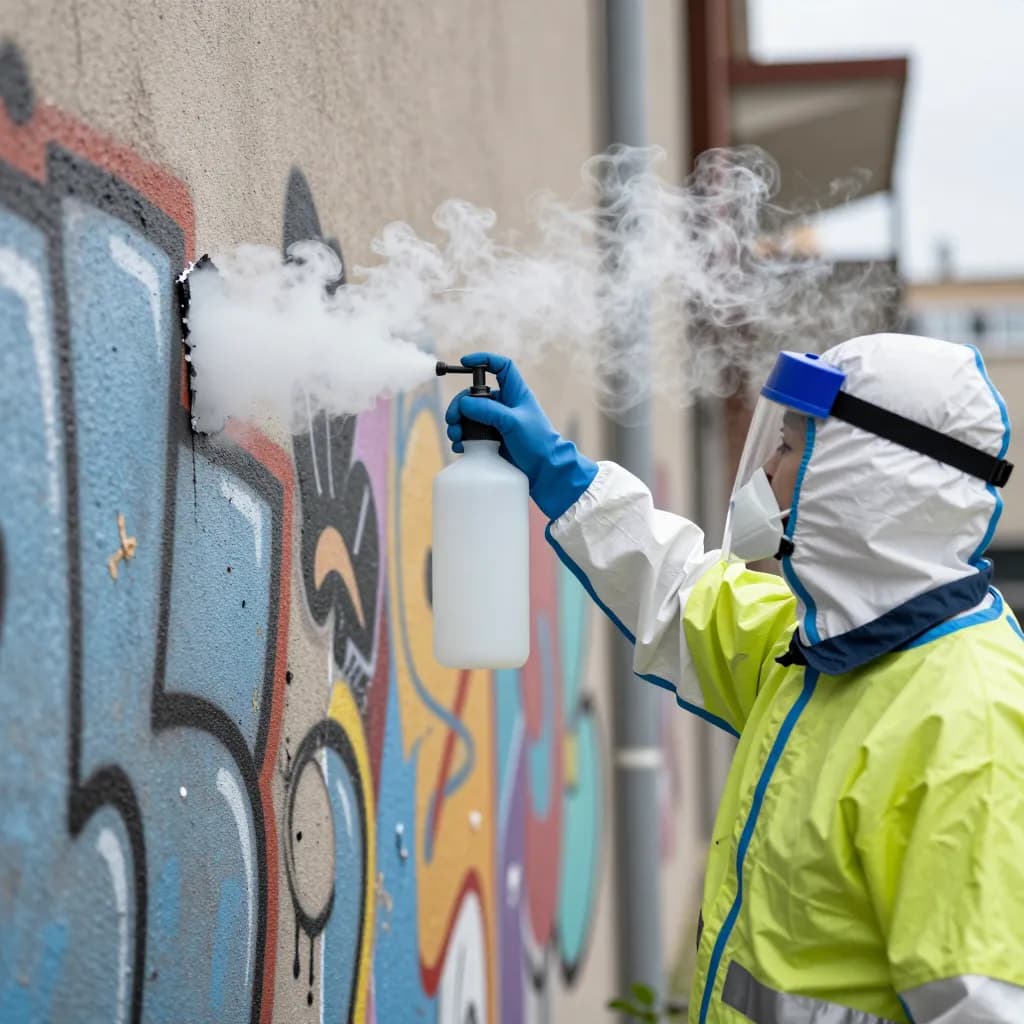
| Method | Chemicals Used | Exposure Route |
|---|---|---|
| Solvent wiping | Methylene chloride, toluene, acetone | Dermal, inhalation |
| Pressure washing with chemical assist | Caustic (sodium hydroxide), solvents | Splash, aerosol, vapor |
| Chemical stripping | Methylene chloride-based strippers | Inhalation, dermal |
| Abrasive blasting | Sand, soda, dry ice | Dust inhalation |
| Paint-over | Matching paint | Application exposure |
| Anti-graffiti coating removal | Specialized solvents | Dermal, inhalation |
Ready to Start Your Project?
From one-off customs to 15,000-part production runs — get precise pricing in 24 hours.
On This Page
Graffiti Removal Solvents: Public Works Workers Face Hidden Chemical Hazards
The Graffiti Removal Process
Common Methods
The Solvent Exposure Problem
Graffiti removal creates intense but intermittent solvent exposures:
| Factor | Exposure Impact |
|---|---|
| Concentrated chemicals | Graffiti removers are stronger than paint thinners |
| Direct hand contact | Workers often apply with rags or bare hands |
| Enclosed spaces | Bus interiors, restrooms, stairwells limit ventilation |
| Time pressure | Rapid response creates shortcuts on protection |
| Summer heat | Increased vaporization; workers remove PPE |
| Variable training | Often minimal chemical safety instruction |
Chemical Hazards in Graffiti Removal
Methylene Chloride
Despite the EPA consumer ban, methylene chloride remains in some commercial graffiti removers:
| Hazard | Effect |
|---|---|
| Acute toxicity | CNS depression, unconsciousness, death |
| Cardiac sensitization | Sudden death from arrhythmia |
| Metabolism to CO | Carboxyhemoglobin formation |
| Carcinogenicity | Liver cancer in animals |
| Regulatory status | Banned for consumer use; restricted commercial use |
Toluene and Xylene
Common in graffiti removers and thinners:
| Hazard | Effect |
|---|---|
| Neurotoxicity | CNS depression, chronic encephalopathy |
| Reproductive toxicity | Embryotoxic, developmental effects |
| Skin irritation | Dermatitis with repeated contact |
| Ototoxicity | Hearing loss (especially with noise) |
Caustic Chemicals
Sodium hydroxide and related compounds:
| Hazard | Effect |
|---|---|
| Skin burns | Chemical burns from concentrated solutions |
| Eye damage | Corneal injury from splash |
| Respiratory irritation | Aerosol inhalation |
| Ingestion | Esophageal and gastric burns |
Abrasive Media
Physical removal methods have their own hazards:
| Media | Hazard |
|---|---|
| Sand | Crystalline silica exposure |
| Soda (sodium bicarbonate) | Respiratory irritation |
| Dry ice | CO2 asphyxiation risk in enclosed spaces |
| Walnut shells | Lower hazard; dust exposure |
The Public Worker Profile
Who Removes Graffiti?
| Worker Category | Typical Conditions |
|---|---|
| Municipal public works | Outdoor, variable equipment, seasonal |
| Transit maintenance | Underground, on vehicles, confined |
| Park maintenance | Pavilions, restrooms, signs |
| School facilities | Interior and exterior surfaces |
| Corrections officers | Cell interiors, common areas |
| Contractors | Variable; often least trained |
Training Gaps
Graffiti removal workers often receive minimal safety training:
- No HazCom training: May not understand chemical hazards
- No PPE provision: Gloves, respirators not provided
- No air monitoring: Exposure levels unknown
- No medical surveillance: Health effects undetected
- No SDS access: Chemical composition unknown
Health Outcomes
Documented Cases
While systematic studies of graffiti removal workers are limited, related occupations show:
| Occupation | Health Effect | Relevance to Graffiti Removal |
|---|---|---|
| Furniture refinishers | CSE, sudden death | Similar solvent exposure |
| Paint removers | Neurological, cardiac | Identical chemicals |
| Janitors (solvent use) | Respiratory, dermatitis | Similar tasks |
| Transit cleaners | Mixed solvent effects | Overlapping workforce |
The Acute Risk
Graffiti removal presents acute hazards:
- Heat illness: Summer work with chemical-resistant PPE
- Chemical exposure: High concentration, poor ventilation
- Physical injury: Ladder work, traffic exposure, sharps
- Violence: Confrontation with graffiti artists
Safer Removal Methods
Engineering Controls
| Method | Description | Effectiveness |
|---|---|---|
| Hot water/high-pressure | No chemicals | Effective on fresh paint |
| Steam cleaning | Heat and pressure | Effective; minimal chemicals |
| Soda blasting | Bicarbonate media | Moderate; less hazardous |
| Dry ice blasting | CO2 pellets | Effective; no residue |
| UV light degradation | Emerging technology | Limited applications |
Administrative Controls
- Schedule work for cooler weather: Reduce vaporization, heat stress
- Ventilate enclosed spaces: Fans, open doors/windows
- Limit exposure duration: Job rotation, frequent breaks
- Prohibit methylene chloride: Safer alternatives only
PPE When Chemicals Are Necessary
| PPE | Application | Limitation |
|---|---|---|
| Chemical-resistant gloves | All chemical contact | Dexterity reduction; may tear |
| Eye/face protection | Splash prevention | Fogging; reduced visibility |
| Respiratory protection | Organic vapor, particulate | Fit required; uncomfortable in heat |
| Protective clothing | Skin coverage | Heat stress |
Prevention: The Best Protection
Anti-Graffiti Coatings
| Type | Mechanism | Durability |
|---|---|---|
| Sacrificial coatings | Graffiti bonds to removable layer | 1-5 removals |
| Semi-sacrificial | Penetrating sealer; removal with pressure | 5-10 removals |
| Permanent non-stick | Graffiti cannot adhere; wipes off | Long-term |
Powder-Coated Surfaces
Powder coating provides inherent graffiti resistance:
| Property | Benefit |
|---|---|
| Smooth, hard surface | Graffiti does not penetrate deeply |
| Chemical resistance | Withstands cleaning solvents |
| Durability | Repeated cleaning without damage |
| No porosity | Paint cannot soak in |
| Color consistency | Repainting matches original |
For metal surfaces - transit vehicles, benches, signs, fencing - specifying powder coating with anti-graffiti properties reduces both the frequency and difficulty of graffiti removal.
Design Strategies
| Strategy | Application | Effectiveness |
|---|---|---|
| Dark or textured surfaces | Less visible graffiti | Moderate |
| Rapid removal policy | Deters repeat offenders | High (if enforced) |
| Plantings/barriers | Limits access to surfaces | Moderate |
| Lighting | Increases risk of detection | Moderate |
| Surveillance | Deters and documents | Moderate |
The Economic Case
Cost of Graffiti
| Cost Element | Estimate |
|---|---|
| Removal labor | $1-5 per square foot |
| Chemicals and equipment | $0.50-2 per square foot |
| Worker health costs | Workers' comp, medical (often unquantified) |
| Surface damage | Repeated removal degrades substrate |
| Public perception | Quality of life, property values |
| Annual US total | $12-20 billion (all sectors) |
Prevention Savings
| Strategy | Cost | Savings |
|---|---|---|
| Powder coating (anti-graffiti) | 10-20% premium | Reduced removal frequency |
| Anti-graffiti coating | $1-3 per square foot | Easier removal |
| Design modifications | Variable | Reduced incidence |
Conclusion
Graffiti removal is hazardous work that exposes public employees and contractors to concentrated solvents, caustic chemicals, and abrasive dust. The intermittent, often unplanned nature of the work means that safety preparations are frequently inadequate - workers grab the strongest chemical available and apply it with minimal protection in poorly ventilated environments.
For government agencies, the most effective approach combines safer removal practices with prevention strategies that reduce the need for removal. Powder-coated metal surfaces resist graffiti adhesion, withstand aggressive cleaning, and maintain their appearance through repeated maintenance cycles. Anti-graffiti coatings on other surfaces provide sacrificial or non-stick layers that simplify removal.
The public works employee who spends a summer afternoon in a transit station restroom, inhaling methylene chloride or toluene vapors while scrubbing graffiti from a partition, deserves the same health protection as any industrial worker. That protection begins with specification choices that reduce the hazard at its source - by selecting surfaces and coatings that resist graffiti and by mandating safer removal methods when prevention fails.
Graffiti is a quality-of-life problem. The chemicals used to remove it should not become a health crisis.
Ready to Start Your Project?
From one-off customs to 15,000-part production runs — get precise pricing in 24 hours.