While structural MRI shows that solvent exposure damages the brain's white matter and causes atrophy, functional MRI (fMRI) reveals something equally disturbing: the brain works less effectively. Even when solvent-exposed painters perform cognitive tasks, their brains show reduced activation in the very regions responsible for attention, working memory, and executive function. And the more solvent exposure a worker has experienced, the less their brain activates.
paint-and-liquid-coatings-risks
fMRI Reveals Decreased Brain Activation in Solvent-Exposed Painters
Sundial Research Team·February 14, 2025·5 min
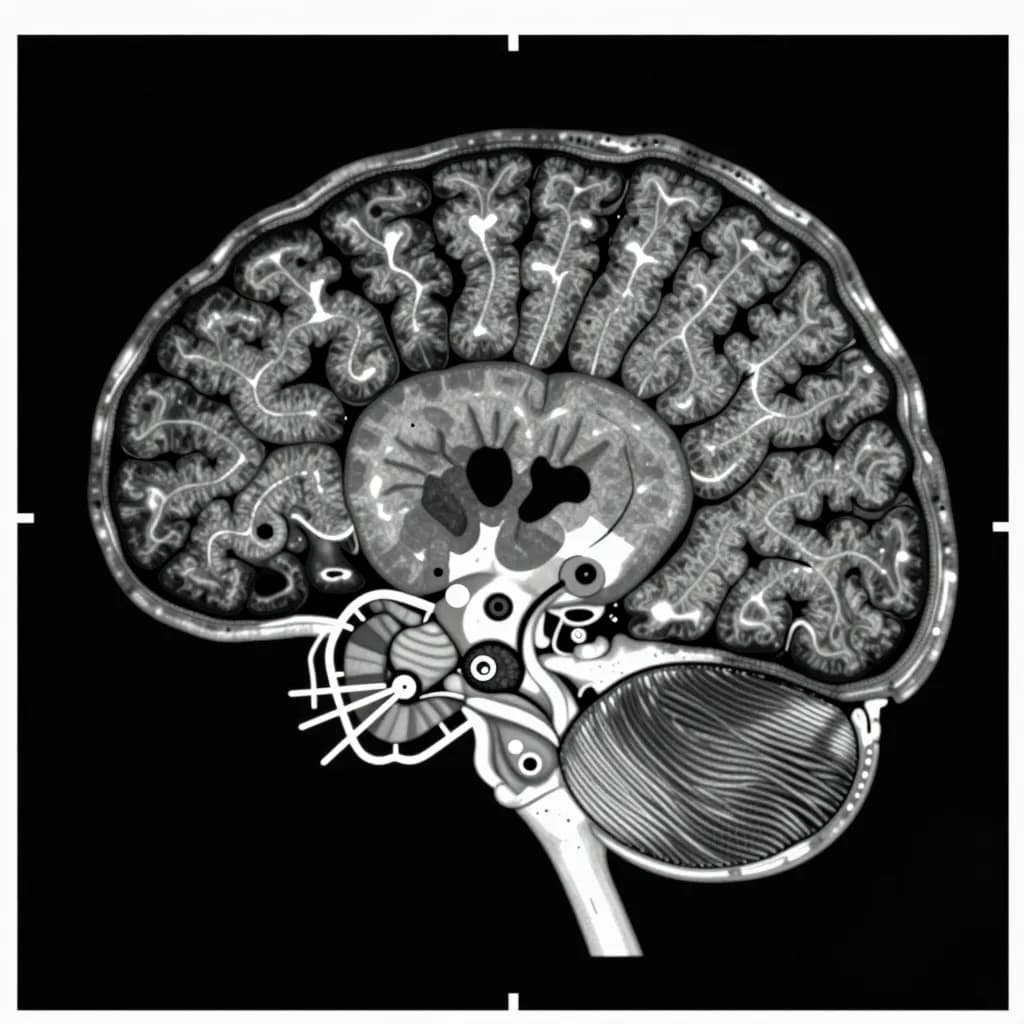
Researchers at Mount Sinai School of Medicine compared 27 solvent-exposed industrial painters with 27 unexposed controls using fMRI during N-back working memory tasks. The N-back task is a well-established neuropsychological test that requires participants to monitor a stream of stimuli and respond when the current stimulus matches one presented N items back. It taxes working memory, attention, and executive control - precisely the functions most affected by chronic solvent exposure.
Ready to Start Your Project?
From one-off customs to 15,000-part production runs — get precise pricing in 24 hours.
On This Page
fMRI Reveals Decreased Brain Activation in Solvent-Exposed Painters
The Tang et al. fMRI Study (2011)
Performance Findings
Solvent-exposed painters performed significantly worse on the N-back task than controls:
- Slower response times
- Lower accuracy rates
- Greater difficulty as working memory load increased
Brain Activation Findings
The fMRI results revealed significantly lower task-evoked activation in exposed workers across multiple brain regions:
| Brain Region | Function | Finding in Exposed Workers |
|---|---|---|
| Anterior cingulate cortex | Attention, error detection, motivation | Significantly lower activation |
| Dorsolateral prefrontal cortex | Working memory, executive function | Significantly lower activation |
| Parietal cortex | Spatial attention, information integration | Significantly lower activation |
These regions form a coordinated network for working memory and attention. Reduced activation across all three suggests network-level dysfunction rather than isolated regional damage.
The Exposure-Activation Correlation
Perhaps the most compelling finding: lifetime solvent exposure was negatively correlated with activation in these brain regions. Workers with more cumulative solvent exposure showed less brain activity during the task.
This dose-response relationship supports causality. If the reduced activation were due to confounding factors (age, education, motivation), it would not correlate with solvent exposure specifically.
Interpretation: Compensatory Failure
In healthy individuals, challenging cognitive tasks produce increased brain activation as the brain recruits additional neural resources. In solvent-exposed painters, this recruitment appears impaired:
- Insufficient neural recruitment: The brain cannot activate enough resources to meet task demands
- Inefficient processing: The same tasks require more effort but produce less neural activity
- Network disruption: Reduced coordination between brain regions that normally work together
The result is visible in both brain scans and real-world performance: these workers struggle with memory, attention, and complex tasks because their brains literally cannot muster the neural activity required.
Relationship to Structural Damage
The fMRI functional deficits complement the structural findings from other studies:
- MRI: White matter lesions in 46% of chronic toluene abusers; cerebral atrophy in 24% of CSE patients
- SPECT: Decreased dopaminergic activity in frontostriatal circuits
- EEG: Decreased event-related potentials in frontoparietal regions
- fMRI: Reduced task-evoked activation in working memory/attention networks
Together, these imaging modalities paint a consistent picture: solvent neurotoxicity damages both the structure and function of critical brain circuits.
Clinical Significance
The affected brain regions are essential for daily functioning:
- Anterior cingulate: Maintaining focus, detecting errors, motivating behavior
- Dorsolateral prefrontal cortex: Holding information in mind, planning, decision-making
- Parietal cortex: Directing attention, integrating sensory information
Deficits in these functions explain the real-world complaints of solvent-exposed workers:
- Difficulty concentrating on tasks
- Forgetfulness and memory lapses
- Reduced ability to learn new procedures
- Slower problem-solving
- Difficulty multitasking
The Occupational Impact
For painters and coating workers, these cognitive deficits have direct occupational consequences:
- Quality control errors: Inattention leads to application defects
- Safety incidents: Reduced vigilance increases accident risk
- Training difficulties: Impaired learning slows skill acquisition
- Career limitations: Cognitive decline may force early job changes
- Disability: Severe cases may require permanent work cessation
In the Dutch CSE follow-up study, permanent work disability pension increased from 14% to 37% during follow-up - despite modest neuropsychological improvement in some domains.
Prevention Through Elimination
The fMRI findings demonstrate that solvent neurotoxicity produces objective, measurable brain dysfunction that correlates with exposure. There is no ambiguity: solvents change how the brain works, and more exposure means more dysfunction.
Powder coating eliminates the solvent exposure that drives these neurological changes. For facilities where worker cognitive function is critical - construction, manufacturing, transportation, military operations - the prevention of solvent-induced brain dysfunction is not merely a health benefit. It is a productivity and safety imperative.
Ready to Start Your Project?
From one-off customs to 15,000-part production runs — get precise pricing in 24 hours.