In the early 1970s, a Swedish psychologist made a disturbing observation: house painters exposed to solvents for years were showing signs of memory loss and cognitive decline that looked like premature dementia. What started as clinical curiosity has grown into one of the most extensively documented occupational neurological diseases in medical literature.
paint-and-liquid-coatings-risks
Chronic Solvent Encephalopathy: The Brain Damage Behind 'Painter's Syndrome'
Sundial Research Team·January 17, 2025·8 min
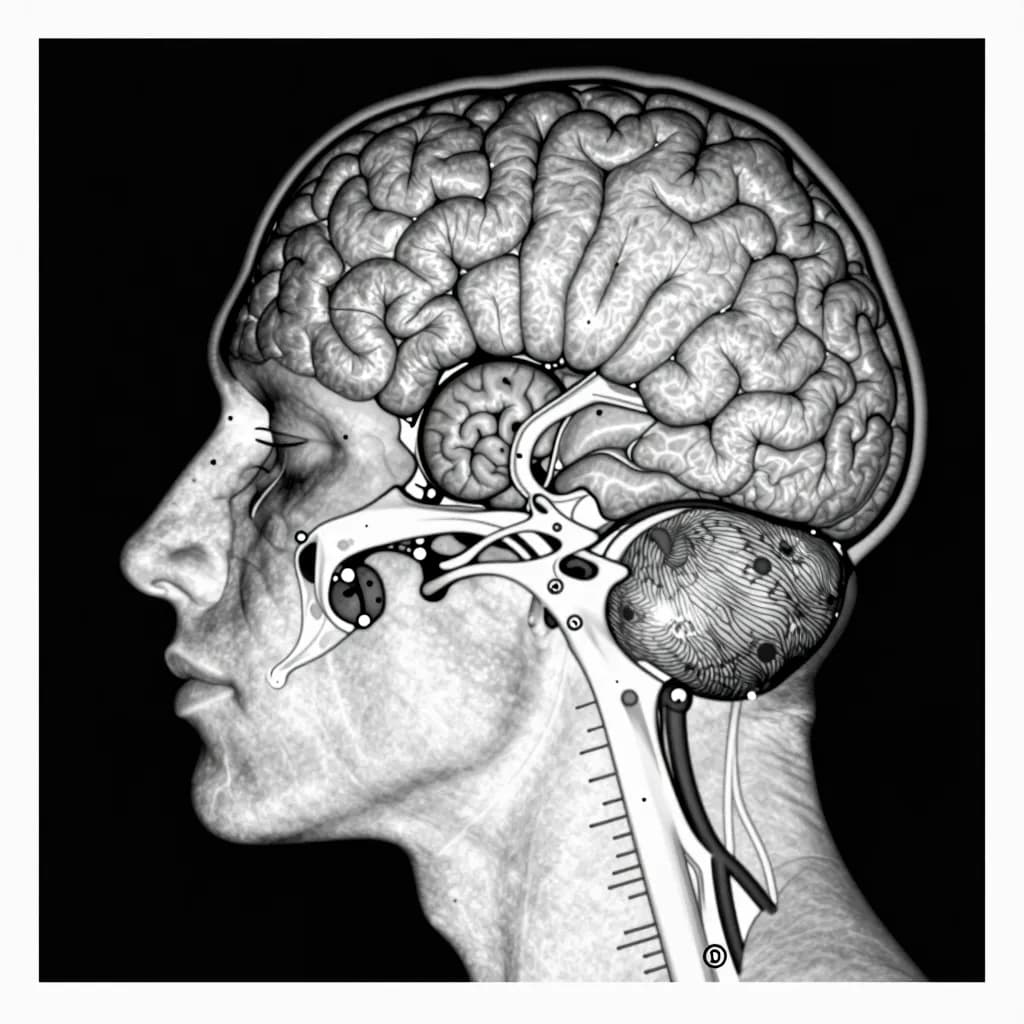
CSE — also called Chronic Toxic Encephalopathy or historically the "painter's syndrome" — is a progressive neurological disorder caused by chronic occupational exposure to organic solvents. It is recognized as an occupational disease by the International Labour Organization (2010) and has been included in the European List of Occupational Diseases since 1990.
Ready to Start Your Project?
From one-off customs to 15,000-part production runs — get precise pricing in 24 hours.
On This Page
Chronic Solvent Encephalopathy: The Brain Damage Behind 'Painter's Syndrome'
What Is Chronic Solvent-Induced Encephalopathy (CSE)?
The WHO classification system (1985) divides CSE into three types based on severity:
| WHO Type | Condition | Course | Key Features |
|---|---|---|---|
| Type I | Organic Affective Syndrome | Days to weeks, no sequelae | Depression, irritability, fatigue; reversible |
| Type II | Mild Chronic Toxic Encephalopathy | Weeks to months, variable reversibility | Memory complaints, attention deficits, mood disturbance |
| Type III | Severe Chronic Toxic Encephalopathy | Indefinite, usually irreversible | Dementia-level intellectual impairment, social/occupational dysfunction |
The Raleigh workshop refined this into four stages (Type 1, 2A, 2B, and 3), with the critical distinction that Type 2B intellectual impairment and Type 3 dementia are largely irreversible.
The Scale of the Problem
NIOSH estimates 9.8 million workers in the US alone are potentially exposed to organic solvents used in paints, adhesives, and coatings. In a landmark Finnish study of 50 paint industry workers with a mean exposure of 18 years, 14% had definite indications of brain dysfunction — toxic encephalopathy — compared to 0% of the reference group.
Danish cohort data is even more alarming. A study of 2,601 painters followed from 1971–1975 found painters had a relative risk of approximately 3.5 of being awarded a disability pension due to cryptogenic presenile dementia compared to bricklayers.
Documented Brain Damage
CSE is not merely a collection of subjective complaints. Structural brain changes are well-documented:
Cerebral Atrophy
In a landmark 1979 study of 70 house painters, neuroradiological examination demonstrated cerebral atrophy in 31 of 50 cases with no competing etiological factors. CT measurements showed highly significant differences in maximum sulcus width compared to age-matched controls.
White Matter Damage
MRI studies of chronic toluene abusers reveal white matter lesions in 46%, atrophic dilatation of ventricles and sulci in 27%, and thalamic hypointensity in 20%. A 2009 MRI study of 71 CSE patients found abnormalities in 38%: brain atrophy in 24% and abnormal white matter hyperintensities in 28%.
Functional Impairment
fMRI studies show solvent-exposed painters have significantly lower activation in the anterior cingulate, dorsolateral prefrontal cortex, and parietal cortices during working memory tasks. These are the brain regions responsible for attention, executive function, and memory.
The Irreversibility Problem
Perhaps the most sobering aspect of CSE is what happens when exposure stops. Multiple longitudinal studies confirm:
-
Bruhn et al. (1981): In 26 former house painters with mean 28 years of exposure followed for 2 years without professional exposure, neurological status, neuropsychological impairment, and cerebral atrophy did not change significantly. Three patients showed further deterioration.
-
Edling et al. (1990): A Swedish six-department follow-up of 111 solvent-exposed men at 5+ years found persistent CNS effects. However, workers removed from exposure when they had symptoms without intellectual impairment showed recovery in most cases.
-
Systematic review (van Valen, 2009): CSE is a non-progressive disease after exposure cessation — it doesn't worsen like Alzheimer's — but no complete reversal of symptoms was found in any study. Improvement ranged from 11–52%, while 27–47% had no change.
The window for intervention is narrow: once intellectual impairment develops (Type 2B), recovery is at best partial.
Specific Solvent Effects
Toluene
The primary neurotoxic agent in paint thinners and lacquers. Long-term inhalation causes irreversible CNS damage including white matter demyelination, cerebellar atrophy, and dementia. MRI shows white matter changes start in deep periventricular regions and spread outward with continued exposure.
n-Hexane
Causes a characteristic "dying-back" peripheral neuropathy through its metabolite 2,5-hexanedione, which cross-links neurofilament proteins and blocks axonal transport. Workers exposed at 60–240 ppm developed progressive muscle weakness and flaccid paralysis.
Prevention Through Elimination
Sweden prohibited solvent-based products for indoor construction painting in 1987. The result: approved CSE cases were halved from the first to the second half of the 1990s. This is the most powerful evidence that substitution works.
Powder coatings, formulated as 100% solids with no organic solvent carriers, eliminate the principal exposure pathway for chronic solvent encephalopathy. The hierarchy of controls prioritizes hazard elimination over PPE — and powder coating delivers elimination.
Ready to Start Your Project?
From one-off customs to 15,000-part production runs — get precise pricing in 24 hours.