Cadmium pigments have been prized by artists and manufacturers for over a century. Their brilliant, stable colors - cadmium yellow, cadmium orange, cadmium red - resist fading and degradation better than many organic alternatives. But this visual brilliance comes at a severe health cost. Cadmium and cadmium compounds are classified by IARC as carcinogenic to humans (Group 1), with established causation of lung cancer from inhalation exposure. For painters who spray or sand cadmium-containing coatings, the risk is occupational and real.
paint-and-liquid-coatings-risks
Cadmium Pigments in Paint: A Group 1 Lung Carcinogen
Sundial Research Team·February 13, 2025·5 min
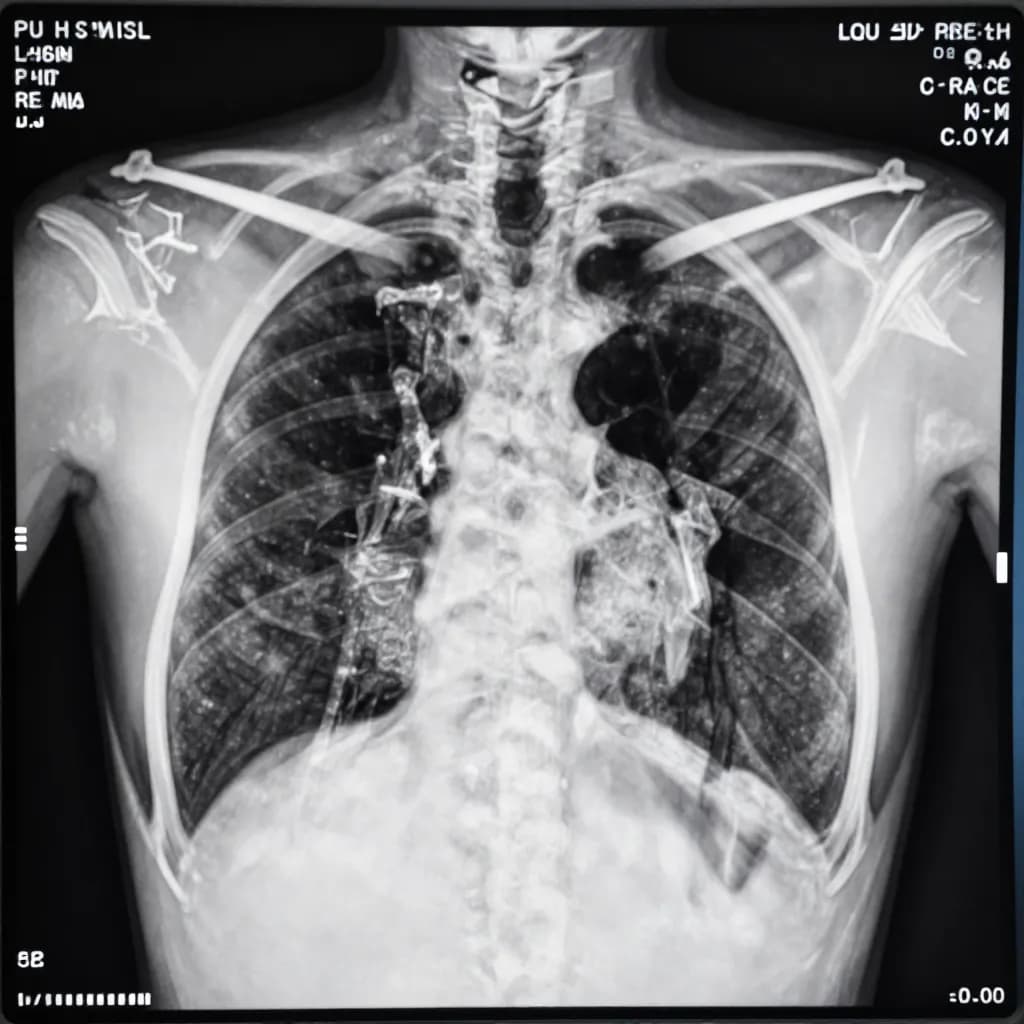
The International Agency for Research on Cancer classifies cadmium and cadmium compounds as Group 1 carcinogens for lung cancer. The classification is based on:
Ready to Start Your Project?
From one-off customs to 15,000-part production runs — get precise pricing in 24 hours.
On This Page
Cadmium Pigments in Paint: A Group 1 Lung Carcinogen
IARC Classification
- Sufficient evidence in humans from cadmium production and battery manufacturing cohorts
- Sufficient evidence in animals for lung carcinogenicity
- Mechanistic evidence of DNA damage and oxidative stress
- Epidemiological associations across multiple industries
Cadmium in Architectural Coatings
Cadmium compounds have been used in architectural and industrial coatings for:
- Cadmium yellow (cadmium sulfide): Bright, stable yellow
- Cadmium orange (cadmium sulfoselenide): Vivid orange
- Cadmium red (cadmium selenide): Deep, durable red
- Corrosion inhibitors: Cadmium chromate in primers
While regulatory restrictions have reduced cadmium use in consumer paints, cadmium pigments remain permitted in certain industrial and specialty coating applications. Government infrastructure projects - particularly those requiring durable, weather-resistant colors - may inadvertently specify cadmium-containing coatings.
Exposure Pathways for Painters
Painters encounter cadmium through multiple routes during coating operations:
Inhalation During Spray Application
Spray application generates respirable pigment particles that penetrate deep into the lung. Airborne cadmium concentrations during spray painting can exceed occupational exposure limits, particularly in poorly ventilated spaces.
Inhalation During Surface Preparation
Sanding, grinding, or abrasive blasting of cadmium-containing coatings releases respirable dust. This dust contains not only the substrate material but also the cadmium pigment from previous coating layers.
Dermal Contact
While inhalation is the primary carcinogenic route, skin contact with cadmium compounds occurs during mixing, application, and cleanup.
Mechanism of Carcinogenicity
Cadmium causes lung cancer through multiple mechanisms:
- Oxidative stress: Cadmium generates reactive oxygen species that damage DNA
- DNA repair inhibition: Cadmium interferes with nucleotide excision repair
- Epigenetic changes: Altered DNA methylation patterns in tumor suppressor genes
- Inflammation: Chronic low-grade inflammation promotes carcinogenesis
The lung is the primary target because inhaled cadmium particles deposit in the alveolar region and are poorly cleared, creating a depot of bioavailable carcinogen.
The IARC Mechanistic Assessment
IARC's 2010 evaluation noted that mechanistic data reviewed by ATSDR and previous IARC Monograph evaluations "strongly support a role of these substances in the induction of... lung cancer (cadmium, chromium, PAHs)." Cadmium was specifically identified as one of the biologically plausible contributors to the observed lung cancer excess in painters.
Regulatory Restrictions
Cadmium use in coatings is increasingly restricted:
- EU REACH: Cadmium restricted in paints and coatings at concentrations >0.01%
- California Proposition 65: Cadmium listed; warning required
- OSHA: Cadmium PEL of 5 ug/m3 (TWA) for dust; 3 ug/m3 for fumes
- Consumer products: Cadmium banned in many jurisdictions for household paints
However, industrial and government applications may still use cadmium-containing coatings under exemptions or grandfather clauses.
Powder Coating: Cadmium-Free Formulation
Powder coating systems can be and typically are formulated without cadmium pigments. Alternative inorganic and organic pigments provide equivalent color and performance:
- Organic yellows and reds: High-performance alternatives with good weatherability
- Bismuth vanadate: Bright yellow with excellent hiding power
- Iron oxide reds: Durable, economical red pigments
- Complex inorganic color pigments (CICPs): Heat-stable, UV-resistant alternatives
For government specifications, requiring cadmium-free pigments in powder coatings eliminates the lung carcinogen exposure pathway while maintaining color performance.
The Heavy Metal Spectrum
Cadmium is not the only heavy metal of concern in coatings. Peer-reviewed studies of ornamental construction paints found:
- Chromium: 698-946.4 mg/kg dry weight
- Lead: 689.4-858.6 mg/kg dry weight
- Cadmium: Present at lower but biologically active concentrations
All substantially exceed international permissible thresholds. Powder coating's ability to be formulated without these heavy metals represents a comprehensive approach to reducing coating-related carcinogen exposure.
Conclusion
Cadmium pigments exemplify the hidden carcinogenic hazards in architectural coatings. Their brilliant colors mask a Group 1 carcinogen that painters inhale during routine application. While regulatory restrictions have reduced cadmium use, government specifications must remain vigilant to ensure that coating selections do not introduce this known lung carcinogen into occupational environments. Powder coating provides the formulation flexibility to achieve durable, vivid colors without cadmium - making the safe choice also the beautiful choice.
Ready to Start Your Project?
From one-off customs to 15,000-part production runs — get precise pricing in 24 hours.