Vein finish powder coatings create a distinctive surface pattern characterized by contrasting veins or lines running through a base color, resembling the natural veining found in marble, wood grain, or aged metal. These decorative finishes are popular for furniture, architectural hardware, lighting fixtures, fireplace accessories, and decorative metalwork where a unique visual effect is desired.
Products
Best Vein Finish Powder Coatings: Cross-Manufacturer Comparison Guide
Sundial Powder Coating·April 23, 2026·12 min
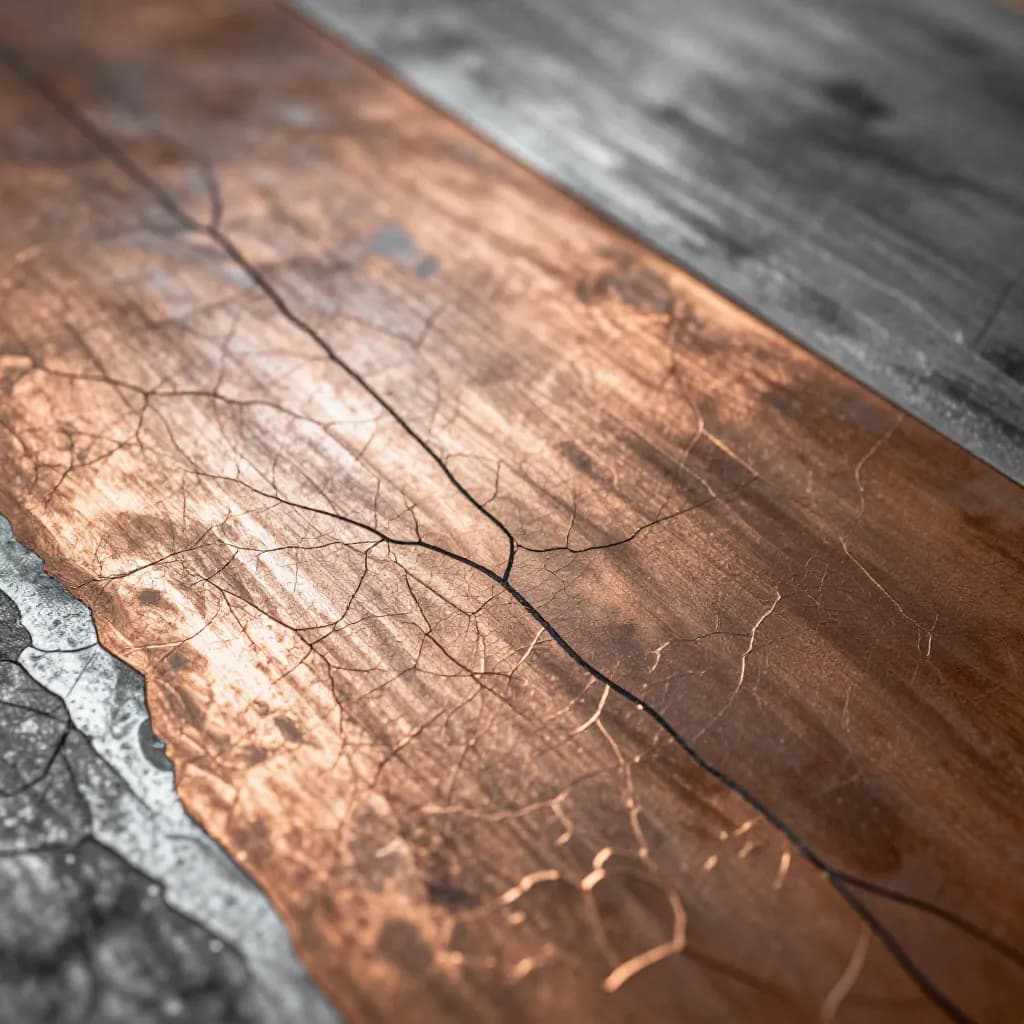
The vein pattern is created through a controlled phase separation during the curing process. Two incompatible components in the powder formulation separate as the coating melts and flows, creating the characteristic veined appearance. The pattern is somewhat random, meaning each coated part has a unique vein pattern, which adds to the artisanal character of the finish.
Ready to Start Your Project?
From one-off customs to 15,000-part production runs — get precise pricing in 24 hours.
On This Page
Vein Finish Powder Coatings: Distinctive Decorative Effects
Vein finishes are primarily interior-focused products because the formulation chemistry that creates the vein effect typically uses epoxy or hybrid resin systems that are not UV-stable. However, some manufacturers offer polyester-based vein finishes for protected exterior applications. This guide compares vein finish options from the seven major manufacturers.
Cardinal and PPG Vein Finish Powder Coatings
Cardinal Paint and Powder is one of the leading manufacturers of vein finish powder coatings, offering multiple colors in their specialty finishes portfolio. Cardinal's vein finishes use polyester TGIC chemistry, providing better UV resistance than epoxy-based alternatives. Available colors include black vein, bronze vein, copper vein, silver vein, and gold vein options. The vein pattern in Cardinal's products is created through a proprietary formulation that produces consistent vein density and contrast.
Cardinal's vein finishes are particularly popular in the decorative metalwork and furniture markets, where the unique pattern adds visual interest to tables, chairs, railings, and architectural hardware. The polyester TGIC chemistry allows limited exterior use in protected applications such as covered porches and atriums.
PPG Industries offers vein finish options through its Envirocron line in epoxy and hybrid chemistries for interior applications. PPG's vein finishes are available in standard colors including black, bronze, and copper, with custom color development available for specific project requirements. The Envirocron vein finishes use controlled phase separation technology to create consistent vein patterns.
PPG's strength in vein finishes is the technical support and formulation expertise they bring to custom vein development. For projects requiring specific vein colors, pattern densities, or contrast levels, PPG's formulation team can develop tailored solutions. Standard vein finishes are available through the quick-ship program for fast turnaround.
Sherwin-Williams, Tiger Drylac, and Other Manufacturer Vein Options
Sherwin-Williams offers vein finish powder coatings through its Powdura line in epoxy and hybrid chemistries. Standard vein colors include black, bronze, copper, and silver in various vein densities. Sherwin-Williams' vein finishes are formulated for interior use on furniture, fixtures, and decorative metalwork.
Tiger Drylac USA provides vein finish options in its specialty product lines. Tiger Drylac's vein finishes are available in their Series 41 Hybrid and Series 69 Epoxy lines for interior applications. The company offers both fine vein and coarse vein pattern options, allowing specifiers to select the vein density that best suits their design intent.
Axalta Coating Systems offers vein finishes through its industrial powder coating lines rather than the Alesta architectural brand. Axalta's vein options are available in epoxy and hybrid chemistries for interior decorative applications.
TCI Powder Coatings and IFS Coatings do not list standard vein finish products in their catalogs, as both companies focus primarily on architectural and industrial smooth and textured finishes. Custom vein formulations may be available through their specialty product development programs.
The vein finish market is served primarily by manufacturers with strong decorative and furniture market presence. Cardinal, PPG, Sherwin-Williams, and Tiger Drylac all maintain standard vein finish portfolios, while architectural-focused manufacturers like TCI and IFS concentrate on other finish types.
Vein Pattern Control and Application Techniques
The vein pattern in powder coatings is influenced by several application and curing variables, making consistent results more challenging than with smooth or standard textured finishes. Film thickness is the most critical variable: too thin and the vein pattern will be sparse or absent, too thick and the veins may become excessively dense or blurred. The optimal film thickness for vein finishes is typically 3.0-5.0 mils, higher than standard smooth applications.
Cure temperature and ramp rate also affect vein development. The phase separation that creates the vein pattern occurs during a specific temperature window as the powder melts and begins to flow. Rapid heating through this window produces finer, more numerous veins, while slower heating produces coarser, more widely spaced veins. Convection ovens with consistent air circulation produce more uniform vein patterns than infrared ovens with directional heating.
Part geometry affects vein appearance because the coating flows differently on horizontal, vertical, and curved surfaces. Horizontal surfaces tend to develop more pronounced veins than vertical surfaces because gravity assists the phase separation process. For parts with mixed orientations, expect some variation in vein density between surfaces.
Reclaim management is particularly important for vein finishes because the two-phase formulation can separate during reclaim collection and reuse. Most manufacturers recommend limiting reclaim content to 20-30% for vein finishes, compared to 50-70% for standard smooth powders. Some manufacturers recommend using only virgin powder for vein finishes to ensure consistent pattern development.
For production consistency, establish a standard application procedure including specific gun settings, spray distance, film thickness targets, and oven profile. Document these parameters and train all operators to follow them consistently.
Color Options and Design Applications for Vein Finishes
Vein finish powder coatings are available in a range of color combinations, with the most popular being dark base colors with lighter veins. Black with silver veins, bronze with gold veins, and copper with dark veins are the classic combinations that have been popular for decades in decorative metalwork. These traditional combinations evoke the appearance of aged or patinated metal.
More contemporary vein combinations include gray with white veins, navy with silver veins, and dark green with gold veins. These options expand the design palette beyond traditional metalwork aesthetics into modern interior design applications. Custom vein color combinations are available from Cardinal, PPG, and Sherwin-Williams for projects requiring specific color pairings.
Vein finishes are commonly specified for furniture and fixtures including table bases, chair frames, shelving brackets, and display stands. The unique pattern adds visual interest to simple geometric forms and creates a handcrafted appearance that mass-produced smooth finishes cannot replicate.
Architectural hardware applications include door handles, hinges, light fixtures, and decorative grilles. The vein pattern works particularly well on small-scale components where the pattern can be appreciated at close viewing distance. On large flat surfaces, vein patterns can appear busy or overwhelming, so they are generally reserved for smaller elements.
Fireplace accessories and hearth products are another strong market for vein finishes. The heat-resistant properties of epoxy and hybrid vein formulations, combined with the decorative pattern, make them ideal for fireplace screens, tool sets, and log holders. For these applications, the interior-only limitation of epoxy chemistry is not a concern.
Resin Chemistry and Manufacturer Selection for Vein Finishes
Vein finish powder coatings are available in three primary resin chemistries, each with different performance characteristics. Epoxy vein finishes offer the best chemical resistance and adhesion but are limited to interior use due to UV sensitivity. These are the most common vein chemistry and are available from all manufacturers that offer vein products.
Hybrid (epoxy-polyester) vein finishes provide improved overbake resistance compared to straight epoxy, making them more forgiving in production environments where cure conditions may vary. Tiger Drylac's Series 41 Hybrid vein finishes and similar products from other manufacturers serve this market.
Polyester TGIC vein finishes from Cardinal and select other manufacturers offer limited exterior capability for protected applications. The polyester chemistry provides better UV resistance than epoxy or hybrid, though the vein pattern may be affected by prolonged UV exposure. These products are suitable for covered porches, atriums, and other semi-exterior environments.
For manufacturer selection, choose Cardinal for the widest standard vein color selection and polyester TGIC chemistry for semi-exterior use. Choose PPG for custom vein development with strong technical support. Choose Sherwin-Williams for standard vein colors with broad distribution. Choose Tiger Drylac for hybrid vein finishes with good overbake tolerance.
Vein finishes are specialty products that require more application expertise than standard smooth or textured finishes. When specifying vein finishes for a project, confirm that the coating applicator has experience with vein products and can demonstrate consistent results on sample parts before committing to production.
Frequently Asked Questions
Can vein finish powder coatings be used outdoors?
Most vein finishes use epoxy or hybrid chemistry and are limited to interior use. Cardinal offers polyester TGIC vein finishes suitable for protected exterior applications like covered porches and atriums. For fully exposed exterior applications, vein finishes are generally not recommended due to UV sensitivity.
Which manufacturer offers the most vein finish colors?
Cardinal Paint and Powder offers the widest standard vein finish selection with multiple colors including black, bronze, copper, silver, and gold vein options. PPG, Sherwin-Williams, and Tiger Drylac also maintain standard vein portfolios with custom color development available.
Can the vein pattern be controlled precisely?
The vein pattern is influenced by film thickness, cure temperature, and ramp rate, but it is inherently somewhat random. Each coated part will have a unique vein pattern. Consistent application parameters produce consistent vein density and contrast, but exact pattern replication between parts is not possible.
What applications are best suited for vein finish powder coatings?
Vein finishes work best on furniture, architectural hardware, lighting fixtures, fireplace accessories, and decorative metalwork. The pattern is most effective on smaller components viewed at close distance. Large flat surfaces can appear busy with vein patterns, so they are generally reserved for accent elements.
Ready to Start Your Project?
From one-off customs to 15,000-part production runs — get precise pricing in 24 hours.