Antimicrobial powder coatings incorporate active agents that inhibit the growth of bacteria, mold, and fungi on coated surfaces. These specialty coatings have gained significant attention following increased awareness of surface hygiene in healthcare facilities, public transportation, food processing, and high-traffic public spaces. The antimicrobial function is built into the coating itself, providing continuous protection throughout the coating's service life.
Products
Best Antimicrobial Powder Coatings: Cross-Manufacturer Comparison Guide
Sundial Powder Coating·April 23, 2026·13 min
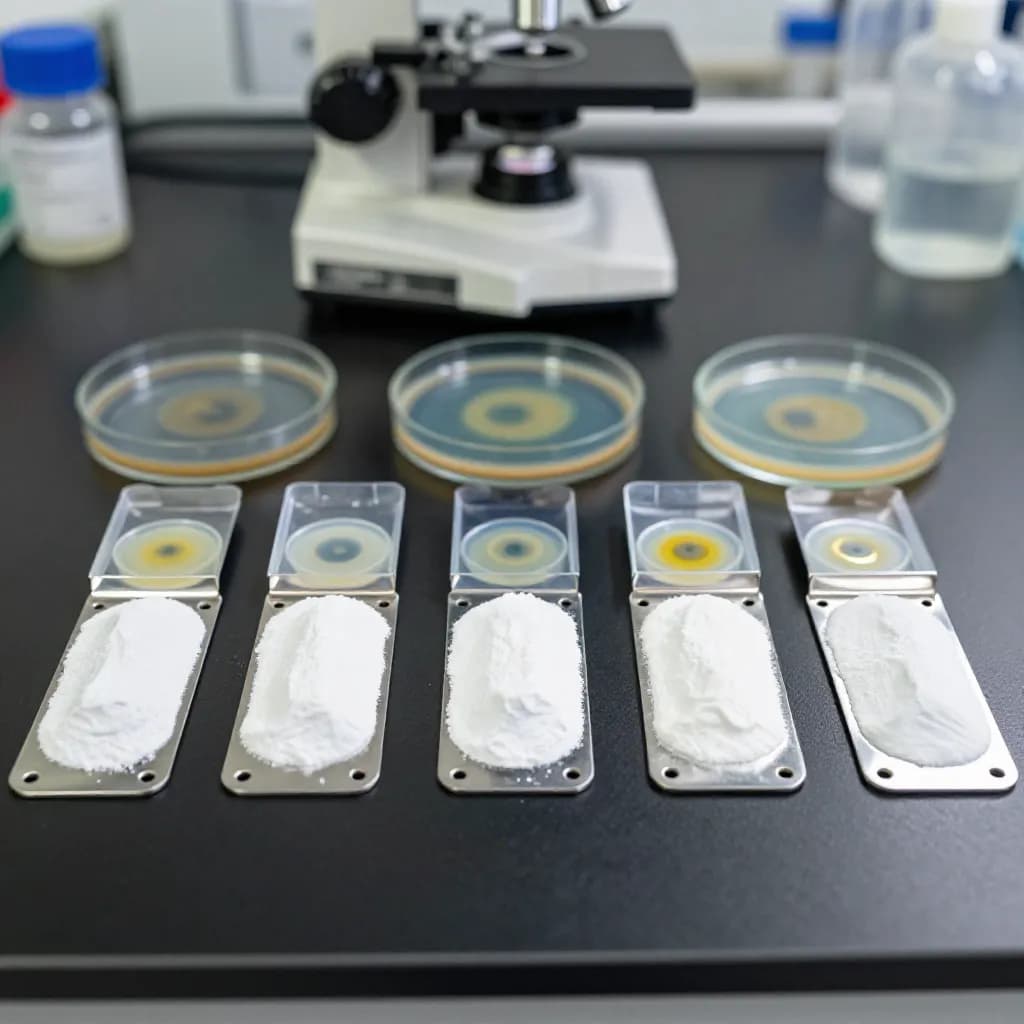
The antimicrobial powder coating market is driven by healthcare facility construction, food processing equipment manufacturing, public transit system upgrades, and commercial building specifications that increasingly require hygienic surface treatments. The technology has matured significantly, with multiple antimicrobial agent types and delivery mechanisms now available in powder coating form.
Ready to Start Your Project?
From one-off customs to 15,000-part production runs — get precise pricing in 24 hours.
On This Page
Antimicrobial Powder Coatings: Hygienic Surfaces for Healthcare and Public Spaces
This guide compares antimicrobial powder coating options from PPG, Sherwin-Williams, Axalta, TCI, Cardinal, Tiger Drylac, and IFS Coatings. We examine the antimicrobial technologies used, the certifications available, and the application considerations for specifying antimicrobial powder coatings.
PPG Antimicrobial Powder Coatings
PPG Industries has been a leader in antimicrobial powder coating development, offering antimicrobial versions of its Envirocron products. PPG's antimicrobial technology uses silver-ion based antimicrobial agents that are incorporated into the powder coating formulation during manufacturing. Silver ions disrupt bacterial cell membranes and metabolic processes, providing broad-spectrum antimicrobial activity against common bacteria including Staphylococcus aureus, E. coli, and MRSA.
PPG's antimicrobial powder coatings are available in multiple resin chemistries including epoxy, hybrid, and polyester, allowing the antimicrobial function to be combined with the appropriate durability characteristics for each application. Interior healthcare applications use epoxy or hybrid antimicrobial coatings, while exterior or UV-exposed applications use polyester antimicrobial formulations.
The antimicrobial agent is distributed throughout the coating film rather than concentrated at the surface, which means the antimicrobial function is maintained even if the surface is scratched or abraded. This through-film distribution provides long-term antimicrobial performance that surface-applied antimicrobial treatments cannot match.
PPG's antimicrobial coatings have been tested according to JIS Z 2801 (ISO 22196) standards, which measure the reduction in bacterial population on coated surfaces compared to untreated controls. Results typically show greater than 99.9% reduction in bacterial populations within 24 hours of contact.
Sherwin-Williams and Tiger Drylac Antimicrobial Options
Sherwin-Williams offers antimicrobial powder coatings through its Powdura line, incorporating silver-based antimicrobial technology into select product formulations. Sherwin-Williams' antimicrobial coatings are available in standard colors including white, gray, black, and beige, covering the most commonly specified colors for healthcare and food processing applications.
Sherwin-Williams' antimicrobial products are tested to EPA-registered antimicrobial standards and carry appropriate regulatory registrations for marketing antimicrobial claims. The company provides documentation packages for healthcare facility specifications that require antimicrobial surface treatments.
Tiger Drylac USA offers antimicrobial powder coatings through specialty formulations that incorporate antimicrobial agents into their standard resin systems. Tiger Drylac's antimicrobial options are available in select colors and can be custom-formulated to match specific color requirements. The company's antimicrobial technology uses silver-ion or zinc-based agents depending on the application requirements.
Tiger Drylac's antimicrobial products serve the healthcare, food processing, and public transit markets. The company provides technical support for antimicrobial specification development, including test data and regulatory documentation.
Both Sherwin-Williams and Tiger Drylac emphasize that antimicrobial powder coatings are not a substitute for regular cleaning and disinfection protocols. The antimicrobial function provides an additional layer of protection between cleaning cycles but does not eliminate the need for standard hygiene practices.
Axalta, TCI, Cardinal, and IFS Antimicrobial Considerations
Axalta Coating Systems offers antimicrobial powder coatings through its industrial product lines. Axalta's antimicrobial technology can be incorporated into various resin chemistries for healthcare, food processing, and public space applications. The company's global presence provides access to antimicrobial formulations developed for different regional regulatory requirements.
TCI Powder Coatings can provide antimicrobial formulations through their custom development program. While standard TruDurance architectural products do not include antimicrobial agents, TCI's formulation capabilities allow antimicrobial technology to be incorporated into super durable polyester and other chemistries for projects requiring both architectural performance and antimicrobial function.
Cardinal Paint and Powder offers antimicrobial options through specialty formulations for healthcare and food processing applications. Cardinal's antimicrobial coatings are available in select colors and can be combined with their various finish types including smooth, textured, and hammertone.
IFS Coatings can develop antimicrobial formulations through their custom product development program. While standard IFS architectural products do not include antimicrobial agents, the company's fluoropolymer and super durable chemistries can accommodate antimicrobial additives for projects requiring both premium weathering performance and antimicrobial function.
The antimicrobial powder coating market is still developing, and not all manufacturers maintain standard antimicrobial product lines. For projects requiring antimicrobial powder coatings, early engagement with the manufacturer is recommended to confirm product availability, regulatory compliance, and lead times.
Antimicrobial Technologies: Silver-Ion, Zinc, and Copper-Based Systems
Three primary antimicrobial technologies are used in powder coatings, each with different mechanisms of action and performance characteristics. Silver-ion technology is the most widely used, incorporating silver ions into a ceramic or glass carrier that is dispersed throughout the coating. Silver ions disrupt bacterial cell membranes and interfere with DNA replication, providing broad-spectrum activity against bacteria, mold, and fungi. Silver-based antimicrobials are effective at very low concentrations and do not affect the coating's appearance or physical properties.
Zinc-based antimicrobial technology uses zinc oxide or zinc pyrithione as the active agent. Zinc disrupts bacterial enzyme function and cell membrane integrity. Zinc-based systems are less expensive than silver but may require higher loading levels to achieve equivalent antimicrobial activity. Some zinc-based antimicrobials can affect coating color, particularly in light-colored formulations.
Copper-based antimicrobial technology uses copper ions or copper oxide particles as the active agent. Copper has a long history of antimicrobial use and provides rapid kill rates against a broad spectrum of microorganisms. However, copper-based antimicrobials can affect coating color, imparting a slight warm tone that may be unacceptable in white or light-colored applications.
The choice of antimicrobial technology depends on the required spectrum of activity, the coating color, the regulatory requirements, and the cost constraints. Silver-ion technology provides the best combination of broad-spectrum activity, color neutrality, and regulatory acceptance. Zinc and copper technologies offer cost advantages for applications where color impact is acceptable.
All antimicrobial powder coatings must be registered with the EPA under FIFRA (Federal Insecticide, Fungicide, and Rodenticide Act) before antimicrobial claims can be made in marketing materials. Ensure that any antimicrobial powder coating specified for a project carries appropriate EPA registration.
Certifications, Testing Standards, and Specification Guidance
Antimicrobial powder coatings are evaluated using standardized test methods that measure the reduction in microbial populations on coated surfaces. The primary test standard is JIS Z 2801 (ISO 22196), which measures antibacterial activity on plastic and other non-porous surfaces. This test inoculates coated and uncoated surfaces with a known bacterial population and measures the reduction after 24 hours of contact.
A coating is considered antimicrobial if it achieves a log reduction of 2.0 or greater (99% reduction) compared to an untreated control. Most commercial antimicrobial powder coatings achieve log reductions of 3.0 or greater (99.9% reduction) against common bacteria including S. aureus and E. coli.
For healthcare applications, antimicrobial powder coatings may need to comply with additional standards including EPA registration for antimicrobial claims, NSF/ANSI 51 for food equipment materials, and specific healthcare facility infection control requirements. Some healthcare systems require antimicrobial coatings to be tested against specific organisms of concern including MRSA, VRE, and C. difficile.
When specifying antimicrobial powder coatings, include the following in the specification: the antimicrobial test standard (JIS Z 2801 or ISO 22196), the minimum log reduction required, the target organisms, the EPA registration number, and any additional certifications required by the end-use application.
For manufacturer selection, choose PPG for the most established antimicrobial powder coating program with extensive test data and regulatory documentation. Choose Sherwin-Williams for antimicrobial options with broad distribution and EPA-registered products. Choose Tiger Drylac for antimicrobial formulations with custom color matching capability. For other manufacturers, engage early in the project to confirm antimicrobial product availability and regulatory compliance.
Application Considerations and Limitations of Antimicrobial Coatings
Antimicrobial powder coatings are applied using standard electrostatic spray equipment and cured at standard temperatures. The antimicrobial agent does not affect the application characteristics of the powder, and no special equipment or procedures are required. Film thickness recommendations are the same as for non-antimicrobial versions of the same product.
The antimicrobial function begins immediately after the coating is cured and continues throughout the coating's service life. Unlike surface-applied antimicrobial treatments that can be removed by cleaning or abrasion, the through-film distribution of antimicrobial agents in powder coatings ensures that the function is maintained even on worn or scratched surfaces.
However, antimicrobial powder coatings have important limitations that must be understood by specifiers and end users. The coatings do not provide instantaneous kill of microorganisms. The antimicrobial action occurs over hours, not seconds, which means the coating supplements but does not replace regular cleaning and disinfection protocols.
Antimicrobial coatings do not prevent the initial deposition of microorganisms on the surface. Bacteria, viruses, and fungi can still land on and temporarily survive on antimicrobial surfaces. The coating reduces the population over time, limiting the potential for surface-to-hand-to-mouth transmission between cleaning cycles.
The coatings are not effective against viruses unless specifically tested and registered for antiviral claims. Most antimicrobial powder coatings are registered for antibacterial and antifungal claims only. Antiviral claims require separate testing and EPA registration.
For healthcare and food processing specifications, always verify that the antimicrobial powder coating carries the appropriate EPA registration for the specific claims being made. Unregistered antimicrobial claims are a violation of federal law and can expose the specifier and manufacturer to regulatory action.
Frequently Asked Questions
How do antimicrobial powder coatings work?
Most antimicrobial powder coatings use silver-ion technology distributed throughout the coating film. Silver ions disrupt bacterial cell membranes and metabolic processes, reducing bacterial populations by 99.9% or more within 24 hours. The antimicrobial function is maintained throughout the coating's service life, even on scratched surfaces.
Which manufacturer leads in antimicrobial powder coatings?
PPG Industries has the most established antimicrobial powder coating program with extensive test data, EPA-registered products, and multiple resin chemistry options. Sherwin-Williams and Tiger Drylac also offer antimicrobial products. Other manufacturers provide antimicrobial options through custom formulation programs.
Do antimicrobial powder coatings kill viruses?
Most antimicrobial powder coatings are registered for antibacterial and antifungal claims only. Antiviral claims require separate testing and EPA registration. Unless a product specifically carries antiviral registration, it should not be specified or marketed for virus protection.
Do antimicrobial coatings replace regular cleaning?
No. Antimicrobial powder coatings supplement but do not replace regular cleaning and disinfection protocols. The antimicrobial function reduces bacterial populations between cleaning cycles but does not prevent initial microbial deposition or provide instantaneous kill. Standard hygiene practices must be maintained.
What certifications should antimicrobial powder coatings have?
Antimicrobial powder coatings must carry EPA registration under FIFRA for any antimicrobial marketing claims. Testing should follow JIS Z 2801 (ISO 22196) standards. Healthcare applications may require additional certifications. Always verify EPA registration numbers before specifying antimicrobial products.
Ready to Start Your Project?
From one-off customs to 15,000-part production runs — get precise pricing in 24 hours.