Clear coat powder coatings serve as protective topcoats over metallic basecoats, decorative finishes, and bare metal surfaces. They provide UV protection, chemical resistance, scratch resistance, and enhanced gloss without altering the underlying color or effect. Clear coats are essential components of two-coat metallic systems and are increasingly specified as standalone protective finishes over polished or brushed metal surfaces.
Products
Best Clear Coat Powder Coatings: Cross-Manufacturer Comparison Guide
Sundial Powder Coating·April 23, 2026·13 min
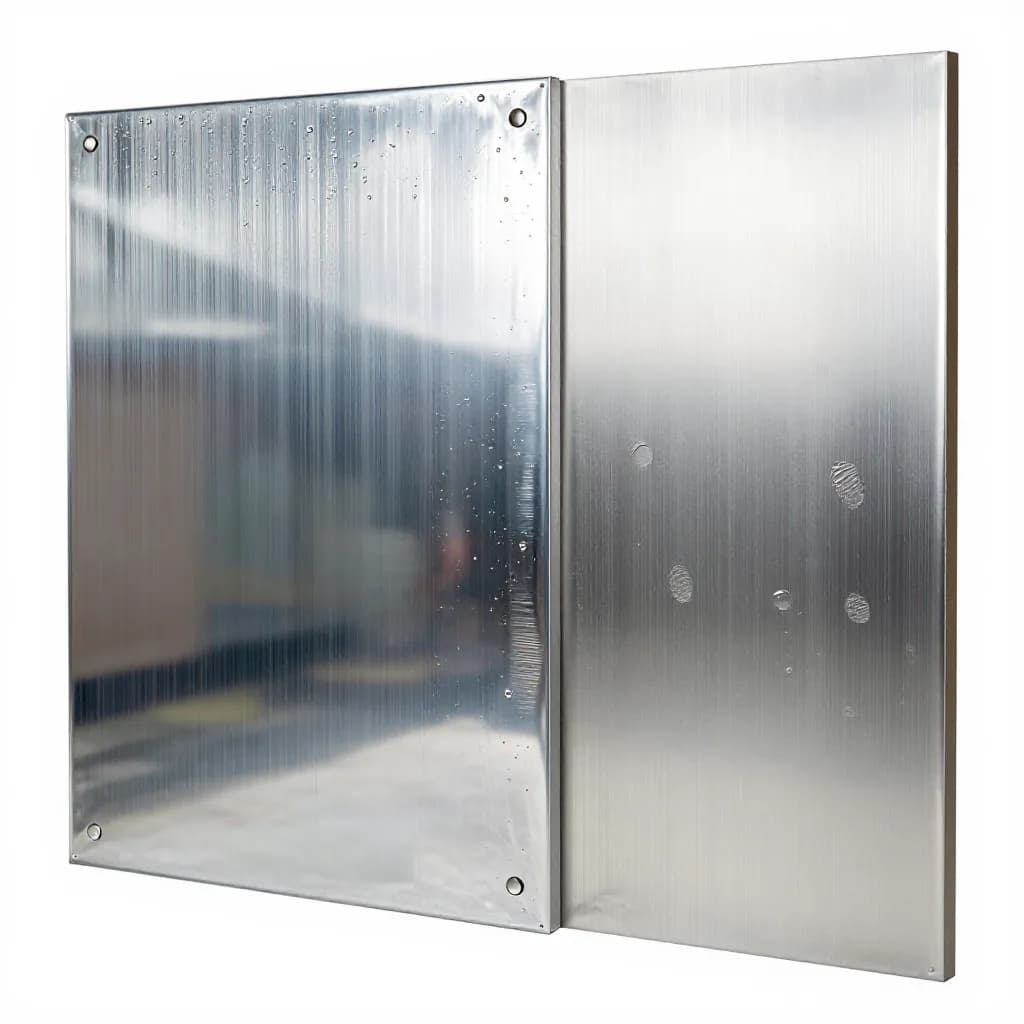
The clear coat market spans multiple resin chemistries, each optimized for different performance requirements. Epoxy clears provide maximum chemical resistance for interior applications. Polyester TGIC clears offer exterior durability with good gloss retention. Acrylic clears deliver exceptional clarity and weathering resistance. Polyester urethane clears combine high gloss with good exterior performance.
Ready to Start Your Project?
From one-off customs to 15,000-part production runs — get precise pricing in 24 hours.
On This Page
Clear Coat Powder Coatings: Protection and Enhancement
This guide compares clear coat powder coatings from PPG, Sherwin-Williams, Axalta, TCI, Cardinal, Tiger Drylac, and IFS Coatings. We examine the specific clear products available, their resin chemistries, gloss levels, and specialty properties.
PPG Clear Coat Powder Coatings: Envirocron Range
PPG Industries offers the most comprehensive clear coat portfolio through its Envirocron brand. The range spans five resin chemistries covering interior and exterior applications at multiple gloss levels.
The polyester TGIC clears include PCT10107 Low-Cure Clear at low gloss with quick-ship availability, PCTT19102 Low-Gloss Clear for exterior durability, and PCTT99259 Anti-Gas Clear designed to reduce pinholes on outgassing metals like cast aluminum and galvanized steel. The anti-gas clear is particularly valuable for automotive wheel and cast component applications where substrate outgassing is a persistent challenge.
The polyester urethane PCU19101 High-Gloss Clear provides maximum gloss with good exterior durability and is available through the quick-ship program. The acrylic GMA PCC10103 Acrylic Clear (Enviracryl XMR) offers low-cure capability at 350 degrees Fahrenheit with extra mar resistance, making it suitable for heat-sensitive substrates and applications requiring superior scratch resistance.
The epoxy PCM10114 Epoxy Clear at 100+ gloss provides maximum chemical resistance for interior applications and is available through quick-ship. This product is the go-to clear for laboratory equipment, chemical processing components, and interior metalwork requiring chemical resistance.
PPG's clear coat strength is the breadth of resin chemistries available, allowing specifiers to match the clear coat chemistry to the specific performance requirements of each application.
Tiger Drylac Clear Coat Powder Coatings
Tiger Drylac USA offers the second-most comprehensive clear coat portfolio with options spanning multiple resin chemistries and gloss levels. The Series 38 Super Durable 38/00001 Clear Glossy at 90+ gloss provides an AAMA 2604-certified clear topcoat for architectural metallic systems. This is one of the few clear coats with AAMA certification, making it valuable for architectural two-coat metallic specifications.
The Series 49 TGIC Polyester line includes 49/01234 Bengal Clear Glossy at 90+ gloss, designed as a companion topcoat for Tiger Drylac's metallic basecoats including Mirror Silver, Sparkle Silver, and Ultra Chrome. The 49/00280 Clear Semi-gloss at 40-60 gloss provides a lower-sheen alternative for applications where high gloss is not desired.
The Series 16 Acrylic Hybrid 16/00030 Clear Matte at 0-15 gloss offers an ultra-low-gloss clear for contemporary design applications where a matte protective finish is specified. The Series 44 Polyester Urethane 44/00018 Anti-graffiti Clear Glossy at 90+ gloss provides a specialty clear with anti-graffiti properties, allowing graffiti to be removed without damaging the underlying coating.
The Series 69 Epoxy 69/00300 Clear Ice Matte at 0-15 gloss serves interior applications requiring chemical resistance with a matte appearance. Tiger Drylac's clear coat range covers the full spectrum from dead matte to high gloss across five resin chemistries.
Sherwin-Williams, Axalta, TCI, Cardinal, and IFS Clear Options
Sherwin-Williams offers clear coat powder coatings through its Powdura line in epoxy, hybrid, and polyester chemistries. Standard clears include high-gloss and semi-gloss options for both interior and exterior applications. The epoxy clears serve the interior market for furniture, fixtures, and equipment, while polyester clears provide exterior durability for metallic topcoat systems.
Axalta Coating Systems provides clear coats through its industrial powder coating lines. Axalta's clears are available in polyester and hybrid chemistries for metallic topcoat applications. The company's architectural Alesta line does not include standard clear products, as the architectural colors are formulated as single-coat systems.
TCI Powder Coatings offers clear topcoats in their industrial product range for use over metallic basecoats. TCI's architectural TruDurance line is designed as single-coat systems and does not require clear topcoats. For projects requiring clear over TCI metallics, the company provides compatible clear formulations.
Cardinal Paint and Powder provides clear topcoats designed for use over their metallic basecoats. Cardinal's metallics line notes that many products require clear topcoat for exterior durability, and compatible clears are available in polyester TGIC chemistry.
IFS Coatings does not list standard clear products in their catalog, as their architectural metallics are formulated as single-coat bonded systems that do not require clear topcoats. For specialty applications requiring clear over IFS basecoats, custom clear formulations are available.
Choosing the Right Clear Coat Chemistry
The choice of clear coat resin chemistry should match the performance requirements of the application and be compatible with the basecoat chemistry. Epoxy clears provide the best chemical resistance and adhesion but yellow under UV exposure, limiting them to interior use. They are the preferred choice for laboratory equipment, chemical processing, and interior metalwork.
Polyester TGIC clears offer good exterior durability with moderate chemical resistance. They are the standard choice for exterior metallic two-coat systems where the clear must protect metallic pigments from UV degradation and environmental exposure. PPG's PCT10107 and PCTT19102, and Tiger Drylac's 49/01234 and 38/00001 serve this market.
Acrylic clears provide exceptional clarity, UV resistance, and mar resistance. PPG's PCC10103 Enviracryl XMR is the leading acrylic clear, offering low-cure capability and extra mar resistance. Acrylic clears are preferred for applications where optical clarity and scratch resistance are paramount.
Polyester urethane clears combine high gloss with good exterior durability and flexibility. PPG's PCU19101 and Tiger Drylac's 44/00018 Anti-graffiti Clear represent this chemistry. Urethane clears are popular for automotive and architectural applications where high gloss and mechanical durability are both required.
When selecting a clear coat, ensure compatibility with the basecoat chemistry. Applying an epoxy clear over a polyester basecoat, or vice versa, can result in intercoat adhesion failure. Most manufacturers provide compatibility guides specifying which clears work with which basecoats.
Specialty Clear Coats: Anti-Graffiti, Anti-Gas, and Low-Cure
Beyond standard protective clears, several specialty clear coat products address specific application challenges. Anti-graffiti clears from Tiger Drylac (44/00018) create a surface that allows spray paint, markers, and other graffiti materials to be removed with standard cleaning solvents without damaging the underlying coating. These products are specified for public infrastructure, transit systems, and urban architectural elements.
Anti-gas clears from PPG (PCTT99259) are formulated to tolerate the outgassing that occurs when coating cast aluminum, galvanized steel, and other porous or zinc-coated substrates. Standard clears can develop pinholes and surface defects when gas escapes through the coating during cure. Anti-gas formulations remain permeable longer during the cure cycle, allowing gas to escape before the film seals.
Low-cure clears from PPG (PCT10107 at standard low-cure and PCC10103 at 350 degrees Fahrenheit) enable coating of heat-sensitive substrates and assemblies that cannot withstand standard cure temperatures of 375-400 degrees Fahrenheit. Low-cure clears are essential for coating pre-assembled components, thin-gauge materials, and substrates with heat-sensitive components.
For manufacturer selection, choose PPG for the widest clear coat chemistry range including anti-gas and low-cure options. Choose Tiger Drylac for AAMA 2604-certified architectural clears and anti-graffiti specialty. Choose Sherwin-Williams for standard interior and exterior clears with broad distribution. For two-coat metallic systems, always use the clear coat recommended by the basecoat manufacturer to ensure intercoat compatibility.
Frequently Asked Questions
Which clear coat powder coating has the highest gloss?
PPG Envirocron PCM10114 Epoxy Clear achieves 100+ gloss units for interior applications. For exterior use, PPG PCU19101 High-Gloss Clear and Tiger Drylac 49/01234 Bengal Clear Glossy both achieve 90+ gloss. The highest exterior gloss is achieved with polyester urethane and TGIC polyester chemistries.
Is there an anti-graffiti clear powder coating?
Yes. Tiger Drylac 44/00018 Anti-graffiti Clear Glossy in polyester urethane chemistry allows graffiti removal with standard solvents without damaging the coating. This product is specified for public infrastructure, transit systems, and urban architectural elements.
Do all metallic powder coatings need a clear topcoat?
No. Bonded metallic formulations from Axalta, TCI, and IFS are designed as single-coat systems. However, many blended metallics and chrome-effect basecoats from Cardinal and Tiger Drylac require clear topcoats for exterior durability. Check the manufacturer's recommendation for each specific metallic product.
What clear coat works on outgassing substrates?
PPG Envirocron PCTT99259 Anti-Gas Clear is specifically formulated to reduce pinholes on outgassing metals like cast aluminum and galvanized steel. Tiger Drylac's 49/91312 Chrome OGF basecoat is also formulated for outgassing substrates. Standard clears can develop surface defects on these substrates.
Can I use any clear coat over any basecoat?
No. Clear coat and basecoat chemistries must be compatible to ensure intercoat adhesion. Applying an epoxy clear over a polyester basecoat can result in adhesion failure. Always use the clear coat recommended by the basecoat manufacturer and follow their specified application and cure procedures.
Ready to Start Your Project?
From one-off customs to 15,000-part production runs — get precise pricing in 24 hours.