The link between aromatic amines and bladder cancer is one of the oldest and most firmly established in occupational medicine. First recognized in aniline dye workers in the 19th century, this association has since been documented across multiple industries and chemical contexts - including paint pigments. For painters, aromatic amines in dye-based colors represent a bladder cancer risk that operates through skin contact as well as inhalation, making it particularly difficult to control with conventional protective measures.
paint-and-liquid-coatings-risks
Aromatic Amines in Paint Pigments: The Bladder Cancer Connection
Sundial Research Team·February 13, 2025·5 min
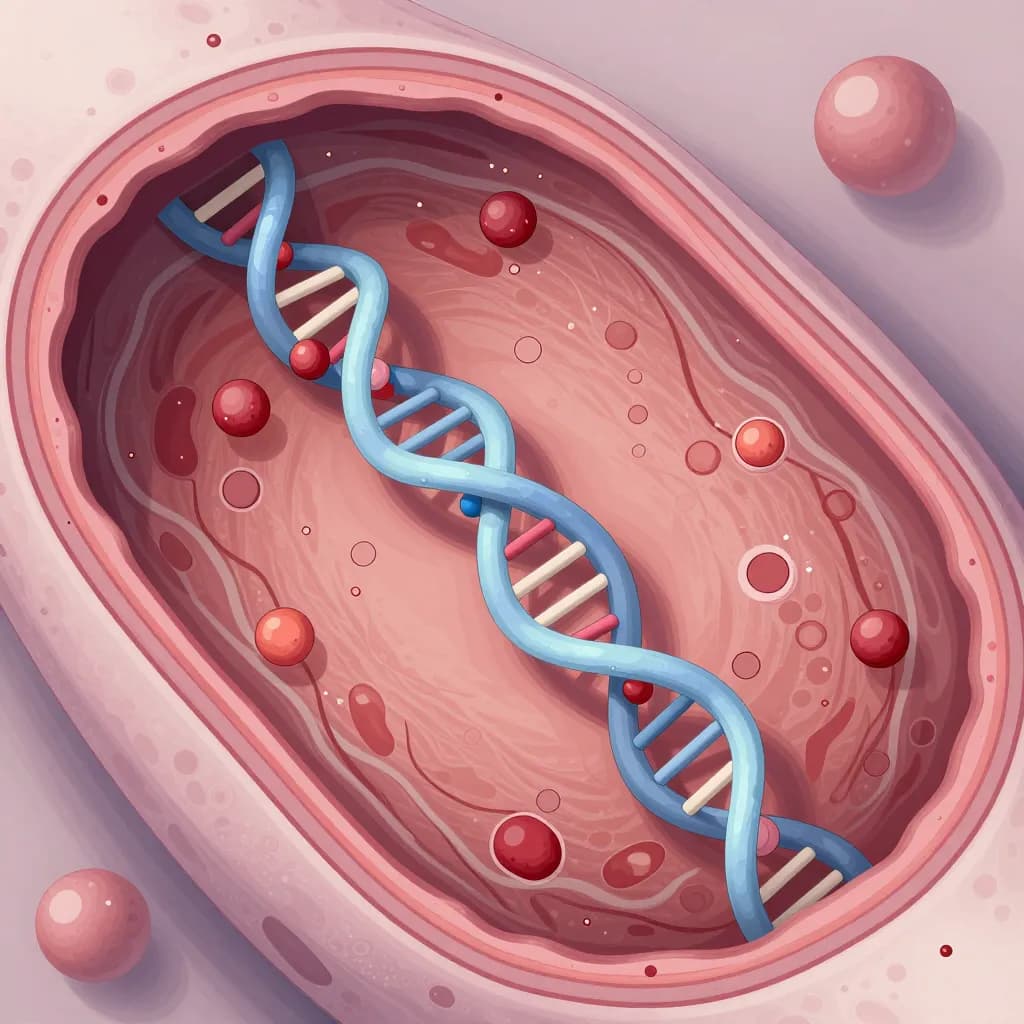
Aromatic amines including 2-naphthylamine, 4-aminobiphenyl, benzidine, and ortho-toluidine are classified by IARC as Group 1 carcinogens for bladder cancer. The evidence base includes:
Ready to Start Your Project?
From one-off customs to 15,000-part production runs — get precise pricing in 24 hours.
On This Page
Aromatic Amines in Paint Pigments: The Bladder Cancer Connection
The IARC Group 1 Classification
- Extensive occupational epidemiology from dye, rubber, and chemical industries
- Animal carcinogenicity data
- Mechanistic understanding of DNA adduct formation
- Biomarker studies showing hemoglobin adducts in exposed workers
Aromatic Amines in Paint Pigments
These compounds have been used in dye-based paint pigments to produce vivid, stable colors. While many jurisdictions have restricted or banned the most potent bladder carcinogens (particularly 2-naphthylamine and benzidine), related aromatic amine compounds may persist in certain pigment formulations - particularly in specialty and industrial coatings.
The EPA HERO database notes that aromatic amines "can be found in the products of the chemical, dye and rubber industries as well as in hair dyes, paints, fungicides, cigarette smoke, plastics, metals and motor vehicle exhaust."
Skin Absorption: The Critical Exposure Route
Unlike lung cancer, where inhalation is the dominant exposure pathway, bladder cancer from aromatic amines involves multiple routes - and skin absorption is particularly important:
- Dermal absorption: Aromatic amines are lipophilic and readily penetrate skin
- Inhalation: Volatile amines and aerosolized pigment particles
- Ingestion: Hand-to-mouth contact during breaks and meals
- Contaminated clothing: Absorbed amines on work clothes transfer to skin
The dermal route is especially significant because painters often work without full skin protection, believing that respiratory protection is sufficient. For aromatic amines, this belief is dangerously wrong.
The Painter's Bladder Cancer Risk
The Guha meta-analysis (2010) of 41 studies found a summary relative risk of 1.25 (95% CI: 1.16-1.34) for bladder cancer in painters. The risk increased with duration:
- < 10 years exposure: RR 1.41 (1.00-2.01)
-
10 years exposure: RR 1.81 (1.20-2.75)
While aromatic amines are not the only bladder carcinogen in paints (tobacco smoking confounds lung cancer but not bladder cancer as strongly), they represent a biologically plausible and well-documented contributor.
The Steenland Internal Comparison
The US IBPAT cohort found that in direct comparison with non-painter union members:
- SRR 1.77 (95% CI: 1.13-2.77) for bladder cancer
This internal comparison controls for the healthy worker effect and suggests that painting-specific exposures - including aromatic amines, ortho-toluidine, and other bladder carcinogens - drive the elevated risk.
Mechanism: Hemoglobin Adducts
Aromatic amines cause bladder cancer through a distinctive metabolic pathway:
- Absorption through skin or lungs
- Hepatic N-hydroxylation to reactive metabolites
- Conjugation with glucuronic acid
- Excretion in urine
- Acidic bladder urine hydrolyzes conjugates, releasing reactive intermediates
- DNA adduct formation in bladder urothelium
Hemoglobin adducts of aromatic amines serve as biomarkers of exposure and have been documented in painters and other exposed workers.
Gender Differences
The Guha meta-analysis found that female painters had higher relative risk (RR 1.55; 95% CI: 1.08-2.23) than male painters (RR 1.24; 95% CI: 1.15-1.34). This may reflect:
- Lower background bladder cancer rates in women, making the occupational effect more detectable
- Greater dermal absorption relative to body size
- Different exposure patterns in female-dominated painting specialties
Prevention Through Substitution
Powder coating systems can be formulated without aromatic amine pigments. Alternative colorants include:
- High-performance organic pigments: Non-amine-based color chemistry
- Inorganic pigments: Metal oxide and complex inorganic color pigments
- Effect pigments: Mica-based pearlescent and metallic finishes
For facilities where bladder cancer prevention is a priority, eliminating aromatic amine pigments from coating specifications removes a well-established carcinogenic exposure. The skin absorption route makes this particularly important - because even workers using respiratory protection remain exposed through dermal contact with contaminated surfaces, tools, and clothing.
The Multi-Route Reality
The aromatic amine-bladder cancer link illustrates a critical principle of occupational health: effective protection requires controlling all exposure routes. For painters, this means:
- Respiratory protection is necessary but insufficient
- Gloves and protective clothing are essential for skin protection
- Hygiene practices (hand washing, separate eating areas) reduce ingestion
- Substitution eliminates all routes simultaneously
Powder coating's ability to be formulated without aromatic amines, combined with its elimination of liquid carriers that facilitate skin contact, provides the most comprehensive protection against this preventable occupational cancer.
Ready to Start Your Project?
From one-off customs to 15,000-part production runs — get precise pricing in 24 hours.